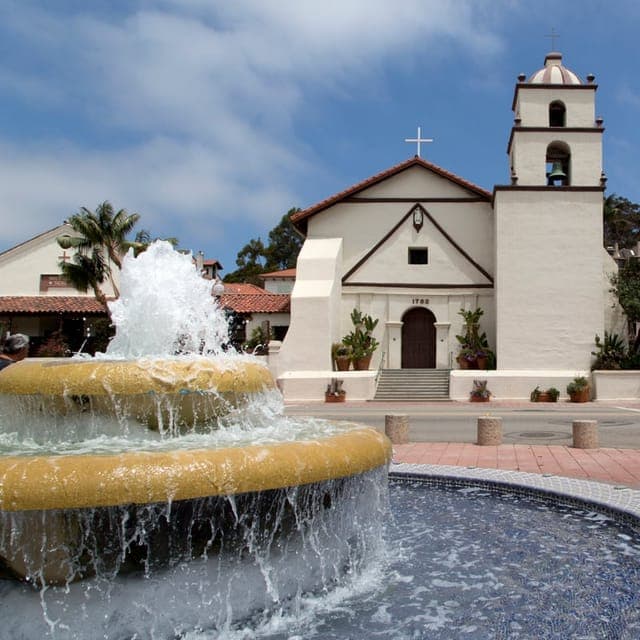
Photo: Wikipedia
Find The Best Places To Live in Ventura County
PRO TIP! You can paste a Zillow or Redfin link to get info on that property.
Best Places to Live in Ventura County
Cities & Towns in Ventura County
Cities in Ventura County
What It's Like Living in Ventura County, CA
Living in Ventura County feels a bit like being in on a secret that’s not quite a secret anymore. It’s the stretch of coastal California that doesn’t scream for attention the way Los Angeles or Santa Barbara does, but it has its own steady, grounded rhythm. People here tend to be protective of it — the way the fog burns off over the Oxnard plains, the quiet agricultural stretches between Camarillo and Santa Paula, and the fact that you can still find a neighborhood taqueria that’s been there for decades without a single influencer posting about it.
The Daily Rhythm: Work, Commute, and Where You Actually Spend Your Time
For a county of over 838,000 people, daily life in Ventura County is surprisingly decentralized. Someone living in Thousand Oaks might only head into Ventura or Oxnard a few times a year, and vice versa. The Conejo Valley feels more like an extension of the San Fernando Valley — corporate parks, chain restaurants, and a steady hum of commuters heading south on the 101. Meanwhile, the coastal cities of Ventura and Oxnard have a slower, saltier pulse, with surf shops, produce stands, and a visible working-class backbone tied to agriculture and the Port of Hueneme.
The average commute here is about 26 minutes, which is manageable by Southern California standards, but that number hides a split reality. If you live in Simi Valley and work in downtown L.A., you’re looking at an hour-plus each way. If you live and work within the county — say, in Camarillo or Moorpark — your drive is often a straight shot through farmland or foothills. The 101 through Thousand Oaks and Camarillo is the main artery, and it backs up predictably, but locals know the surface-street shortcuts through the agricultural fields of Oxnard like a secret handshake.
Weekends here are built around the outdoors. Point Mugu State Park and the trails around Lake Casitas draw hikers and mountain bikers, while the beaches at Ventura and Oxnard are more about families with coolers and umbrellas than the boardwalk scene farther south. The Ventura County Fairgrounds host everything from the county fair to swap meets to car shows, and it’s the kind of place where you’ll see three generations of the same family on a Saturday afternoon.
Sports, Community, and the Local Identity
High school football is a genuinely big deal here, especially in towns like Moorpark, Camarillo, and Ventura. Friday-night games at Ventura High or St. Bonaventure draw crowds that include alumni who haven’t missed a season in twenty years. There’s no major pro sports team in the county itself, but the Dodgers and Rams have plenty of fans, and you’ll see Lakers flags on houses in Newbury Park just as often as you see USC gear. The real local sports identity, though, is more participatory than spectator — triathlons, surf competitions, and youth soccer leagues fill the calendar.
The cultural identity of Ventura County is harder to pin down than its neighbors, and that’s part of the appeal. It’s not a college town (though CSU Channel Islands in Camarillo is growing), and it’s not a resort destination. It’s a place where the median age is 39.4, and the median household income is just over $107,000 — comfortable enough for a lot of families, but the median home value of $768,400 means you’re still making trade-offs. The cost of living index sits at 225, more than double the national average, and that reality shapes a lot of the local conversation. People who grew up here often can’t afford to buy in the same neighborhood they were raised in, and that tension is something you hear about at dinner parties and in barbershop talk alike.
What’s There to Do: Festivals, Food, and the Places That Define the County
The Ventura County Fair in August is the biggest annual event, drawing people from every corner of the county for carnival rides, livestock shows, and the kind of fried food that requires a nap afterward. The California Strawberry Festival in Oxnard is a spring highlight, and the Thousand Oaks Arts Festival brings a quieter, more curated crowd. For music, the Majestic Ventura Theater is the go-to venue — a historic art deco space that books everything from punk bands to indie folk acts, and it’s the kind of place where the floor is sticky and the sound is loud and nobody cares about VIP sections.
Restaurant-wise, the county doesn’t have the national spotlight of L.A. or San Francisco, but it has depth. The stretch of Ventura Avenue known as “The Avenue” is lined with decades-old Mexican restaurants and markets that serve some of the best tacos in Southern California. In Camarillo, the Premium Outlets draw shoppers from all over the region, but locals know the smaller strip-mall spots for pho, sushi, and tri-tip sandwiches. The craft beer scene has grown steadily, with breweries like Topa Topa in Ventura and Enegren in Moorpark becoming neighborhood gathering spots.
Outdoor life is the real anchor. The Channel Islands National Park is accessible by boat from Ventura Harbor, and a day trip out to Anacapa or Santa Cruz Island feels like leaving the mainland entirely. The Santa Monica Mountains run through the southern part of the county, offering trails that connect all the way to the ocean. For a lot of residents, the appeal of Ventura County is that you can be on a surfboard, a hiking trail, or a vineyard in the same afternoon without ever feeling like you’re fighting crowds.
The Honest Trade-Offs: What Works and What Frustrates
- Pro: The weather is genuinely excellent — mild year-round, with summer highs in the 70s along the coast and low 90s inland. No humidity, no snow, and the marine layer usually burns off by late morning.
- Con: The violent crime rate of 434.4 per 100,000 is higher than the national average, and property crime is a persistent issue, especially in parts of Oxnard and Ventura. It’s not a dangerous county by big-city standards, but car break-ins and package thefts are common enough that locals talk about it.
- Pro: The sense of scale. Ventura County is big enough to have everything you need — hospitals, airports, universities — but small enough that you still run into people you know at the grocery store.
- Con: Housing is the dominant frustration. Only about 35.7% of adults hold a bachelor’s degree or higher, which is below the state average, and the housing market has pushed a lot of working-class families farther inland to places like Santa Paula or Fillmore, where the commute gets longer and the amenities get thinner.
For the kind of person who fits here, it’s someone who values balance over excitement. Ventura County doesn’t have the nightlife of L.A. or the prestige of Santa Barbara, but it has a grounded, functional quality that appeals to people who want a house with a yard, good public schools, and the ability to be at the beach or in the mountains in under an hour. It’s a place where you raise kids, build a career in healthcare or engineering or agriculture, and develop strong opinions about which local taco spot is actually the best. The people who love it here tend to be the ones who don’t need the city to entertain them — they’re happy with a good surf session, a backyard barbecue, and the knowledge that the fog will roll in tonight and make everything feel quiet again.

* Values derived from national, state, county, city and local statistics and may differ in a specific area. Last updated: 2026-06-15T19:36:17.000Z
Narrative content on this page is AI-generated and may contain mistakes. Verify any details that matter before acting on them.
ReloMaps may earn a commission from affiliate links at no extra cost to you.

