Photo: Wikipedia
Quality of Life in Riverside County
A livable area that tracks near national norms for affordability, walkability, and neighborhood health.
What does Quality of Life tell us?
Quality of Life measures an area by evaluating factors like cost of living, nearby amenities, country club access, airport proximity, socioeconomic signals and neighborhood character. For large states, this is a general average — quality of life can vary dramatically between metro areas, suburbs, and rural communities within the same state.
What does this tell us?
Quality of Life measures an area by evaluating factors like cost of living, nearby amenities, country club access, airport proximity, socioeconomic signals and neighborhood character. For large states, this is a general average — quality of life can vary dramatically between metro areas, suburbs, and rural communities within the same state.
Cost of Living
66% above national average
62%
The Real Cost of Living in Riverside County for 2026
| Tier | Individual | Family (4) |
|---|---|---|
| Survival | $29k | $54k |
| Comfortable | $99k | $146k |
| Luxury | $151k+ | $234k+ |
| Elite (Top 5%) | $178k+ | $276k+ |
Quality-of-Life Analysis
Riverside County offers one of the most dramatic quality-of-life spectrums in Southern California, stretching from dense, amenity-rich suburban cities in the west to sparse, low-cost desert communities and agricultural valleys in the east. With a cost-of-living index of 166 (66% above the U.S. average), a median home value of $510,300, and a median rent of $1,814, the county attracts everyone from Inland Empire commuters seeking affordable housing relative to coastal counties to retirees and remote workers looking for wide-open spaces and a slower pace in places like the Palo Verde Valley or the San Jacinto Mountains.
Largest town(s) & population centers
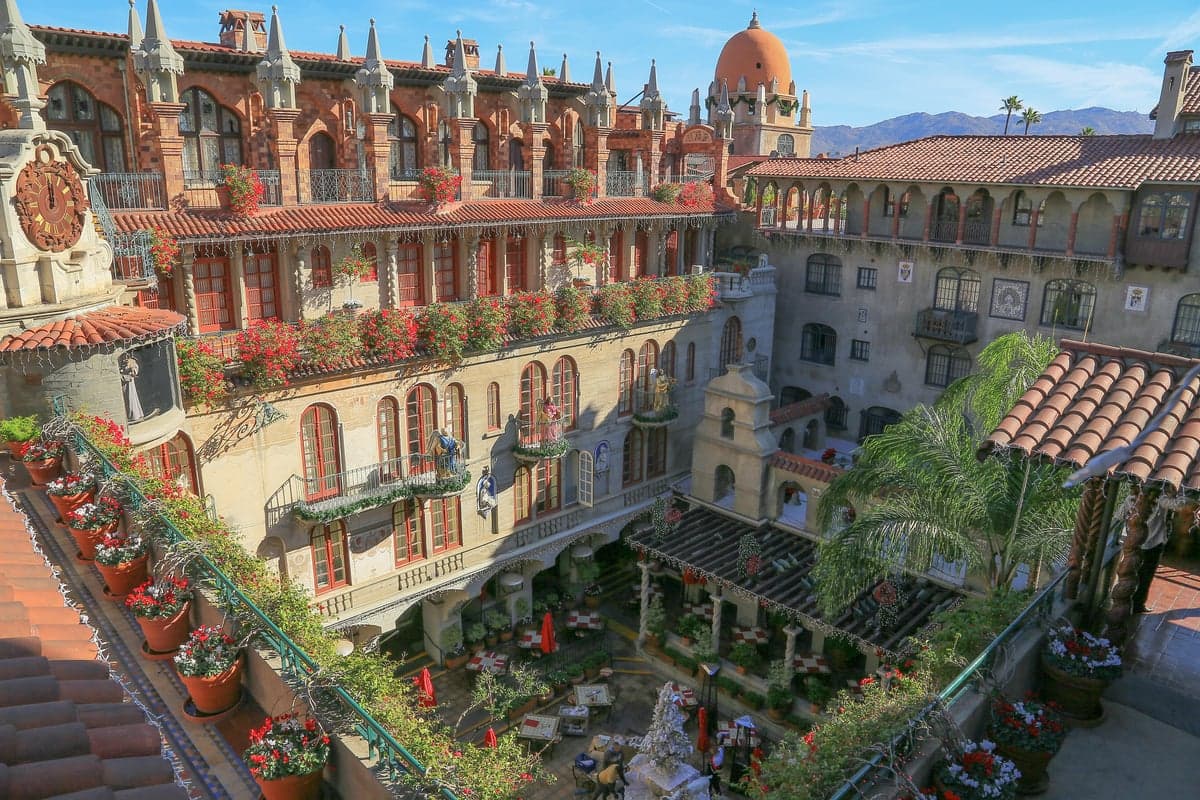
The county's western corridor, anchored by Riverside (pop. ~317,000) and Moreno Valley (pop. ~210,000), functions as the region's economic and demographic core. Daily life in these cities revolves around sprawling master-planned subdivisions, big-box retail corridors, and a growing number of warehouse and logistics centers tied to the Inland Empire's distribution economy. Riverside itself offers a historic downtown with the Mission Inn, UC Riverside, and a walkable core, while Moreno Valley is largely residential and car-dependent, with an average commute of 33.8 minutes — a figure that climbs higher for residents driving west to Orange or Los Angeles counties. Corona (pop. ~170,000) and Murrieta (pop. ~115,000) sit farther south, with Corona hugging the 91 freeway corridor and Murrieta offering newer subdivisions and a family-oriented suburban feel near Temecula's wine country. These population centers share a cost of living near the county median, with home values typically ranging from $450,000 to $600,000 for a single-family home.
Smaller towns & rural pockets
East of the suburban sprawl, the county opens into distinct smaller communities with their own identities. Palm Springs (pop. ~45,000) is the desert's most famous town, known for mid-century modern architecture, a vibrant LGBTQ+ scene, and resort amenities — but it sits at a higher price point, with median home values often exceeding $600,000. Nearby Palm Desert and La Quinta offer golf-course communities and seasonal snowbird populations. Further east, Blythe (pop. ~18,000) on the Arizona border is a true rural outpost, with a median home value around $200,000 and a cost of living well below the county average, drawing agricultural workers and those seeking the cheapest housing in Southern California. Idyllwild, a mountain village at 5,400 feet in the San Jacinto Mountains, provides a completely different lifestyle: pine forests, hiking, and a tight-knit artist community, but with limited services and a 45-minute drive to the nearest grocery store in Hemet. Unincorporated areas like Aguanga and Anza in the county's southern hills are sparsely populated, with large lots, horse properties, and a distinctly rural, off-grid character.
Cost & lifestyle range
The cost-of-living spread across Riverside County is wider than in most California counties. At the high end, Indian Wells and Rancho Mirage in the Coachella Valley feature gated golf communities with median home values above $800,000, while the western suburbs like Corona and Temecula sit near the county median of $510,300. At the low end, Desert Center (population under 200) and Mecca near the Salton Sea offer home values under $150,000, though with minimal employment, few services, and extreme summer heat. The lifestyle range is equally stark: a resident in western Riverside County can access 200+ restaurants, multiple hospitals, and freeway connections within 15 minutes, while someone in Lake Riverside or Mountain Center may drive 30 minutes to the nearest gas station. Renters face a countywide median of $1,814, but that figure drops to around $900 in Blythe and rises above $2,500 in Palm Springs for a one-bedroom apartment.
Who thrives in Riverside County? Commuters willing to trade time for space, retirees seeking dry desert air and lower taxes, and families priced out of coastal markets who still want a suburban yard. The county's vast geography means that a person's quality of life depends almost entirely on which specific town they choose — the difference between living in Corona and living in Blythe is larger than the difference between many entire states.

Crime in Riverside County
WARNING: The crime statistics are unreliable for this jurisdiction. Local authorities have either not reported or under reported their data to the FBI. This could be due to bad intentions, incompetence or technical issues. Regardless, we suggest skepticism.
Higher crime rates than 72% of comparable U.S. locations.
Violent CrimeViolent Crime Analysis
Property CrimeProperty Crime Analysis
Crime Analysis
Riverside County’s overall safety picture is mixed, with violent crime rates that track slightly above the national average but below some of California’s most dangerous urban cores, while property crime remains a persistent concern across the sprawling region. The county’s 2023 violent crime rate of 434.4 incidents per 100,000 residents sits roughly 20% higher than the national average of 380 per 100,000, but below the statewide California average of 442 per 100,000. Property crime, at 1,818.4 per 100,000, is notably higher than the national rate of 1,954 per 100,000 but lower than the California average of 2,100 per 100,000, reflecting the county’s mix of dense urban pockets and vast rural stretches.
Crime in context
When compared to other large Southern California counties, Riverside’s violent crime rate is lower than San Bernardino County’s (which hovers near 500 per 100,000) but higher than Orange County’s (roughly 280 per 100,000). Property crime in Riverside County is driven heavily by theft from vehicles and retail theft, particularly in commercial corridors along Interstates 10, 15, and 215. The county’s geography—spanning from the Coachella Valley to the Temecula Valley—creates stark contrasts: Palm Springs and Indio report higher property crime rates tied to tourism and seasonal population surges, while Murrieta and Temecula consistently post some of the lowest violent crime rates in the county, often below 200 per 100,000. The Riverside County District Attorney’s office, under progressive leadership in recent years, has faced criticism for declining to prosecute certain low-level property crimes and drug offenses, a policy that some law enforcement officials argue emboldens repeat offenders and contributes to the county’s elevated property crime totals.
What residents experience
Daily life for Riverside County residents varies dramatically by location. In Riverside city itself, the violent crime rate of roughly 480 per 100,000 is driven by gang-related activity in neighborhoods near the downtown core and along the 91 freeway corridor, while the city’s Canyon Crest and Woodcrest areas remain relatively safe. Perris and Moreno Valley report some of the highest violent crime rates in the county, with Perris exceeding 600 per 100,000 in recent years, fueled by property disputes and domestic violence incidents. Residents in these communities frequently cite concerns about car break-ins and package thefts, with police response times stretching 15-20 minutes in outlying areas. Conversely, La Quinta and Rancho Mirage in the Coachella Valley benefit from gated communities and robust private security patrols, keeping their violent crime rates below 250 per 100,000. The county’s judicial system, influenced by progressive district attorneys in the Riverside and Indio courthouses, has implemented diversion programs for non-violent offenders, which critics argue reduces accountability and allows property crime rings to operate with impunity.
Neighborhood-level variation is extreme across Riverside County’s 28 cities and unincorporated areas. The safest enclaves—Corona’s Horsethief Canyon, Temecula’s wine country, and the master-planned community of Eastvale—report violent crime rates below 150 per 100,000, comparable to the safest suburbs in Orange County. In contrast, the unincorporated communities of Mead Valley and Lakeview near Perris experience violent crime rates exceeding 700 per 100,000, with limited sheriff’s patrol coverage and high poverty levels. Property crime is a universal concern, but the risk is highest in areas with easy freeway access and transient populations: Blythe near the Arizona border reports property crime rates above 3,000 per 100,000, driven by theft from trucks and agricultural equipment. Residents considering relocation should prioritize cities with strong municipal police forces—such as Corona, Murrieta, and Temecula—over areas served by the county sheriff’s department, where response times and proactive enforcement vary widely.
* Values derived from national, state, county, city and local statistics and may differ in a specific area. Last updated: 2026-06-16T00:32:27.000Z
Narrative content on this page is AI-generated and may contain mistakes. Verify any details that matter before acting on them.
ReloMaps may earn a commission from affiliate links at no extra cost to you.

