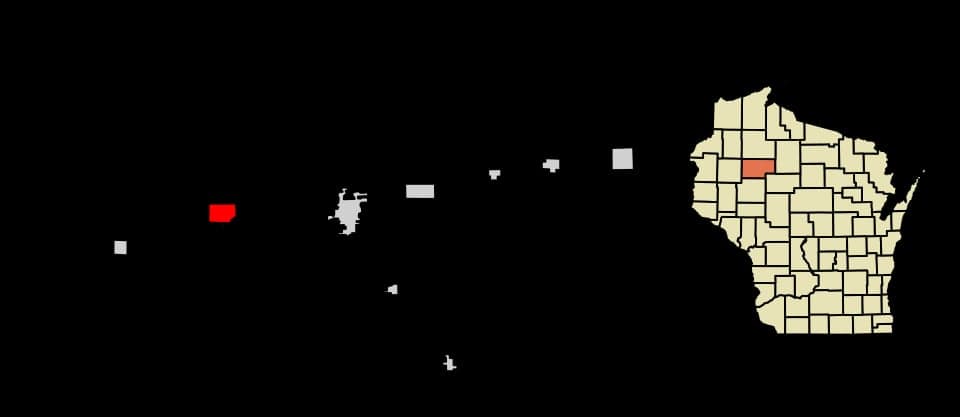
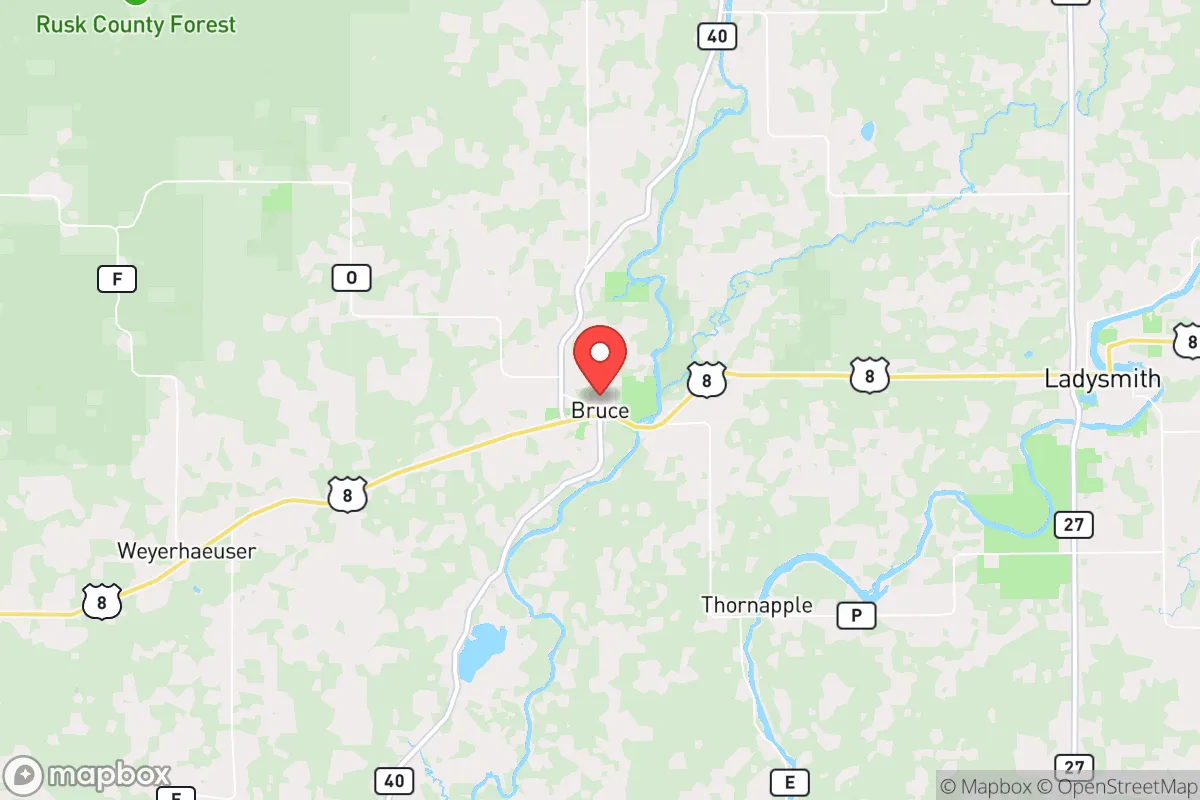
Photo: Wikipedia
Find The Best Places To Live
in Bruce
PRO TIP! You can paste a Zillow or Redfin link to get info on that property.
What It's Like Living in Bruce, WI
Bruce, Wisconsin, is the kind of place where you wave at every car you pass on Main Street, and the biggest decision on a Friday night is whether to grab a burger at the local tavern or head to the high school football game. With just 851 people, it’s a tight-knit, working-class community where everyone knows your name—and probably your truck, too. Life here moves at a slower, more deliberate pace, shaped by the rhythms of small-town living and the surrounding Rusk County landscape.
The Daily Rhythm in a Town of 851
Most days in Bruce start early. The median age here is just 32, which is surprisingly young for a rural Wisconsin town, and that’s largely because families with kids make up a big chunk of the population. People work in manufacturing, logging, and local services—the median household income sits at $44,688, which goes a long way thanks to a cost of living index of 45 (less than half the national average). You’ll see folks grabbing coffee at the gas station or the local diner before heading out for a commute that averages nearly 39 minutes one way, often to jobs in Ladysmith, Chetek, or even farther into Chippewa Falls or Eau Claire. That commute is the trade-off for affordable living: the median home value here is just $100,000, meaning a family can buy a solid three-bedroom house for what a down payment would cost in a bigger city.
Weekends are for practical things—mowing the lawn, fixing the boat, or hitting up a local hunting spot. There’s no mall, no chain coffee shop, and no traffic lights to speak of. Shopping means a trip to the local hardware store or a 20-minute drive to Ladysmith for groceries. But that’s not a complaint for most residents; it’s just how life works. People here value self-reliance and neighborly help, and you’ll often see a pickup truck stopped on the road while someone helps a friend change a tire.
Sports, Community, and Friday Night Lights
High school sports are the heartbeat of Bruce. The Bruce Red Raiders (part of the Lakeland North Conference) draw a huge chunk of the town to Friday night football games in the fall and basketball games in the winter. The gym gets loud, and the concession stand is a social hub. It’s not just about the game—it’s where you catch up on who’s having a baby, who’s selling a tractor, and who’s organizing the next fundraiser. For a town this size, the community support for the school is intense. The school itself is a central institution, hosting everything from community dinners to holiday concerts. Only about 6% of adults here hold a college degree, so the school is less about academic pressure and more about building character and keeping kids involved in something positive.
There’s no pro sports team within a hundred miles, but that doesn’t matter. The Green Bay Packers are a religion here—you’ll see “Go Pack Go” flags on porches and bumper stickers on every other truck. During football season, Sunday afternoons mean the local bars and taverns are packed with people in cheesehead hats, watching the game on a single TV mounted above the bar.
What’s There to Do? Honest Pros and Cons
Let’s be real: Bruce is not a nightlife destination. Entertainment means the local VFW hall, a couple of bars like the Rustic Tap, and seasonal events like the Bruce Summer Festival, which features a parade, live music, and a small carnival. Outdoor life is the real draw. The area is surrounded by lakes—Lake Holcombe, Lake Chetek, and the Chippewa River flow nearby—so fishing, boating, and hunting are year-round pastimes. In winter, snowmobiling and ice fishing take over. There’s also the Blue Hills to the south, offering hiking and off-road trails. If you need a movie theater or a sit-down restaurant with a wine list, you’re driving at least 30 minutes to Ladysmith or an hour to Eau Claire.
Pros: The cost of living is almost absurdly low—a family can live comfortably on a modest income. The community is genuinely supportive; if your house catches fire or a family member gets sick, neighbors will organize a meal train and a fundraiser before you even ask. Crime is low overall, though the violent crime rate of 237.4 per 100,000 is slightly above the national average, which locals attribute to a few isolated incidents rather than a pervasive problem. Cons: The commute is a real grind for anyone working outside town. Job options within Bruce itself are limited to a handful of small businesses, the school, and a few manufacturing plants. And if you’re not into hunting, fishing, or high school sports, you might find the social scene thin. There’s also a cultural conservatism here—most people are church-going, family-oriented, and wary of outsiders who try to change things. That’s comforting to some, stifling to others.
Weather, Seasons, and the Quirks of Small-Town Life
Winter is long and real. Snow starts in November and can stick through March, with temperatures often dipping below zero. Snowmobiles are a primary mode of recreation, and the town plows are efficient but not fast—you learn to keep a shovel in your car. Summers are warm and humid, perfect for lake days, but they’re short. The seasonal rhythm is a big part of life: spring means maple syrup tapping and mud season, summer is for festivals and fishing, fall is deer hunting (the town practically shuts down for opening weekend of gun deer season), and winter is for hunkering down. One quirk: the town’s water tower is painted with a giant buck, a nod to the hunting culture. You’ll also notice that most businesses close early, and many are closed on Sundays. It’s a place where the pace of life is dictated by the seasons and the school calendar, not by a 9-to-5 grind. If that sounds peaceful, Bruce might feel like home. If it sounds isolating, you’ll know pretty quickly.

* Values derived from national, state, county, city and local statistics and may differ in a specific area. Last updated: 2026-09-01T03:41:48.000Z
Narrative content on this page is AI-generated and may contain mistakes. Verify any details that matter before acting on them.
ReloMaps may earn a commission from affiliate links at no extra cost to you.

