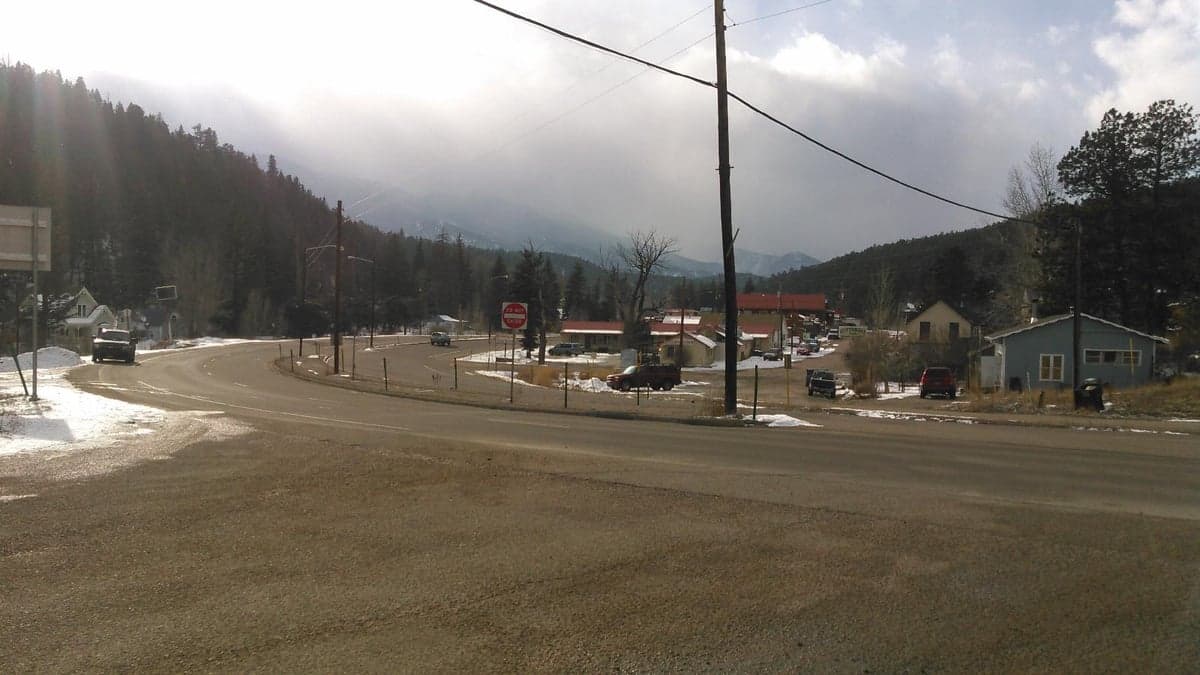
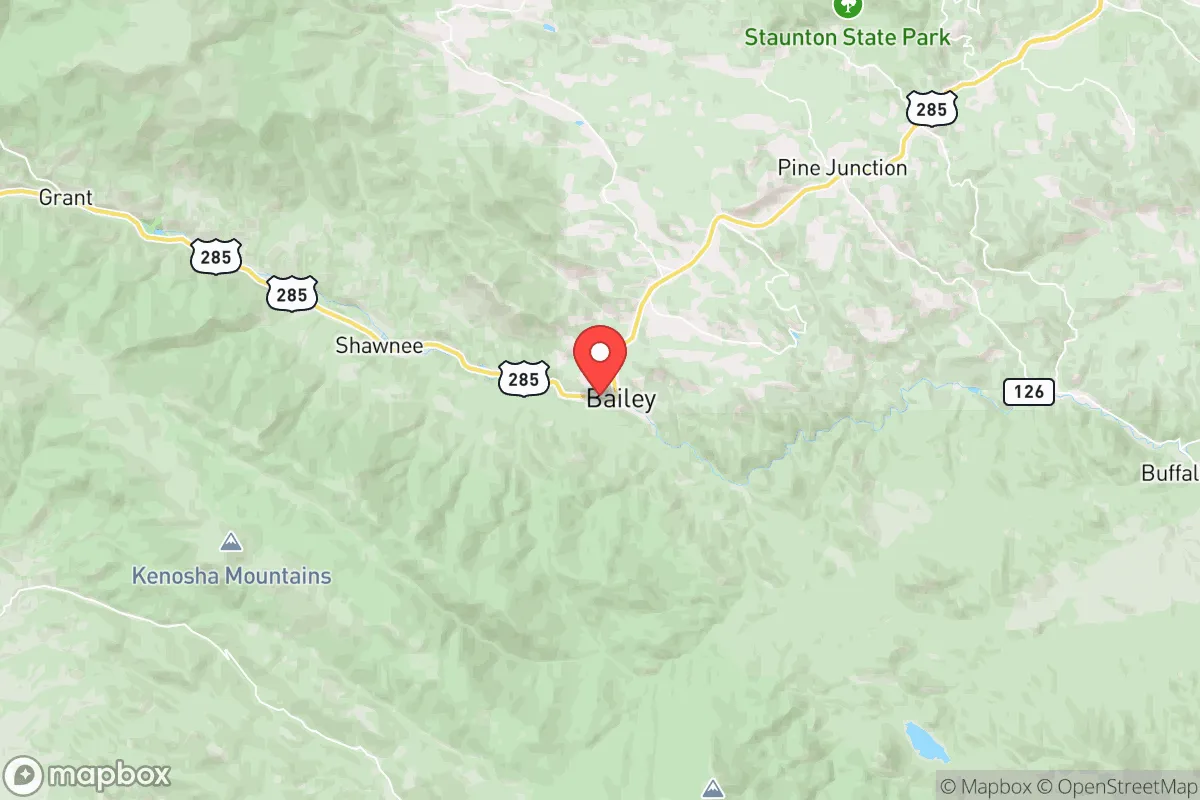
Photo: Wikipedia
Quality of Life in Bailey, CO
Above-average quality of iife. The area offers a reasonable cost of living, decent mobility, and a mix of neighborhood amenities.
What does Quality of Life tell us?
Quality of Life blends cost of living, nearby amenities, socioeconomic signals, and neighborhood character. City-level scores represent the whole municipality; individual neighborhoods can differ.
What does this tell us?
Quality of Life blends cost of living, nearby amenities, socioeconomic signals, and neighborhood character. City-level scores represent the whole municipality; individual neighborhoods can differ.
Cost of Living
82% above national average
The Real Cost of Living in Bailey, CO for 2026
| Tier | Individual | Family (4) |
|---|---|---|
| Survival | $28k | $54k |
| Comfortable | $80k | $118k |
| Luxury | $117k+ | $182k+ |
| Elite (Top 5%) | $138k+ | $214k+ |
86%
* median rent substituted from county-level data — local Census figures unavailable for small populations
The Area Signal
A metric tracking the socioeconomic signals of the area.
Hobbies
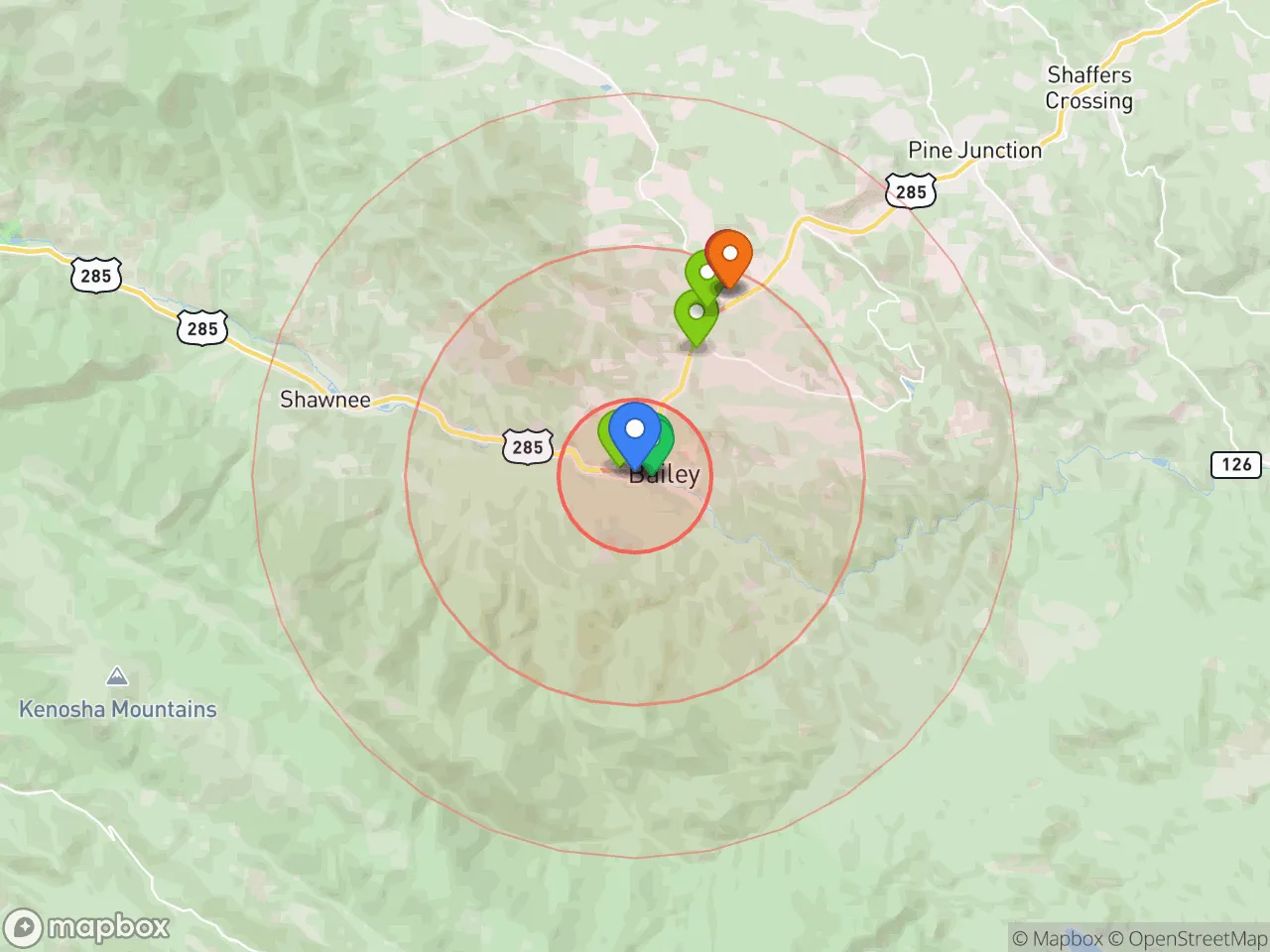
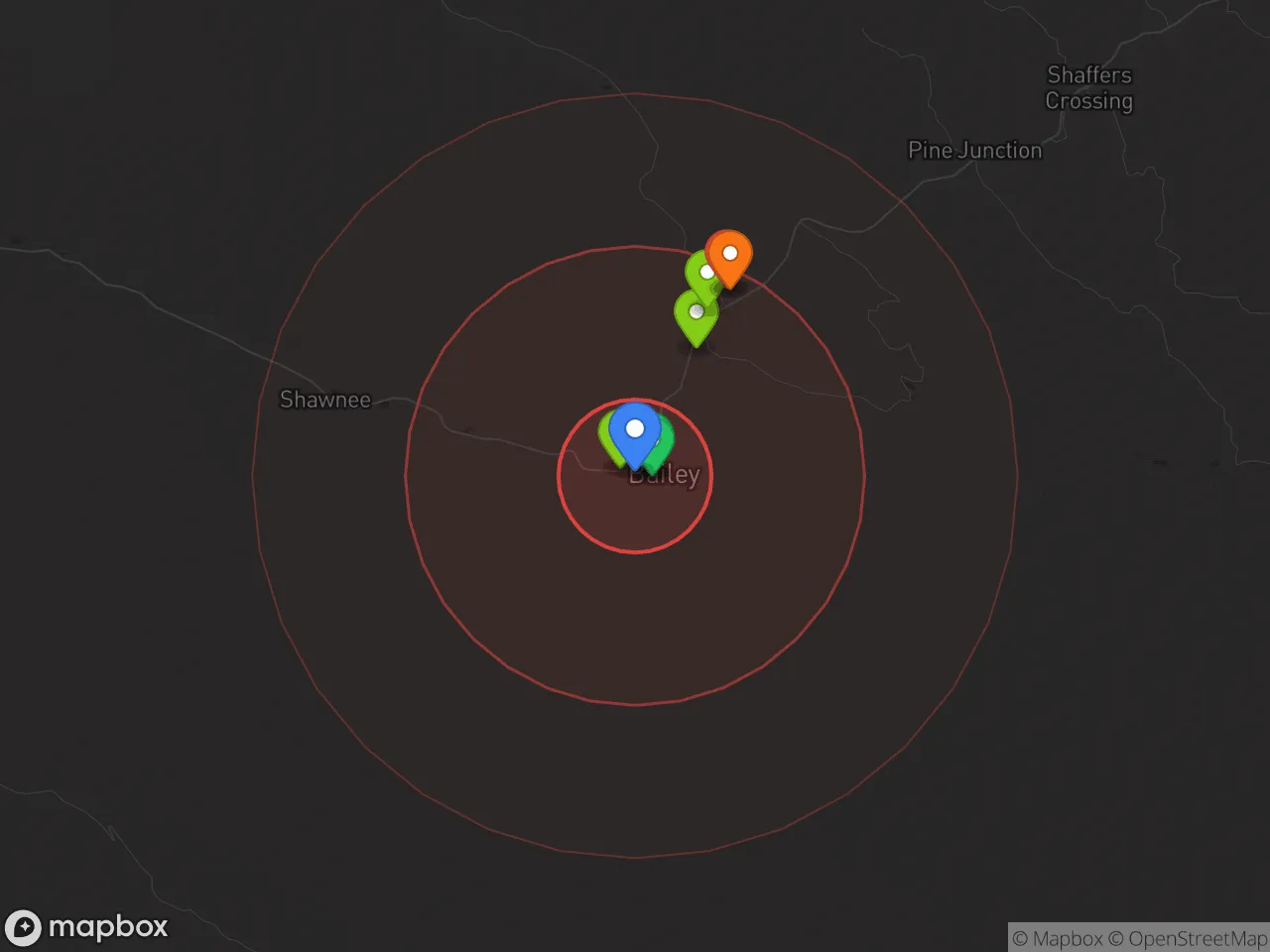
Explore the areaGroceries
0 within 10 miles
Gas
1 within 10 miles
Hospital
0 within 20 miles
Airport
DEN — Denver International
Post Office
USPS — Bailey, CO
Critical Amenities
Quality-of-Life Analysis
Bailey, Colorado, sits at roughly 8,000 feet in the South Park basin, and its quality of life is defined by a cost of living index of 182 — nearly double the U.S. average — paired with a median home value of $573,500. The community skews toward affluent second-home owners, remote workers, and outdoor recreationists who prioritize mountain solitude over urban convenience. This is not a bedroom suburb; it is a place where residents accept long commutes and limited services in exchange for direct access to Pike National Forest and the Platte River.
Cost of living and housing affordability compared to nearby towns
Bailey’s cost of living index of 182 reflects housing costs that far outpace the national median, but the picture is more nuanced when compared to its immediate neighbors. The median home value of $573,500 is roughly 15% lower than Conifer’s median of about $675,000, yet it runs nearly 40% higher than Fairplay’s median of around $410,000. Renters face a median monthly rent of $1,942, which is competitive with Denver’s metro average of $1,900 but buys significantly more square footage and land. The trade-off is stark: the average one-way commute runs 39.8 minutes, among the longest in Park County, as most working residents drive U.S. 285 to jobs in Denver, Littleton, or the Denver Tech Center. For buyers, the market is tight — inventory in the 80402 ZIP code typically hovers below 30 active listings, and properties under $500,000 are often snapped up within two weeks.
What daily life is like for families and remote workers
Daily life in Bailey revolves around a small but functional core along Highway 285. The Platte Canyon School District serves roughly 1,100 students across three schools, with Deer Creek Elementary and Fitzsimmons Middle School feeding into Platte Canyon High School, which posts a graduation rate near 90%. Grocery options are limited to a single full-service market, Loaf 'N Jug, plus a seasonal farmers market at the Bailey Community Center; most residents stock up in Conifer or drive 45 minutes to the King Soopers in Evergreen. Amenities are intentionally sparse — there is no hospital in town, with the nearest emergency room at St. Anthony Summit Hospital in Frisco, 40 miles west, or Swedish Medical Center in Englewood, 50 miles east. Instead, the area’s assets are natural: the Bailey Trailhead offers 12 miles of singletrack, the North Fork of the South Platte draws gold-medal trout anglers, and winter brings snowshoeing and backcountry skiing within 20 minutes. Internet access has improved markedly since 2022, with fiber now available in the downtown corridor, making Bailey viable for remote workers who can tolerate occasional winter outages.
Who thrives here is a specific profile: buyers who can absorb the 182 cost index without financing stress, value solitude over convenience, and treat the 40-minute commute as a scenic ritual rather than a burden. Retirees and seasonal residents fare best, as do remote workers with stable connectivity. Those needing frequent medical care, diverse schools, or walkable retail will find Bailey isolating. For the right household, the trade is straightforward — pay a premium for altitude, quiet, and recreation, and accept that the nearest Costco is an hour away.

Crime in Bailey, CO
Higher crime rates than 57% of comparable U.S. locations.
Violent CrimeViolent Crime Analysis
Property CrimeProperty Crime Analysis
Crime Analysis
Bailey, Colorado, presents a mixed safety picture for prospective residents. The town’s violent crime rate of 434.3 per 100,000 residents is roughly 24% above the national average, while its property crime rate of 2,215.3 per 100,000 is about 45% higher than the U.S. baseline. These figures place Bailey in a cautionary category for a small mountain community, though the character of crime here differs meaningfully from urban centers.
Crime in context
Bailey’s statistics are heavily influenced by its location along the U.S. 285 corridor, a primary artery connecting Park County to the Denver metro area. The town’s violent crime rate of 434.3 per 100K exceeds the Colorado statewide average of roughly 390 per 100K, but it remains far below the rates seen in Denver proper (which hovers near 700 per 100K). Property crime is the more pressing concern: at 2,215.3 per 100K, Bailey’s rate is nearly double the Colorado average of about 1,150 per 100K. Much of this is attributable to vehicle break-ins, theft from unoccupied mountain homes, and catalytic converter thefts — crimes of opportunity that spike along transit corridors. Notably, Park County’s sheriff’s office, which patrols Bailey, has a conservative, enforcement-first approach, and the county’s district attorney’s office is not known for progressive diversion policies. This means offenders who are caught in Bailey face traditional prosecution rather than lenient alternatives, a factor that partially mitigates the statistical risk.
What residents experience
For those living in Bailey, the day-to-day reality is more nuanced than the raw numbers suggest. The town’s violent incidents are rarely random; they cluster in a small number of known problem areas, including certain motels along Highway 285 and the immediate commercial strip near the Bailey Hill Road intersection. Domestic disputes and alcohol-fueled altercations account for most reported violent offenses, rather than stranger-on-stranger attacks. Property crime, however, touches residents more broadly. Unlocked vehicles are the single most common target, and law enforcement reports that a majority of thefts in Bailey involve opportunists testing door handles overnight. Residents who secure vehicles, use motion-sensor lighting, and participate in the Park County Neighborhood Watch program report significantly fewer incidents. The sheriff’s office maintains a visible presence, with deputies stationed in Bailey year-round, and response times in the town core average 10–15 minutes — slower than suburban Denver but faster than most rural Colorado communities.
Neighborhood-level variation is pronounced. The gated communities along North Foxton Road and the newer developments near Deer Creek Valley see almost no violent crime and only sporadic property offenses. In contrast, the older mobile home parks off County Road 43 and the rental-heavy areas near the Platte River bridge experience a disproportionate share of calls for service. Prospective buyers should prioritize homes with off-street parking and visible sightlines from neighbors, as these factors correlate more strongly with safety than the town’s aggregate statistics. While Bailey is not a high-crime destination, its property crime rate demands the same precautions one would take in a Denver suburb — and its violent crime rate, though elevated, is concentrated in a narrow set of circumstances that most residents will never encounter.
* Values derived from national, state, county, city and local statistics and may differ in a specific area. Last updated: 2026-10-15T02:37:20.000Z
Narrative content on this page is AI-generated and may contain mistakes. Verify any details that matter before acting on them.
ReloMaps may earn a commission from affiliate links at no extra cost to you.

