Photo: Wikipedia
Quality of Life in Arvada, CO
A high quality of life with strong walkability, manageable living costs, healthy neighborhood signals, and solid amenity access.
What does Quality of Life tell us?
Quality of Life blends cost of living, nearby amenities, socioeconomic signals, and neighborhood character. City-level scores represent the whole municipality; individual neighborhoods can differ.
What does this tell us?
Quality of Life blends cost of living, nearby amenities, socioeconomic signals, and neighborhood character. City-level scores represent the whole municipality; individual neighborhoods can differ.
Cost of Living
78% above national average
The Real Cost of Living in Arvada, CO for 2026
| Tier | Individual | Family (4) |
|---|---|---|
| Survival | $29k | $54k |
| Comfortable | $115k | $168k |
| Luxury | $168k+ | $260k+ |
| Elite (Top 5%) | $198k+ | $306k+ |
67%
The Area Signal
A metric tracking the socioeconomic signals of the area.
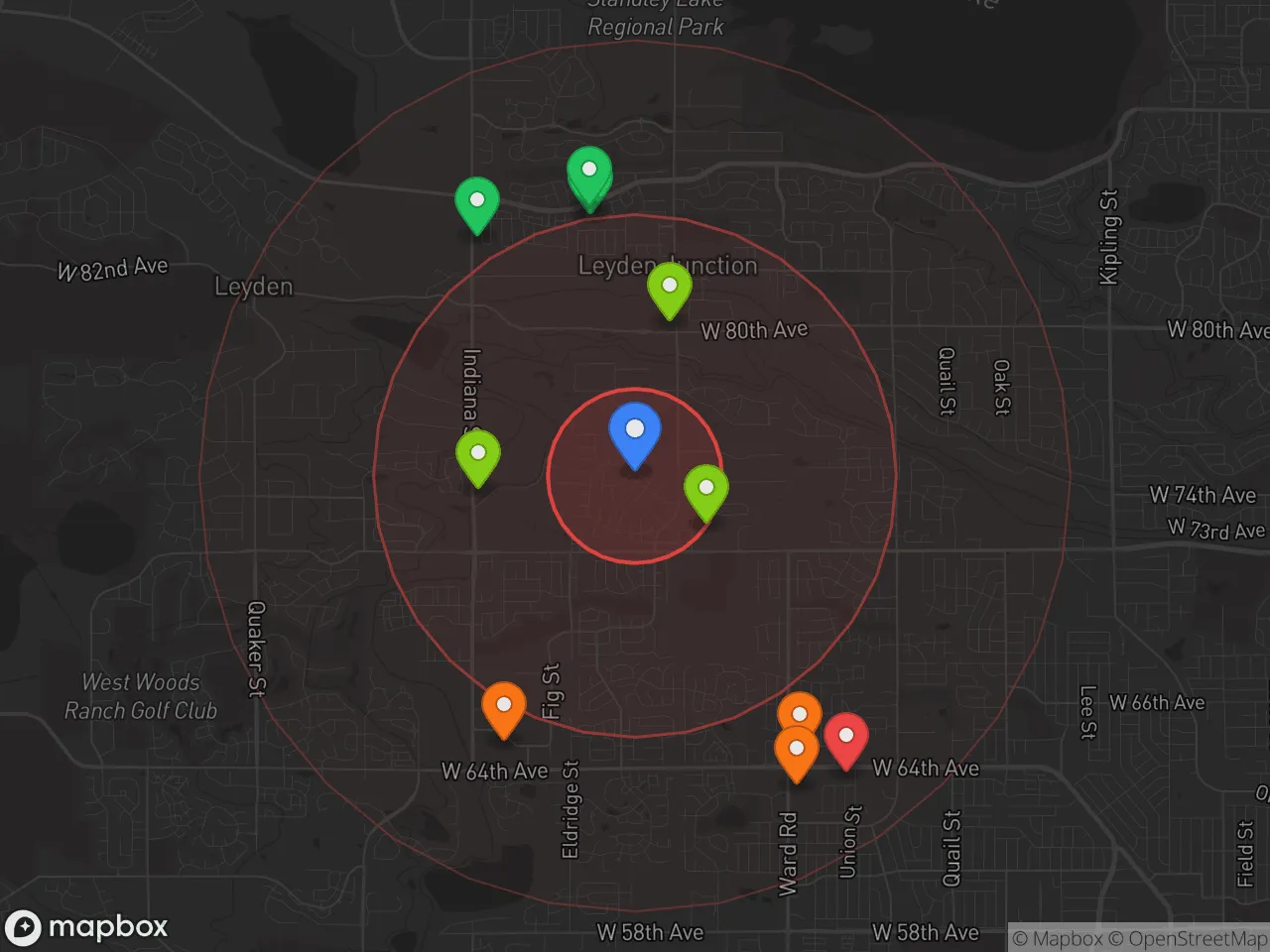
Hobbies
Explore the areaGroceries
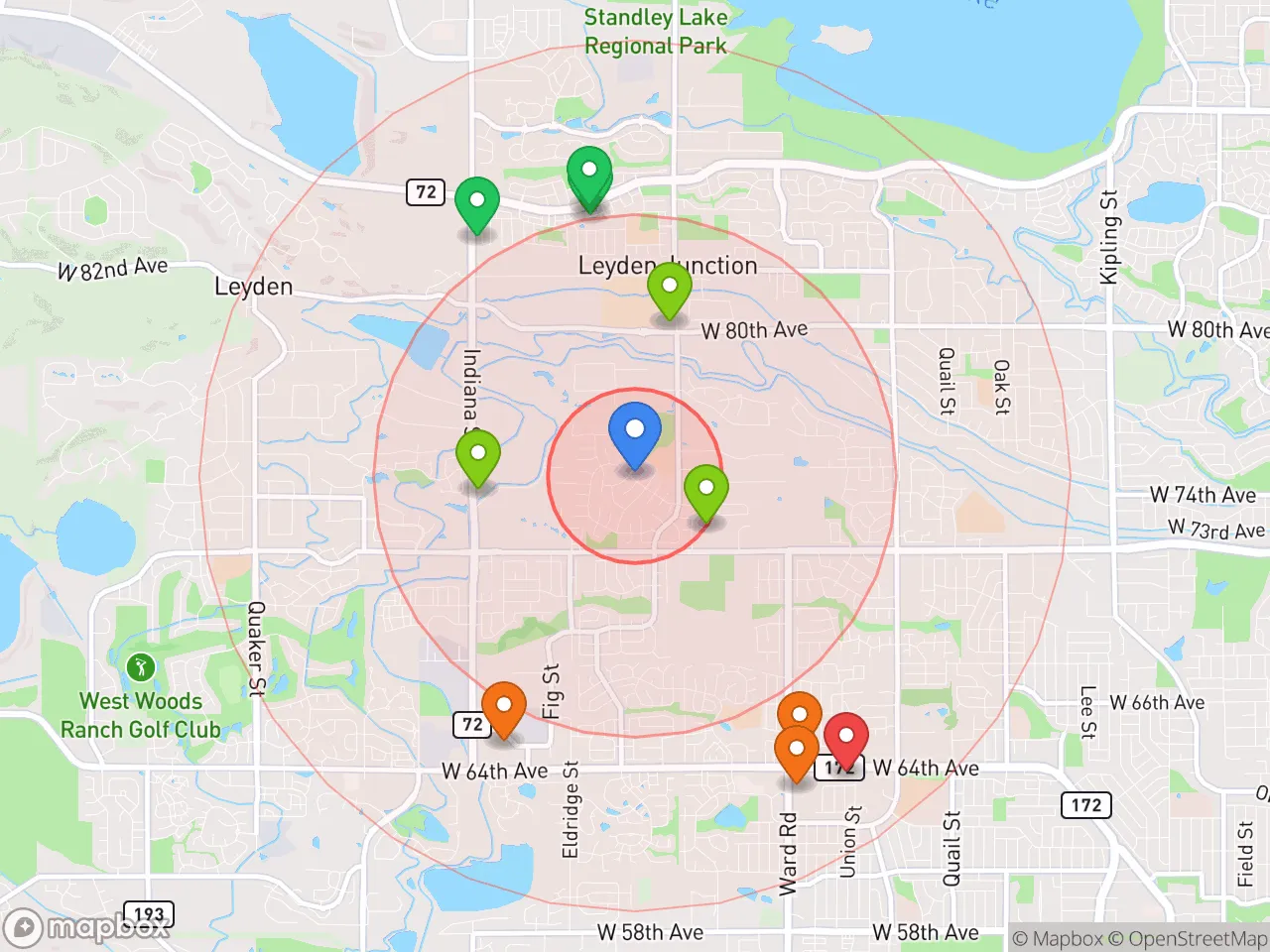
5 within 10 miles
Gas
20 within 10 miles
Hospital
20 within 20 miles
Airport
DEN — Denver International
Post Office
USPS — Arvada, CO
Critical Amenities
Quality-of-Life Analysis
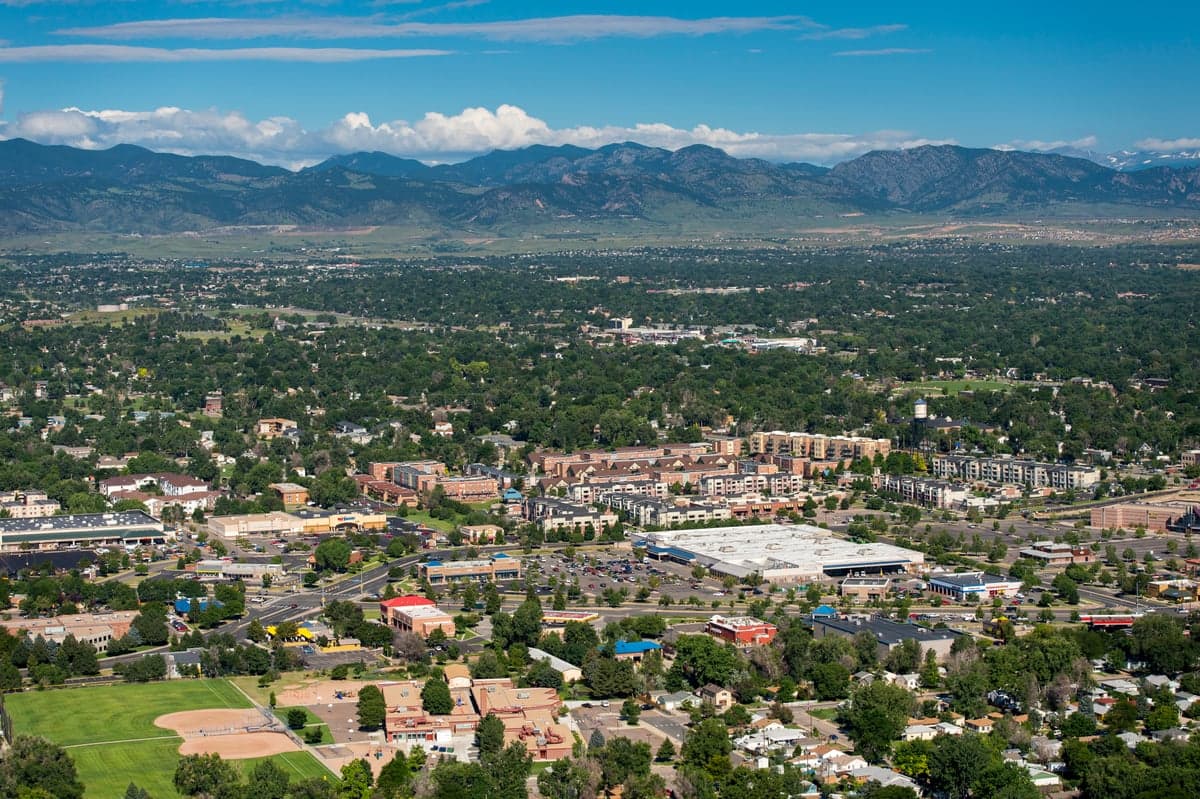
Arvada, Colorado, is an affluent Denver suburb where the median household income of roughly $100,000 supports a lifestyle centered on outdoor access and family-oriented stability. The city attracts a mix of young professionals, growing families, and long-term residents who value its blend of historic downtown charm and modern suburban convenience. With a cost of living index of 178 (78% above the U.S. average), Arvada commands a premium that reflects its proximity to both the Rocky Mountains and downtown Denver.
Cost of living, housing affordability, and how Arvada compares to nearby suburbs
Arvada’s cost of living is driven primarily by housing, with a median home value of $600,800 and a median rent of $1,802. While these figures are steep compared to the national median, they are notably lower than in Boulder (median home value ~$900,000) and comparable to Lakewood and Westminster. The average commute of 26.6 minutes is slightly longer than the Denver metro average, reflecting Arvada’s role as a bedroom community where many residents work in Denver or Boulder. Property taxes in Jefferson County are moderate, and Colorado’s flat income tax rate of 4.4% keeps take-home pay competitive. For renters, the $1,802 median rent is roughly $200 less than in downtown Denver, making Arvada a more affordable entry point for those who want suburban space without sacrificing city access.
What daily life is like for families: schools, parks, and local amenities
Daily life in Arvada revolves around its strong public school system, with Jefferson County Public Schools operating highly rated elementary and middle schools like Vanderhoof Elementary and Oberon Middle School. The city is also home to Arvada West High School, known for its competitive athletics and STEM programs. Beyond schools, the city boasts over 100 parks and 140 miles of trails, including the popular Ralston Creek Trail and the 40-acre Majestic View Nature Center. The historic Olde Town Arvada district serves as the social and commercial hub, featuring locally owned restaurants, breweries, and a farmers market that runs from June through October. For daily errands, residents rely on the Arvada Marketplace and the sprawling Colorado Mills shopping center in nearby Lakewood. The city’s light rail station (G Line) connects directly to Denver Union Station in about 30 minutes, offering a car-free alternative for commuters.
Who thrives in Arvada and what to consider before moving
Arvada is best suited for families and professionals who prioritize access to outdoor recreation and a slower pace than central Denver, but who still need a reasonable commute to the city. The city’s strong sense of community, low violent crime rate (roughly half the national average), and well-maintained public spaces make it a top choice for those raising children. However, the high cost of living and limited nightlife may deter single young adults or those on tighter budgets. Renters should also note that the rental market is tight, with vacancy rates below 4% in 2025. For buyers, the $600,800 median home value means a down payment of at least $120,000 is typical, making homeownership a stretch for first-time buyers without significant savings. Overall, Arvada delivers a high quality of life for those who can afford its premium, offering a safe, active, and connected suburban experience.

Crime in Arvada, CO
Crime rates similar to the national median for U.S. locations.
Violent CrimeViolent Crime Analysis
Property CrimeProperty Crime Analysis
Crime Analysis
Arvada, Colorado, presents a mixed safety profile for prospective residents. While the city’s violent crime rate of 306.8 per 100,000 residents is below the national average, its property crime rate of 2,333 per 100,000 is notably higher, reflecting a common challenge in Denver’s suburban ring. The overall safety picture is further complicated by the progressive judicial environment in Jefferson County and the broader Denver metro area, where lenient sentencing and district attorney policies have raised concerns about recidivism and public safety.
Crime in context
Arvada’s violent crime rate of 306.8 per 100,000 is roughly 15% lower than the U.S. average of about 380 per 100,000, placing it in a safer tier than nearby Denver (which exceeds 700 per 100,000). However, the property crime rate of 2,333 per 100,000 is significantly higher than the national average of approximately 1,950 per 100,000. This disparity is driven largely by thefts from vehicles and residential burglaries, which are common across the Front Range. The presence of progressive district attorneys in the 1st Judicial District (Jefferson and Gilpin counties) has been linked to reduced prosecution rates for property crimes and lower bail amounts, meaning repeat offenders are often released quickly. This judicial philosophy, while intended to reduce incarceration, directly contributes to higher property crime volumes as criminals face minimal consequences.
What residents experience
For daily life in Arvada, the most tangible safety concern is property crime. Residents report frequent incidents of package theft, car break-ins, and garage burglaries, particularly in neighborhoods near major transit corridors like Wadsworth Boulevard and the I-70 corridor. Violent crime is less common but not absent; incidents tend to cluster around commercial areas and apartment complexes. The progressive policies of local judges and the district attorney’s office mean that even when arrests are made, offenders often receive deferred judgments or short sentences, leading to a revolving-door effect. This is a negative for public safety, as it undermines deterrence and leaves victims feeling that the justice system prioritizes offender rehabilitation over community protection. Residents should invest in home security systems, avoid leaving valuables in vehicles, and stay informed about local crime alerts.
Neighborhood-level variation is significant. Older, established areas like the Avenues (near Olde Town Arvada) and the Ralston Valley region generally report lower crime rates, while newer developments near the Westminster border and along the 76 corridor see higher property crime. The city’s police department has a strong community presence, but its effectiveness is constrained by the broader judicial environment. For those considering a move, Arvada offers a relatively safe suburban feel compared to central Denver, but the progressive justice system’s impact on property crime and recidivism is a legitimate concern that warrants careful neighborhood selection and proactive security measures.
* Values derived from national, state, county, city and local statistics and may differ in a specific area. Last updated: 2026-05-02T00:49:28.000Z
Narrative content on this page is AI-generated and may contain mistakes. Verify any details that matter before acting on them.
ReloMaps may earn a commission from affiliate links at no extra cost to you.

