Photo: Wikipedia
Quality of Life in Independence County
A livable area that tracks near national norms for affordability, walkability, and neighborhood health.
What does Quality of Life tell us?
Quality of Life measures an area by evaluating factors like cost of living, nearby amenities, country club access, airport proximity, socioeconomic signals and neighborhood character. For large states, this is a general average — quality of life can vary dramatically between metro areas, suburbs, and rural communities within the same state.
What does this tell us?
Quality of Life measures an area by evaluating factors like cost of living, nearby amenities, country club access, airport proximity, socioeconomic signals and neighborhood character. For large states, this is a general average — quality of life can vary dramatically between metro areas, suburbs, and rural communities within the same state.
Cost of Living
41% below national average
163%
The Real Cost of Living in Independence County for 2026
| Tier | Individual | Family (4) |
|---|---|---|
| Survival | $13k | $24k |
| Comfortable | $23k | $34k |
| Luxury | $101k+ | $157k+ |
| Elite (Top 5%) | $128k+ | $199k+ |
Quality-of-Life Analysis
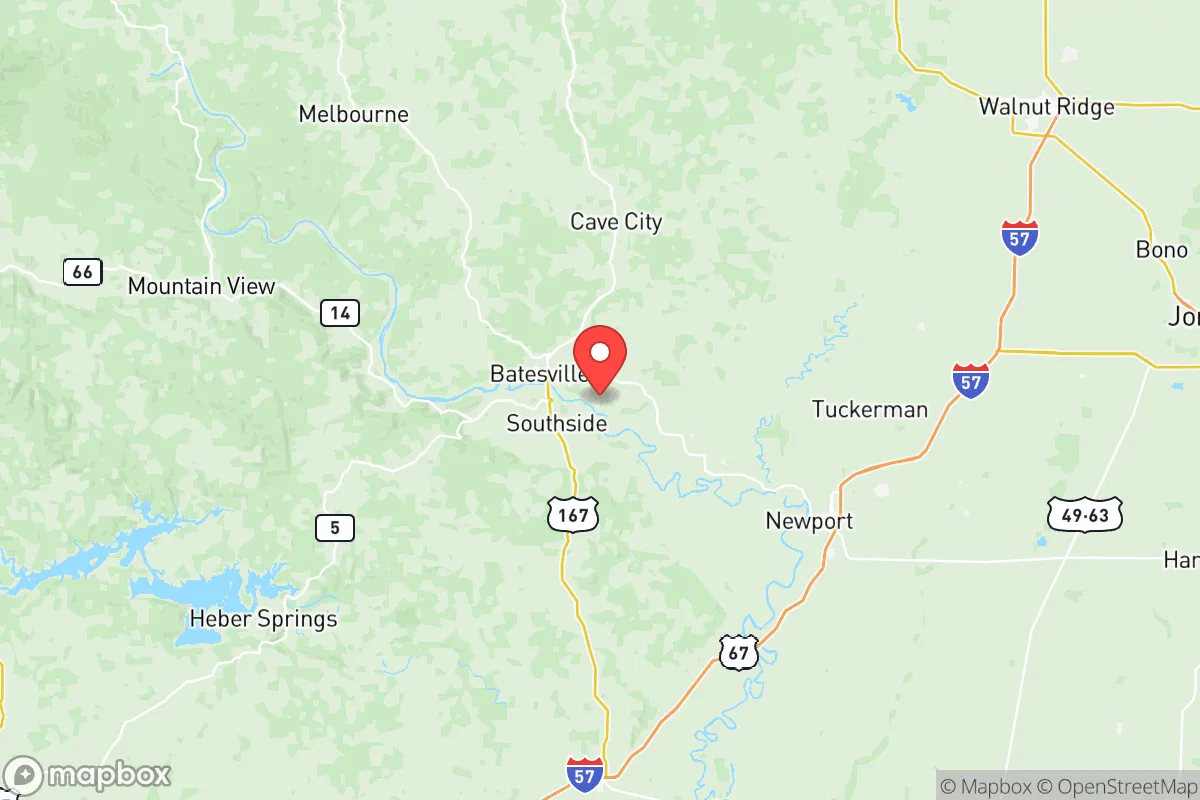
Independence County, Arkansas, offers a meaningful quality-of-life spectrum that ranges from the historic river town of Batesville to remote, unincorporated communities like Oil Trough and Newark, attracting everyone from college faculty and healthcare professionals to farmers and remote workers seeking land and quiet. This county, anchored by the White River and the rugged foothills of the Ozarks, provides a distinct choice between walkable, amenity-rich small-city living and deeply rural, self-sufficient homesteading. For households earning the median income of roughly $50,000, the county’s exceptionally low cost-of-living index of 59 (100 = US average) makes both ends of this spectrum financially accessible.
Largest town(s) & population centers
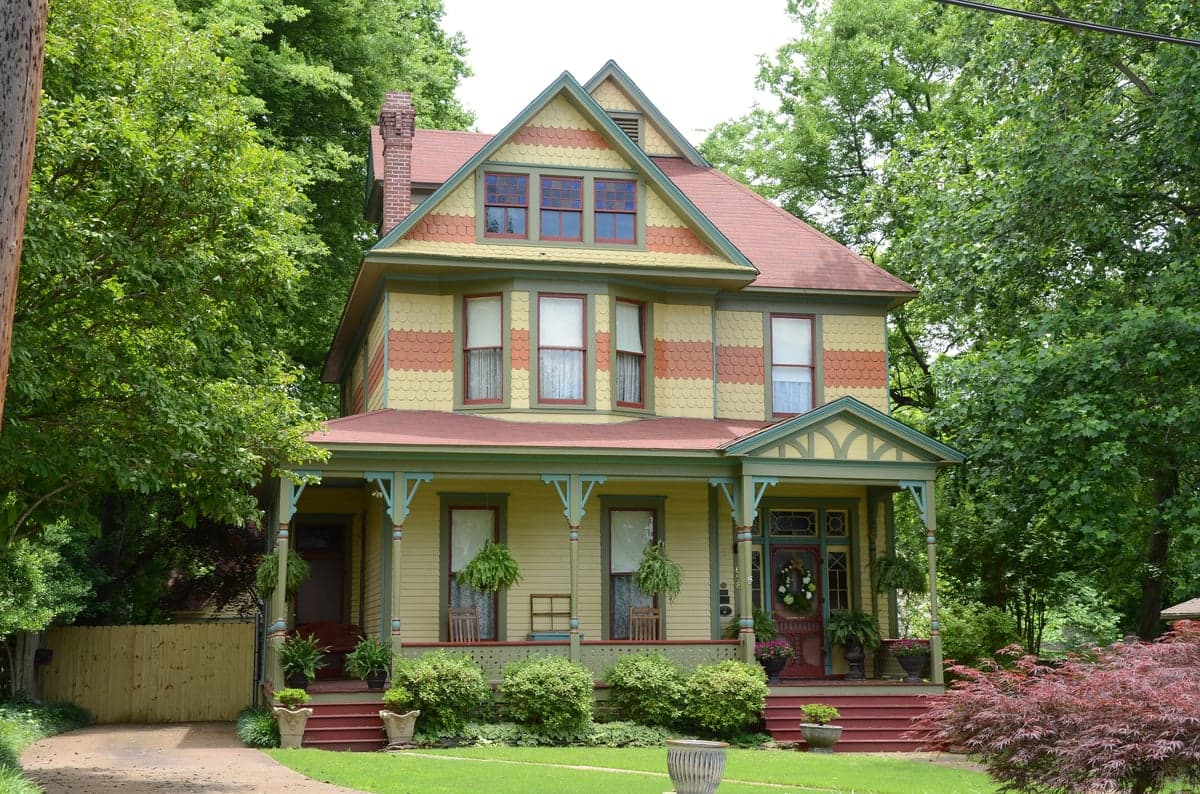
Batesville, the county seat and home to roughly 11,000 residents, is the undisputed hub. Daily life here centers on the University of Arkansas Community College at Batesville (UACCB) and the two major regional employers: White River Health System (the county’s largest employer with over 1,500 staff) and Independence County’s industrial park, which hosts manufacturers like Bemis Associates and Gencorp. The historic downtown along Main Street features locally owned coffee shops, the restored Melody Theater, and the Arkansas Shakespeare Theatre. Housing options range from Victorian homes near the Old Independence Regional Museum to newer subdivisions on the city’s west side. With a median home value of $120,500 and median rent of $814, a two-bedroom apartment here is roughly $350 cheaper per month than the national average. The average commute across the county is 20.2 minutes, but within Batesville it is even shorter, often under 15 minutes. The nightly scene is quiet overall, anchored by the family-friendly Batesville Aquatic Center and seasonal events like the White River Water Carnival.
Smaller towns & rural pockets
South of Batesville, Newark (pop. 1,100) offers a classic small-town walkable square with a grocery store and a dollar store, drawing residents who work in Batesville’s industrial park but prefer a 15-minute country drive home. Oil Trough, with fewer than 250 residents, is a Census-designated place where the only commercial property is a gas station, and residents rely on well water and septic systems. Moorefield and Pleasant Plains (pop. 350) are unincorporated crossroads with volunteer fire departments and no retail beyond a country store. Cushman (pop. 450), nestled along the White River, is known for its gravel-bottom boat ramp and the Cushman Country Store, a gathering place. These rural pockets share Independence County’s low property taxes but face trade-offs: the closest hospital or large grocery store may be 20–30 minutes away. Fiber-optic internet from Arkansas Fiber is available in Newark and parts of Moorefield, but Oil Trough and rural areas east of Highway 69 often rely on satellite or fixed wireless from ReserveTel.
Cost & lifestyle range
The cost spread is dramatic but not wide. At the highest end, newer four-bedroom homes in Batesville’s Greystone Subdivision or near Lyon College sell for $220,000–$280,000, keeping monthly mortgage payments under $1,500. This is the “urban” end of the spectrum: walkable to a coffee shop and a library, with trash pickup and city water included in a $25–$35 monthly city tax. At the lowest end, a 3-bedroom house in Oil Trough or rural Southside (a census-designated place) might sell for $65,000–$85,000, with homeowners carrying their own septic maintenance and hauling propane for heating. Rent in Oil Trough is almost nonexistent as a market; most housing is owner-occupied mobile homes or older stick-built houses. Utility costs in rural areas run $150–$200 per month higher than in town due to propane and well-pump electricity. The median home value of $120,500 is the midpoint, representing a solid three-bedroom brick home in Newark or a townhouse in Batesville’s Meadowbrook neighborhood. Overall, Independence County offers one of the lowest housing burdens in Arkansas: a family earning the county’s median household income of roughly $46,000 can afford a median-priced home on a standard 30-year mortgage without cost burden.
Who thrives in this county? Independence County works best for those who want a genuinely low-cost base with outdoor recreation (White River fishing, canoeing) and a choice of social arrangements. Families with school-age children benefit from Batesville’s two well-regarded public elementary schools and the proximity to Lyon College for dual-enrollment. Retirees on fixed incomes find the low property taxes (roughly 0.45% of assessed value) and cheap utilities compelling. Remote workers who need reliable internet are best served by Batesville’s FTTH coverage; those willing to sacrifice connectivity for land and total privacy can consider Newark or Moorefield. The county is less suited to young singles seeking nightlife or a professional peer group outside medicine or education — those draw often requires commuting to Little Rock (90 minutes) or Jonesboro (60 minutes).

Crime in Independence County
Crime rates similar to the national median for U.S. locations.
Violent CrimeViolent Crime Analysis
Property CrimeProperty Crime Analysis
Crime Analysis
Independence County, Arkansas, reports a violent crime rate of 523.1 per 100,000 residents and a property crime rate of 1,634.7 per 100,000, placing it above both state and national averages for violent offenses. The county's overall safety picture is mixed, with significant variation between its urbanized areas and rural communities. Batesville, the county seat and largest city, experiences the majority of reported incidents, while smaller towns like Newark, Sulphur Rock, and Magness tend to have significantly lower crime volumes.
Crime in context
Independence County's violent crime rate of 523.1 per 100,000 is roughly 50% higher than the national average of approximately 370 per 100,000 and substantially above the Arkansas state average of about 530 per 100,000. Property crime, at 1,634.7 per 100,000, aligns closely with the state average but exceeds the national rate of roughly 1,950 per 100,000. The county's 16th Judicial District, which prosecutes cases in Batesville and surrounding areas, operates under a state-level framework that generally avoids the progressive prosecutorial reforms seen in large metro counties like Pulaski County (Little Rock) or Washington County (Fayetteville). This is a positive factor for public safety, as district attorneys in smaller Arkansas counties typically prioritize traditional law enforcement approaches. The judges in the 16th Judicial District are elected in a nonpartisan manner, but the political culture of the district leans conservative, minimizing the risk of soft-on-crime judicial policies that can increase recidivism and embolden offenders.
What residents experience
Batesville, home to roughly 11,000 residents and major employers like the University of Arkansas Community College at Batesville and White River Health System, concentrates most of the county's crime. The violent crime rate in Batesville itself is estimated to be higher than the countywide figure, driven by aggravated assaults and domestic violence incidents. Property crimes, including burglary and theft, are most common in areas near U.S. Highway 167 and along the Main Street corridor. In contrast, residents in Newark (pop. 1,100) and Sulphur Rock (pop. 450) report far fewer incidents per capita, often describing their communities as tight-knit and safe for evening walks. The town of Cushman (pop. 450) and the rural stretches near the White River offer more isolated living, where property crimes like farm equipment theft occasionally occur but violent crime is rare. Residents in these smaller communities generally feel secure locking doors only at night, a sentiment less common in Batesville's more densely populated neighborhoods.
Neighborhood-level safety varies notably even within Batesville. The area around the courthouse square and the historic district near East College Street tend to see lower crime rates due to higher police presence and community watch efforts. Conversely, areas near the industrial parks and apartment complexes along Harrison Street have higher concentrations of police calls. The absence of progressive criminal justice policies—such as cash bail elimination or pretrial diversion programs for violent offenders—in the 16th Judicial District means that repeat property offenders and those convicted of violent acts face more consistent incarceration, which likely helps contain crime rates from rising further. For newcomers, selecting a home in the outlying towns of Pleasant Plains or Magness offers the safest daily experience, with crime rates a fraction of Batesville's and a realistic expectation of leaving doors unlocked—a luxury that carries risks in the county's urban core.
* Values derived from national, state, county, city and local statistics and may differ in a specific area. Last updated: 2026-06-22T03:30:56.000Z
Narrative content on this page is AI-generated and may contain mistakes. Verify any details that matter before acting on them.
ReloMaps may earn a commission from affiliate links at no extra cost to you.

