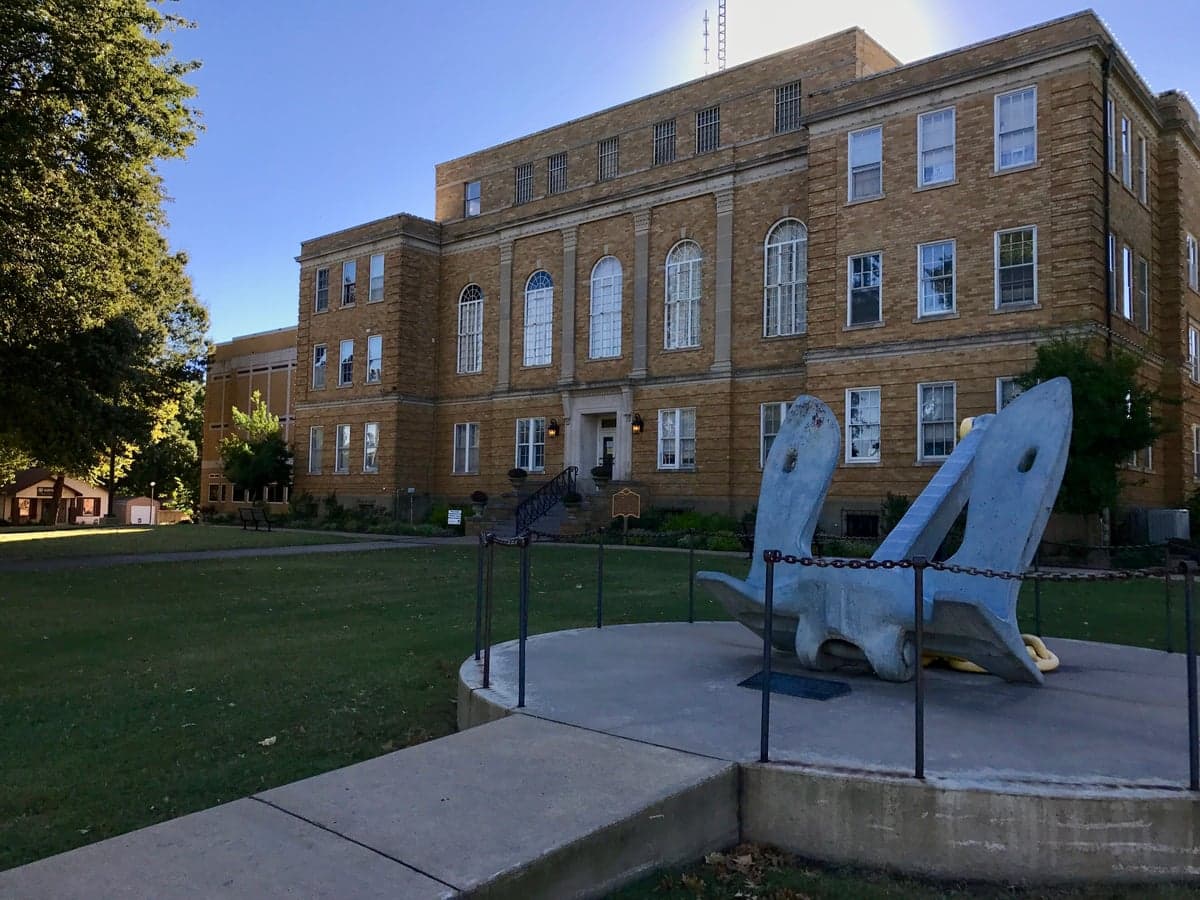
Photo: Wikipedia
Quality of Life in Faulkner County
A livable area that tracks near national norms for affordability, walkability, and neighborhood health.
What does Quality of Life tell us?
Quality of Life measures an area by evaluating factors like cost of living, nearby amenities, country club access, airport proximity, socioeconomic signals and neighborhood character. For large states, this is a general average — quality of life can vary dramatically between metro areas, suburbs, and rural communities within the same state.
What does this tell us?
Quality of Life measures an area by evaluating factors like cost of living, nearby amenities, country club access, airport proximity, socioeconomic signals and neighborhood character. For large states, this is a general average — quality of life can vary dramatically between metro areas, suburbs, and rural communities within the same state.
Cost of Living
19% below national average
108%
The Real Cost of Living in Faulkner County for 2026
| Tier | Individual | Family (4) |
|---|---|---|
| Survival | $16k | $29k |
| Comfortable | $41k | $60k |
| Luxury | $117k+ | $181k+ |
| Elite (Top 5%) | $137k+ | $213k+ |
Quality-of-Life Analysis
Faulkner County, Arkansas, offers a broad quality-of-life spectrum that ranges from the college-town energy and suburban growth of Conway to the quiet, rural rhythms of communities like Guy and Damascus. With a cost of living index of 81 (19% below the national average), a median home value of $211,300, and a median rent of $980, the county attracts a diverse mix of university faculty, commuters to Little Rock, retirees seeking affordability, and families looking for land without sacrificing proximity to amenities.
Largest town(s) & population centers
Conway is the county seat and by far the largest population center, home to roughly 65,000 residents and three major universities: the University of Central Arkansas, Hendrix College, and Central Baptist College. Daily life in Conway is defined by a robust local economy anchored by major employers like Acxiom, Hewlett Packard Enterprise, and the Arkansas Center for Data Sciences. The town offers a full range of amenities, including multiple grocery chains, the Conway Regional Health System, and a historic downtown with restaurants and live music venues. The average commute in Faulkner County is 25.4 minutes, which is manageable for Conway residents, though those working in Little Rock (about 30 miles south) face a slightly longer drive on I-40. Conway’s housing market reflects its desirability: median home values hover near the county average, but newer subdivisions in the western and southern parts of town push prices higher, while older neighborhoods near the university offer more affordable entry points.
Smaller towns & rural pockets
Outside Conway, the county’s smaller communities offer distinctly different lifestyles. Greenbrier (pop. ~5,000) is a growing bedroom community with a strong school system and easy access to the Greers Ferry Lake area, appealing to families who want a small-town feel with a 15-minute drive to Conway. Vilonia (pop. ~4,000) has a tight-knit, rural character and is known for its annual Vilonia Day festival; it sits along Highway 64 and provides a slower pace while still being within a 20-minute commute to Conway. Mayflower (pop. ~2,000) lies on the county’s southern edge, closer to Lake Conway, and attracts anglers and retirees with its waterfront properties and lower home prices. Further north, Guy and Damascus are unincorporated communities where homes on acreage can be found for well under the county median, and where daily life revolves around local churches, volunteer fire departments, and the Ozark foothills landscape. Wooster and Mount Vernon are similarly rural, with limited commercial services but strong community ties.
Cost & lifestyle range
The cost of living and lifestyle options in Faulkner County vary significantly by location. At the higher end, Conway’s newer developments—such as the Mayflower area near Lake Conway or the southwest Conway neighborhoods near the interstate—offer homes in the $300,000–$500,000 range, with median rents near the county average of $980 but often exceeding $1,200 for newer apartments. At the lower end, rural communities like Guy and Damascus offer median home values well below $200,000, with some properties under $150,000, and rents that can dip below $700 for older homes or mobile homes on land. The trade-off is clear: Conway provides walkable neighborhoods, entertainment, and employment, while the smaller towns and rural pockets offer more land, privacy, and lower costs but require driving for most errands and services. The county’s overall COL index of 81 makes it one of the more affordable options in central Arkansas, but the spread between Conway’s suburban convenience and the outlying areas’ rural affordability is substantial.
Faulkner County is best suited for people who want a mix of urban and rural options within a single county. Young professionals and academics thrive in Conway’s college-town atmosphere, while families and retirees often prefer the quieter, more affordable communities of Greenbrier, Vilonia, or the lake-oriented areas around Mayflower. The county’s low cost of living, reasonable commute times, and access to both the Arkansas River Valley and the Ozark foothills make it a practical choice for those who need to be near Little Rock but want to live in a smaller, more affordable setting.

Crime in Faulkner County
Crime rates similar to the national median for U.S. locations.
Violent CrimeViolent Crime Analysis
Property CrimeProperty Crime Analysis
Crime Analysis
Faulkner County, Arkansas, presents a mixed safety picture: its violent crime rate of 525.4 per 100,000 residents is notably higher than both the state and national averages, while its property crime rate of 1,639 per 100,000 sits closer to the national median. The county's largest city, Conway, anchors the region as a growing college town and bedroom community for Little Rock, but crime patterns vary significantly between its incorporated towns and unincorporated areas. Understanding where crime concentrates and how local justice systems operate is essential for anyone considering relocation to this central Arkansas county.
Crime in context
Faulkner County's violent crime rate exceeds the Arkansas state average of roughly 530 per 100,000 and is well above the national rate of about 380 per 100,000. The property crime rate of 1,639 per 100,000 is slightly below the Arkansas average of approximately 2,100 per 100,000 but remains elevated compared to the safest U.S. counties. Aggravated assault accounts for the majority of violent offenses, while burglary and larceny-theft dominate property crime reports. The presence of the University of Central Arkansas in Conway contributes to a younger, transient population that can inflate both crime categories, particularly theft from vehicles and simple assaults near campus. By contrast, smaller towns like Greenbrier and Vilonia report significantly lower crime rates, often 30-50% below the county average, making them attractive alternatives for families seeking quieter surroundings.
What residents experience
Daily life in Faulkner County varies sharply by jurisdiction. Conway residents frequently encounter property crime—vehicle break-ins, package theft, and bicycle theft are common near the university and along the Dave Ward Drive corridor. Violent crime, while less frequent, tends to cluster in specific apartment complexes and neighborhoods east of Interstate 40. The Faulkner County Sheriff's Office patrols unincorporated areas and towns like Mayflower and Holland, where crime rates are lower but response times can be longer due to the county's rural geography. A significant concern for residents is the progressive-leaning judicial philosophy in the 20th Judicial District, which covers Faulkner County. District attorneys and judges in this circuit have increasingly adopted diversion programs and reduced sentencing guidelines for nonviolent offenders, a trend that critics argue leads to repeat offenses and undermines public safety. In 2024, the county saw a 12% increase in property crime, which local law enforcement attributes in part to early-release policies and reduced penalties for theft and drug possession. Residents in Conway and Greenbrier have voiced frustration at the revolving-door justice system, where offenders arrested for burglary or vehicle theft are often back on the street within days.
Neighborhood-level variation
Within Faulkner County, safety is highly localized. Conway's western neighborhoods near the Hendrix College campus and the Pickles Gap area report the lowest crime rates in the city, with violent crime nearly absent and property crime limited to occasional theft. The east side of Conway, particularly areas along Oak Street and near the Interstate 40 interchange, sees higher rates of both violent and property crime. Greenbrier and Vilonia consistently rank among the safest communities in the county, with violent crime rates below 200 per 100,000 and property crime rates under 1,000 per 100,000. Mayflower, located along the Arkansas River, has experienced a modest uptick in property crime since 2022 but remains safer than Conway's urban core. For prospective residents, choosing a home in the western half of Conway or in the outlying towns of Greenbrier or Vilonia offers the best balance of access to amenities and personal safety. The county's overall crime picture is manageable with awareness, but the trend toward lenient prosecution and sentencing in the 20th Judicial District warrants close attention for anyone prioritizing long-term security.
* Values derived from national, state, county, city and local statistics and may differ in a specific area. Last updated: 2026-07-17T05:50:27.000Z
Narrative content on this page is AI-generated and may contain mistakes. Verify any details that matter before acting on them.
ReloMaps may earn a commission from affiliate links at no extra cost to you.

