Demographics of Annetta North, TX
Affluence Level in Annetta North, TX
A wealthy area with high-earning, well-educated households. Incomes, home values, and educational attainment meaningfully outpace national averages.
People of Annetta North, TX
Annetta North, Texas, is a small, tightly-knit community of 524 residents characterized by its overwhelmingly White population (80.9%) and a notably high college education rate of 64.4%. The city’s identity is shaped by its rural Parker County roots, a strong sense of local governance, and a demographic profile that has remained remarkably stable over recent decades. With a foreign-born population of just 3.1% and a Hispanic share of 13.2%, Annetta North is a predominantly native-born, English-speaking enclave that values privacy, property rights, and a slower pace of life.
How the city was settled and grew
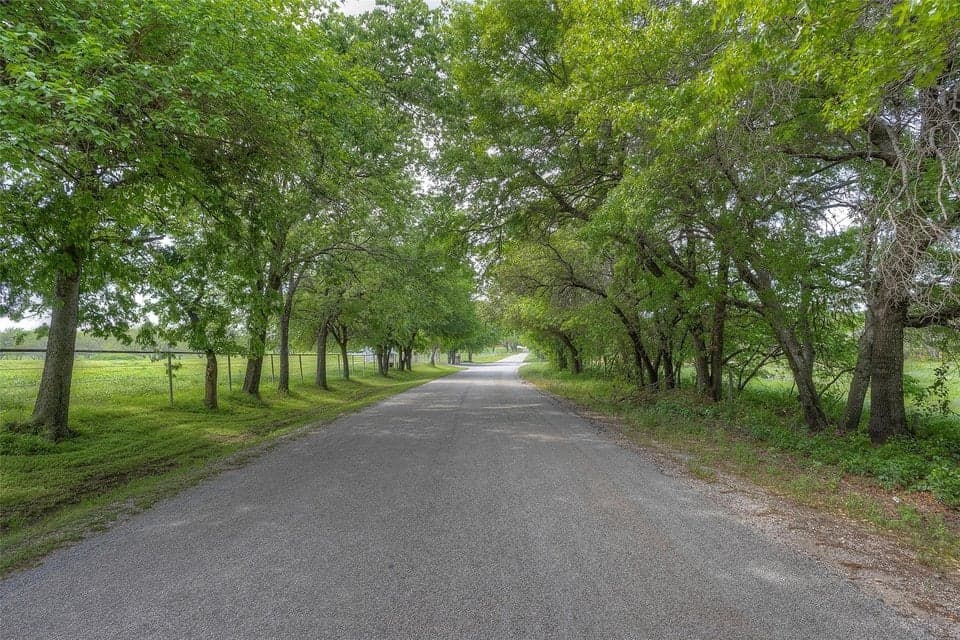
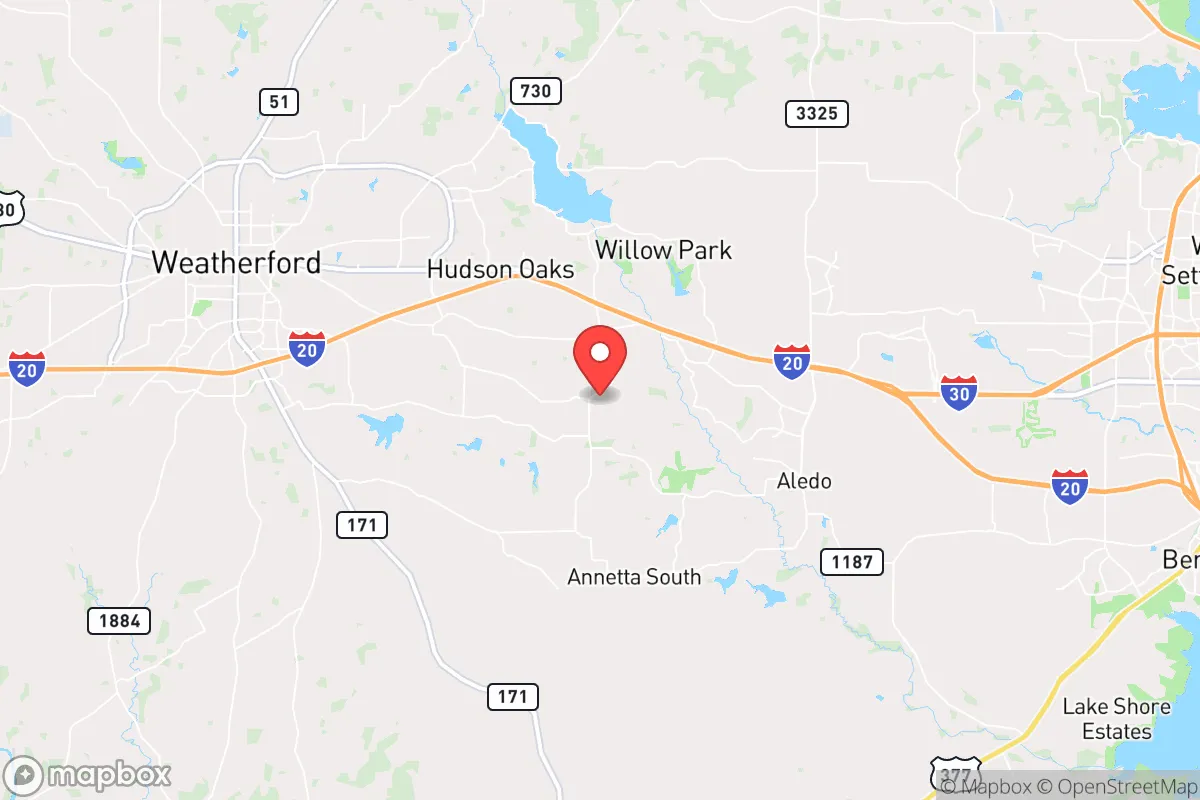
Annetta North was not a product of colonial-era settlement but rather a late-20th-century incorporation. The area was originally part of the vast ranchlands of Parker County, settled by Anglo-American cattle ranchers and farmers in the mid-to-late 1800s. These early families—many of Scots-Irish and German descent—established homesteads along the rolling hills and creeks, with the Old Annetta Road corridor serving as the primary spine of early development. The community remained sparsely populated through the early 1900s, with no significant industry beyond agriculture. The city itself was formally incorporated in the 1970s as a way for residents to maintain local control over zoning and development, attracting a population that valued low taxes and minimal government interference. The original settlers’ descendants still occupy many of the larger lots in the Historic Annetta North Core, a neighborhood of older ranch-style homes and acreages near the intersection of Annetta Road and FM 5.
Modern era (post-1965)
The post-1965 era saw little demographic upheaval in Annetta North. Unlike many Texas suburbs that experienced rapid diversification after the Hart-Cellar Act, Annetta North’s population remained overwhelmingly White. The city’s growth has been driven almost entirely by domestic in-migration—primarily families and retirees from the Dallas-Fort Worth metroplex seeking larger lots and a rural atmosphere. The Parker County Estates subdivision, developed in the 1980s and 1990s, absorbed many of these newcomers, offering 1- to 5-acre homesites that appealed to conservative-leaning professionals. The Silver Creek Ranch neighborhood, built in the 2000s, attracted a slightly younger cohort of families with children, drawn by the area’s low crime rates and highly rated Aledo Independent School District. The Hispanic population, now at 13.2%, is largely concentrated in the West Annetta Road area, where a small number of multi-generational Hispanic families have lived since the 1970s, working in local construction, landscaping, and ranching. The Black population (1.9%) and East/Southeast Asian population (0.0%) remain negligible, reflecting the city’s limited housing stock and lack of rental properties, which has discouraged the kind of diverse, transient populations seen in larger suburbs.
The future
Annetta North’s population trajectory points toward continued homogeneity and slow, controlled growth. The city’s zoning laws—which require minimum lot sizes of one acre—effectively limit new construction and keep housing prices high, filtering for buyers who are financially established and likely to share the existing community’s values. The college education rate of 64.4% is among the highest in Parker County, suggesting that future in-migrants will continue to be white-collar professionals, many working remotely or commuting to Fort Worth. The Hispanic share is projected to plateau or grow only modestly, as the area lacks the rental housing and entry-level jobs that typically attract newer immigrant populations. The Annetta North Preserve, a small infill development approved in 2022, will add roughly 20 new homes, all on one-acre lots, likely drawing more families from the same demographic pool. No significant immigrant communities are forming, and the city shows no signs of tribalizing into distinct ethnic enclaves. Instead, Annetta North is becoming more of a bedroom community for conservative-minded professionals who prioritize space, safety, and local control over urban amenities.
For someone moving in now, Annetta North offers a stable, predictable environment where the population is unlikely to change dramatically in the next decade. It is a place for those who want to live among like-minded neighbors, enjoy large lots and quiet streets, and participate in a small-town government that actively resists development pressure. The city’s future is not one of rapid growth or diversification, but of careful preservation of its current character.

* Values derived from national, state, county, city and local statistics and may differ in a specific area. Last updated: 2026-04-27T02:19:27.000Z
Narrative content on this page is AI-generated and may contain mistakes. Verify any details that matter before acting on them.
ReloMaps may earn a commission from affiliate links at no extra cost to you.

