Quality of Life in Wrangell City And County
A livable area that tracks near national norms for affordability, walkability, and neighborhood health.
What does Quality of Life tell us?
Quality of Life measures an area by evaluating factors like cost of living, nearby amenities, country club access, airport proximity, socioeconomic signals and neighborhood character. For large states, this is a general average — quality of life can vary dramatically between metro areas, suburbs, and rural communities within the same state.
What does this tell us?
Quality of Life measures an area by evaluating factors like cost of living, nearby amenities, country club access, airport proximity, socioeconomic signals and neighborhood character. For large states, this is a general average — quality of life can vary dramatically between metro areas, suburbs, and rural communities within the same state.
Cost of Living
5% below national average
78%
The Real Cost of Living in Wrangell City And County for 2026
| Tier | Individual | Family (4) |
|---|---|---|
| Survival | $17k | $31k |
| Comfortable | $56k | $83k |
| Luxury | $101k+ | $157k+ |
| Elite (Top 5%) | $119k+ | $185k+ |
Quality-of-Life Analysis
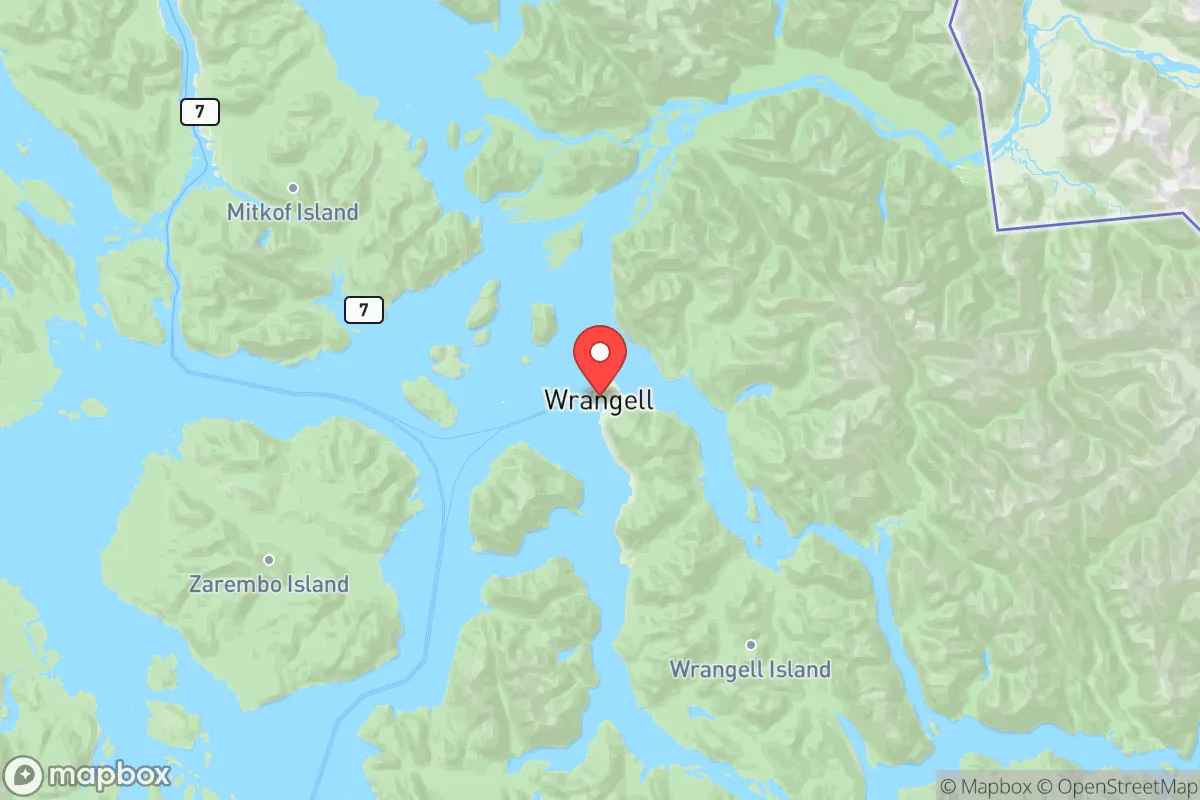
Wrangell City and Borough, a consolidated city-county in Southeast Alaska, offers a quality-of-life spectrum that ranges from the compact, waterfront-focused community of Wrangell itself to remote, off-grid homesteads accessible only by boat or floatplane. The county's single incorporated city, Wrangell, serves as the hub for all services, while the surrounding islands and mainland fjords contain sparsely populated areas like the mouth of the Stikine River and the communities of Meyers Chuck and Thoms Place. This geography attracts two distinct groups: those who want a walkable, small-town Alaskan lifestyle with modern amenities, and those seeking deep solitude in one of the most roadless regions of North America.
Largest town(s) & population centers
The sole population center is the City of Wrangell, home to roughly 2,100 of the borough's 2,400 residents. Daily life here is centered on a walkable downtown along Front Street, where the state ferry terminal, grocery stores, the hospital, and the school are all within a short distance. The town's economy is a mix of commercial fishing, timber, government services, and a growing tourism sector built around bear viewing at the Anan Creek Observatory and the Stikine River. Housing is a mix of older single-family homes on hillside streets and newer subdivisions like the area around Shoemaker Bay. With a median home value of $289,700 and a cost-of-living index of 95 (slightly below the national average), Wrangell is more affordable than Juneau or Sitka, though the average commute of roughly 19 minutes reflects the town's compact layout—most residents can walk or bike to work. The community is tight-knit, with a strong sense of self-reliance, and the local school system serves as a central gathering point for families.
Smaller towns & rural pockets
Beyond Wrangell's city limits, the borough includes several unincorporated areas and seasonal settlements. Meyers Chuck, a tiny community on the Cleveland Peninsula about 30 miles northwest of Wrangell, has fewer than 20 year-round residents and is accessible only by boat or floatplane. Life there revolves around fishing, subsistence harvesting, and a close-knit social circle centered on the community's historic post office and dock. Thoms Place, near the mouth of the Stikine River, is another small pocket of homes and fishing camps, popular with commercial fishermen who work the river's salmon runs. The Stikine River corridor itself contains no permanent settlements but is dotted with seasonal cabins and fish camps used by Wrangell residents and Tlingit families who have harvested there for generations. These areas lack grid power, running water, and road access, representing the most rugged end of the county's lifestyle spectrum.
Cost & lifestyle range
The cost of living and amenities vary dramatically across the borough. In Wrangell proper, residents pay a median rent of $1,047 and have access to a full-service grocery store (Alaska Commercial Company), a medical clinic with a pharmacy, a public library, and a hardware store. Homes in town are typically on municipal water and sewer, with electricity from the local hydropower grid. At the opposite end, a cabin or lot in Meyers Chuck or along the Stikine River might sell for under $100,000, but the buyer must invest in a boat, a generator, solar panels, and a rainwater catchment system. Property taxes in the borough are relatively low—the mill rate is around 8.5—and there is no sales tax in Wrangell, though the state has no income tax. The lifestyle trade-off is stark: town residents enjoy daily ferry service, a small airport with flights to Juneau and Ketchikan, and a reliable internet connection, while rural residents trade all of that for privacy, direct access to fishing and hunting grounds, and a quieter pace of life.
Wrangell City and Borough is best suited for people who value self-sufficiency and are comfortable with the realities of Southeast Alaska's weather and isolation. Families and professionals who need reliable schools, healthcare, and infrastructure will find Wrangell town a practical and welcoming base. Those drawn to the remote pockets of the borough—Meyers Chuck, Thoms Place, or the Stikine River—tend to be experienced outdoorspeople, commercial fishermen, or retirees seeking a low-cost, off-grid lifestyle. The county's strength lies in offering both options within a single, cohesive community structure, where even the most remote residents still identify as part of Wrangell's broader social and economic fabric.

Crime in Wrangell City And County
Higher crime rates than 66% of comparable U.S. locations.
Violent CrimeViolent Crime Analysis
Property CrimeProperty Crime Analysis
Crime Analysis
Wrangell City and Borough, a remote island community in Southeast Alaska, presents a complex safety picture that diverges sharply from national averages. With a violent crime rate of 732.6 per 100,000 residents and a property crime rate of 1,918.7 per 100,000, the borough experiences significantly higher rates of serious violent offenses than most of the United States, while property crime remains closer to the national median. The data suggests that while Wrangell is not a high-crime area in absolute terms, the types of crime occurring here are disproportionately violent relative to its small population of roughly 2,100 people.
Crime in context
Wrangell's violent crime rate is roughly double the national average and well above the Alaska state average of approximately 600 per 100,000. The borough's property crime rate, however, is slightly below the national average of about 2,000 per 100,000. This pattern is unusual: most rural Alaska communities see elevated property crime but lower violent crime. The high violent crime rate is driven largely by aggravated assaults, which account for the majority of violent incidents. By comparison, the nearby communities of Petersburg (about 30 miles south) and Ketchikan (about 90 miles south) report lower violent crime rates, with Petersburg's rate hovering around 400 per 100,000. The state's largest city, Anchorage, reports a violent crime rate near 1,000 per 100,000, placing Wrangell in a middle tier among Alaska communities.
What residents experience
For those living in Wrangell, the risk of being a victim of violent crime is roughly 1 in 137 annually, compared to 1 in 250 nationally. Property crime risk is about 1 in 52, similar to the national average. The borough's small size means that crime is not evenly distributed: the downtown core along Front Street and the ferry terminal area see higher rates of alcohol-related disturbances and assaults, particularly during summer months when seasonal workers and tourists arrive. The Wrangell Police Department is the primary law enforcement agency, with a force of about six officers, supplemented by the Alaska State Troopers for major investigations. The borough's judicial system falls under the Second Judicial District of Alaska, based in Ketchikan, which has seen a trend toward progressive sentencing policies in recent years. District attorneys in this district have increasingly emphasized diversion programs and reduced incarceration for non-violent offenders, a philosophy that some residents argue has contributed to repeat offenses among property criminals. The borough's remote location—accessible only by air or sea—means that fleeing suspects are often caught quickly, but it also means that police response times to outlying areas like Thoms Place or Shoemaker Bay can exceed 20 minutes.
Neighborhood-level variation is limited in a community of Wrangell's size, but some patterns emerge. The Zimovia Highway corridor and areas near the airport are generally considered safer, with lower incident reports. The downtown waterfront and the area around the Wrangell Narrows see more alcohol-related calls and domestic disturbances. The borough's single high school, Wrangell High School, has not reported significant violent incidents, though property crimes like theft from vehicles are common in unsecured parking areas. For families considering relocation, the key takeaway is that Wrangell is not a high-crime community by Alaska standards, but the violent crime rate is elevated enough to warrant caution, particularly regarding alcohol-fueled incidents and domestic violence. The progressive judicial philosophy in the Second Judicial District may be a concern for those who prioritize strict enforcement and victim-centered justice, as it has been associated with higher recidivism for property crimes in the region.
* Values derived from national, state, county, city and local statistics and may differ in a specific area. Last updated: 2026-07-24T13:55:02.000Z
Narrative content on this page is AI-generated and may contain mistakes. Verify any details that matter before acting on them.
ReloMaps may earn a commission from affiliate links at no extra cost to you.

