Quality of Life in Sitka City And County
A livable area that tracks near national norms for affordability, walkability, and neighborhood health.
What does Quality of Life tell us?
Quality of Life measures an area by evaluating factors like cost of living, nearby amenities, country club access, airport proximity, socioeconomic signals and neighborhood character. For large states, this is a general average — quality of life can vary dramatically between metro areas, suburbs, and rural communities within the same state.
What does this tell us?
Quality of Life measures an area by evaluating factors like cost of living, nearby amenities, country club access, airport proximity, socioeconomic signals and neighborhood character. For large states, this is a general average — quality of life can vary dramatically between metro areas, suburbs, and rural communities within the same state.
Cost of Living
32% above national average
84%
The Real Cost of Living in Sitka City And County for 2026
| Tier | Individual | Family (4) |
|---|---|---|
| Survival | $22k | $41k |
| Comfortable | $82k | $120k |
| Luxury | $120k+ | $186k+ |
| Elite (Top 5%) | $141k+ | $219k+ |
Quality-of-Life Analysis
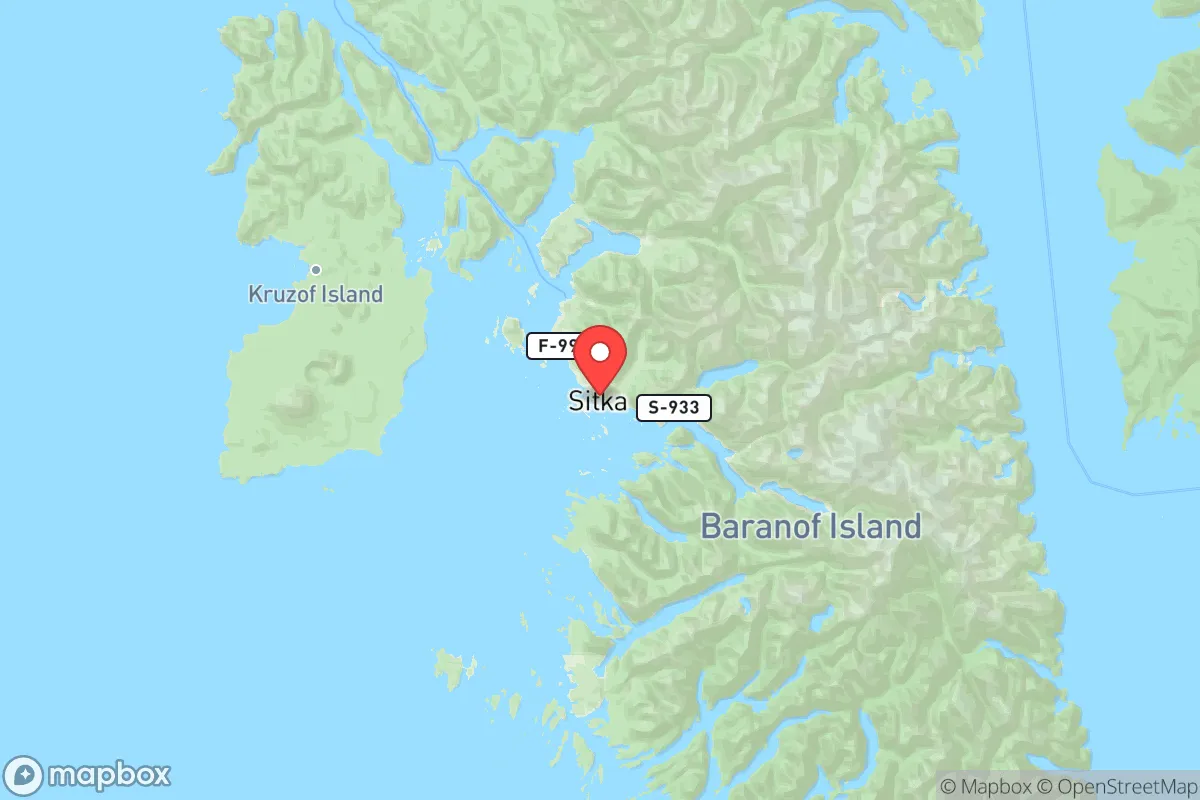
Sitka City And County, Alaska, is a unique consolidated city-borough that encompasses the town of Sitka itself, a handful of smaller communities, and vast tracts of roadless, island wilderness. This single county-level jurisdiction spans the western edge of Baranof Island and includes smaller islands, offering a quality-of-life spectrum that ranges from the concentrated amenities of a Southeast Alaska hub to the profound isolation of off-grid homesteads. The county attracts a mix of federal and marine-industry professionals, artists, and self-sufficient individuals, each drawn to a different point along this spectrum of remoteness and convenience.
Largest town(s) & population centers
The overwhelming population center is the City of Sitka, which is coterminous with the borough and holds roughly 8,500 of the county's 8,500 residents. Daily life in Sitka centers on a compact, walkable downtown along Lincoln Street, with the Alaska Marine Highway ferry terminal, the Sitka Rocky Gutierrez Airport, and the main harbor all within a mile of each other. The economy is anchored by the Sitka Sound Seafoods and Seafood Producers Cooperative processing plants, the Sitka Community Hospital, and the University of Alaska Southeast Sitka Campus. Residents enjoy a full range of services—multiple grocery stores, a public library, a performing arts center, and the Sitka National Historical Park—all within a town that is only about 4 miles long. The average commute of 19.5 minutes reflects the town's compact, linear layout along the shoreline, with most residents living within a short drive or bike ride of the core.
Smaller towns & rural pockets
Beyond the Sitka town limits, the borough includes several distinct, unincorporated communities accessible only by boat or floatplane. Port Alexander, at the southern tip of Baranof Island, is a tiny fishing village with fewer than 50 year-round residents, no roads, and no vehicle traffic. Baranof Warm Springs is a small settlement centered on natural hot springs, with a handful of private cabins and a public-use shelter. Goddard Hot Springs, also on Baranof Island, is a remote recreation area with a Forest Service cabin and no permanent population. These pockets are not suburbs or exurbs; they are functionally separate communities where residents rely on skiffs, generators, and satellite internet. The borough also contains vast tracts of the Tongass National Forest with no permanent habitation, used for subsistence hunting, fishing, and seasonal recreation.
Cost & lifestyle range
The cost of living across Sitka City And County is uniformly high due to the remote island location, but the lifestyle costs vary dramatically. In the town of Sitka, the median home value of $442,100 and median rent of $1,350 reflect a competitive housing market for a town with limited buildable land. The overall cost of living index of 132 (32% above the U.S. average) is driven by high food and fuel prices, though utilities are somewhat moderated by local hydropower. At the high-amenity end, a family in Sitka's Gavan Hill or Starrigavan neighborhoods pays a premium for a single-family home with ocean views and proximity to schools and the hospital. At the low-cost end, a resident in Port Alexander might own a small cabin for under $150,000, but faces extreme costs for freight, fuel, and medical evacuation. The lifestyle range is not about suburban versus urban, but about trading convenience and services for lower property costs and deeper solitude.
The person who thrives in Sitka City And County is someone who values the ocean as a highway and a larder, not a barrier. In the town of Sitka, that person is a marine biologist, a commercial fisherman, or a remote worker who wants a walkable community with a strong arts scene and reliable internet. In the outer communities, that person is a self-reliant homesteader or a seasonal fisher who is comfortable with weeks of isolation and the logistical complexity of island life. The county offers a genuine spectrum of Alaskan living, from a functioning small city to the quietest of off-grid outposts, all within a single, roadless jurisdiction.

Crime in Sitka City And County
Higher crime rates than 66% of comparable U.S. locations.
Violent CrimeViolent Crime Analysis
Property CrimeProperty Crime Analysis
Crime Analysis
Sitka City And County, Alaska, presents a complex safety picture where violent crime rates significantly exceed national averages while property crime remains a serious concern. With a violent crime rate of 732.6 per 100,000 residents and a property crime rate of 1,918.7 per 100,000, the community faces challenges that are notably higher than the U.S. median. However, these figures must be understood within the context of Alaska's statewide crime trends, which are among the highest in the nation, and the unique dynamics of a remote island community with limited road access.
Crime in context
Sitka's violent crime rate of 732.6 per 100,000 is roughly double the national average of about 380 per 100,000, placing it in a higher-risk tier among U.S. communities. The property crime rate of 1,918.7 per 100,000 is also elevated compared to the national median of approximately 1,954 per 100,000, though it sits slightly below the Alaska state average of around 2,200 per 100,000. For context, the nearby community of Juneau reports a violent crime rate near 500 per 100,000, while Anchorage exceeds 1,000 per 100,000, making Sitka's violent crime rate moderate by Alaska standards but high nationally. The Alaska Department of Public Safety notes that alcohol-related offenses and domestic violence are significant drivers of crime statewide, and Sitka is no exception, with a substantial portion of incidents tied to substance abuse.
What residents experience
Daily life in Sitka involves a heightened awareness of property crime, particularly theft and vehicle break-ins, which are common in the downtown core and near the Sitka National Historical Park area. Residents in neighborhoods like Japonski Island and Gavan Hill report fewer incidents, while areas closer to the Sitka Rocky Gutierrez Airport and the Halibut Point Road corridor see more frequent property crime. Violent crime, including assault and robbery, is concentrated in the downtown and Lincoln Street commercial district, especially during late-night hours. The Sitka Police Department emphasizes community policing and has a visible presence, but the city's isolation means that response times can be longer in outlying areas like Starrigavan or Silver Bay. The local judicial system, operating under the Alaska Court System's Sitka District Court, has been criticized by some residents for a perceived leniency toward repeat offenders, particularly in cases involving substance abuse and property crime, which some argue contributes to a cycle of recidivism.
Neighborhood-level variation
Crime is not evenly distributed across Sitka City And County. The downtown area, including Lake Street and Katliand Street, experiences the highest concentration of both violent and property crime, driven by transient populations and late-night activity. In contrast, the Indian River and Sawmill Creek neighborhoods are considered safer, with lower incident rates and stronger neighborhood watch participation. The Moller Park area, near the Sitka High School, sees moderate property crime but fewer violent incidents. For those considering relocation, the Thimbleberry Lake and Blue Lake areas offer a quieter, more residential environment with minimal crime, though they are farther from downtown amenities. The Sitka Police Department's annual reports show that the majority of violent crime involves individuals known to each other, reducing the risk to random bystanders in safer neighborhoods. Prospective residents should prioritize securing vehicles and homes, as property crime remains the most common threat across all areas of the borough.
* Values derived from national, state, county, city and local statistics and may differ in a specific area. Last updated: 2026-07-22T11:40:03.000Z
Narrative content on this page is AI-generated and may contain mistakes. Verify any details that matter before acting on them.
ReloMaps may earn a commission from affiliate links at no extra cost to you.

