
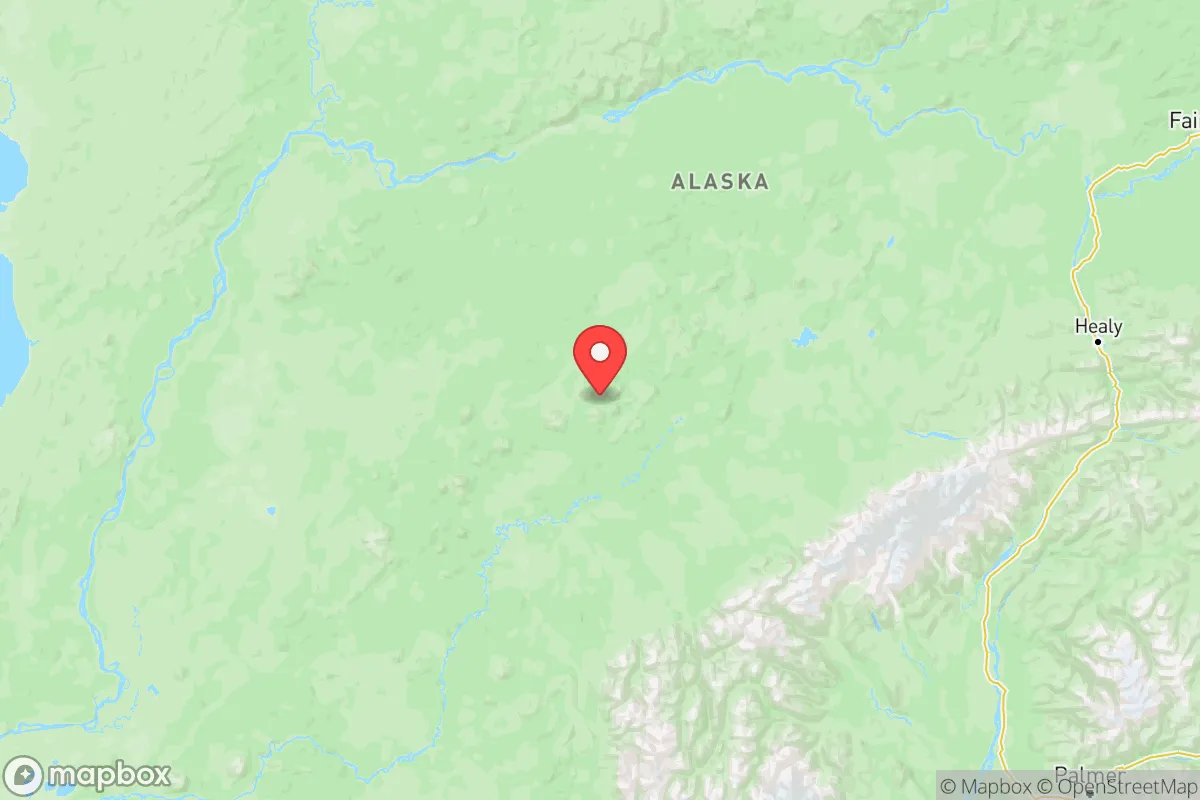
Photo: Wikipedia
Quality of Life in Alaska
A livable area that tracks near national norms for affordability, walkability, and neighborhood health.
What does Quality of Life tell us?
Quality of Life measures an area by evaluating factors like cost of living, nearby amenities, country club access, airport proximity, socioeconomic signals and neighborhood character. For large states, this is a general average — quality of life can vary dramatically between metro areas, suburbs, and rural communities within the same state.
What does this tell us?
Quality of Life measures an area by evaluating factors like cost of living, nearby amenities, country club access, airport proximity, socioeconomic signals and neighborhood character. For large states, this is a general average — quality of life can vary dramatically between metro areas, suburbs, and rural communities within the same state.
Cost of Living
19% above national average
94%
The Real Cost of Living in Alaska for 2026
| Tier | Individual | Family (4) |
|---|---|---|
| Survival | $22k | $42k |
| Comfortable | $65k | $95k |
| Luxury | $149k+ | $230k+ |
| Elite (Top 5%) | $175k+ | $271k+ |
Quality-of-Life Analysis
Alaska offers a spectrum of quality-of-life options that ranges from dense urban centers to remote wilderness homesteads, each attracting a distinct type of resident. The state’s overall cost of living index sits at 119 (100 = US average), with a median home value of $333,300 and median rent of $1,388, but these figures mask dramatic regional variation. The average commute of 19.5 minutes is deceptively low, as it includes both Anchorage’s manageable traffic and the near-zero commutes of bush communities. Understanding which tier of Alaskan living fits your priorities—career opportunity, isolation, affordability, or luxury—is essential before making the move.
Major metros
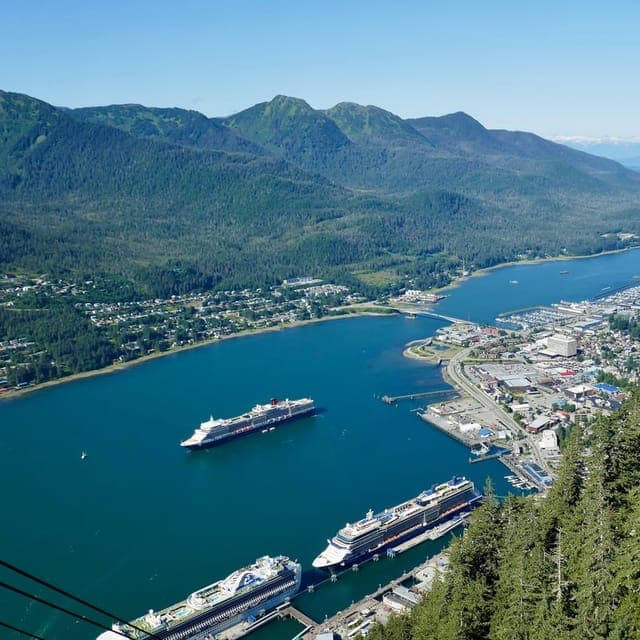
If you’re looking for urban living, Alaska has exactly one true major metro: Anchorage, home to roughly 290,000 residents and the state’s economic and transportation hub. Anchorage offers a full-service city experience with international airport connections, a robust healthcare sector (Providence Alaska Medical Center and Alaska Regional Hospital), and a diverse job market anchored by oil, logistics, and government. Its cultural identity is distinctly Alaskan but cosmopolitan—think craft breweries, the Anchorage Museum, and the Alaska Railroad depot. The city’s sprawl along the Cook Inlet means commute times average under 20 minutes, a rarity for a metro of its size. Fairbanks, the second-largest city at about 32,000, serves as the interior’s hub, with a strong University of Alaska Fairbanks presence, military bases (Fort Wainwright, Eielson AFB), and a colder, more extreme climate that attracts those who want city amenities without Anchorage’s scale. Juneau, the state capital, is a compact coastal city of 32,000 accessible only by air or sea, offering government jobs, tourism, and a tight-knit community feel that blends urban services with small-town intimacy.
Mid-size cities & college towns
Alaska’s mid-size cities and college towns provide a balance of services and access to nature without the density of Anchorage. Wasilla (pop. ~9,000) and Palmer (pop. ~6,000) in the Mat-Su Valley form a growing suburban corridor 45 minutes north of Anchorage, offering lower home prices (median around $350,000 in Wasilla vs. Anchorage’s $380,000) and quick access to the Talkeetna Mountains. Kenai and Soldotna (combined pop. ~15,000) on the Kenai Peninsula are fishing and oil-service towns with a slower pace, strong schools, and the Kenai River’s world-class salmon runs. Homer (pop. ~5,500) is a quirky arts-and-fishing community at the end of the Sterling Highway, known for its spit, halibut charters, and a bohemian vibe that attracts creatives and retirees. Ketchikan (pop. ~8,000) in Southeast Alaska is a rainy, picturesque fishing and tourism town with a strong Tlingit heritage and the state’s highest rainfall—over 150 inches annually. Unalaska/Dutch Harbor (pop. ~4,300) in the Aleutians is a unique outlier: a working-class fishing port with the nation’s largest seafood catch by volume, offering high wages but extreme isolation and weather.
Small towns & rural areas
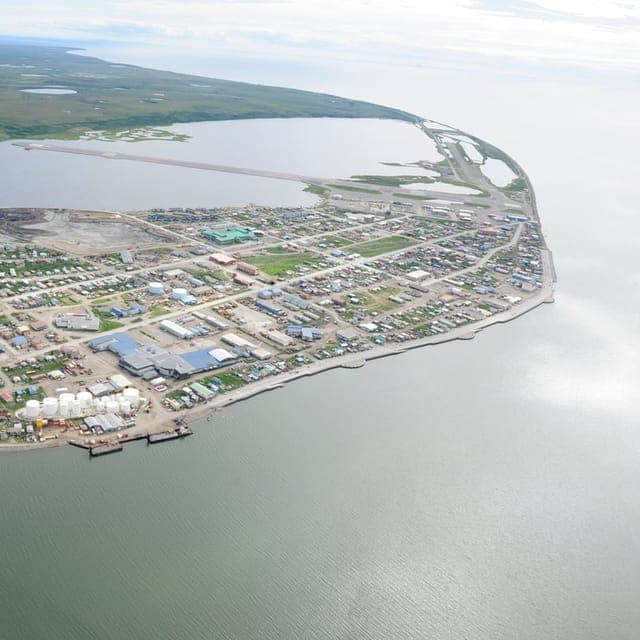
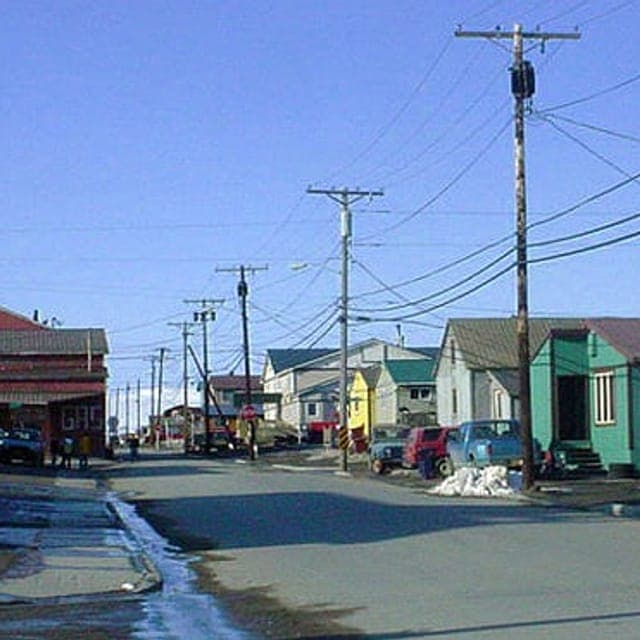
For those seeking true remoteness, Alaska’s small towns and rural areas offer lifestyles ranging from subsistence living to off-grid homesteading. Talkeetna (pop. ~900) is a quirky, artsy town at the base of Denali, popular with climbers and those who want a walkable, car-light community with a strong local bar and music scene. Skagway (pop. ~1,200) is a historic Gold Rush town that transforms into a cruise-ship destination in summer, offering seasonal work and a tight-knit winter population. Nome (pop. ~3,700) on the Seward Peninsula is a remote regional hub accessible only by air or sea, with a strong Alaska Native culture, gold mining history, and the finish line of the Iditarod. Barrow/Utqiaġvik (pop. ~4,400) is the northernmost community in the US, offering a truly Arctic lifestyle with permafrost-based housing, whale hunting traditions, and 24-hour daylight/darkness cycles. Bush Alaska—the hundreds of villages off the road system, like Bethel (pop. ~6,300) or Kotzebue (pop. ~3,200)—requires a subsistence mindset: high food and fuel costs (often 2-3x Anchorage prices), limited healthcare, and a deep connection to land and tradition. These areas attract those who prioritize solitude, cultural immersion, or a self-sufficient lifestyle over convenience.
Luxury vs. affordable living
Alaska’s luxury enclaves are concentrated in scenic, accessible areas with high-end amenities. Girdwood (pop. ~2,300), 40 miles south of Anchorage, is a ski-resort town with Alyeska Resort, luxury condos, and mountain-view homes starting around $600,000. Homer’s East End Road and Kachemak Bay waterfront properties command $500,000 to $1.5 million for oceanfront homes with private beaches. Anchorage’s Hillside neighborhoods (e.g., Rabbit Creek, Bear Valley) offer large lots, mountain views, and home values from $500,000 to over $1 million. On the affordable end, Fairbanks offers median home values around $250,000, with older homes in the city core available under $200,000. Wasilla and Palmer have entry-level homes in the $280,000–$320,000 range. Kenai and Soldotna offer fixer-uppers under $250,000. The most affordable option is often rural Alaska—but “affordable” here means lower purchase prices offset by extreme shipping costs for materials and fuel. A $150,000 cabin in Tok or Glennallen may require $20,000 annually in heating oil alone.
The practical reality is that Alaska’s quality-of-life spectrum demands a clear-eyed trade-off. Those who thrive in Anchorage or Fairbanks value career stability, schools, and healthcare access, paying a 20-30% premium over Lower 48 averages for housing and groceries. Mid-size towns like Homer or Ketchikan appeal to those who prioritize community and outdoor recreation over career advancement. Remote villages and bush communities are for the self-reliant few who accept isolation and high costs in exchange for unparalleled wildness. The cost-of-living spread across the state is enormous: a family in Anchorage might spend $60,000 annually on basic needs, while a family in Bethel could spend $90,000 for a lower standard of material comfort. Understanding which tier matches your income, tolerance for cold, and need for connection is the key to making Alaska work as a home.

Crime in Alaska
Higher crime rates than 66% of comparable U.S. locations.
Violent CrimeViolent Crime Analysis
Property CrimeProperty Crime Analysis
Crime Analysis
Alaska's overall safety picture is heavily shaped by its extreme geography, sparse population, and a violent crime rate of 726.6 per 100,000 residents—nearly double the national average—while its property crime rate of 1,909.5 per 100,000 also exceeds the U.S. median. These statewide figures mask dramatic local variation: remote villages and the largest city, Anchorage, drive the numbers upward, while smaller communities like Juneau and Fairbanks often report lower rates. The state's unique challenges include high rates of alcohol-related offenses, domestic violence, and limited law enforcement resources in rural areas, making safety a deeply localized concern.
Crime in context
Alaska's violent crime rate of 726.6 per 100,000 is roughly 1.8 times the national average (around 400 per 100,000), placing it among the highest in the nation for offenses like aggravated assault and sexual violence. Property crime at 1,909.5 per 100,000 is also elevated, though less dramatically, compared to the U.S. rate of approximately 1,950 per 100,000. Anchorage, home to about 40% of the state's population, accounts for a disproportionate share: the city's violent crime rate hovers near 1,000 per 100,000, driven by gang activity, drug trafficking, and property theft. In contrast, Juneau's violent crime rate is roughly half of Anchorage's, while Fairbanks sits in the middle. Rural villages, particularly in the Yukon-Kuskokwim Delta, face extreme rates of sexual assault and domestic violence, often exceeding 2,000 per 100,000, but these are underreported due to limited policing and cultural barriers.
What residents experience
For most Alaskans, daily safety concerns center on property crime—vehicle theft, burglary, and vandalism—especially in Anchorage's midtown and Mountain View neighborhoods. Violent crime, while statistically high, is often concentrated in specific areas: Anchorage's Spenard and Fairview districts see frequent assaults and robberies, while downtown Juneau experiences occasional thefts but few violent incidents. Residents in suburban areas like Eagle River or the Mat-Su Valley report lower crime rates, with property crime around 1,200 per 100,000 and violent crime under 300 per 100,000. A major factor is the state's progressive judicial approach: Anchorage's district attorney office, under liberal leadership, has faced criticism for plea deals and reduced sentencing for repeat offenders, contributing to a revolving-door effect that frustrates victims and emboldens criminals. In contrast, conservative-leaning areas like Wasilla and Palmer see more aggressive prosecution, correlating with lower recidivism. Rural residents face a different reality—many villages have no local police, relying on state troopers who may be hours away, leaving victims of domestic violence or theft with little recourse.
Neighborhood-level variation
Safety in Alaska varies sharply by neighborhood and community. In Anchorage, the safest areas include South Addition, Turnagain, and the Hillside, where violent crime rates drop below 300 per 100,000, while the most dangerous—Mountain View, Fairview, and Spenard—exceed 1,500 per 100,000. Outside Anchorage, Fairbanks has a violent crime rate near 800 per 100,000, with hotspots in the downtown core and near the university, while Juneau stays around 400 per 100,000, with most incidents in the Mendenhall Valley. Ketchikan and Sitka report even lower rates, often under 300 per 100,000, making them among the safest towns in the state. For those considering relocation, focusing on neighborhoods with strong homeowners' associations, active community patrols, and conservative local governance—like those in the Mat-Su Borough—offers the best chance of avoiding Alaska's crime challenges.
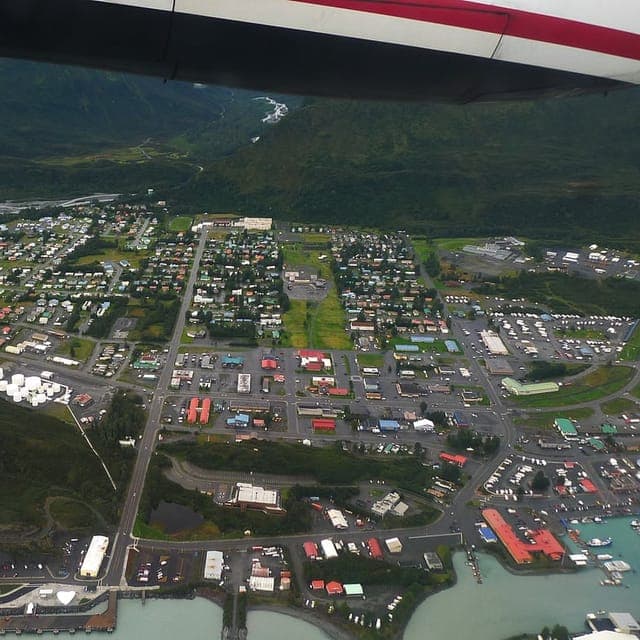
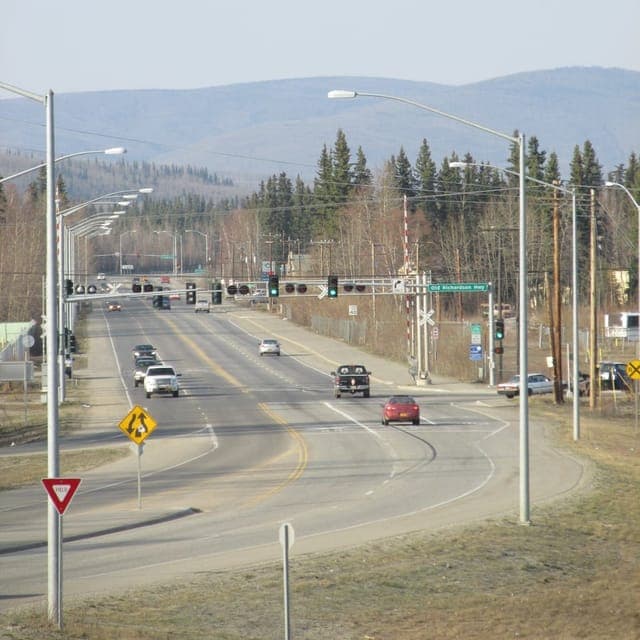
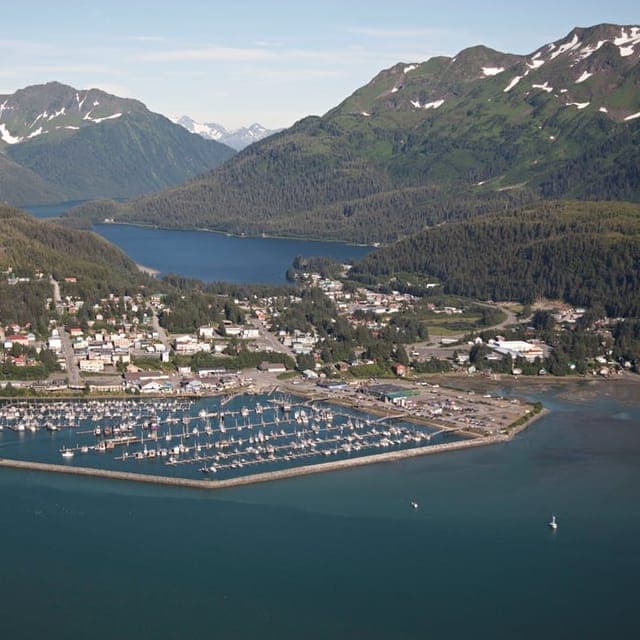
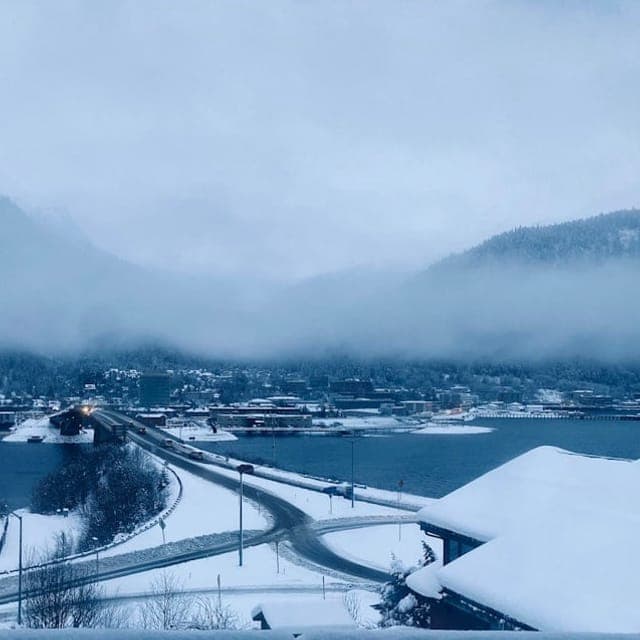
Top Cities for Quality of Life in Alaska
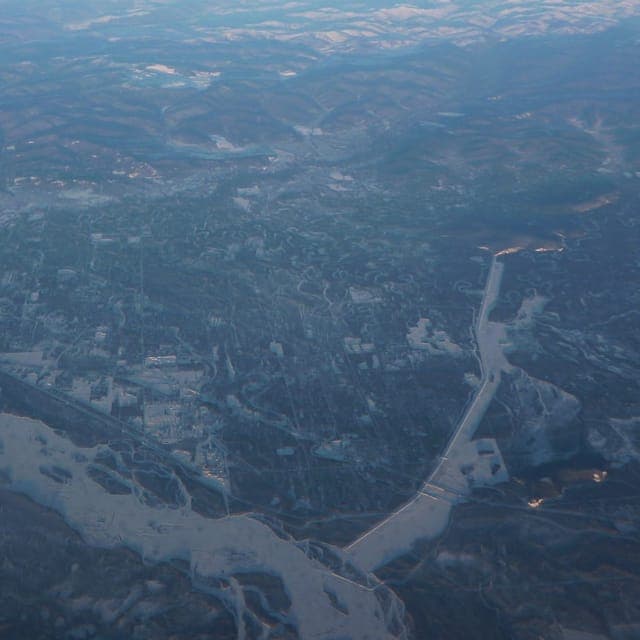
* Values derived from national, state, county, city and local statistics and may differ in a specific area. Last updated: 2026-04-18T22:14:51.000Z
Narrative content on this page is AI-generated and may contain mistakes. Verify any details that matter before acting on them.
ReloMaps may earn a commission from affiliate links at no extra cost to you.

