Photo: Wikipedia
Personal Sovereignty in Alaska
Strong independent fundamentals that actively favor personal liberty and low regulation.
What does Personal Sovereignty tell us?
Personal Sovereignty measures your capacity for self-reliance and independence with minimal government friction. Higher scores mean fewer barriers between you and the way you want to live... but it assumes you have the space you need and good neighbors.
What does this tell us?
Personal Sovereignty measures your capacity for self-reliance and independence with minimal government friction. Higher scores mean fewer barriers between you and the way you want to live... but it assumes you have the space you need and good neighbors.
State Policy
Energy independence: Net exporter (350% of energy produced in-state)
Personal Liberty
Homesteading

Personal Liberty Analysis
Alaska remains one of the last true bastions of personal sovereignty in the United States, offering a level of autonomy that is increasingly rare in the Lower 48. For those who view government overreach as a growing threat to individual rights, the state’s constitutional mandate for a “maximum of personal liberty” is not just rhetoric—it is a lived reality, particularly outside the limited municipal corridors of Anchorage, Juneau, and Fairbanks. The trade-off is real: you trade convenience and infrastructure for the freedom to live largely unmolested by the state, but for the survivalist or prepper mindset, that is precisely the point.
Tax burden and regulatory posture: how Alaska protects your income and property
Alaska is the only state in the union with no state income tax and no statewide sales tax, a structural advantage that immediately puts more money back into your pocket and reduces the state’s leverage over your financial decisions. The Permanent Fund Dividend, while not a handout in the traditional sense, further reinforces the idea that the state’s resource wealth belongs to its residents, not to government programs. Local municipalities like Anchorage and Juneau do levy sales taxes—typically 2–5%—but vast unincorporated areas, including much of the Mat-Su Borough and the Kenai Peninsula, have no sales tax at all. Property taxes are low by national standards, averaging around 1.0% of assessed value, and many rural boroughs offer tax exemptions for land used for primary residences or homesteading. The regulatory environment is similarly lean: Alaska has no building codes in most unincorporated areas, no statewide zoning, and minimal environmental permitting for private land use. This stands in stark contrast to states like California or Colorado, where even building a shed can require multiple permits and inspections. For the prepper, this means you can develop your property—build a cabin, dig a well, install solar panels—without asking permission from a planning board.
Self-defense and gun law specifics: constitutional carry and castle doctrine
Alaska is one of the most gun-friendly states in the nation, with a legal framework that treats the right to keep and bear arms as nearly absolute. The state enacted constitutional carry in 2003, meaning no permit is required to carry a concealed firearm—open carry is also unrestricted for anyone legally allowed to possess a firearm. There is no state-level firearm registry, no waiting periods, no assault weapon bans, and no magazine capacity limits. The Castle Doctrine is codified in statute, with no duty to retreat in any place where a person has a legal right to be, including your vehicle. Stand-your-ground protections are explicit, and the state’s preemption law prevents local governments like Anchorage or Juneau from enacting their own gun control ordinances. For the survivalist, this is critical: you are not at the mercy of a city council’s whims regarding what you can own or carry. In rural communities like Wasilla, Palmer, and Homer, gun ownership is near-universal, and the culture is one of self-reliance rather than reliance on law enforcement response times that can exceed 45 minutes in remote areas. Even in Anchorage, the state’s largest city, gun rights are robustly protected by state law, though the local political climate is more mixed. For those prioritizing self-defense, Alaska offers a legal environment that respects your right to protect yourself and your family without bureaucratic interference.
Self-reliance and homesteading viability: off-grid feasibility and land access
Alaska is arguably the last frontier for true off-grid living in the United States, with vast tracts of state and federal land available for homesteading-adjacent lifestyles. While the federal Homestead Act ended in 1986, the state still offers remote cabin sites through its land disposal programs, and private land in areas like the Matanuska-Susitna Valley, the Kenai Peninsula, and the Copper River Basin can be purchased for a fraction of what comparable acreage costs in the Lower 48. Lot sizes in these areas routinely start at 5 acres and go up to 160 acres or more, with no zoning restrictions on what you can build or how you can use the land. Off-grid feasibility is high: solar panels work well during the long summer days, and micro-hydro or wind systems can supplement during the dark winter months. Water is abundant, and many rural properties have legal access to groundwater without permitting. Septic systems are typically unregulated outside municipal boundaries. The state’s “Right to Farm” laws protect agricultural activities from nuisance lawsuits, and there are no state-level restrictions on rainwater collection or private wells. For the prepper, this means you can build a fully self-sufficient homestead—growing food, harvesting timber, generating power, and storing water—without the regulatory hurdles that make similar projects impossible in most of the Lower 48. The trade-off is isolation and harsh winters, but for those who value independence over convenience, that is a feature, not a bug.
Personal liberties: parental rights, medical autonomy, speech, and property
Alaska’s legal culture strongly favors individual rights over state control, with specific protections that resonate with a conservative, survivalist audience. Parental rights are robust: the state has no universal vaccine mandate for schoolchildren, and parents retain broad authority over medical decisions, education, and upbringing without state interference. Homeschooling is popular and lightly regulated, with no state-mandated curriculum or testing requirements for private or home-based education. Medical autonomy is similarly respected—there is no state-level mandate for COVID-19 vaccines or masks, and the state’s health department has historically taken a hands-off approach to personal medical choices. Free speech protections are strong, with no state-level hate speech laws or restrictions on political expression. Property rights are enshrined in the state constitution, which explicitly protects the “use and enjoyment” of private property. Eminent domain is rarely used, and the state’s “takings” laws require just compensation for any regulatory action that diminishes property value. In areas like Fairbanks and the Kenai Peninsula, local governments are generally pro-property-rights, with minimal zoning or land-use restrictions. For the prepper, this means you can stockpile supplies, build defensive structures, and live according to your own values without fear of government intervention. The state’s small population and vast geography also mean that surveillance and enforcement are minimal—you are largely left alone as long as you are not harming others.
In the broader context of American sovereignty, Alaska stands out as a rare jurisdiction where the state government genuinely respects individual autonomy rather than treating it as a privilege to be granted or revoked. Compared to the heavily regulated environments of the Pacific Northwest, California, or the Northeast, Alaska offers a level of personal freedom that is closer to the Founders’ vision than almost any other state. The trade-offs—extreme weather, isolation, limited services—are significant, but for those who prioritize self-reliance, gun rights, off-grid living, and minimal government interference, Alaska is arguably the best option in the nation. It is not a place for everyone, but for the survivalist or prepper who is willing to adapt to its challenges, it remains a sovereign refuge in an increasingly over-governed country.

Top Cities for Personal Sovereignty in Alaska
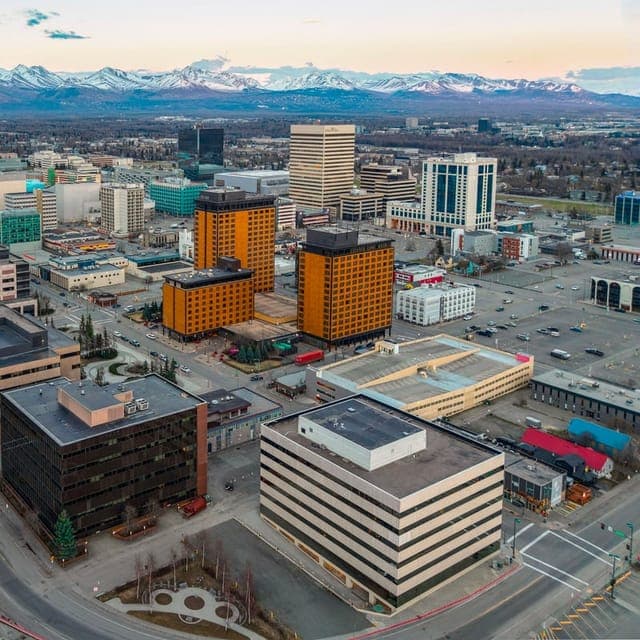
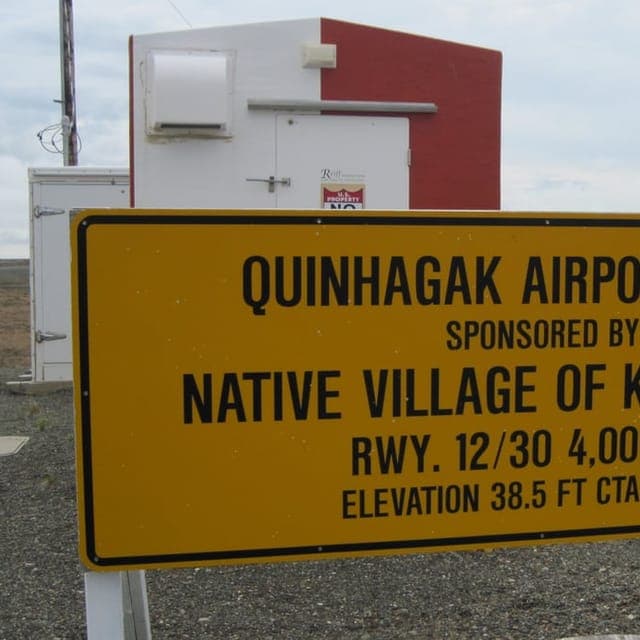
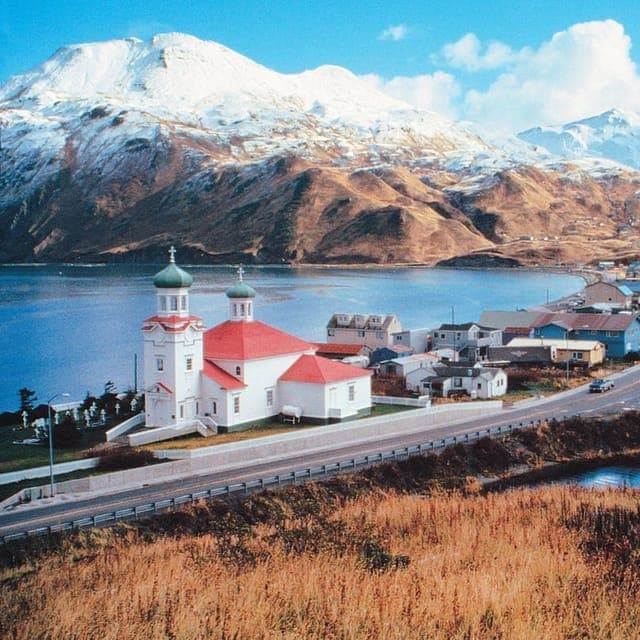
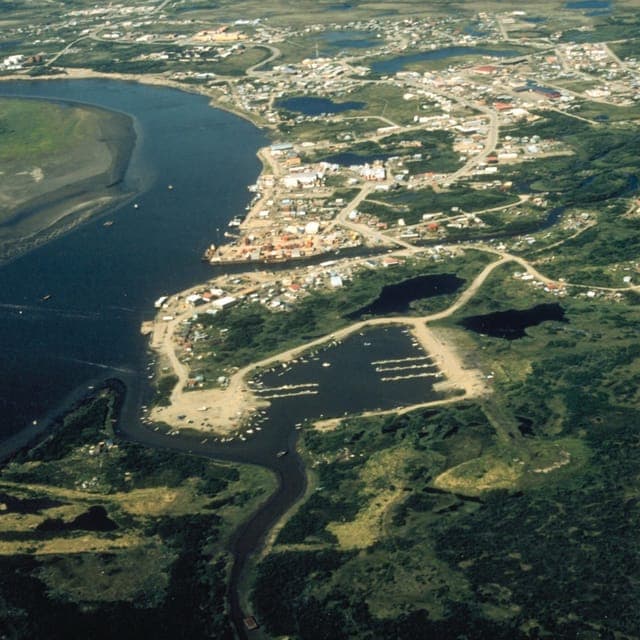
* Values derived from national, state, county, city and local statistics and may differ in a specific area. Last updated: 2026-04-18T22:14:51.000Z
Narrative content on this page is AI-generated and may contain mistakes. Verify any details that matter before acting on them.
ReloMaps may earn a commission from affiliate links at no extra cost to you.

