
Photo: Wikipedia
Political ClimatePolitical Climate in Alaska
Political Environment in the State
Alaska has long been a Republican stronghold with a Cook PVI of R+6, but its political climate is more libertarian than partisan, shaped by a deep distrust of federal overreach and a fierce independent streak. Over the last 20 years, the state has shifted from reliably red to a more volatile mix, with a powerful independent governor (Bill Walker, 2014-2018) and a split legislature that often sees moderate Republicans and Democrats forming coalitions. The 2022 election of Governor Mike Dunleavy, a conservative, and the defeat of a ranked-choice voting repeal attempt in 2024 show a state that is still conservative at its core but increasingly divided between its rural, resource-dependent communities and its more progressive urban centers like Anchorage and Juneau.
Urban vs. rural divide
The political map of Alaska is a stark contrast between the urbanized Railbelt and the vast, rural Bush. Anchorage, home to 40% of the state's population, is the key battleground: its western and downtown precincts lean Democratic, while the Hillside, Eagle River, and Chugiak areas are deeply conservative. The Matanuska-Susitna Borough, just north of Anchorage, is the state's fastest-growing region and a conservative stronghold, with towns like Wasilla and Palmer reliably voting Republican by 20-30 points. Fairbanks, the interior hub, is more moderate but still leans right, while Juneau, the capital, is the most liberal city, driven by state government workers and environmental activists. The rural Bush—villages like Bethel, Nome, and Barrow (Utqiaġvik)—votes overwhelmingly Democratic due to strong tribal ties and reliance on federal programs, but turnout is low. The real political power lies in the Railbelt, where the battle between Anchorage's moderates and the Mat-Su's conservatives decides most statewide races.
Policy environment
Alaska's policy environment is defined by its lack of a state income tax or statewide sales tax, funded instead by oil revenue and the Permanent Fund Dividend (PFD). This low-tax posture is a major draw for conservatives, but it creates a volatile budget that has led to fights over the PFD's size—a perennial political flashpoint. The state's regulatory posture is generally light, especially for resource extraction, but the Dunleavy administration has pushed for further deregulation in housing and energy. Education policy is a mixed bag: Alaska has a charter school law and a small but growing homeschool community, but rural schools are chronically underfunded and often struggle with low test scores. Healthcare is a major concern, with high costs and limited access in rural areas; the state expanded Medicaid under the ACA, a move that still rankles many conservatives. Election laws are a hot topic: in 2020, voters approved ranked-choice voting and open primaries, which has shifted power to moderates and frustrated the GOP base. A 2024 ballot measure to repeal ranked-choice voting failed, but the issue remains divisive. Gun laws are among the most permissive in the nation—no permit required for concealed carry, no magazine limits, and strong preemption laws that prevent local restrictions.
Trajectory & freedom
Alaska is in a tug-of-war between expanding and contracting personal freedom. On the positive side, the Dunleavy administration has signed several pro-liberty bills: HB 69 (2022) expanded gun rights by allowing permitless carry for non-residents and strengthening preemption, while SB 24 (2023) protected parental rights in education by requiring schools to notify parents of curriculum changes and medical services. The state also passed HB 255 (2024), which prohibits vaccine mandates for state employees and contractors—a direct response to federal overreach during the pandemic. However, the ranked-choice voting system has been a net negative for conservatives, diluting the GOP's power and allowing moderate Republicans and Democrats to form governing coalitions in the legislature. The PFD fight is another freedom issue: the Dunleavy administration has tried to restore the full dividend formula, but the legislature has consistently capped it, effectively raising taxes on residents by withholding their own money. Property rights are generally strong, but the state's vast federal land ownership (60% of Alaska is federal) creates constant friction, especially around the Arctic National Wildlife Refuge (ANWR) and the Tongass National Forest, where environmental groups have successfully blocked resource development.
Civil unrest & political movements
Alaska has seen relatively little civil unrest compared to the Lower 48, but there are notable flashpoints. The most visible is the annual battle over the PFD, which has spawned protests in Anchorage and Juneau, with activists on both sides—those demanding the full formula and those arguing for budget stability. The ranked-choice voting system has created a new political movement: the "repeal RCV" coalition, which is well-organized and funded, and has held rallies in Wasilla and Anchorage. Immigration politics are muted, as Alaska has a small foreign-born population, but there is a strong undercurrent of opposition to sanctuary policies; Anchorage declared itself a sanctuary city in 2019, but the state legislature has repeatedly tried to preempt such policies. Election integrity is a growing concern among conservatives, especially after the 2020 election saw widespread use of mail-in ballots and the introduction of ranked-choice voting. The Alaska Independence Party, which advocates for secession, still exists but is a fringe group. The most visible flashpoint for a new resident would be the constant tension between resource development and environmental activism, particularly in the Mat-Su Borough, where "Save the Susitna" rallies clash with pro-drilling groups.
Projection
Over the next 5-10 years, Alaska is likely to become more politically divided, not less. The Mat-Su Borough is growing rapidly, bringing in conservative families from the Lower 48 who are fleeing high taxes and progressive policies in states like California and Washington. This in-migration will strengthen the GOP's base, but it will also push the party further right, potentially alienating moderates in Anchorage. The ranked-choice voting system will continue to frustrate conservatives, but it may also force the GOP to run more pragmatic candidates. The PFD fight will remain a central issue, and if oil revenues decline, the state may be forced to consider an income tax—a red line for most conservatives. The biggest wildcard is federal land policy: if a future Democratic administration tightens restrictions on ANWR and the Tongass, it could trigger a backlash that fuels secessionist rhetoric. For a new resident, expect a state that remains broadly conservative on fiscal and gun issues, but with a political system that is increasingly messy and unpredictable. The freedom to live your life without government interference is still strong, but you'll need to be engaged to protect it.
For a conservative moving to Alaska, the bottom line is this: you'll find a state that respects your gun rights, keeps taxes low, and values individual liberty, but you'll also have to navigate a political system that has been deliberately weakened by ranked-choice voting and a legislature that often compromises with Democrats. The best places to settle are the Mat-Su Borough (Wasilla, Palmer) or the conservative parts of Anchorage (Eagle River, Hillside), where you'll find like-minded neighbors and a strong sense of community. Avoid Juneau if you want to avoid progressive politics, and be prepared for the PFD fight to be a constant source of frustration. Alaska is still one of the freest states in the union, but it's not immune to the national trends—you'll need to stay active and vote in every election to keep it that way.

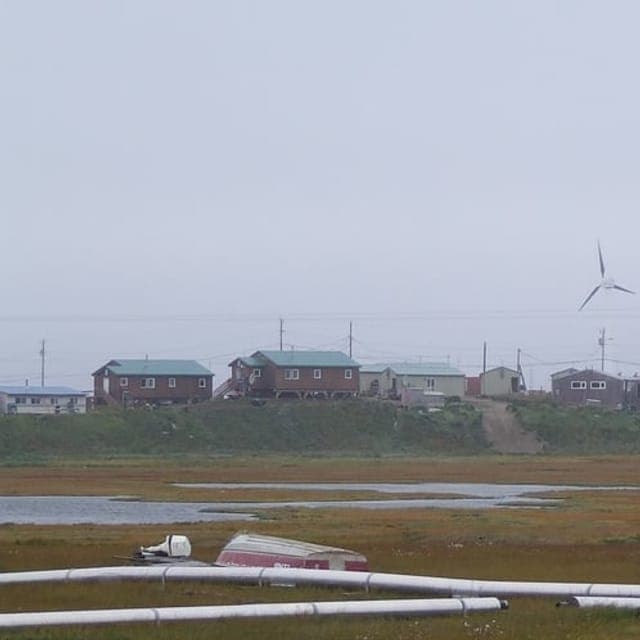
Most Conservative Cities in Alaska
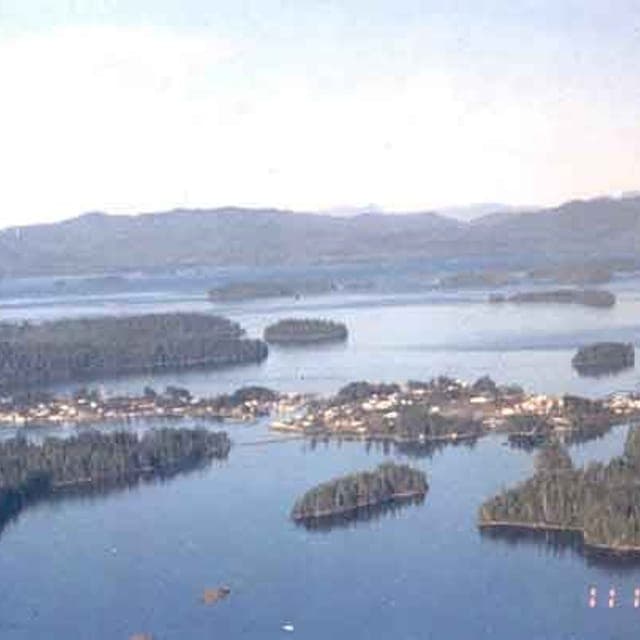
Most Liberal Cities in Alaska
* Values derived from national, state, county, city and local statistics and may differ in a specific area. Last updated: 2026-04-18T22:14:51.000Z
Narrative content on this page is AI-generated and may contain mistakes. Verify any details that matter before acting on them.
ReloMaps may earn a commission from affiliate links at no extra cost to you.

