Photo: Wikipedia
Strategic Assessment of Kusilvak County
Deep buffer from population centers and strategic targets. Low natural disaster risk and minimal exposure to border or coastal threats.
What does the Strategic Assessment tell us?
Our Strategic Assessment grades tactical survivability of an area. Major population centers, military targets, fallout zones, natural disasters, and border exposure all drive risk — lower exposure means a more defensible position in a crisis.
This is heavily inspired by Joel Skousen's Strategic Relocation book. Highly recommended you checkout the book ($)What does this tell us?
Our Strategic Assessment grades tactical survivability of an area. Major population centers, military targets, fallout zones, natural disasters, and border exposure all drive risk — lower exposure means a more defensible position in a crisis.
This is heavily inspired by Joel Skousen's Strategic Relocation book. Highly recommended you checkout the book ($)Strategic Pillars

Key Distances
Strategic Assessment Analysis
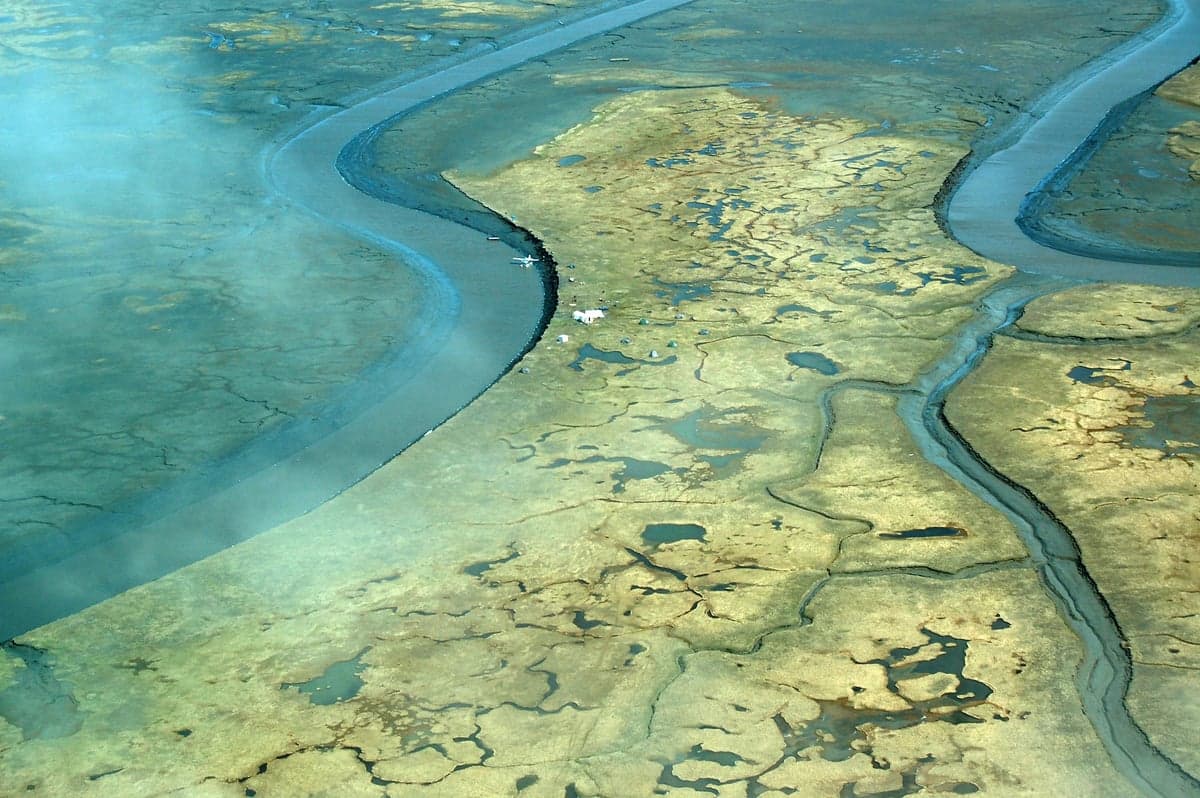
Kusilvak County, Alaska, offers a strategic relocation option for those prioritizing geographic isolation and self-sufficiency, though it demands serious trade-offs in access and infrastructure. Located in western Alaska along the Bering Sea coast, the county encompasses the Yukon-Kuskokwim Delta, a vast, roadless region accessible primarily by small aircraft, boat, or snowmobile. For a conservative-leaning audience assessing disaster readiness, Kusilvak County’s extreme remoteness from major population centers and industrial targets provides a natural buffer against many man-made and cascading risks, but its harsh climate and logistical challenges require thorough preparation.
Geographic position and natural advantages for isolation
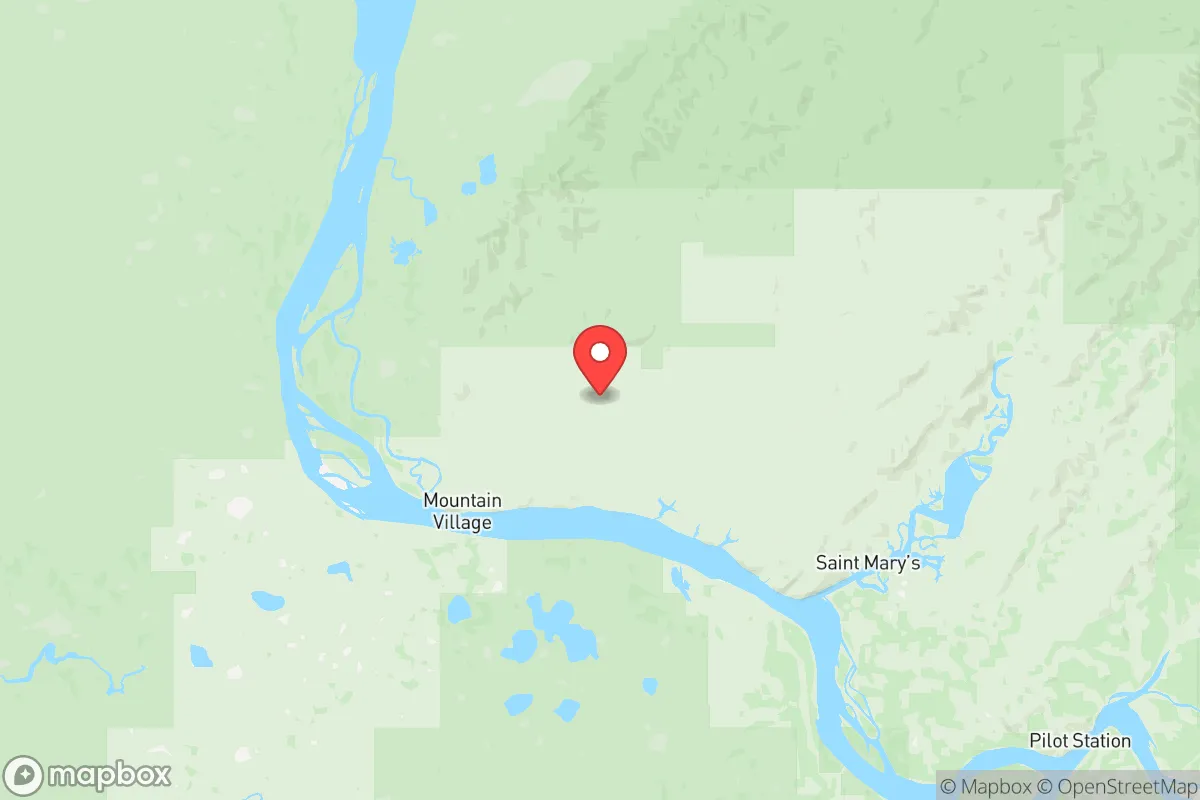
Kusilvak County’s primary strategic asset is its distance from the contiguous United States’ critical infrastructure and population density. The county’s largest community, Hooper Bay, sits roughly 500 miles west of Anchorage and over 1,000 miles from Seattle, placing it far outside the fallout zones of any plausible continental conflict or industrial disaster. The region’s position on the Bering Sea coast offers access to abundant marine resources, including salmon, halibut, and crab, which can supplement food supplies. Other key settlements like Emmonak and St. Mary’s are situated along the Yukon River, providing freshwater access and transportation corridors for subsistence activities. The area’s low population density—roughly 8,000 residents spread across 19,000 square miles—means minimal competition for natural resources and a built-in social structure oriented toward mutual aid and subsistence living. The absence of road connections to the rest of Alaska further insulates the county from large-scale migration during a crisis, as any influx would require aircraft or watercraft, both of which are limited in capacity and subject to weather.
Risks, exposures, and proximity to fallout-relevant landmarks
While Kusilvak County is far from the typical targets of a strategic strike—such as Fort Wainwright near Fairbanks or Joint Base Elmendorf-Richardson in Anchorage—it is not entirely free from exposure. The county lies within a few hundred miles of Russian military installations across the Bering Strait, including the Chukotka Peninsula’s early-warning radar sites and naval bases. In a conflict scenario, these could become targets, though the distance and prevailing winds make direct fallout contamination unlikely. More immediate natural risks include severe winter storms, coastal erosion, and flooding, particularly in low-lying communities like Newtok, which is actively relocating due to permafrost thaw and riverbank loss. The region’s reliance on diesel generators for electricity and heating fuel creates a vulnerability to supply chain disruptions; a prolonged interruption in barge or air deliveries could strain local resources. However, the absence of refineries, major ports, or large military installations within the county itself means that Kusilvak is unlikely to be a primary or secondary target in any conflict, making it a relatively safe haven compared to areas near Anchorage’s port or the Trans-Alaska Pipeline System.
Practical resilience for a relocator: food, water, energy, and defensibility
For a relocator committed to self-sufficiency, Kusilvak County offers a subsistence-based lifestyle that aligns with disaster preparedness. Food security relies heavily on hunting, fishing, and gathering; the Yukon River and Bering Sea provide salmon, whitefish, and marine mammals, while the tundra supports berry picking and small game like ptarmigan and hare. Water access is generally good from rivers and lakes, though treatment or boiling is necessary to avoid pathogens, and winter freezing requires careful storage. Energy is the weakest link: most homes use diesel generators or heating oil, with no grid connection to the Railbelt or other power systems. Solar panels are viable during the long summer days but impractical in winter, when darkness and cloud cover dominate. Wood stoves are common, but local timber is scarce—driftwood and imported fuel are the primary sources. Defensibility is high due to the region’s isolation; the lack of roads means any outsider must arrive by air or water, giving residents significant advance notice. Communities like Mountain Village and Pilot Station are small enough that social cohesion is strong, and informal networks for sharing resources and information are well-established. However, newcomers must invest time in learning local skills—boat handling, snowmachine maintenance, and food preservation—to become functional members of the community.
Overall, Kusilvak County presents a high-risk, high-reward strategic picture for the disaster-conscious relocator. Its extreme isolation and natural resource base offer genuine advantages for those seeking to opt out of centralized systems, but the trade-offs in energy dependence, climate severity, and logistical access are substantial. For a single individual or family willing to adapt to a subsistence lifestyle and build relationships within a tight-knit rural community, Kusilvak County provides one of the most secure fallback positions in the United States—provided they arrive prepared with skills, supplies, and a realistic understanding of the challenges ahead.

* Values derived from national, state, county, city and local statistics and may differ in a specific area. Last updated: 2026-06-16T18:25:19.000Z
Narrative content on this page is AI-generated and may contain mistakes. Verify any details that matter before acting on them.
ReloMaps may earn a commission from affiliate links at no extra cost to you.

