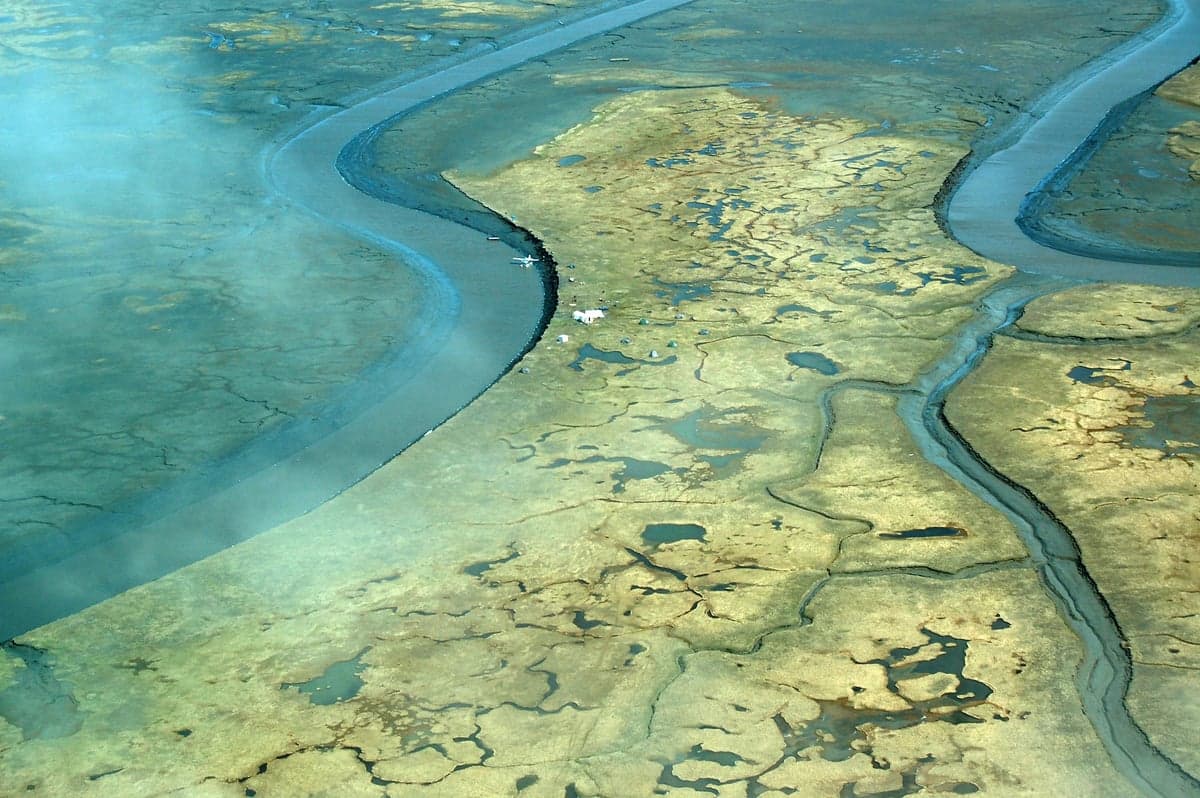
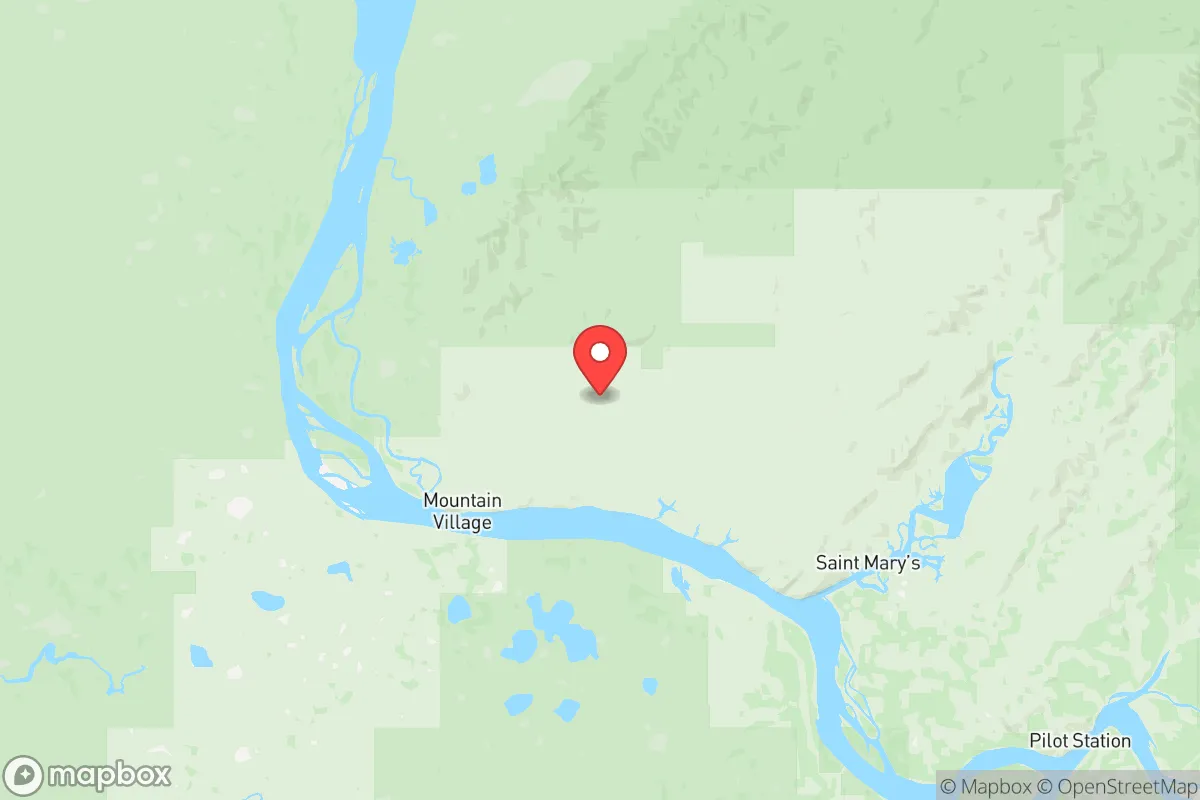
Photo: Wikipedia
Find The Best Places To Live in Kusilvak County
PRO TIP! You can paste a Zillow or Redfin link to get info on that property.
Best Places to Live in Kusilvak County


Cities & Towns in Kusilvak County
Cities in Kusilvak County
What It's Like Living in Kusilvak County, AK
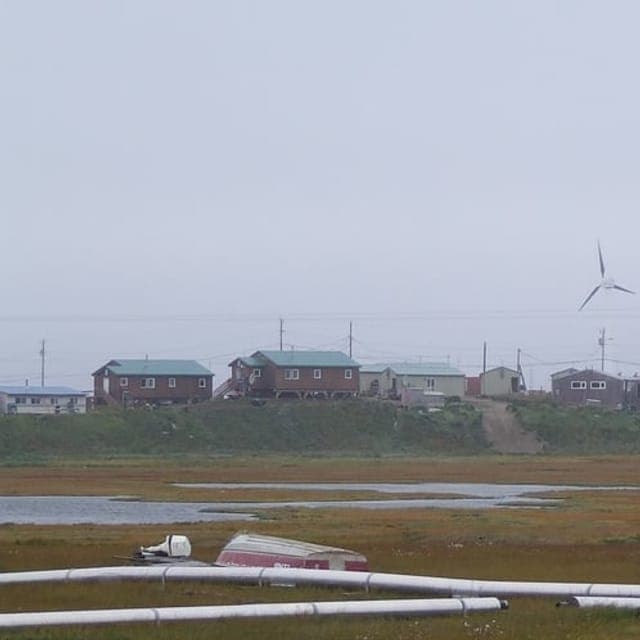
Living in Kusilvak County, Alaska, is a life far removed from the Lower 48—a place where the Yukon and Kuskokwim rivers dictate the rhythm of the year, and where the nearest road system is a plane ride away. This is a region of subsistence living, strong Yup'ik traditions, and small, resilient communities like St. Mary's, Mountain Village, and Emmonak, where daily life is shaped by the seasons, the river, and the tundra. It’s not a place for everyone, but for those who call it home, it offers a deep sense of community and connection to the land that’s hard to find anywhere else.
The Daily Rhythm: Subsistence, Seasons, and Small-Town Life
In Kusilvak County, the concept of a typical workday is different from what you’d find in Anchorage or Fairbanks. Many residents in Hooper Bay or Scammon Bay split their time between wage jobs—often with the school district, tribal councils, or local health clinics—and subsistence activities like fishing for salmon, hunting moose or seal, and gathering berries. The average commute is just under 20 minutes, but that’s often a walk or an ATV ride, not a highway drive. The median age here is 23.6, reflecting a very young population, and families are large and close-knit. You’ll see kids playing outside late into the summer evenings, and community events—from basketball tournaments to church potlucks—are the social glue. Shopping is limited to small general stores where a gallon of milk can cost $10 or more, so many families order bulk goods by barge or plane. The cost of living index is 53 (well below the US average), but that’s deceptive—while housing is cheap (median home value $72,700), nearly everything else is expensive due to shipping costs.
Sports, Community, and the Heartbeat of the Villages
If you want to understand Kusilvak County, look to the basketball court. High school basketball is the major entertainment, with tournaments like the Emmonak Invitational drawing crowds from across the delta. The rivalry between St. Mary's and Mountain Village is fierce, and games are community-wide events where the whole village shows up. There are no professional sports teams here, but the local teams—often with names like the Eagles or Warriors—are treated like royalty. In the winter, the gym is the social hub; in the summer, it’s the riverbank. For outdoor enthusiasts, the county is a paradise for fishing, boating, and snowmachining, but it’s not a place for casual hiking—there are no trails, just open tundra. The Kusilvak Mountains offer a dramatic backdrop, but they’re more often viewed from a boat or a small plane than from a trailhead.
What Frustrates and What Endears: The Real Trade-Offs
Longtime residents will tell you they love the sense of freedom and self-reliance, but they’ll also be honest about the challenges. The violent crime rate is 726.6 per 100,000, which is high—well above national averages—and substance abuse is a real issue in many villages. The weather is extreme: bitter cold in winter, with 20 hours of darkness, and a brief, buggy summer where the sun barely sets. Only 5.8% of adults hold a college degree, and the median income is $48,233, which doesn’t go as far as it sounds given the high cost of goods. On the flip side, residents love the deep community bonds. In Pilot Station or Russian Mission, you know your neighbors, and people help each other without question. There’s no traffic, no urban noise, and a pace of life that allows you to actually live by the seasons. For the right person—someone who values tradition, family, and the land over convenience and career—Kusilvak County offers a life that’s genuinely unique.
Practical Realities: Weather, Schools, and Getting Around
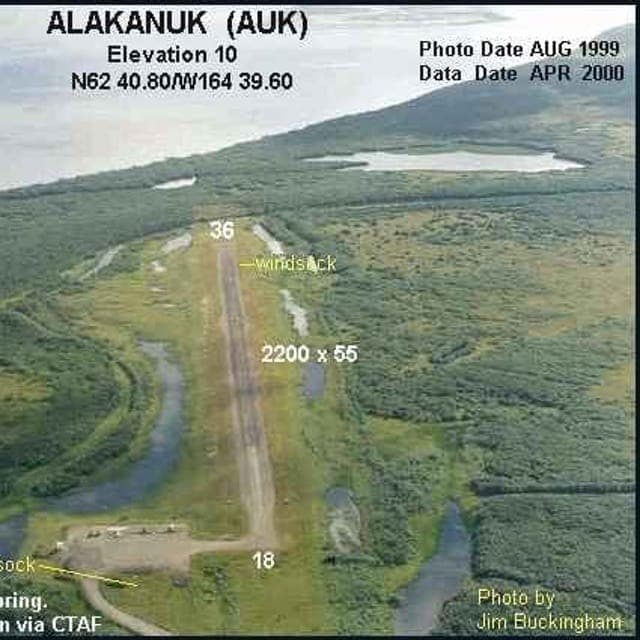
There are no roads connecting Kusilvak County to the rest of Alaska. Travel between villages like Emmonak and Alakanuk is by boat in summer and snowmachine in winter, with small planes serving as the main link to Bethel and Anchorage. Schools are the heart of each community—often the largest employer and the site of most public events. The school year is shaped by the subsistence calendar, with breaks for salmon fishing and moose hunting. Weather dictates everything: winter temperatures can drop to -40°F, and whiteouts are a real danger. Summer brings mosquitoes in biblical numbers, but also 24-hour daylight and incredible fishing. If you’re considering a move here, you need to be prepared for isolation, high shipping costs, and a lifestyle that demands self-sufficiency. But if you’re drawn to a place where tradition runs deep and the landscape is still wild, Kusilvak County is unlike anywhere else in America.

* Values derived from national, state, county, city and local statistics and may differ in a specific area. Last updated: 2026-06-16T18:25:19.000Z
Narrative content on this page is AI-generated and may contain mistakes. Verify any details that matter before acting on them.
ReloMaps may earn a commission from affiliate links at no extra cost to you.

