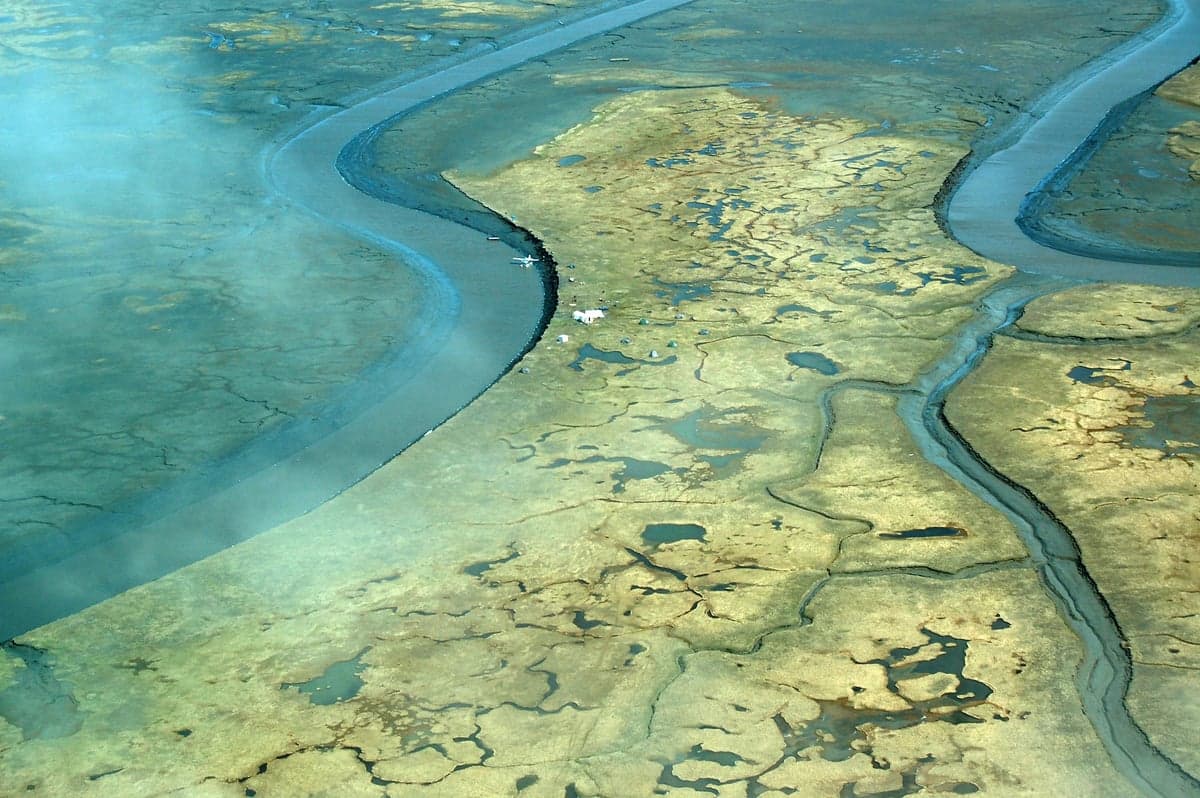
Photo: Wikipedia
Quality of Life in Kusilvak County
A livable area that tracks near national norms for affordability, walkability, and neighborhood health.
What does Quality of Life tell us?
Quality of Life measures an area by evaluating factors like cost of living, nearby amenities, country club access, airport proximity, socioeconomic signals and neighborhood character. For large states, this is a general average — quality of life can vary dramatically between metro areas, suburbs, and rural communities within the same state.
What does this tell us?
Quality of Life measures an area by evaluating factors like cost of living, nearby amenities, country club access, airport proximity, socioeconomic signals and neighborhood character. For large states, this is a general average — quality of life can vary dramatically between metro areas, suburbs, and rural communities within the same state.
Cost of Living
47% below national average
149%
The Real Cost of Living in Kusilvak County for 2026
| Tier | Individual | Family (4) |
|---|---|---|
| Survival | $13k | $25k |
| Comfortable | $22k | $32k |
| Luxury | $82k+ | $127k+ |
| Elite (Top 5%) | $97k+ | $150k+ |
Quality-of-Life Analysis
Kusilvak County, Alaska, offers a quality-of-life spectrum defined by extreme remoteness, subsistence living, and a predominantly Alaska Native population, drawing residents who value cultural tradition and self-sufficiency over urban convenience. The county’s character shifts dramatically from the regional hub of Bethel to the smaller, fly-in villages along the Yukon and Kuskokwim rivers, each offering a distinct pace of life. With a cost-of-living index of 53 — well below the U.S. average of 100 — and a median home value of just $72,700, the county is one of the most affordable places in the nation by raw dollars, though the trade-off is limited infrastructure and high prices for imported goods.
Largest town(s) & population centers
Bethel is the county’s sole incorporated city and de facto economic and transportation hub, home to roughly 6,300 of the county’s 8,300 residents. Daily life in Bethel revolves around the Bethel Regional Airport, the Kuskokwim River, and a handful of essential services: the Yukon-Kuskokwim Health Corporation hospital, the University of Alaska Fairbanks’ Kuskokwim Campus, and local government offices. Residents work in healthcare, education, tribal administration, and retail, with a median commute of just under 20 minutes. Housing is a mix of single-family homes and apartments, with median rent at $832. While Bethel has a grocery store, hardware store, and a few restaurants, goods are expensive due to air and barge shipping. The town is walkable and bikeable in summer, with snowmachines and four-wheelers common in winter. Bethel attracts professionals in public service and healthcare, as well as Alaska Native families seeking access to schools and medical care while staying connected to subsistence traditions.
Smaller towns & rural pockets
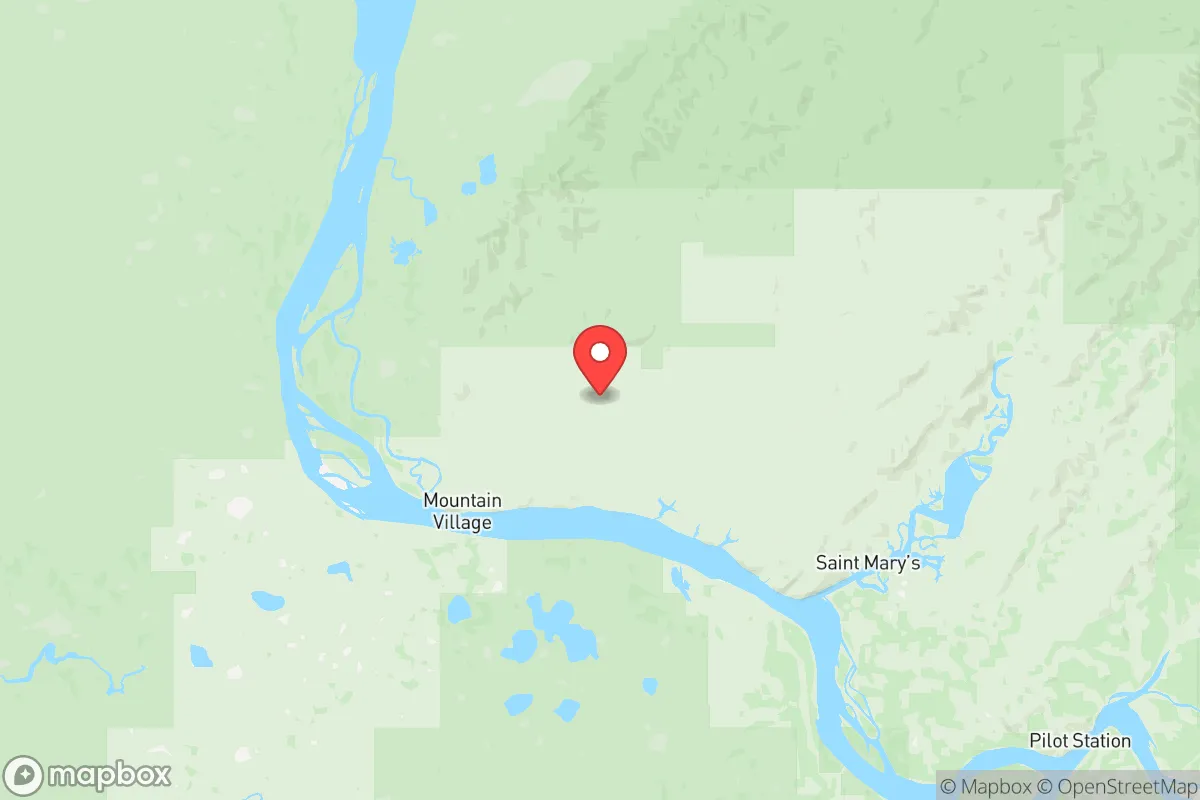
Beyond Bethel, Kusilvak County encompasses dozens of small, predominantly Yup’ik villages accessible only by small aircraft, boat, or snowmachine. Notable communities include Hooper Bay (pop. ~1,200), Emmonak (pop. ~800), Alakanuk (pop. ~700), Chevak (pop. ~1,000), and Scammon Bay (pop. ~500). These villages lack road connections to Bethel or each other, and daily life centers on subsistence fishing, hunting, and berry picking, supplemented by cash work in village schools, tribal offices, and local stores. Housing is often crowded, with many homes lacking complete plumbing. The median home value of $72,700 reflects the limited housing stock and remote location. Residents in these villages experience a slower, community-oriented lifestyle where Yup’ik language and customs remain strong. The rural pockets also include unincorporated areas along the Yukon River, such as Pilot Station and St. Mary’s, where life is similarly tied to the river and seasonal cycles.
Cost & lifestyle range
The cost-of-living spread across Kusilvak County is narrow in absolute terms but wide in practical experience. Bethel sits at the higher end of the spectrum, with median rent of $832 and access to the county’s only full-service grocery, hardware store, and healthcare facilities. Even so, a gallon of milk can cost $8–$10 due to shipping. At the lower end, villages like Emmonak or Hooper Bay have virtually no rental market and very low cash housing costs — many homes are tribally owned or inherited — but face extreme prices for store-bought goods and fuel, with gasoline often exceeding $6 per gallon. The overall cost-of-living index of 53 masks the reality that imported goods are far more expensive than the U.S. average, while housing and utilities are subsidized or cheaper. The lifestyle range is similarly stark: Bethel offers schools, a hospital, and limited entertainment, while village life demands self-reliance, subsistence skills, and comfort with isolation. Families in villages often rely on fish camps and traditional food preservation to offset high food costs.
The residents who thrive in Kusilvak County are those deeply rooted in Yup’ik culture and subsistence traditions, or professionals drawn to meaningful work in healthcare, education, and tribal governance who can adapt to extreme isolation and limited amenities. The county rewards patience, resourcefulness, and a willingness to embrace a pace of life dictated by weather, rivers, and seasons rather than clocks and highways. For those seeking a low-cost, land-based existence with strong community bonds, Kusilvak County offers a quality of life unmatched in the Lower 48 — but it is not a place for those dependent on urban infrastructure or convenience.

Crime in Kusilvak County
Higher crime rates than 66% of comparable U.S. locations.
Violent CrimeViolent Crime Analysis
Property CrimeProperty Crime Analysis
Crime Analysis
Kusilvak County, Alaska, presents a public safety environment that is markedly more dangerous than both the state and national averages, driven by extreme remoteness, limited law enforcement resources, and deep socioeconomic challenges. With a violent crime rate of 726.6 per 100,000 residents and a property crime rate of 1,909.5 per 100,000, the county's statistics reflect a community grappling with systemic issues rather than isolated incidents. The primary population centers—Hooper Bay, Emmonak, and Chevak—account for the majority of reported offenses, while smaller villages like Mountain Village and Kotlik experience lower but still elevated rates relative to their tiny populations.
Crime in context
Kusilvak County's violent crime rate of 726.6 per 100,000 is roughly double the national average (approximately 380 per 100K) and significantly higher than Alaska's statewide rate of about 640 per 100K. Property crime at 1,909.5 per 100K is similarly elevated, outpacing the national average of roughly 1,950 per 100K but falling slightly below Alaska's statewide property crime rate of about 2,200 per 100K. These figures place Kusilvak among the most dangerous counties in Alaska by violent crime metrics, comparable to other remote western Alaska boroughs like Nome Census Area. The data, however, likely undercounts actual incidents due to underreporting in isolated villages where residents may distrust law enforcement or lack easy access to reporting mechanisms. The Alaska Department of Public Safety's "V" and "D" detachments, which cover the Yukon-Kuskokwim Delta region, are stretched thin across vast distances, with response times often measured in hours or days rather than minutes.
What residents experience
For residents of Kusilvak County, crime is not an abstract statistic but a daily reality shaped by the region's unique geography and social fabric. Hooper Bay, the largest community with roughly 1,200 residents, consistently reports the highest number of violent offenses, including aggravated assault and sexual assault, often linked to alcohol abuse and domestic disputes. Emmonak, a regional hub for transportation and services, sees elevated property crime—particularly burglary and theft—driven by seasonal economic pressures and limited employment opportunities. Chevak has experienced periodic spikes in vandalism and alcohol-related disorder, while Mountain Village and Kotlik report lower overall crime volumes but still face challenges with substance abuse and petty theft. The absence of a local jail means offenders are often released back into communities pending court appearances in Bethel, the judicial hub for the region, creating a cycle of recidivism that frustrates residents and strains public trust. The progressive judicial philosophy prevalent in Alaska's rural courts, which emphasizes rehabilitation over incarceration, has been criticized by local leaders for failing to deter repeat offenders and for prioritizing offender welfare over victim safety and community protection.
Neighborhood-level variation within Kusilvak County is less about distinct districts and more about community size and infrastructure. Larger villages like Hooper Bay and Emmonak experience higher absolute crime numbers due to population density and the presence of alcohol importation networks, while smaller, more isolated villages like Alakanuk and Scammon Bay see fewer incidents but face greater challenges in reporting and response. The lack of road connections between communities means that crime patterns are largely self-contained, with offenders and victims typically known to each other. For prospective residents—primarily those considering employment in healthcare, education, or tribal administration—safety planning involves understanding that property crime is pervasive across all villages, while violent crime is concentrated in the larger, more accessible hubs. The Alaska State Troopers' "V" Detachment, based in Bethel, provides primary law enforcement for the entire region, with village public safety officers (VPSOs) serving as the first line of defense in individual communities, though turnover and understaffing remain chronic issues.
* Values derived from national, state, county, city and local statistics and may differ in a specific area. Last updated: 2026-06-16T18:25:19.000Z
Narrative content on this page is AI-generated and may contain mistakes. Verify any details that matter before acting on them.
ReloMaps may earn a commission from affiliate links at no extra cost to you.

