Quality of Life in Juneau City And County
A livable area that tracks near national norms for affordability, walkability, and neighborhood health.
What does Quality of Life tell us?
Quality of Life measures an area by evaluating factors like cost of living, nearby amenities, country club access, airport proximity, socioeconomic signals and neighborhood character. For large states, this is a general average — quality of life can vary dramatically between metro areas, suburbs, and rural communities within the same state.
What does this tell us?
Quality of Life measures an area by evaluating factors like cost of living, nearby amenities, country club access, airport proximity, socioeconomic signals and neighborhood character. For large states, this is a general average — quality of life can vary dramatically between metro areas, suburbs, and rural communities within the same state.
Cost of Living
37% above national average
81%
The Real Cost of Living in Juneau City And County for 2026
| Tier | Individual | Family (4) |
|---|---|---|
| Survival | $23k | $44k |
| Comfortable | $84k | $124k |
| Luxury | $153k+ | $237k+ |
| Elite (Top 5%) | $180k+ | $279k+ |
Quality-of-Life Analysis
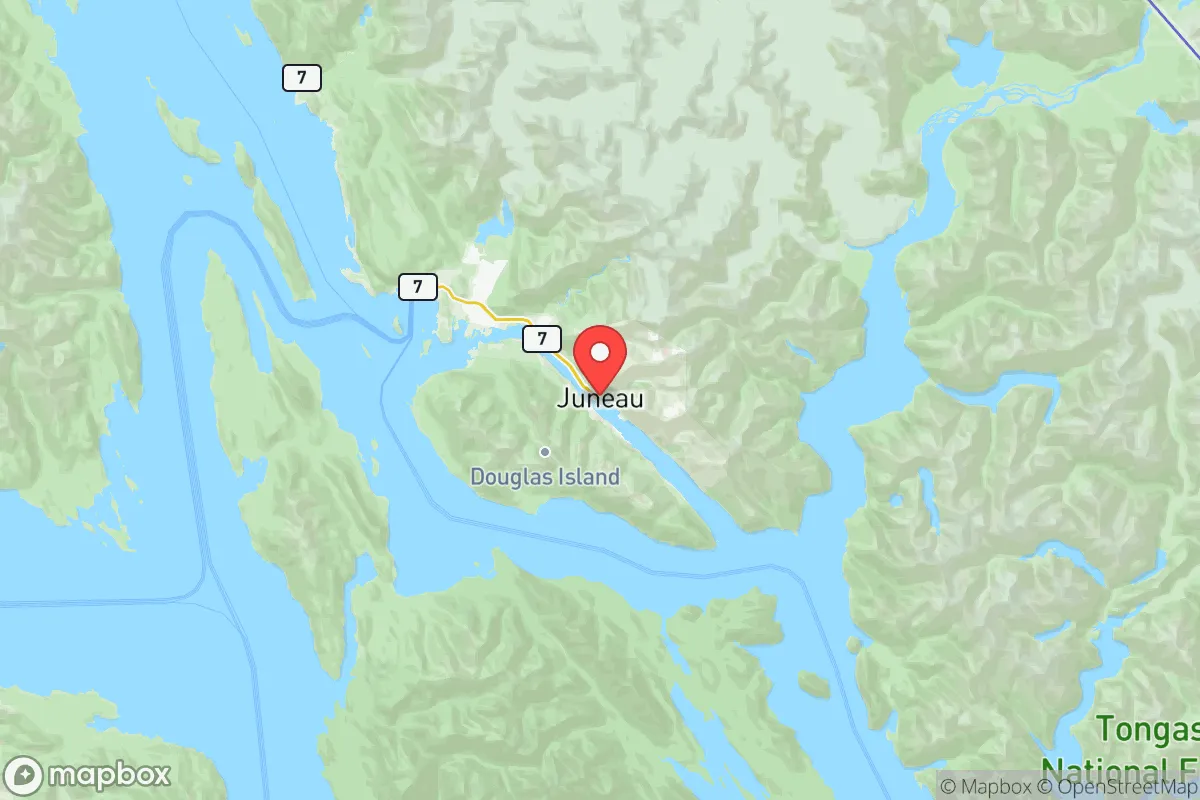
Juneau City and County, Alaska, is a consolidated municipality that functions as both the state capital and a vast, roadless county covering over 3,200 square miles of temperate rainforest and coastal fjords. The county's quality-of-life options span from the dense, walkable downtown core of Juneau proper to isolated, off-grid communities accessible only by boat or floatplane, drawing everyone from government employees and cruise industry workers to homesteaders and wilderness guides.
Largest town(s) & population centers
The only incorporated city and overwhelming population center is Juneau itself, home to roughly 32,000 of the county's 33,000 residents. Daily life in Juneau centers on the downtown waterfront, the Mendenhall Valley (the primary residential and commercial strip), and the Douglas Island neighborhoods connected by a bridge. The state capitol building, the University of Alaska Southeast, and the Juneau International Airport anchor the economy. Commuting is unusually short for a capital city — the average commute is just 15.8 minutes — because the road system dead-ends at the glacier and the ferry terminal, forcing most residents to live within a narrow corridor. The Mendenhall Valley offers the most suburban feel, with big-box stores, schools, and the hospital, while downtown Juneau is a dense, walkable historic district packed with bars, galleries, and state offices. Douglas, a former mining town on Douglas Island, provides a quieter, more residential alternative with older homes and forested lots, still within a 10-minute drive of downtown.
Smaller towns & rural pockets
Beyond the Juneau road system, the county includes several unincorporated communities that function as distinct rural outposts. Auke Bay, about 12 miles north of downtown, is a small harbor community with a marina, a few restaurants, and the NOAA fisheries campus — it feels like a separate fishing village. Thane, a narrow strip of homes along Gastineau Channel south of downtown, is a semi-rural enclave with no commercial services, accessible only by a single winding road. Lemon Creek and Switzer Creek are unincorporated residential pockets along the road system, offering larger lots and more privacy than the valley. The most remote rural areas are the outlying island communities such as Funter Bay and Cube Cove on Admiralty Island, and Elfin Cove on Chichagof Island — these are true off-grid settlements with populations under 50, reachable only by floatplane or boat, where residents rely on solar power, rainwater catchment, and subsistence fishing. The county also encompasses the entire Mendenhall Glacier recreation area and vast tracts of Tongass National Forest, where no permanent residences exist but seasonal cabins and research stations operate.
Cost & lifestyle range
The cost of living in Juneau City and County is significantly above the national average, with a composite cost-of-living index of 137 (100 is the U.S. average). The median home value is $432,500 and median rent is $1,462, but these figures mask a wide spread. At the high end, waterfront homes on Douglas Island or in the Starr Hill neighborhood of downtown Juneau can exceed $700,000, while condos in the Mendenhall Valley often sell for $300,000–$400,000. At the low end, older homes in Thane or Lemon Creek may list below $300,000, and remote cabins on Admiralty Island can be purchased for under $150,000 — but with no road access, no utilities, and no services. Rent follows a similar pattern: a one-bedroom apartment in the Mendenhall Valley averages $1,400–$1,600, while a room in a shared house in Douglas might go for $900–$1,100. Groceries and utilities are 20–30% higher than the national average due to shipping costs, but residents offset this with lower transportation expenses — many walk or bike to work, and the short commute saves on fuel. The lifestyle range is stark: downtown Juneau offers urban amenities like museums, breweries, and live theater, while rural pockets like Funter Bay offer complete isolation, with no stores, no internet, and no neighbors within sight.
This county is best suited for people who value proximity to wilderness over urban convenience, and who can tolerate high prices for housing and goods in exchange for unmatched outdoor access. Government workers, university faculty, and healthcare professionals thrive in the Juneau core, while fishermen, guides, and remote workers with satellite internet find their niche in the outlying communities. Those seeking a low-cost, car-dependent suburban lifestyle will struggle here — the county's character demands either embracing the dense walkable capital or committing to true off-grid living.

Crime in Juneau City And County
Higher crime rates than 66% of comparable U.S. locations.
Violent CrimeViolent Crime Analysis
Property CrimeProperty Crime Analysis
Crime Analysis
Juneau City And County, Alaska, reports violent crime at 732.2 incidents per 100,000 residents and property crime at 1,917.5 per 100,000, placing it among Alaska's higher-risk communities. These figures reflect the unique challenges of the state's capital, which combines dense downtown neighborhoods, isolated suburban pockets, and significant transient populations. While property crime aligns roughly with Alaska's statewide property rate of 1,900 per 100,000, violent crime in Juneau exceeds the state average of approximately 650 per 100,000 and is more than double the national rate of about 380 per 100,000, according to 2023 FBI data.
Crime in context
Alaska consistently leads the nation in violent crime per capita, and Juneau exemplifies that pattern. The city's violent crime rate of 732.2 per 100,000 is driven largely by aggravated assault (which accounts for roughly 70% of violent offenses) and, to a lesser extent, robbery. Property crime at 1,917.5 per 100,000 is driven by larceny-theft, motor vehicle theft, and burglary, with a notable percentage of incidents tied to seasonal tourism activity in the downtown historic district. When compared to other Alaska communities, Juneau's violent crime rate is lower than Anchorage's (which hovers near 900 per 100,000) but far higher than smaller towns like Sitka (around 400 per 100,000) or Haines. The presence of the Alaska State Legislature and a concentration of government offices and seasonal workers creates a dynamic where crime spikes during tourist season — particularly theft and minor assault around Franklin Street and dockside areas.
What residents experience
Residents report that property crime is the most tangible safety concern, especially vehicle break-ins and theft of outdoor equipment like bikes and kayaks. Neighborhoods near downtown Juneau, such as Lemon Creek and the Mendenhall Valley, see higher incidences of property crime due to density and easier access for perpetrators. Areas like Douglas, across the Gastineau Channel, and Auke Bay to the north tend to feel safer, with lower foot traffic and more residential zoning. The Juneau Police Department responds to about 4,000 property crime calls annually, but clearance rates for larceny remain low — under 20% — which frustrates victims. Violent crime, while rarer, concentrates in the downtown core and near transient shelters; the Glacier Highway corridor from the airport to the ferry terminal also reports elevated disorder incidents. The district attorney's office in Juneau, part of Alaska's First Judicial District, has faced criticism for progressive charging policies that some residents believe result in light sentences for repeat property offenders. Alaska's relatively lenient sentencing guidelines for nonviolent property crimes, combined with a shortage of jail space, mean many property offenders cycle back quickly — a pattern that erodes public trust. For families, daily life remains manageable with common-sense precautions: locking vehicles, using garage storage for valuable outdoor gear, and avoiding late-night solo walks on less traveled downtown streets.
Neighborhood-level variation
Crime in Juneau is not evenly distributed. The downtown area — especially the Franklin Street corridor and the area around the State Capitol building — sees the highest concentration of theft, public intoxication, and assault incidents, driven by tourism and the seasonal influx of cruise passengers. The Mendenhall Valley, particularly near the Glacier Highway strip malls, reports moderate property crime, including shoplifting and vehicle break-ins. In contrast, the North Douglas Highway and outlying subdivisions like Switzer Creek see very low crime, with many residents leaving doors unlocked. Notably, the presence of the Lemon Creek Correctional Center near the valley contributes to a transient offender population that cycles through the area. Progressive judicial policies in the region, including a focus on restorative justice for property crimes, have been cited by local safety advocates as a factor in repeat offending rates. Prospective relocators should prioritize homes in higher-elevation neighborhoods or North Douglas for lower risk, while remaining aware that property crime can occur anywhere due to Juneau's isolated geography and limited police resources.
* Values derived from national, state, county, city and local statistics and may differ in a specific area. Last updated: 2026-07-06T10:54:11.000Z
Narrative content on this page is AI-generated and may contain mistakes. Verify any details that matter before acting on them.
ReloMaps may earn a commission from affiliate links at no extra cost to you.

