Strategic Assessment of Mobile County
Meaningful friction. Expect exposure to either population pressure, blast zones, or natural disaster risk. Consider buying a retreat property.
What does the Strategic Assessment tell us?
Our Strategic Assessment grades tactical survivability of an area. Major population centers, military targets, fallout zones, natural disasters, and border exposure all drive risk — lower exposure means a more defensible position in a crisis.
This is heavily inspired by Joel Skousen's Strategic Relocation book. Highly recommended you checkout the book ($)What does this tell us?
Our Strategic Assessment grades tactical survivability of an area. Major population centers, military targets, fallout zones, natural disasters, and border exposure all drive risk — lower exposure means a more defensible position in a crisis.
This is heavily inspired by Joel Skousen's Strategic Relocation book. Highly recommended you checkout the book ($)Strategic Pillars

Key Distances
Strategic Assessment Analysis
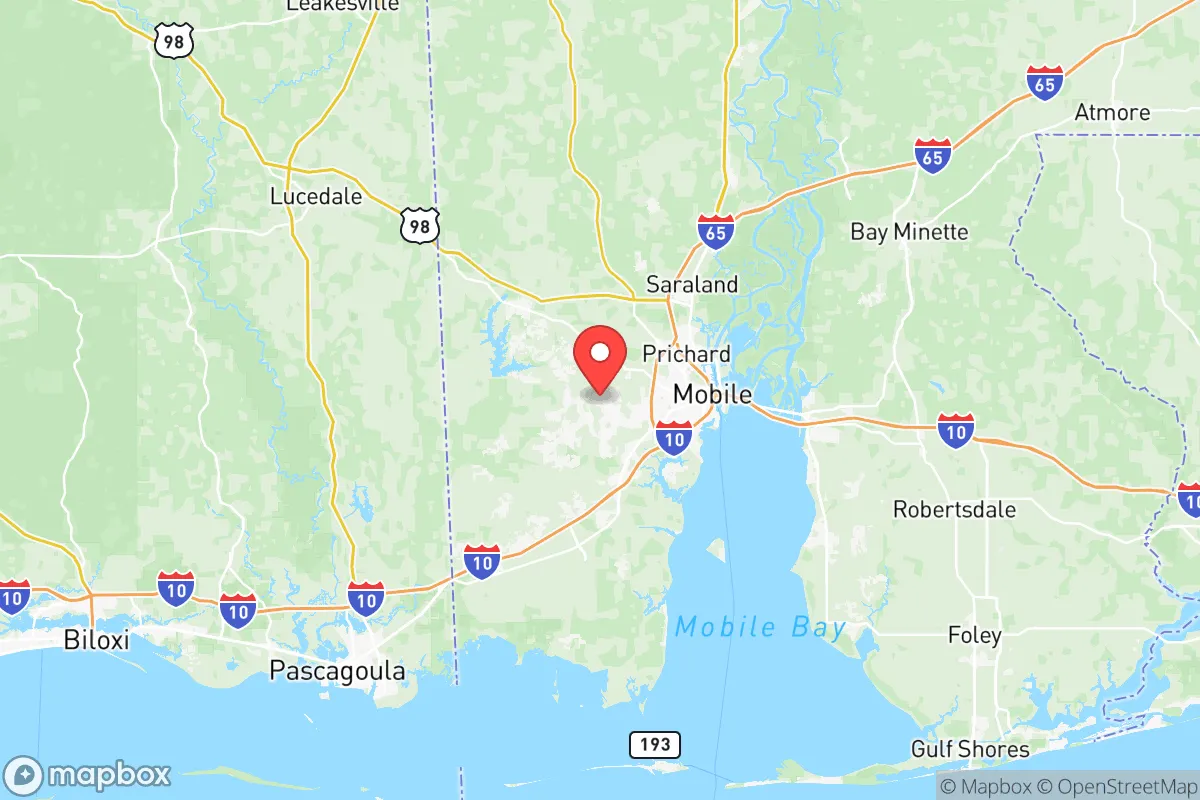
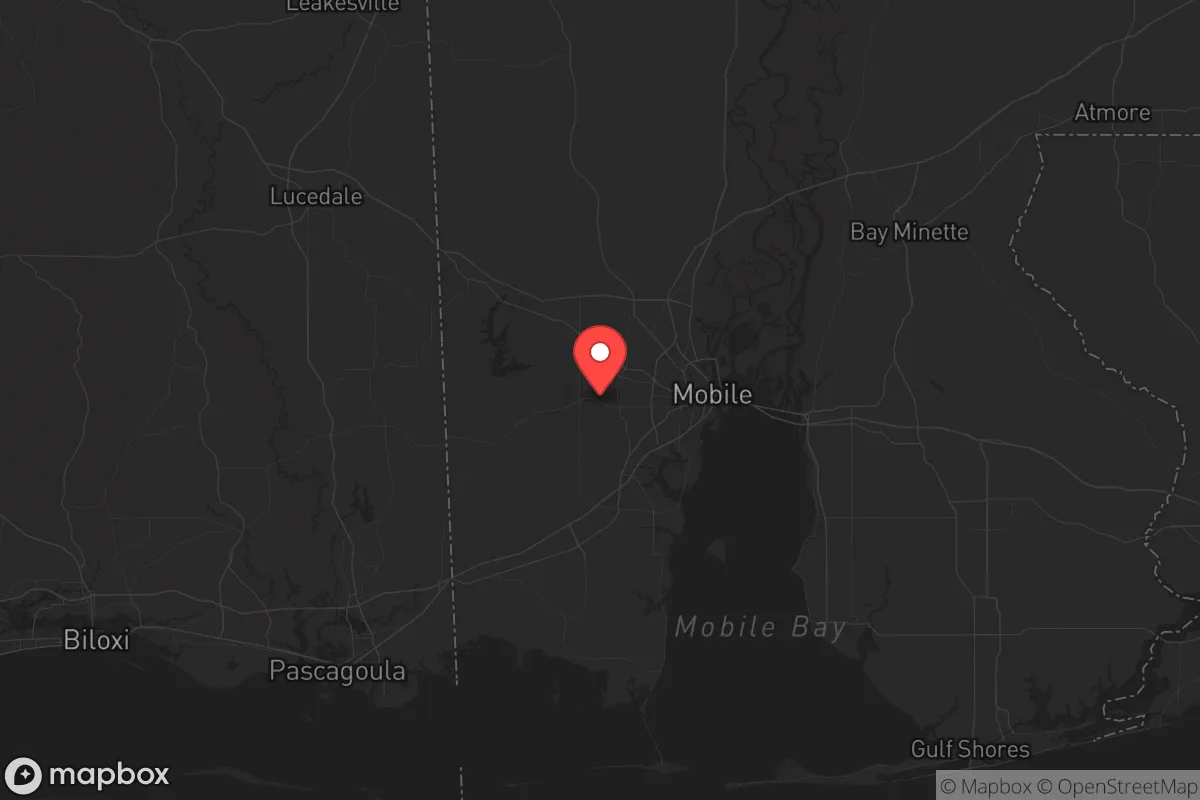
Mobile County, Alabama, occupies a strategic position on the Gulf Coast that combines significant geographic advantages with real, calculable risks for a relocator focused on resilience and self-sufficiency. Its location at the head of Mobile Bay, straddling the border with Mississippi and within a few hours' drive of Florida, places it at a crossroads of transportation, energy, and military infrastructure that is both an asset and a liability. For a conservative-leaning individual or family weighing disaster readiness, the county offers a mix of natural buffers, industrial exposure, and practical living conditions that require careful, unvarnished assessment.
Geographic position and natural advantages for long-term stability
Mobile County's most obvious strategic asset is its access to fresh water and the Gulf of Mexico. The Mobile River, Tensaw River, and the vast Mobile-Tensaw River Delta form one of the largest river deltas in the United States, providing a massive, renewable freshwater source that is rare along the Gulf Coast. This delta system, often called "America's Amazon," is a natural filtration and flood-buffering zone that gives the county a hydrological resilience many coastal areas lack. The county's topography is generally low and flat, but the presence of numerous creeks, bayous, and the delta itself means that well-chosen higher ground—particularly in the northern parts of the county around Citronelle and Mount Vernon—offers better drainage and reduced flood risk compared to the immediate coastline. The climate is humid subtropical, with a long growing season that supports year-round gardening and small-scale agriculture, a practical advantage for anyone serious about food self-sufficiency. The proximity to the Gulf also moderates temperature extremes, reducing the risk of the deep freezes that can cripple infrastructure further north.
Risks, exposures, and proximity to fallout-relevant landmarks
The same geography that provides water and moderate climate also concentrates risk. Mobile County is squarely in the path of Gulf hurricanes, and the storm surge from a major hurricane can push well inland through the bay and river systems. Mobile itself, the county seat and largest city, is a major port with extensive chemical and refining infrastructure along the Mobile River and in the Theodore Industrial Complex. The Mobile Refinery (formerly Shell) and the numerous chemical plants along the river corridor are significant man-made risk factors; a major storm or industrial accident could create hazardous material releases that affect large areas downwind. For a relocator thinking about fallout or societal disruption, the county's position relative to Pensacola Naval Air Station (about 60 miles east) and Keesler Air Force Base in Biloxi (about 50 miles west) means it lies within a zone that could see secondary effects from a kinetic or electromagnetic event targeting those military installations. The Port of Mobile itself, one of the busiest in the Gulf, is a strategic chokepoint for energy and container shipping, making it a plausible target in a conflict scenario. The concentration of industry and military-adjacent infrastructure means that downtown Mobile and the areas immediately along the bay are higher-risk zones; the safer ground lies north and west, away from the water and the industrial spine.
Practical resilience for a relocator: food, water, energy, and defensibility
For a family or individual looking to establish a self-sufficient homestead, Mobile County offers a mixed but workable picture. The long growing season is a genuine asset: with proper planning, a household can produce vegetables, fruits, and even some grains for much of the year. The soil in the northern part of the county, particularly around Citronelle, is sandy and well-drained, which is good for root crops but requires amendment for heavy feeding plants. Water availability is excellent—the shallow aquifer is accessible via well in most rural areas, and the abundance of surface water in the delta provides a backup source, provided it is properly filtered. Energy resilience is more challenging. The local grid is vulnerable to hurricane-related outages, and the reliance on natural gas for heating and electricity means that a disruption to the Gulf's pipeline network could leave residents without power for extended periods. Solar is viable, but the frequent cloud cover from Gulf storms reduces its reliability compared to the desert Southwest. Defensibility is a function of location: the dense pine forests and rural character of northern Mobile County and the adjacent Washington County provide natural cover and separation from population centers, but the flat terrain offers few natural chokepoints. A property with a good well, solar array with battery backup, and a defensible perimeter of cleared land is achievable, but it requires capital and planning. The county's gun culture is strong, and local law enforcement in the rural areas is generally supportive of property rights, which aligns with a conservative mindset toward self-defense.
The overall strategic picture for Mobile County is one of high potential paired with high awareness. The natural advantages—abundant fresh water, a long growing season, and a moderate climate—are real and valuable for anyone serious about long-term self-sufficiency. The risks are equally real: hurricane exposure, industrial concentration, and proximity to military targets mean that a relocator must choose their specific location within the county with care. The northern tier, away from the bay and the industrial corridor, offers the best balance of resilience and safety. For a conservative-leaning family that values community, self-reliance, and is willing to invest in off-grid infrastructure, Mobile County is a viable option—but only if the risks are understood and mitigated from day one.

* Values derived from national, state, county, city and local statistics and may differ in a specific area. Last updated: 2026-07-02T18:08:19.000Z
Narrative content on this page is AI-generated and may contain mistakes. Verify any details that matter before acting on them.
ReloMaps may earn a commission from affiliate links at no extra cost to you.

