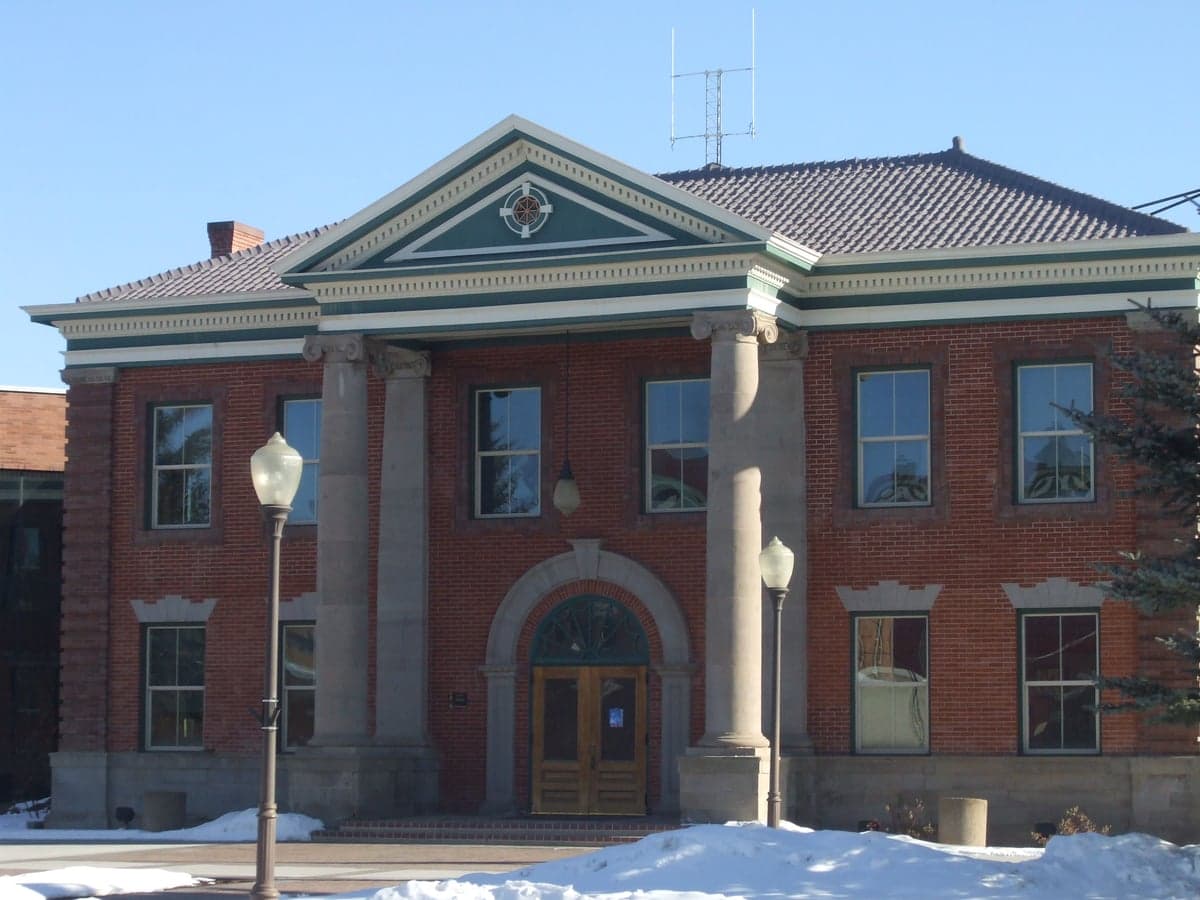
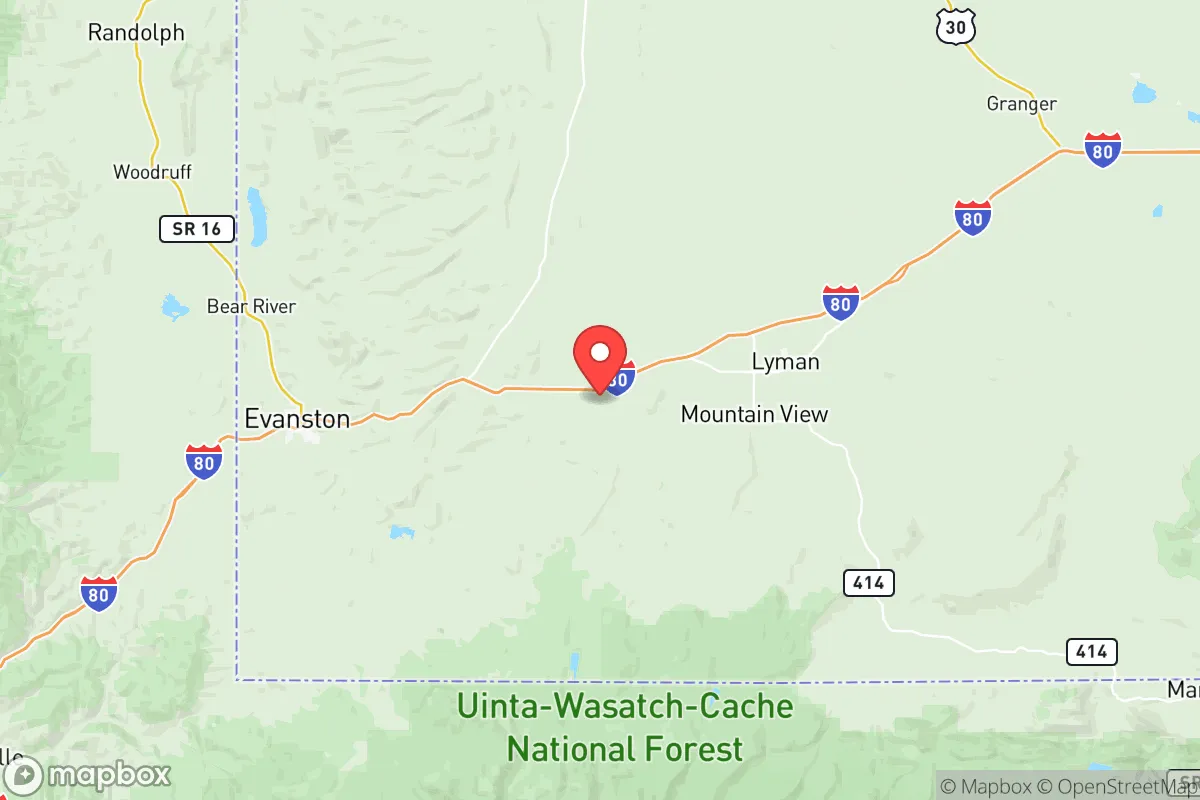
Photo: Wikipedia
Quality of Life in Uinta County
A livable area that tracks near national norms for affordability, walkability, and neighborhood health.
What does Quality of Life tell us?
Quality of Life measures an area by evaluating factors like cost of living, nearby amenities, country club access, airport proximity, socioeconomic signals and neighborhood character. For large states, this is a general average — quality of life can vary dramatically between metro areas, suburbs, and rural communities within the same state.
What does this tell us?
Quality of Life measures an area by evaluating factors like cost of living, nearby amenities, country club access, airport proximity, socioeconomic signals and neighborhood character. For large states, this is a general average — quality of life can vary dramatically between metro areas, suburbs, and rural communities within the same state.
Cost of Living
18% below national average
113%
The Real Cost of Living in Uinta County for 2026
| Tier | Individual | Family (4) |
|---|---|---|
| Survival | $14k | $26k |
| Comfortable | $50k | $73k |
| Luxury | $101k+ | $157k+ |
| Elite (Top 5%) | $119k+ | $184k+ |
Quality-of-Life Analysis
Uinta County, Wyoming, offers a spectrum of living environments that range from the modest commercial hub of Evanston to the remote, high-altitude ranching communities of Mountain View and Lyman, with vast stretches of open range and forest in between. The county’s overall cost of living index sits at 82 (well below the U.S. average of 100), with a median home value of $255,400 and median rent of $882, making it one of the more affordable areas in the Rocky Mountain region. This diversity attracts a mix of energy-sector workers, ranchers, outdoor recreationists, and families seeking a quieter, lower-cost lifestyle, each finding a different fit along the county’s geographic and economic spectrum.
Largest town(s) & population centers
Evanston, the county seat and largest town (population roughly 12,000), is the commercial and transportation anchor of Uinta County, situated directly on Interstate 80 near the Utah border. Daily life here revolves around a mix of retail, healthcare, and government services, with employers like the Uinta County School District, the Wyoming Department of Corrections (at the state prison), and local oil and gas operations providing steady jobs. The town offers a walkable historic downtown along Front Street, a regional hospital, and the Bear River State Park for quick outdoor access. Commute times average just over 20 minutes countywide, but within Evanston most errands are a short drive. The housing stock is a blend of older single-family homes and newer subdivisions, with median home values near the county average; renters find the $882 median rent notably lower than in comparable towns in Utah or Colorado. Evanston leans politically conservative, reflecting the broader county trend, and its schools serve as a central hub for surrounding rural families.
Smaller towns & rural pockets
Southwest of Evanston, Mountain View (population roughly 1,200) and Lyman (population about 2,000) form a smaller, more agricultural cluster along the Uinta Mountains’ western flank. These communities are dominated by cattle ranching, hay farming, and seasonal recreation, with residents commuting to Evanston or even Rock Springs for specialized services. Fort Bridger, a tiny unincorporated community east of Lyman, is known primarily for the historic Fort Bridger State Historic Site and a handful of homes and businesses along Highway 30. Further east, Lonetree and Robertson are sparsely populated ranching areas near the Utah line, where homes sit on large parcels and the nearest grocery store may be 30 minutes away. The rural pockets offer deep quiet, dark skies, and direct access to the Uinta-Wasatch-Cache National Forest, but lack public water systems, high-speed internet, and any significant employment base outside of agriculture.
Cost & lifestyle range
The cost of living and amenities vary sharply across Uinta County. At the higher-amenity end, Evanston provides the most services—grocery chains, a Walmart, medical clinics, and a public library—with home prices slightly above the county median in desirable neighborhoods near the high school or golf course. At the lower-cost end, Mountain View and Lyman offer significantly cheaper housing: a three-bedroom home on a half-acre lot can sell for under $200,000, and rents often fall below $700. However, these savings come with trade-offs: fewer retail options, longer drives to work or school, and limited after-school activities for children. The most remote rural areas, like Lonetree or the Bridger Valley outskirts, have the lowest property costs per acre but require self-sufficiency in water, septic, and heating (often propane). Utility costs in the county are moderate, though winter heating bills can spike due to high elevation and cold temperatures. Property taxes remain low by national standards, a consistent draw for retirees and remote workers seeking to stretch their income.
Uinta County suits people who value affordability, open space, and a slower pace over urban convenience. Families who prioritize a low cost of living and outdoor recreation—hunting, fishing, snowmobiling in the Uintas—will find the most balance in Evanston, while ranchers, homesteaders, and those seeking maximum seclusion gravitate toward the smaller towns and rural pockets of the Bridger Valley. The county’s political and social culture is consistently conservative, and newcomers should be comfortable with long distances to major airports (Salt Lake City is about 90 minutes from Evanston) and a limited dining and entertainment scene. For those who fit that profile, Uinta County offers one of the most affordable and spacious living environments in the Intermountain West.

Crime in Uinta County
Generally safer than 71% of comparable U.S. locations.
Violent CrimeViolent Crime Analysis
Property CrimeProperty Crime Analysis
Crime Analysis
Uinta County, Wyoming, reports a violent crime rate of 171.9 per 100,000 residents and a property crime rate of 1,012.8 per 100,000, placing it in a moderate safety tier compared to both state and national averages. While the county is not among Wyoming’s most dangerous, its property crime rate exceeds the state average, and residents in towns like Evanston and Lyman should remain vigilant about theft and burglary. The county’s overall safety picture is shaped by its rural geography, limited law enforcement resources, and the proximity to Interstate 80, which funnels transient traffic through communities such as Bear River and Fort Bridger.
Crime in context
Uinta County’s violent crime rate of 171.9 per 100,000 is roughly 30% lower than the national average of about 250 per 100,000, but it sits slightly above Wyoming’s statewide rate of approximately 160 per 100,000. Property crime in the county, at 1,012.8 per 100,000, is nearly 20% higher than Wyoming’s average of roughly 850 per 100,000, though still below the national figure of 1,200 per 100,000. The disparity between violent and property crime rates suggests that while serious assaults and robberies are relatively rare, theft and vandalism are more common, particularly in areas with transient populations. Evanston, the county seat and largest town, accounts for a disproportionate share of reported incidents, while smaller communities like Mountain View and Robertson report fewer crimes overall. The county’s location along I-80, a major east-west corridor, contributes to property crime through vehicle break-ins and cargo theft, a pattern seen in other Wyoming counties like Sweetwater and Carbon.
What residents experience
Residents of Uinta County generally report feeling safe in their daily lives, but property crime remains a persistent annoyance. Evanston sees the highest concentration of theft and burglary, often linked to drug-related activity and transient offenders passing through from larger cities like Salt Lake City or Rock Springs. Lyman and Bear River experience lower violent crime rates but still face occasional vehicle thefts and shed break-ins. The county’s judicial system, overseen by the Third Judicial District, has historically taken a conservative approach to sentencing, with District Attorney Douglas Weaver prioritizing prosecution of repeat offenders and drug-related crimes. This contrasts with more progressive jurisdictions in states like Colorado or California, where lenient policies can lead to higher recidivism and more criminals on the street. In Uinta County, the emphasis on accountability means that residents are less likely to encounter the revolving-door justice seen in liberal metro areas, though limited jail space in Evanston sometimes results in early releases for non-violent offenders.
Neighborhood-level variation is notable, with newer subdivisions on the outskirts of Evanston—such as those near the Uinta County Fairgrounds—reporting fewer incidents than older downtown blocks near the railroad tracks. Fort Bridger, a historic town with a small population, enjoys extremely low crime rates, while the unincorporated area around Robertson sees occasional trespassing and livestock theft. For families considering relocation, the safest options are typically the smaller communities of Mountain View and Robertson, where violent crime is virtually nonexistent and property crime is rare. However, all areas benefit from the county’s strong community policing model, with the Uinta County Sheriff’s Office maintaining a visible presence in rural zones. Prospective residents should note that while Uinta County is safer than many rural counties in neighboring states, the property crime rate warrants standard precautions like securing vehicles and installing outdoor lighting, especially in Evanston and Lyman.
* Values derived from national, state, county, city and local statistics and may differ in a specific area. Last updated: 2026-06-17T09:45:45.000Z
Narrative content on this page is AI-generated and may contain mistakes. Verify any details that matter before acting on them.
ReloMaps may earn a commission from affiliate links at no extra cost to you.

