Photo: Wikipedia
Find The Best Places To Live in Converse County
PRO TIP! You can paste a Zillow or Redfin link to get info on that property.
Best Places to Live in Converse County
Cities & Towns in Converse County
Cities in Converse County
What It's Like Living in Converse County, WY
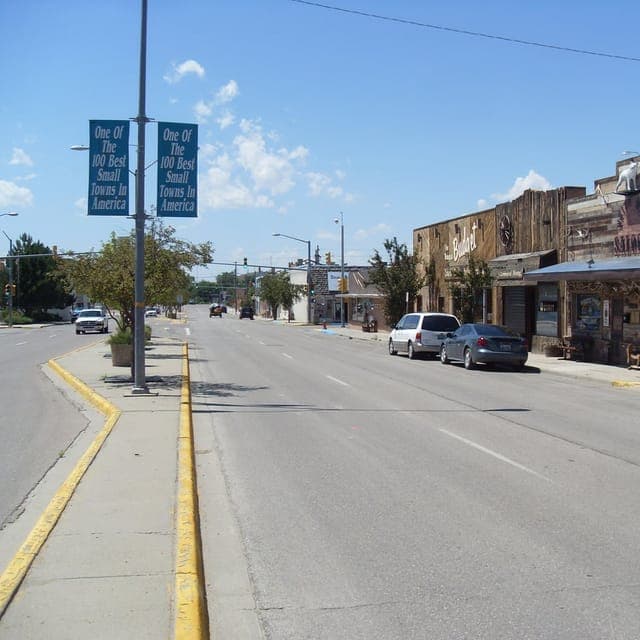
Living in Converse County, Wyoming, means trading the constant buzz of city life for a slower, more self-reliant rhythm where the sky stretches forever and your neighbors actually know your name. With a population of just under 14,000 spread across towns like Douglas, Glenrock, and the tiny unincorporated community of Lost Springs, this is a place where the high plains meet the North Platte River, and where the median age of 41.3 reflects a community that’s settled, not transient. It’s a county that appeals to people who value space, quiet, and a straightforward way of living—where a $269,700 median home value buys you room to breathe, and a 24-minute average commute means you’re never stuck in traffic.
Daily Rhythm: What People Actually Do
Most mornings in Converse County start early, often with a cup of coffee at a local spot like The Depot in Douglas or the Glenrock Diner, where talk turns to the weather, the price of hay, or the upcoming high school football game. The median household income of $79,164 supports a mix of jobs: energy (coal, oil, and uranium mining), agriculture (cattle ranching is king), and a growing number of remote workers who’ve discovered they can trade a Denver salary for a Douglas mortgage. Weekends are for chores—fixing fence, hauling feed, or mowing a yard that’s measured in acres, not feet—but also for recreation. The North Platte River draws fly fishermen year-round, and the Douglas Community Pool is a summer hub for families. Shopping is practical: you’ll find a Walmart in Douglas, but most people drive to Casper (about 45 minutes west) for anything beyond groceries or hardware. The cost of living index of 86 (14% below the national average) means your paycheck goes further, but you’ll also learn to plan ahead—if you forget a specialty item, it’s a 90-minute round trip.
Sports & Community: Where Friday Nights Matter
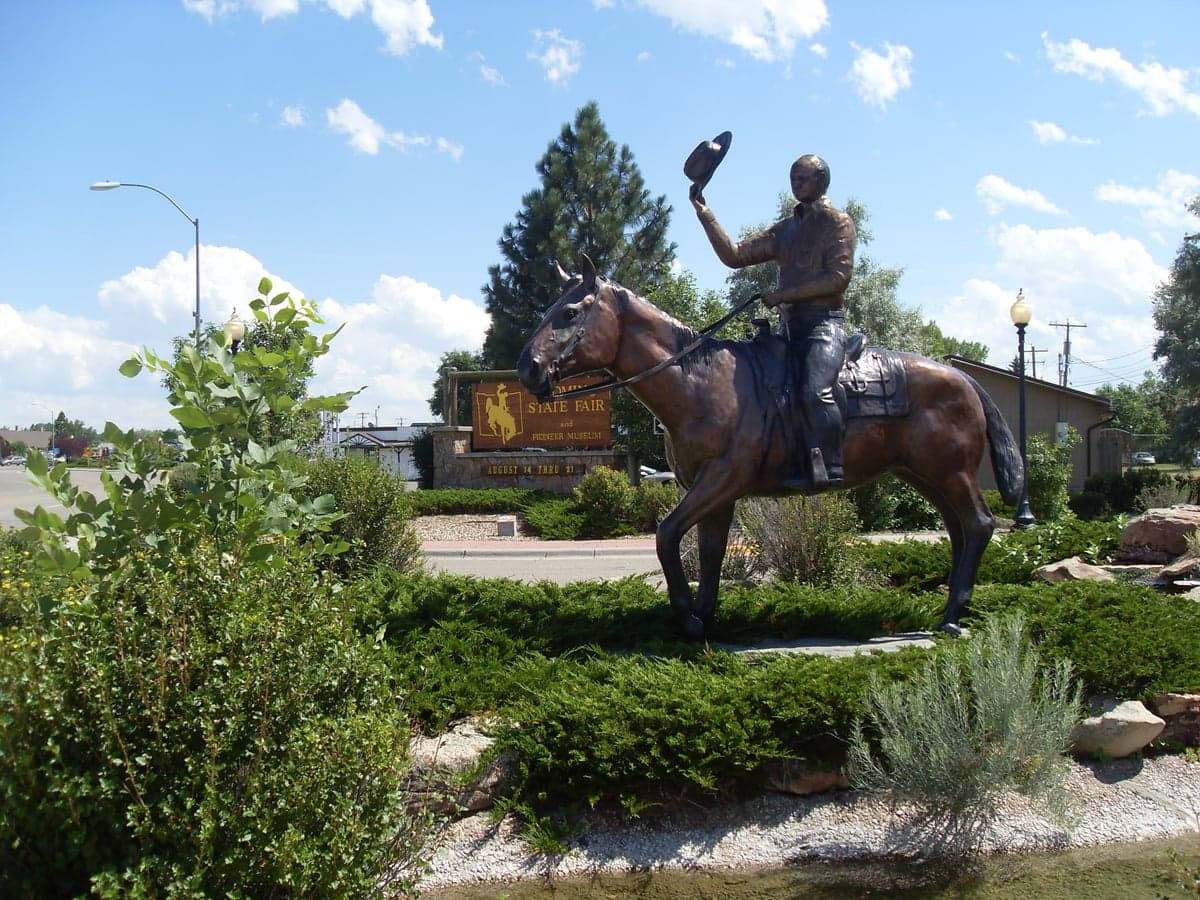
High school sports are the social glue here. Douglas High School’s Bearcats football team packs the stands on Friday nights, and the rivalry with Glenrock’s Herders is genuine—families have been arguing over it for generations. Basketball and wrestling also draw big crowds, especially during the state tournaments in Casper. There’s no pro team within 200 miles, so the community pours its energy into local athletes. The Douglas Community Center hosts youth leagues and adult rec volleyball, and the annual Wyoming State Fair in Douglas (every August) is a week-long celebration that combines rodeo, carnival rides, and 4-H livestock shows—it’s the biggest event of the year, drawing people from across the county. For a quieter night, the Glenrock Golf Course offers nine holes with views of the Laramie Mountains, and the Douglas Elks Lodge is a reliable spot for a beer and a burger.
What’s There to Do: Outdoor Play and Small-Town Nights
Outdoor life is the main draw. The Medicine Bow National Forest is a 30-minute drive south of Douglas, offering hiking, camping, and elk hunting in the fall. The North Platte River is a blue-ribbon trout stream, and locals float it on rafts or kayaks in the summer. The Ayres Natural Bridge Park, just west of Douglas, is a hidden gem—a 50-foot sandstone bridge over LaPrele Creek, perfect for a picnic. But the trade-off is entertainment: there’s no movie theater in the county (the closest is in Casper), and live music is limited to the occasional band at the Douglas VFW or the Glenrock Community Center. The Douglas Railroad Interpretive Center is a solid afternoon for history buffs, but if you crave a concert or a museum, you’re driving. The violent crime rate of 171.9 per 100,000 is below the national average, and most people leave their doors unlocked in the smaller towns like Rolling Hills or Lost Springs—though they’ll tell you it’s because they know who’s coming.
Pros and Cons of Living Here
What longtime residents love: The space—you can own 10 acres and still see the stars. The schools are a focal point: Douglas and Glenrock both have K-12 systems with strong community support, and the 22.9% college-educated rate means teachers and professionals are respected. The weather is honest—four distinct seasons, with summers topping 90°F and winters dropping to -10°F, but the dry air makes it bearable. The hunting is world-class, and the fishing is too. What frustrates them: The lack of healthcare options—there’s a small hospital in Douglas, but specialists mean a trip to Casper or even Denver. The 24-minute average commute sounds short, but that’s because people drive 30 miles for work; gas adds up. The social scene can feel thin for singles under 30, and the median age of 41.3 reflects a family-and-retiree skew. The wind—locals joke that Converse County has two seasons: winter and construction, but the wind is constant, especially in spring. And if you’re not into hunting, fishing, or rodeo, you’ll need to find your own niche.

* Values derived from national, state, county, city and local statistics and may differ in a specific area. Last updated: 2026-07-13T18:43:46.000Z
Narrative content on this page is AI-generated and may contain mistakes. Verify any details that matter before acting on them.
ReloMaps may earn a commission from affiliate links at no extra cost to you.

