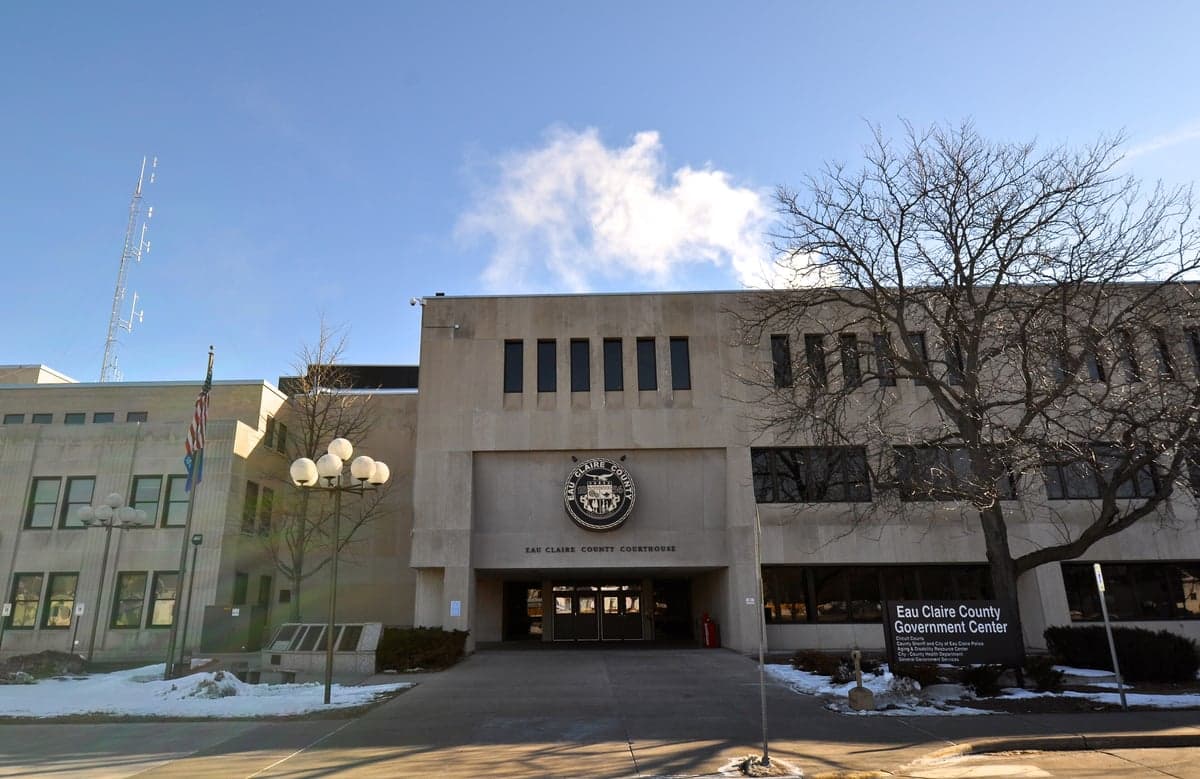
Photo: Wikipedia
Quality of Life in Eau Claire County
A livable area that tracks near national norms for affordability, walkability, and neighborhood health.
What does Quality of Life tell us?
Quality of Life measures an area by evaluating factors like cost of living, nearby amenities, country club access, airport proximity, socioeconomic signals and neighborhood character. For large states, this is a general average — quality of life can vary dramatically between metro areas, suburbs, and rural communities within the same state.
What does this tell us?
Quality of Life measures an area by evaluating factors like cost of living, nearby amenities, country club access, airport proximity, socioeconomic signals and neighborhood character. For large states, this is a general average — quality of life can vary dramatically between metro areas, suburbs, and rural communities within the same state.
Cost of Living
15% below national average
104%
The Real Cost of Living in Eau Claire County for 2026
| Tier | Individual | Family (4) |
|---|---|---|
| Survival | $16k | $29k |
| Comfortable | $47k | $69k |
| Luxury | $128k+ | $199k+ |
| Elite (Top 5%) | $151k+ | $234k+ |
Quality-of-Life Analysis
Eau Claire County offers a spectrum of living environments that range from the walkable, amenity-rich core of the city of Eau Claire to quiet agricultural hamlets and lakeside subdivisions, all within a county where the cost of living index sits at 85 (15% below the national average). The county attracts a mix of university students and faculty, healthcare and manufacturing professionals, remote workers seeking affordability, and retirees looking for slower-paced lake country living. The character of daily life shifts noticeably depending on whether one lives in the urban core, a bedroom suburb, or a rural township.
Largest town(s) & population centers
The city of Eau Claire, with roughly 70,000 residents, is the county's undisputed hub and the only major population center. Daily life here is defined by the presence of the University of Wisconsin-Eau Claire and a growing downtown district along the Chippewa and Eau Claire rivers. The city offers a walkable downtown with breweries, the Pablo Center at the Confluence performing arts venue, and the Chippewa River State Trail. Housing stock is a mix of early 20th-century bungalows near the university, newer subdivisions on the south and west sides, and a growing number of downtown apartment and condo conversions. The median home value in the county is $242,400, with city properties typically commanding a premium over rural homes. The average commute across the county is just 17.7 minutes, meaning most residents can reach downtown Eau Claire or the major employers—including Mayo Clinic Health System, Menards corporate headquarters, and Nestlé Purina—within a short drive.
Smaller towns & rural pockets
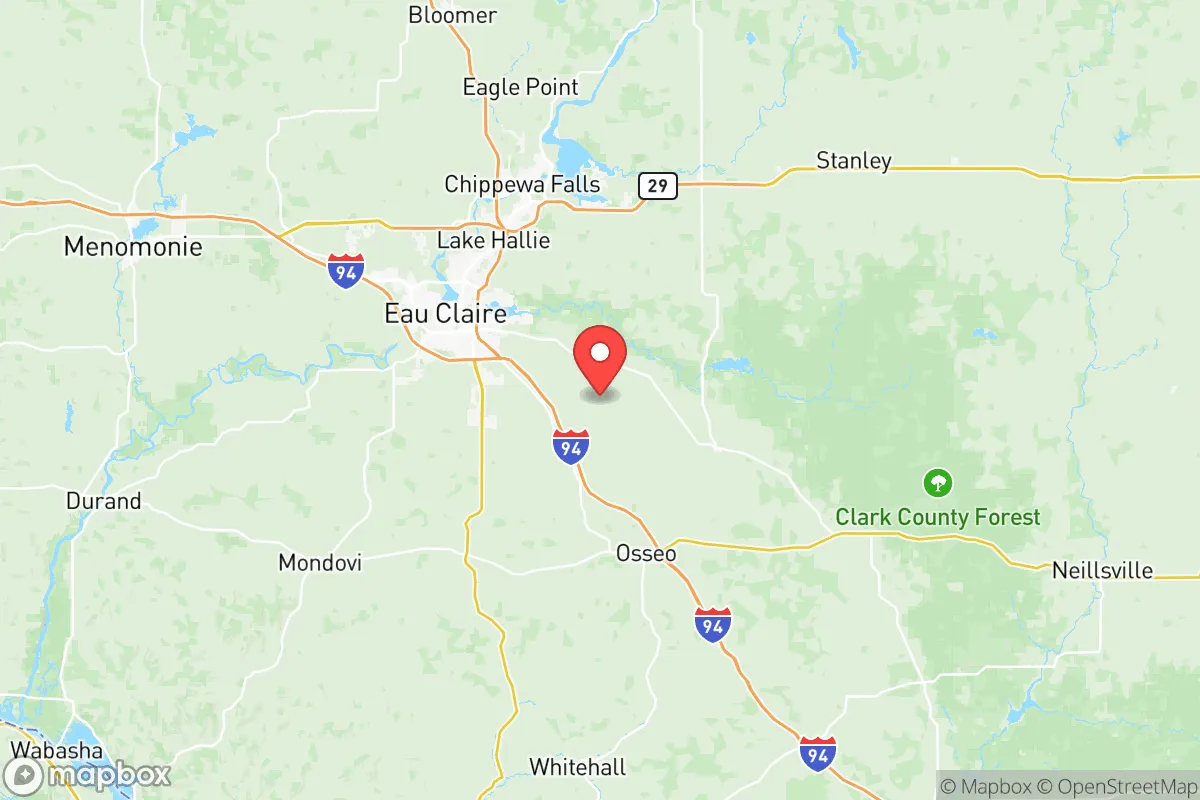
Outside the city limits, the county contains several distinct smaller communities. Altoona, immediately east of Eau Claire, functions as a bedroom suburb with its own school district and a growing industrial park along Highway 53. Lake Hallie, to the north, is a fast-growing village centered around Lake Hallie itself, attracting residents who want water access with a short commute to town. Augusta, in the county's eastern portion, is a small agricultural town of roughly 1,500 people with a historic downtown and a strong rural identity. Fairchild, in the far northeast, is a tiny village surrounded by dairy farms and forest. Unincorporated areas such as Brackett, Cleghorn, and Brunswick are essentially crossroads with scattered homes, where residents rely on wells and septic systems and commute to Eau Claire for most services. The rural townships—including Washington, Lincoln, and Drammen—offer large lots, farmland, and a quiet lifestyle that appeals to those seeking privacy and land.
Cost & lifestyle range
The cost spread across the county is significant. At the lower end, rural townships and smaller villages like Fairchild or Augusta offer homes well below the county median, often in the $150,000 to $200,000 range for older farmhouses or fixer-uppers. Rentals in these areas are scarce but can dip below the county median rent of $977. At the higher end, lakefront properties on Lake Hallie, Lake Altoona, and Coontail Lake can exceed $400,000 to $600,000, and newer subdivisions in the Eau Claire south side or near Oakwood Hills push toward the mid-$300,000s. Lifestyle differences are stark: a resident in rural Drammen Township may drive 25 minutes to a grocery store, while a resident in downtown Eau Claire can walk to a farmers market, concert venue, and multiple restaurants. The county's overall affordability—with a cost of living index 15 points below the national average—means that even the pricier lakefront homes remain accessible compared to similar properties in the Twin Cities or Madison metro areas.
People who thrive in Eau Claire County are typically those who value a moderate pace of life with access to both urban amenities and outdoor recreation. The county works well for families seeking good public schools (Eau Claire Memorial and North High Schools, Altoona High School, Augusta's district), for university-connected professionals, and for retirees who want a lower cost of living without sacrificing healthcare access. The short average commute of under 18 minutes means that even residents in the most rural townships can reach the city's jobs and services quickly, making the county's full range of options—from lakefront to farmhouse to downtown loft—genuinely practical for daily life.

Crime in Eau Claire County
Generally safer than 61% of comparable U.S. locations.
Violent CrimeViolent Crime Analysis
Property CrimeProperty Crime Analysis
Crime Analysis
Eau Claire County, home to the city of Eau Claire and surrounding communities like Altoona and Lake Hallie, reports a violent crime rate of 236.8 per 100,000 residents and a property crime rate of 996.9 per 100,000. These figures place the county in a moderate safety tier within Wisconsin, though specific neighborhood and municipal choices significantly affect day-to-day risk. The county’s overall crime picture is shaped by a mix of urban density in the city of Eau Claire and lower-crime rural and suburban pockets, with local justice policies playing a notable role in recidivism and public safety outcomes.
Crime in context
Eau Claire County’s violent crime rate of 236.8 per 100,000 is roughly 40% higher than the Wisconsin state average of about 170 per 100,000 and sits below the national average of approximately 380 per 100,000. Property crime at 996.9 per 100,000 is slightly above the Wisconsin average of roughly 950 per 100,000 but well under the national figure of about 1,950 per 100,000. The city of Eau Claire itself accounts for the majority of reported incidents, while towns like Washington and Pleasant Valley report significantly lower rates. The county’s position as a regional hub for healthcare, education (University of Wisconsin-Eau Claire), and retail draws transient populations that can elevate crime density in the urban core compared to outlying towns like Fall Creek or Fairchild.
What residents experience
Property crime — particularly theft from vehicles and bicycle theft — is the most common safety concern for Eau Claire County residents, especially in the city of Eau Claire’s downtown and near the UW-Eau Claire campus. Violent crime is less frequent but concentrated in specific areas; aggravated assault makes up the bulk of violent incidents, with robbery and homicide remaining rare. Residents in Altoona and Lake Hallie report fewer property crimes per capita than those in central Eau Claire, though vehicle break-ins occur in commercial corridors across the county. The Eau Claire County District Attorney’s office has faced criticism for progressive charging policies that some residents believe contribute to repeat property offenses, as lower-level theft and drug possession cases are often diverted or plea-bargained down. This approach, while intended to reduce incarceration, can leave residents frustrated when known offenders cycle through the system without meaningful consequences.
Neighborhood-level variation
Safety varies considerably within Eau Claire County. The city of Eau Claire’s Third Ward and downtown areas see the highest police call volumes, while the city’s north side and neighborhoods near Carson Park are generally quieter. Altoona consistently reports lower crime rates than Eau Claire proper, making it a popular choice for families. Lake Hallie, a growing village along Highway 53, has seen property crime rise with new retail development but remains below the county average for violent offenses. Towns like Seymour and Ludington offer very low crime rates but limited services. For those considering relocation, the safest options within commuting distance of Eau Claire’s employers are Altoona, Lake Hallie, and the rural townships of Washington and Brunswick, where neighborly vigilance and lower population density naturally reduce opportunity for crime. Prospective residents should also monitor local judicial elections, as the county’s progressive prosecutorial philosophy directly impacts how often offenders face real accountability — a factor that influences long-term neighborhood safety trends.
* Values derived from national, state, county, city and local statistics and may differ in a specific area. Last updated: 2026-06-30T19:56:03.000Z
Narrative content on this page is AI-generated and may contain mistakes. Verify any details that matter before acting on them.
ReloMaps may earn a commission from affiliate links at no extra cost to you.

