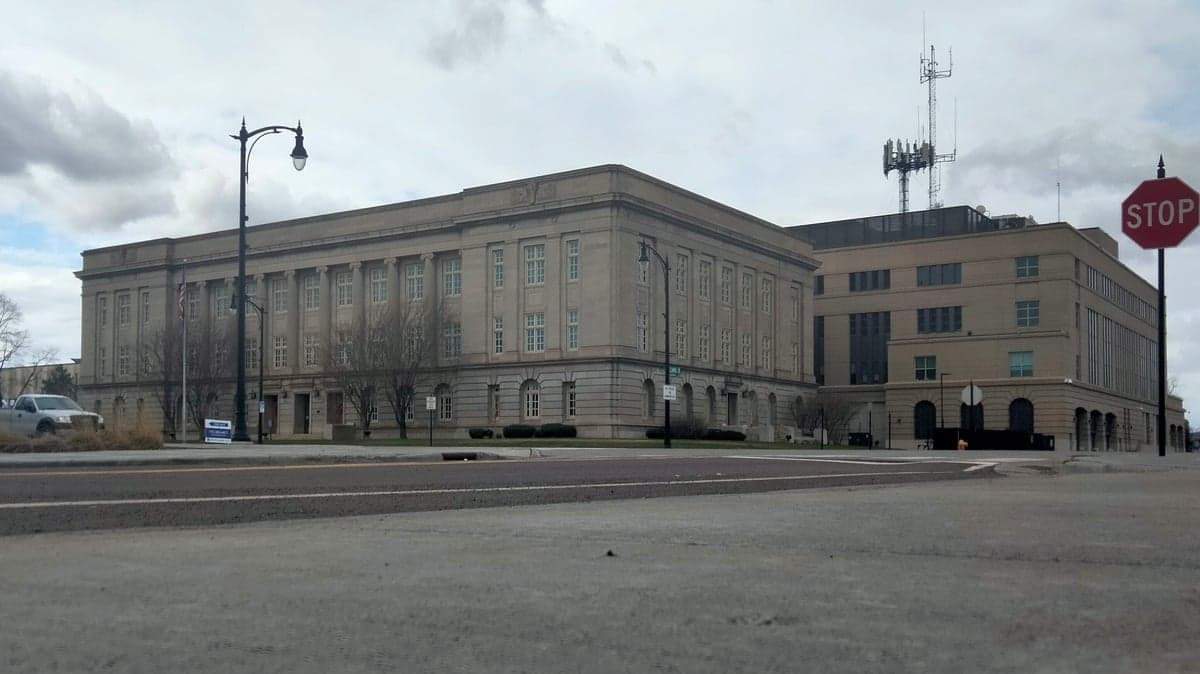
Photo: Wikipedia
Quality of Life in Douglas County
A livable area that tracks near national norms for affordability, walkability, and neighborhood health.
What does Quality of Life tell us?
Quality of Life measures an area by evaluating factors like cost of living, nearby amenities, country club access, airport proximity, socioeconomic signals and neighborhood character. For large states, this is a general average — quality of life can vary dramatically between metro areas, suburbs, and rural communities within the same state.
What does this tell us?
Quality of Life measures an area by evaluating factors like cost of living, nearby amenities, country club access, airport proximity, socioeconomic signals and neighborhood character. For large states, this is a general average — quality of life can vary dramatically between metro areas, suburbs, and rural communities within the same state.
Cost of Living
26% below national average
133%
The Real Cost of Living in Douglas County for 2026
| Tier | Individual | Family (4) |
|---|---|---|
| Survival | $14k | $27k |
| Comfortable | $37k | $54k |
| Luxury | $106k+ | $165k+ |
| Elite (Top 5%) | $125k+ | $194k+ |
Quality-of-Life Analysis
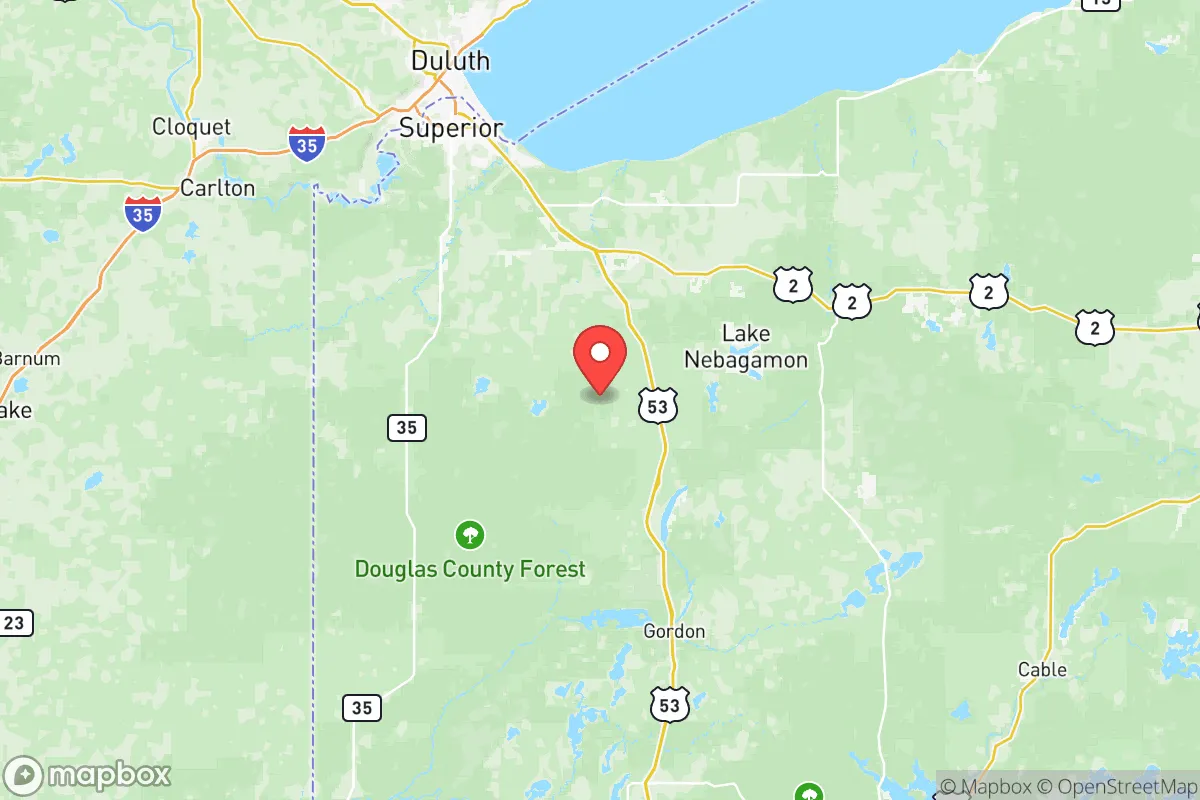
Douglas County, Wisconsin offers a broad quality-of-life spectrum that ranges from the small-city amenities of its county seat, Superior, to the quiet, lake-dotted rural townships of the far north and south. With a cost of living index of 74 (well below the national average of 100), a median home value of $190,400, and a median rent of $903, the county attracts a mix of commuters to Duluth, Minnesota, outdoor recreationists, and those seeking affordable, slower-paced living. The character of daily life shifts dramatically depending on whether one lives in the urbanized lakeshore corridor, a historic railroad village, or a remote township along the Bois Brule River.
Largest town(s) & population centers
Superior is the county's largest city and primary population center, home to roughly 27,000 residents. Daily life here is shaped by its role as a working port and the western terminus of Lake Superior's shipping traffic, with a downtown anchored by the University of Wisconsin-Superior and the Barker's Island marina. Residents have access to grocery stores, a regional hospital (Essentia Health-St. Mary's Medical Center is just across the bridge in Duluth), and a modest retail corridor along Belknap Street. The city's average commute of about 22 minutes is manageable, though many residents cross the Blatnik Bridge daily for higher-paying jobs in Duluth. Superior's housing stock is notably affordable, with many older homes and duplexes available well below the county median, making it a practical entry point for first-time buyers. The adjacent town of Oliver, a small village of about 400 people, offers a quieter, more rural feel while still being within a 10-minute drive of Superior's services.
Smaller towns & rural pockets
Beyond Superior, Douglas County is defined by a string of smaller communities and unincorporated places that each offer a distinct flavor. Solon Springs, about 30 miles south of Superior, is a village of roughly 600 people situated on the Upper St. Croix Lake. It serves as a gateway to the Brule River State Forest and is popular among anglers and kayakers. Poplar, with a population near 600, sits along U.S. Highway 2 and offers a mix of lakeside homes and working farmland. Further north, Brule (population roughly 600) is a quiet unincorporated community along the Bois Brule River, known for its trout fishing and proximity to the Brule River State Forest. Lake Nebagamon, a village of about 1,000, centers on its namesake lake and has a strong seasonal tourism economy, with many cabins and summer homes. The far northern reaches of the county, including the townships of Wascott and Gordon, are sparsely populated and dominated by national forest land, offering extreme privacy and direct access to the Namekagon River and the Chequamegon-Nicolet National Forest.
Cost & lifestyle range
The cost of living and lifestyle options vary considerably across Douglas County. At the higher end of the spectrum, Lake Nebagamon and the lakeshore properties near Brule command premium prices, with lakefront homes often exceeding $300,000—well above the county median of $190,400. These areas attract second-home owners and retirees who prioritize water access and recreational amenities. At the lower end, Superior's older neighborhoods (such as the East End and the area around the University) offer homes under $150,000 and rents near the county median of $903, appealing to students, service workers, and young families. The most affordable rural pockets are found in the townships of Bennett, Dairyland, and Hawthorne, where land is cheap and homes are often older or in need of renovation. Property taxes in Douglas County are moderate compared to neighboring Minnesota, and the lack of a state income tax in Wisconsin further stretches household budgets for those commuting to Duluth. Amenities thin out quickly outside Superior: residents in Solon Springs or Gordon may drive 20–30 minutes for a full grocery store or pharmacy, while Superior residents have everything within a 10-minute drive.
The people who thrive in Douglas County are those who value affordability, outdoor recreation, and a slower pace over urban density and high-end retail. Commuters to Duluth appreciate the lower housing costs and the short 20-minute drive across the bridge. Retirees and remote workers are drawn to the lakefront villages of Lake Nebagamon and Brule for their natural beauty and quiet. Families seeking a first home find the best value in Superior's established neighborhoods or the small towns along Highway 2. The county's mix of working port, university town, and deep-woods retreat means that nearly anyone willing to trade some convenience for space and lower costs can find a niche here.

Crime in Douglas County
Generally safer than 61% of comparable U.S. locations.
Violent CrimeViolent Crime Analysis
Property CrimeProperty Crime Analysis
Crime Analysis
Douglas County, Wisconsin, presents a mixed safety profile for potential residents. The county’s violent crime rate of 236.8 incidents per 100,000 residents sits slightly below the national average, while its property crime rate of 996.9 per 100,000 is notably higher than both state and national benchmarks. These figures, however, mask significant variation between the county’s urban core and its rural towns, making location a critical factor in personal safety.
Crime in context
Douglas County’s violent crime rate is roughly 32% lower than the U.S. average of 380 per 100,000, but property crime runs about 30% higher than the national rate of 1,954 per 100,000. The county’s largest city, Superior, drives a disproportionate share of these incidents. Superior’s proximity to Duluth, Minnesota, and its role as a regional transportation hub contribute to higher theft and burglary rates. By contrast, smaller communities like Solon Springs and Lake Nebagamon report far fewer incidents, with property crime rates often falling below 500 per 100,000. The disparity is stark: a resident in Superior faces roughly three times the property crime risk of someone in a rural township. The county’s overall numbers are also influenced by the progressive-leaning judicial philosophy in Douglas County’s circuit courts. District Attorney Mark Fruehauf, elected as a Democrat, has emphasized diversion programs and reduced incarceration for non-violent property offenders. While this approach aims to reduce recidivism, critics argue it has resulted in more repeat offenders cycling through the system, particularly in Superior, where property crime has remained stubbornly high despite declining violent crime.
What residents experience
For most residents outside Superior, daily life feels safe. Superior itself has a violent crime rate of about 310 per 100,000, concentrated in the downtown and East End neighborhoods near the University of Wisconsin-Superior. Car break-ins and package thefts are the most common complaints, especially near the Barker’s Island and Billings Park areas. In Poplar and Maple, residents report almost no violent crime, with property crime limited to occasional shed burglaries. The county’s rural character means most homes are not within walking distance of police stations, so residents rely heavily on neighborhood watch and locked doors. The Douglas County Sheriff’s Office, which patrols unincorporated areas, has a response time of 12-18 minutes for non-emergency calls, compared to 6-8 minutes in Superior. This slower response in rural zones can be a concern for families with expensive equipment like ATVs or boats, which are common targets for theft.
Neighborhood-level variation
Safety varies dramatically within a 15-minute drive. Superior’s central wards near Tower Avenue and the downtown core see the highest crime density, with property crime rates exceeding 1,500 per 100,000. The South Superior neighborhood, closer to the Wisconsin Point recreation area, is safer but still above county averages. In contrast, the Amnicon Falls area and the town of Hawthorne report violent crime rates near zero. The safest pockets are the lakefront communities of Brule and Wascott, where seasonal residents and low population density keep crime minimal. For those considering a move, the rule of thumb is simple: the further from Superior’s downtown and the closer to the county’s state parks and forests, the lower the crime risk. The progressive judicial policies in Douglas County’s courts mean that even in safer areas, residents should remain vigilant about property crime, as offenders released on diversion programs often travel to target less-policed rural homes.
* Values derived from national, state, county, city and local statistics and may differ in a specific area. Last updated: 2026-06-06T21:38:18.000Z
Narrative content on this page is AI-generated and may contain mistakes. Verify any details that matter before acting on them.
ReloMaps may earn a commission from affiliate links at no extra cost to you.

