Photo: Wikipedia
Quality of Life in Winner, SD
Above-average quality of iife. The area offers a reasonable cost of living, decent mobility, and a mix of neighborhood amenities.
What does Quality of Life tell us?
Quality of Life blends cost of living, nearby amenities, socioeconomic signals, and neighborhood character. City-level scores represent the whole municipality; individual neighborhoods can differ.
What does this tell us?
Quality of Life blends cost of living, nearby amenities, socioeconomic signals, and neighborhood character. City-level scores represent the whole municipality; individual neighborhoods can differ.
Cost of Living
40% below national average
The Real Cost of Living in Winner, SD for 2026
| Tier | Individual | Family (4) |
|---|---|---|
| Survival | $13k | $25k |
| Comfortable | $24k | $35k |
| Luxury | $85k+ | $132k+ |
| Elite (Top 5%) | $111k+ | $172k+ |
133%
The Area Signal
A metric tracking the socioeconomic signals of the area.
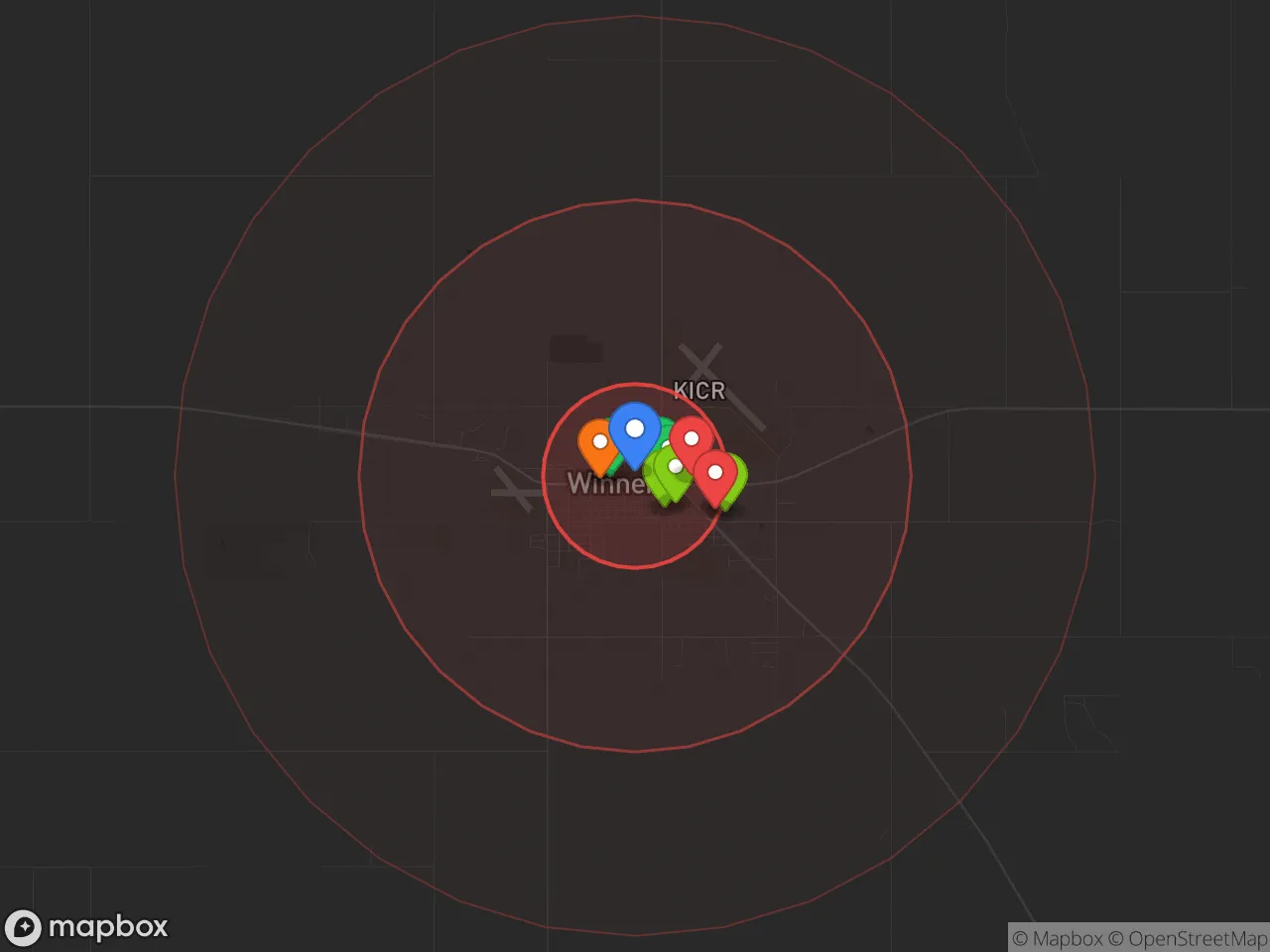
Hobbies
Explore the areaGroceries
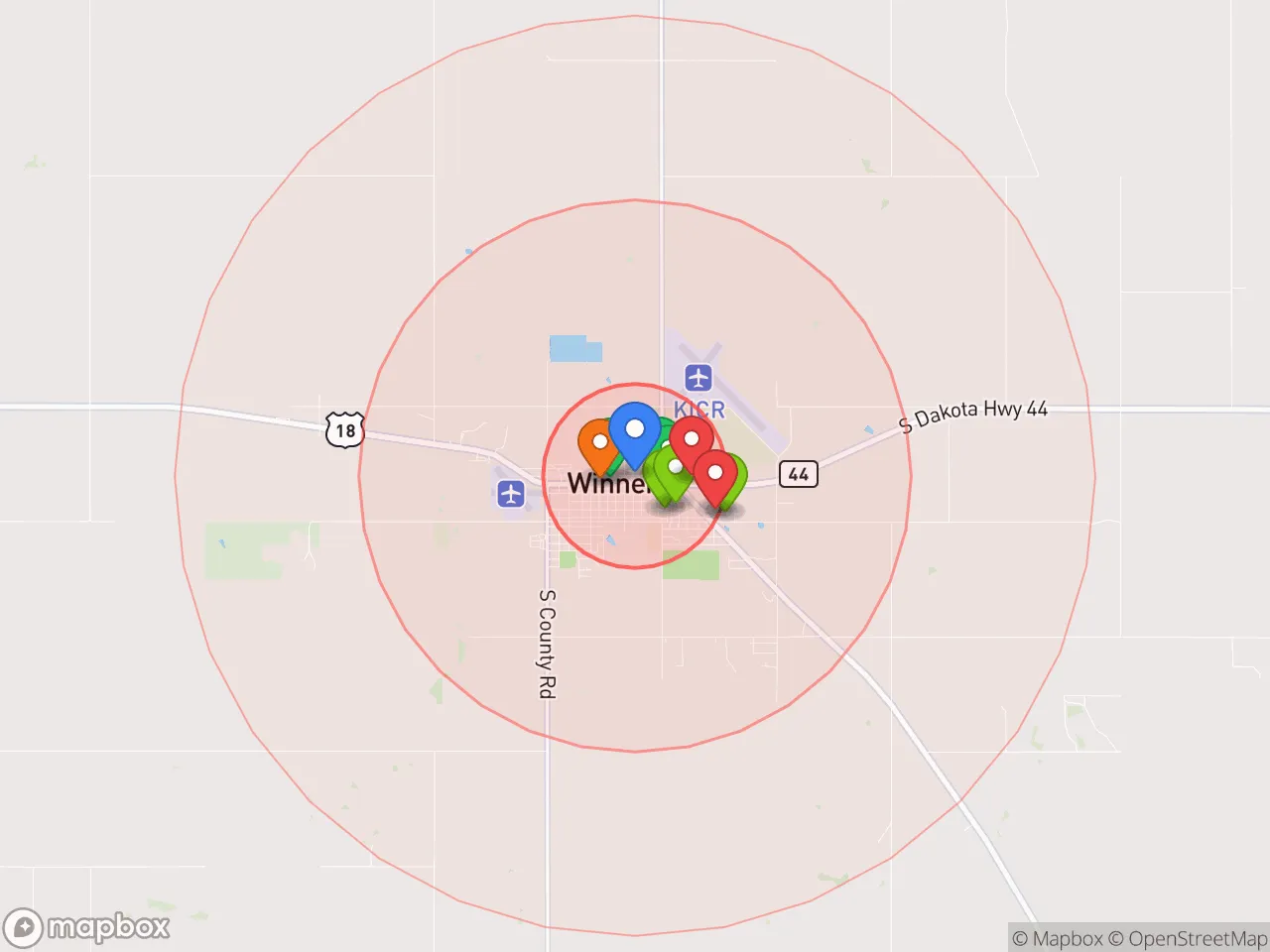
0 within 10 miles
Gas
3 within 10 miles
Hospital
1 within 20 miles
Airport
DEN — Denver International
Post Office
USPS — Winner, SD
Critical Amenities
Quality-of-Life Analysis
Winner, South Dakota, offers a quality of life defined by small-town affordability and a cost of living that is dramatically lower than the national average, attracting a mix of retirees, remote workers, and families seeking a slower pace. With a cost of living index of 60—40% below the U.S. baseline—the area is notably more affordable than even nearby regional hubs like Rapid City or Sioux Falls. The population of roughly 2,900 is predominantly white, with a median age around 40, and the local economy is anchored by agriculture, healthcare (Winner Regional Healthcare Center), and education, fostering a community where neighbors know each other by name.
Cost of living and housing affordability compared to nearby areas
Winner’s housing market is exceptionally accessible, with a median home value of $124,000 and a median rent of $821—figures that are roughly half the national medians and significantly lower than in South Dakota’s larger cities. For context, the median home value in Rapid City is approximately $320,000, and in Sioux Falls it exceeds $350,000, making Winner a clear outlier for budget-conscious buyers. The average commute of just under 18 minutes is among the shortest in the state, reflecting the town’s compact layout and minimal traffic congestion. While property taxes in Tripp County are modest (around 1.1% of assessed value), residents should note that South Dakota has no state income tax, which further stretches household budgets. However, the trade-off for low housing costs is limited inventory—homes in good condition often sell quickly, and rental options are scarce, particularly for larger families.
Amenities, schools, and the daily rhythm of life in Winner
Daily life in Winner revolves around a handful of local anchors: the Winner School District (serving roughly 700 students) maintains a strong reputation for small class sizes and above-average test scores, while the Winner Regional Healthcare Center provides essential medical services that many rural towns lack. Groceries and basic shopping are covered by local stores like Winner Family Foods and a small downtown retail core, but residents typically drive 90 minutes to Rapid City or 2 hours to Sioux Falls for major shopping, entertainment, or specialized healthcare. The town’s social calendar is shaped by high school sports (Winner Warriors football and basketball draw large crowds), the annual Tripp County Fair, and community events at the Winner City Park. Dining options are limited to a handful of local cafes and fast-food chains, and nightlife is virtually nonexistent—the rhythm here is early mornings, family dinners, and weekends spent outdoors at the nearby Fort Randall Dam or Lake Francis Case for fishing and boating.
Winner is best suited for those who prioritize low costs, safety, and community connection over urban amenities or career diversity. Retirees on fixed incomes will find their dollars stretch far, while remote workers can leverage the low housing costs and reliable internet (though speeds are slower than in metro areas). Families with young children will appreciate the school system and low crime rates, but teenagers may find the lack of entertainment options stifling. Professionals in specialized fields—tech, finance, or advanced healthcare—will likely need to commute or work remotely, as local employment is concentrated in agriculture, education, and retail. For anyone seeking a quiet, affordable, and neighborly place to settle, Winner delivers a quality of life that is both grounded and genuinely affordable.

Crime in Winner, SD
Lower crime rates than 89% of comparable U.S. locations.
Violent CrimeViolent Crime Analysis
Property CrimeProperty Crime Analysis
Crime Analysis
Winner, South Dakota, presents a notably safe environment compared to national averages, with violent crime rates significantly below the U.S. baseline. The town’s overall safety profile is shaped by its small-town character and relatively low population density, though property crime rates warrant attention from prospective residents. With a violent crime rate of 167.9 per 100,000 residents and a property crime rate of 638 per 100,000, Winner offers a security picture that is typical of rural South Dakota communities.
Crime in context
Winner’s violent crime rate of 167.9 per 100,000 is 55% lower than the national average of approximately 380 per 100,000, placing it among the safer small towns in the state. This figure is also well below the South Dakota state average of roughly 460 per 100,000, reflecting the community’s low incidence of homicide, assault, and robbery. Property crime, at 638 per 100,000, is about 30% below the national average of roughly 1,950 per 100,000, but it is slightly above the South Dakota state average of approximately 600 per 100,000. The elevated property crime rate relative to the state is driven primarily by theft and burglary, which are common in rural areas with limited law enforcement coverage. Unlike large metro areas where progressive justice policies can lead to higher recidivism and reduced public safety, Winner’s local judicial system operates under a more traditional, victim-centered framework that prioritizes accountability and community protection.
What residents experience
Daily life in Winner is characterized by a low likelihood of encountering violent crime. Most incidents are non-confrontational property offenses, such as vehicle break-ins or theft from unlocked sheds. The town’s police department maintains a visible presence, and residents typically report feeling safe walking alone at night. The annual number of violent crimes is roughly 5 to 6 incidents in a population of about 3,000, meaning the risk to any individual is minimal. Property crimes, while more common, are often opportunistic rather than organized, and neighborhood watch efforts are active. The absence of the systemic leniency seen in some progressive jurisdictions means that repeat offenders are less common, contributing to a stable safety environment.
Neighborhood-level variation
Crime in Winner is not evenly distributed. The downtown commercial corridor and areas near the highway see slightly higher rates of theft and vandalism, while residential neighborhoods on the town’s outskirts report very few incidents. The east side of town, near the Winner Regional Health campus, is considered the safest, with virtually no violent crime and low property crime. Newer subdivisions on the west side also maintain low crime rates, though residents are advised to secure vehicles and outbuildings. Overall, Winner’s crime geography aligns with its small-town layout, where familiarity among neighbors acts as a natural deterrent. For those concerned about the broader trend of progressive justice policies eroding safety in larger cities, Winner offers a clear contrast: a community where law enforcement and the courts work in tandem to protect residents and hold offenders accountable.
* Values derived from national, state, county, city and local statistics and may differ in a specific area. Last updated: 2026-04-29T23:23:00.000Z
Narrative content on this page is AI-generated and may contain mistakes. Verify any details that matter before acting on them.
ReloMaps may earn a commission from affiliate links at no extra cost to you.

