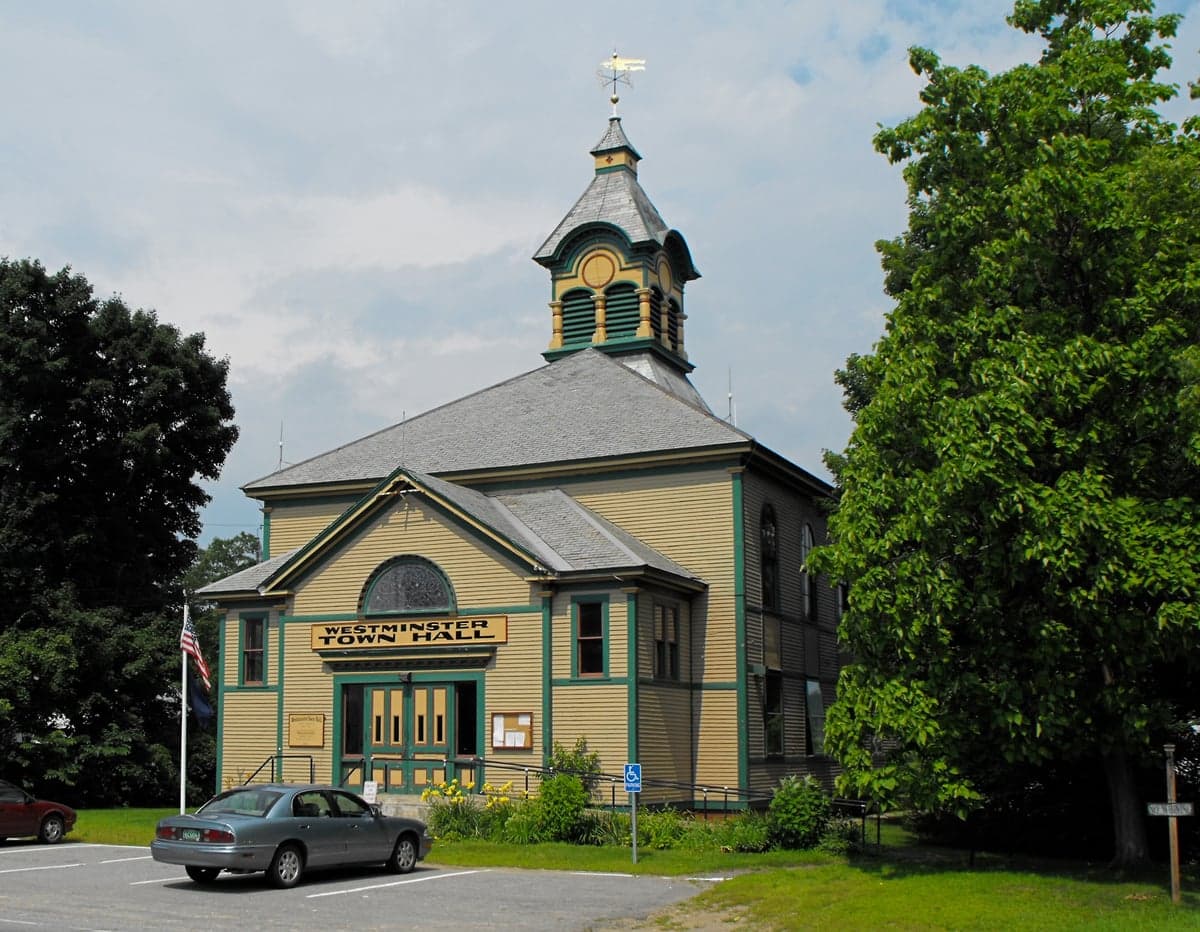
Photo: Wikipedia
Strategic Assessment of Westminster, VT
Meaningful friction. Expect exposure to either population pressure, blast zones, or natural disaster risk. Consider buying a retreat property.
What does the Strategic Assessment tell us?
Our Strategic Assessment grades tactical survivability of an area. Major population centers, military targets, fallout zones, natural disasters, and border exposure all drive risk — lower exposure means a more defensible position in a crisis.
This is heavily inspired by Joel Skousen's Strategic Relocation book. Highly recommended you checkout the book ($)What does this tell us?
Our Strategic Assessment grades tactical survivability of an area. Major population centers, military targets, fallout zones, natural disasters, and border exposure all drive risk — lower exposure means a more defensible position in a crisis.
This is heavily inspired by Joel Skousen's Strategic Relocation book. Highly recommended you checkout the book ($)Strategic Pillars

Key Distances
Regional Safe Places
Below is our recommended "safe zones" in Vermont and the surrounding area based on our strategic heuristics. For most people, it's unrealistic to live in a “safe zone” full-time due to work, family or other personal reasons. They tend to be more rural. However, many of these areas are perfect for second homes and retreat properties that double as a vacation home or even a short-term rental.
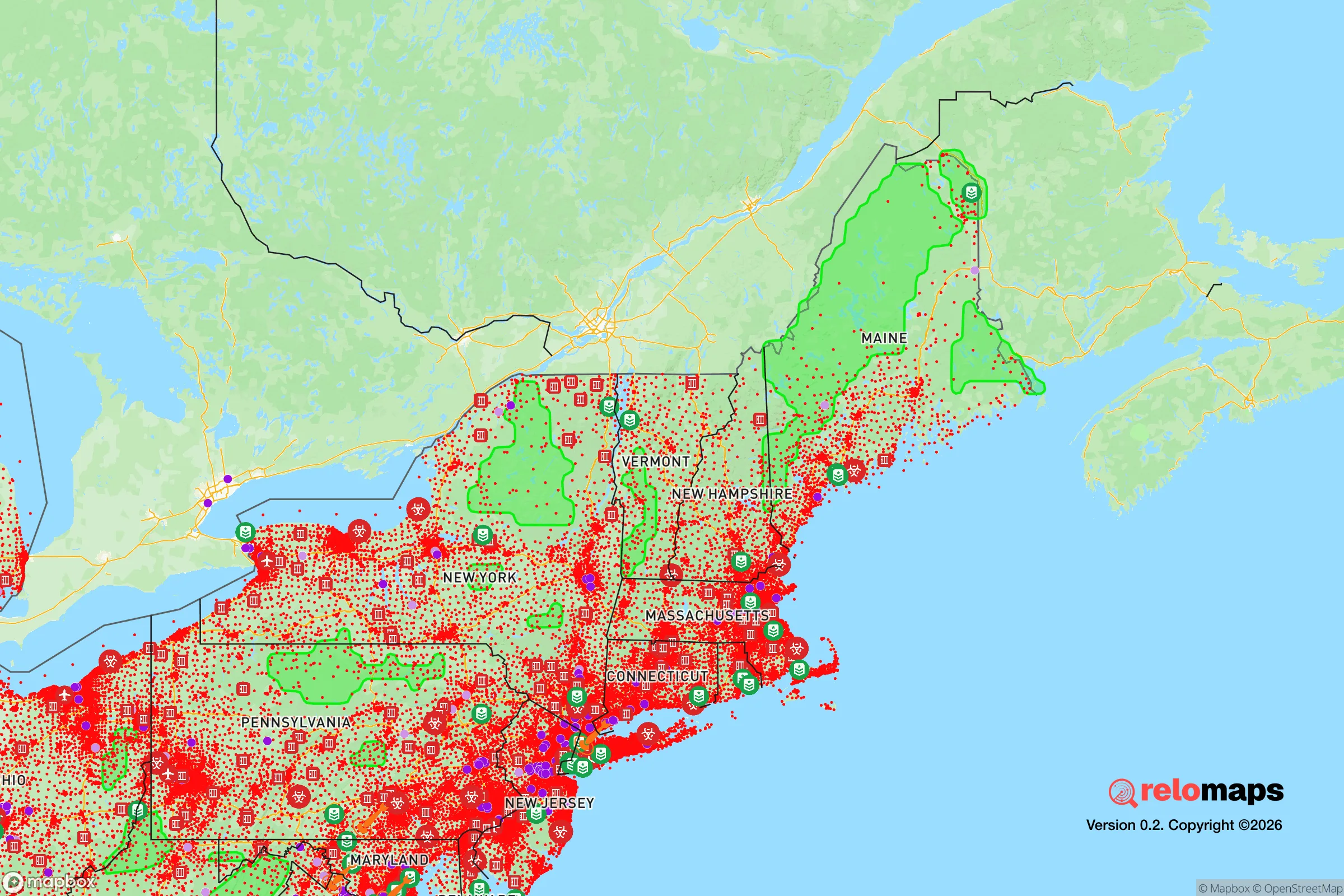
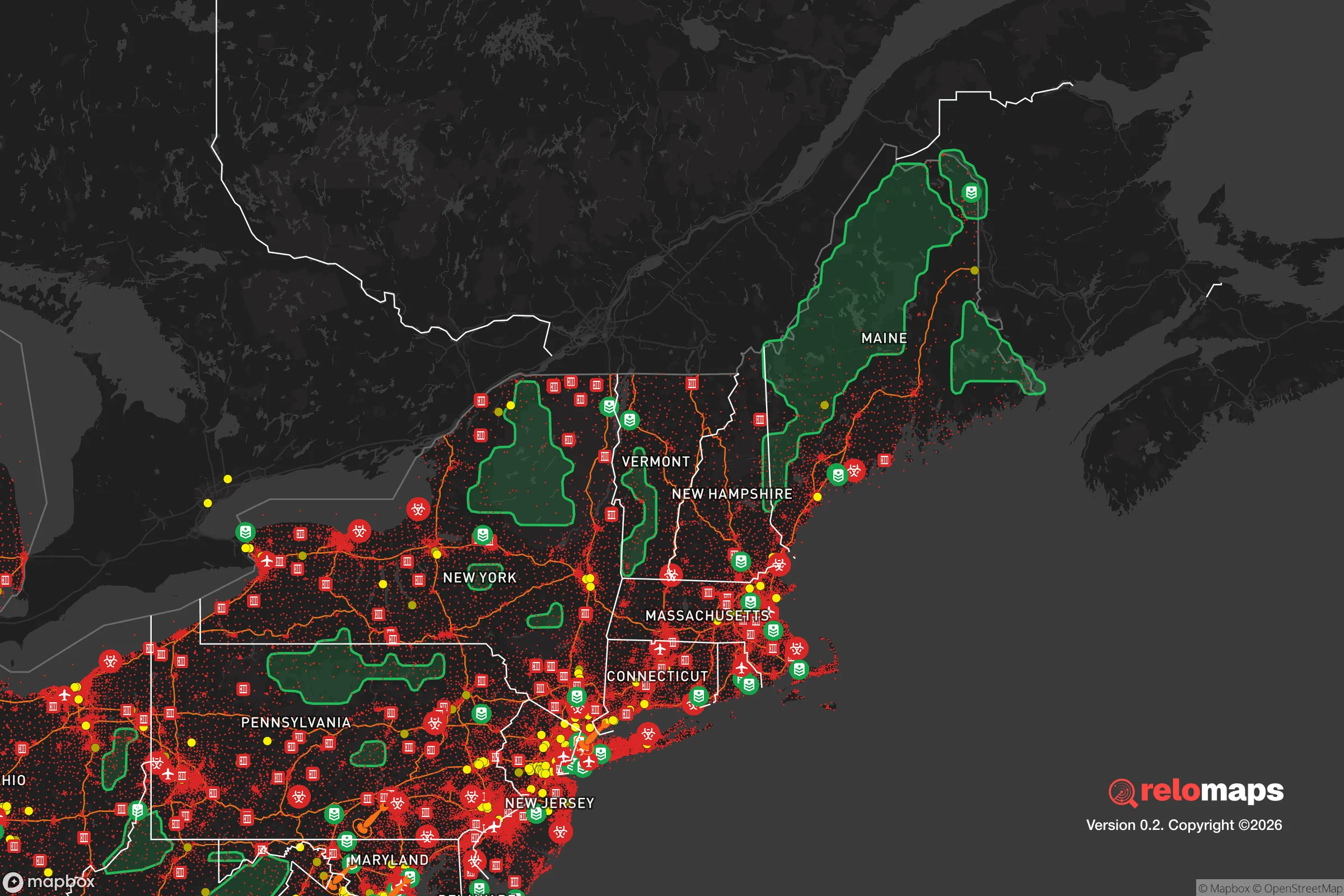


Important Note: For informational purposes only. This does not mean nothing bad ever happens in the green zones. Please use common sense. This is based on public data and modeled with AI. We tried to take a conservative approach but mistakes happen. We update this regularly as new information becomes available.
Solar Generator Recommendations
Backup power matters more here than in safer locations. We've picked three solar generators across budgets and capacity tiers — start with the budget unit if you only need a few essentials, or step up if you want to run a fridge and HVAC for days at a time.

Jackery Portable Power Station Explorer 300
Budget OptionPower on the Go: Weighing only 11 lbs, it's convenient to set up and store with book-sized foldable solar panels

BLUETTI Portable Power Station AC180
Designed for both indoor and outdoor scenarios, AC180 is highly capable as it has a robost capacity and continuous output power.

EF ECOFLOW DELTA Pro Ultra Power Station
Upgraded PickEcoFlow DELTA Pro Ultra is a whole-home energy system designed to grow with your family. Integrated with the Smart Home Panel 2, it scales to meet your evolving energy needs — keeping your home powered, intelligent, and secure through every stage of life.
We earn a commission, at no additional cost to you.
Strategic Assessment Analysis
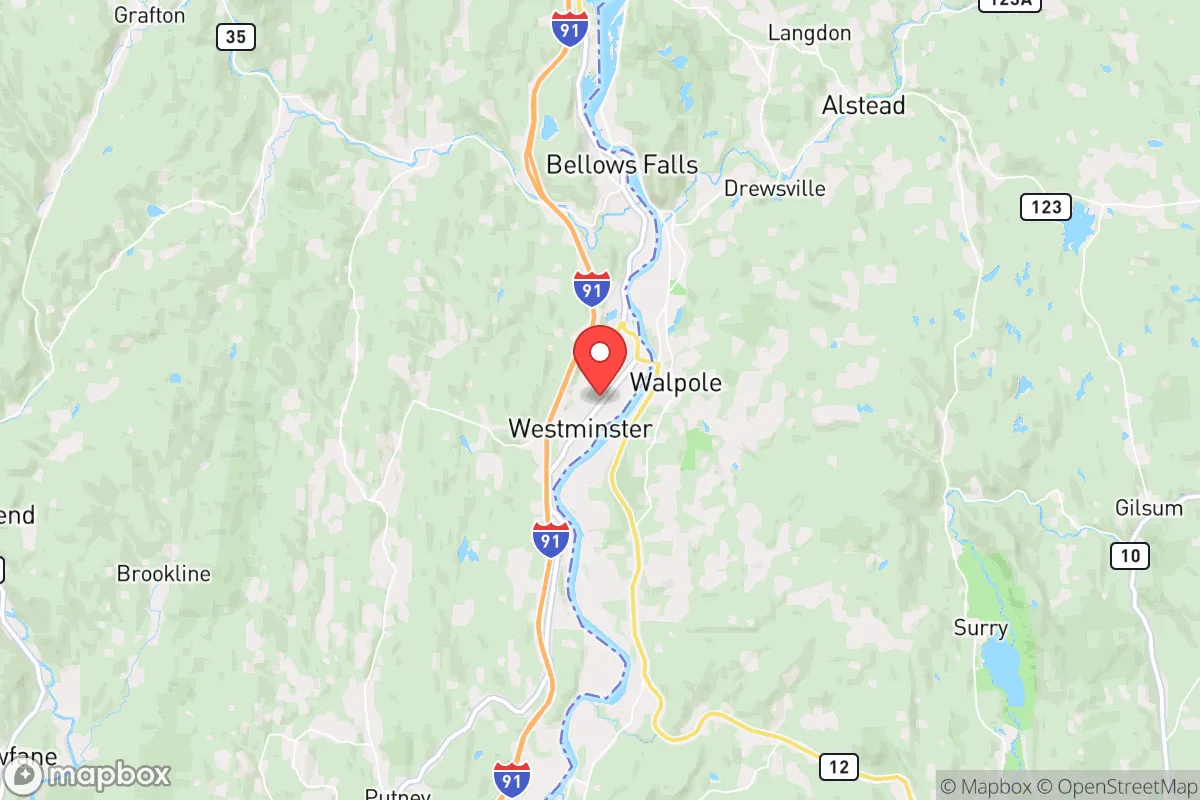
Westminster, Vermont, sits in a position that offers genuine strategic depth for those thinking about long-term resilience, but it’s not without its own set of trade-offs. Located in Windham County along the Connecticut River, this town of roughly 3,000 people benefits from being far enough from major population centers to avoid the immediate chaos of a collapse event, yet close enough to access critical supplies if you plan ahead. The area’s low population density, working forests, and access to the river create a baseline of natural advantages that many preppers overlook when scanning New England. However, the proximity to Interstate 91 and the Massachusetts border means you’re not truly isolated—and that cuts both ways depending on your threat model.
Geographic position and natural advantages for long-term survival
Westminster’s location along the Connecticut River gives it a reliable water source, which is the single most important factor in any long-term resilience plan. The river is wide and flows year-round, meaning you can draw water for drinking, irrigation, and sanitation even if municipal systems fail. The surrounding terrain is a mix of rolling hills, hardwood forests, and agricultural land—much of it still in active use. This isn’t a suburban sprawl zone; it’s a working landscape where you can realistically hunt deer, turkey, and small game, and where foraging for mushrooms, berries, and medicinal plants is viable. The soil in the river valley is some of the best in Vermont for growing vegetables, and there are several small farms and orchards within a 10-minute drive that could become barter networks in a crisis. The town itself sits at an elevation of roughly 300 feet, which means it avoids the worst of the deep snow that buries higher-elevation towns like Ludlow or Wilmington, but still gets enough winter to make fuel storage and cold-weather gear a necessity. For a relocator, the key advantage here is that you’re not in a floodplain—most of the developed areas sit on terraces above the river, so you’re not going to lose your home to a 100-year flood event. The nearby Green Mountain National Forest to the west provides a buffer zone and a potential retreat area if things go truly sideways, but it’s not so remote that you’re cut off from medical care or supply runs in normal times.
Risks, exposures, and proximity to fallout-relevant landmarks
The biggest strategic weakness of Westminster is its location relative to potential targets and transit corridors. You’re only about 30 miles from the Vermont Yankee nuclear site in Vernon, which is currently in decommissioning but still holds spent fuel on site. In a major disaster or conflict, that facility could become a contamination source depending on wind patterns. Additionally, you’re roughly 60 miles from the Boston metro area as the crow flies—close enough that a mass evacuation from that city could push refugees up I-91 and into the region within hours. The interstate itself runs right through Westminster’s eastern edge, which means you’re on a major north-south artery that would be clogged with traffic, military convoys, or desperate people in a crisis. The town also sits within 20 miles of the New Hampshire border, which introduces jurisdictional complications if you need to move across state lines during a declared emergency. On the positive side, there are no major military bases, chemical plants, or power grid substations within a 15-mile radius that would make Westminster a primary target. The nearest significant infrastructure is the hydroelectric dam at Bellows Falls, about 8 miles north, which could be a target but is small enough that a strike wouldn’t create a regional catastrophe. For a prepper, the takeaway is that Westminster is low-risk for direct attack but moderate-risk for secondary effects like refugee flows, supply chain disruption, and potential contamination from the Vernon site. You need a plan for filtering water and securing your perimeter if the interstate becomes a liability.
Practical resilience for a relocator: food, water, energy, and defensibility
For someone actually moving here with a prepper mindset, the practical day-to-day resilience is solid but requires work. Water is the easiest win: the Connecticut River is right there, but you’ll need a good filtration system—think Berkey or a Sawyer filter with a pre-filter for sediment—because the river carries agricultural runoff and upstream sewage during heavy rains. Well water is common in the rural parts of town, but you should test for arsenic and manganese, which are naturally elevated in this region. Food security is above average: there are several active farms within a 5-mile radius, including the Westminster West community that has a strong tradition of barter and shared harvests. You can also tap into the local maple syrup producers for a calorie-dense, shelf-stable sweetener that doubles as a trade good. Energy is where things get tricky. The grid here is rural and prone to outages during winter storms—expect at least a few multi-day blackouts per year. Solar is viable, but you’ll need battery storage because net metering is less reliable in a crisis. Wood heat is the standard backup, and most homes in the area have a wood stove or fireplace. If you’re buying property, prioritize a house with a south-facing roof for panels and a good woodlot. Defensibility is mixed. The town is spread out, with no real choke points, but the rural roads are narrow and easy to block with a fallen tree or a vehicle. Your best bet is to buy land with a long driveway and natural cover—think a property set back from the road with a creek or ridge line as a barrier. The local sheriff’s office is small, so you can’t rely on law enforcement for anything beyond routine calls. You’ll need to be your own first responder, which means medical training, a well-stocked trauma kit, and a reliable vehicle that can handle mud and snow. The community itself is a mixed bag: there’s a strong libertarian streak in the older farming families, but also a growing number of remote workers and second-home owners who may not have the same survival instincts. Build relationships with the long-timers—they know the land and the local politics.
Overall, Westminster offers a decent strategic position for someone who wants to be prepared without going full-off-grid in the Alaskan bush. The water access, agricultural potential, and low population density give you a solid foundation, but you have to account for the proximity to I-91 and the Vermont Yankee site. If you’re willing to invest in filtration, solar, and a good wood stove, and you’re comfortable being your own security, this town can work as a long-term base. It’s not a fortress, and it’s not a retreat that will keep you safe from every threat—but in a world where most places are either too exposed or too remote to sustain a normal life, Westminster strikes a rare balance. Just don’t expect to be left completely alone. The interstate will bring trouble if trouble comes, and you need to have a plan for that day before it arrives.

* Values derived from national, state, county, city and local statistics and may differ in a specific area. Last updated: 2026-04-30T07:01:38.000Z
Narrative content on this page is AI-generated and may contain mistakes. Verify any details that matter before acting on them.
ReloMaps may earn a commission from affiliate links at no extra cost to you.

