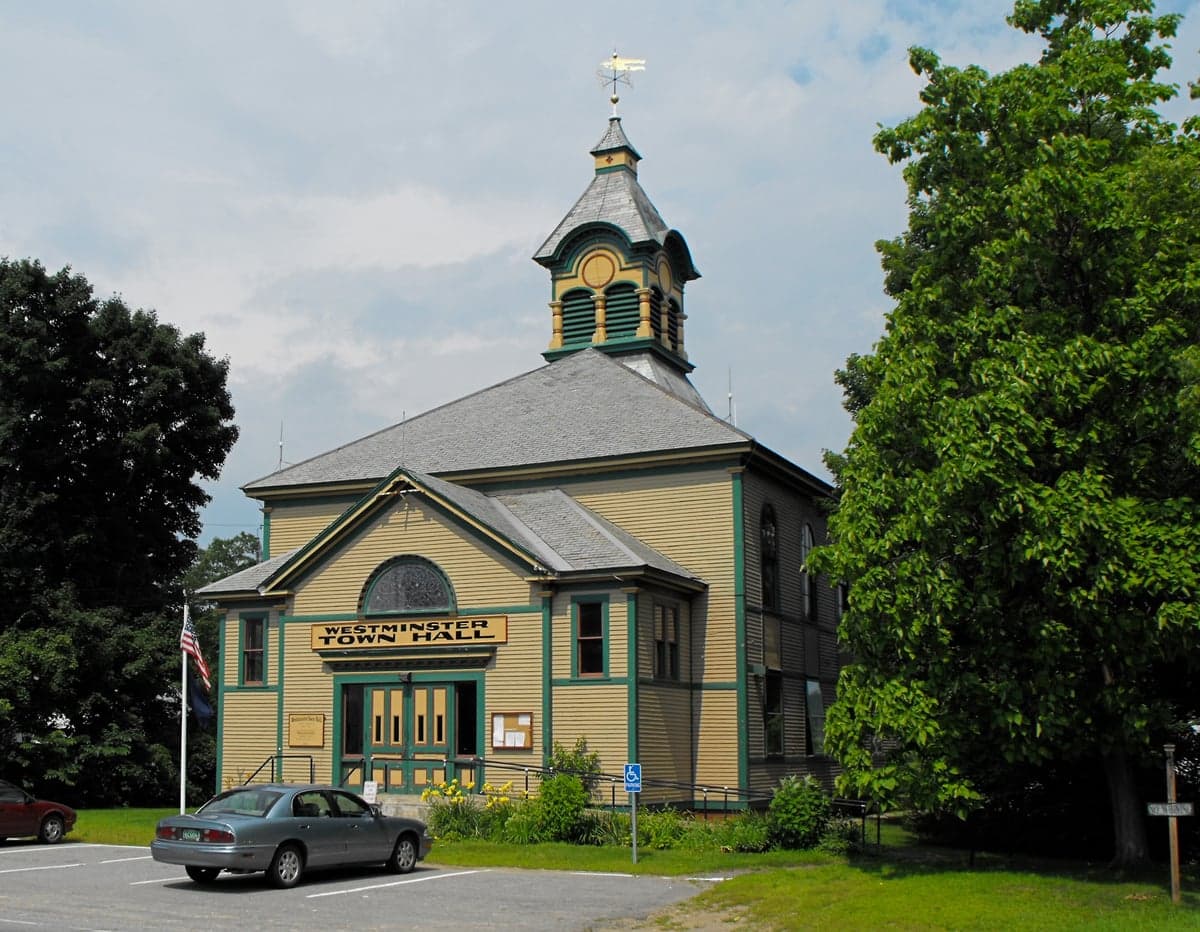
Photo: Wikipedia
Quality of Life in Westminster, VT
Above-average quality of iife. The area offers a reasonable cost of living, decent mobility, and a mix of neighborhood amenities.
What does Quality of Life tell us?
Quality of Life blends cost of living, nearby amenities, socioeconomic signals, and neighborhood character. City-level scores represent the whole municipality; individual neighborhoods can differ.
What does this tell us?
Quality of Life blends cost of living, nearby amenities, socioeconomic signals, and neighborhood character. City-level scores represent the whole municipality; individual neighborhoods can differ.
Cost of Living
12% below national average
The Real Cost of Living in Westminster, VT for 2026
| Tier | Individual | Family (4) |
|---|---|---|
| Survival | $15k | $27k |
| Comfortable | $55k | $81k |
| Luxury | $104k+ | $161k+ |
| Elite (Top 5%) | $122k+ | $189k+ |
112%
The Area Signal
A metric tracking the socioeconomic signals of the area.
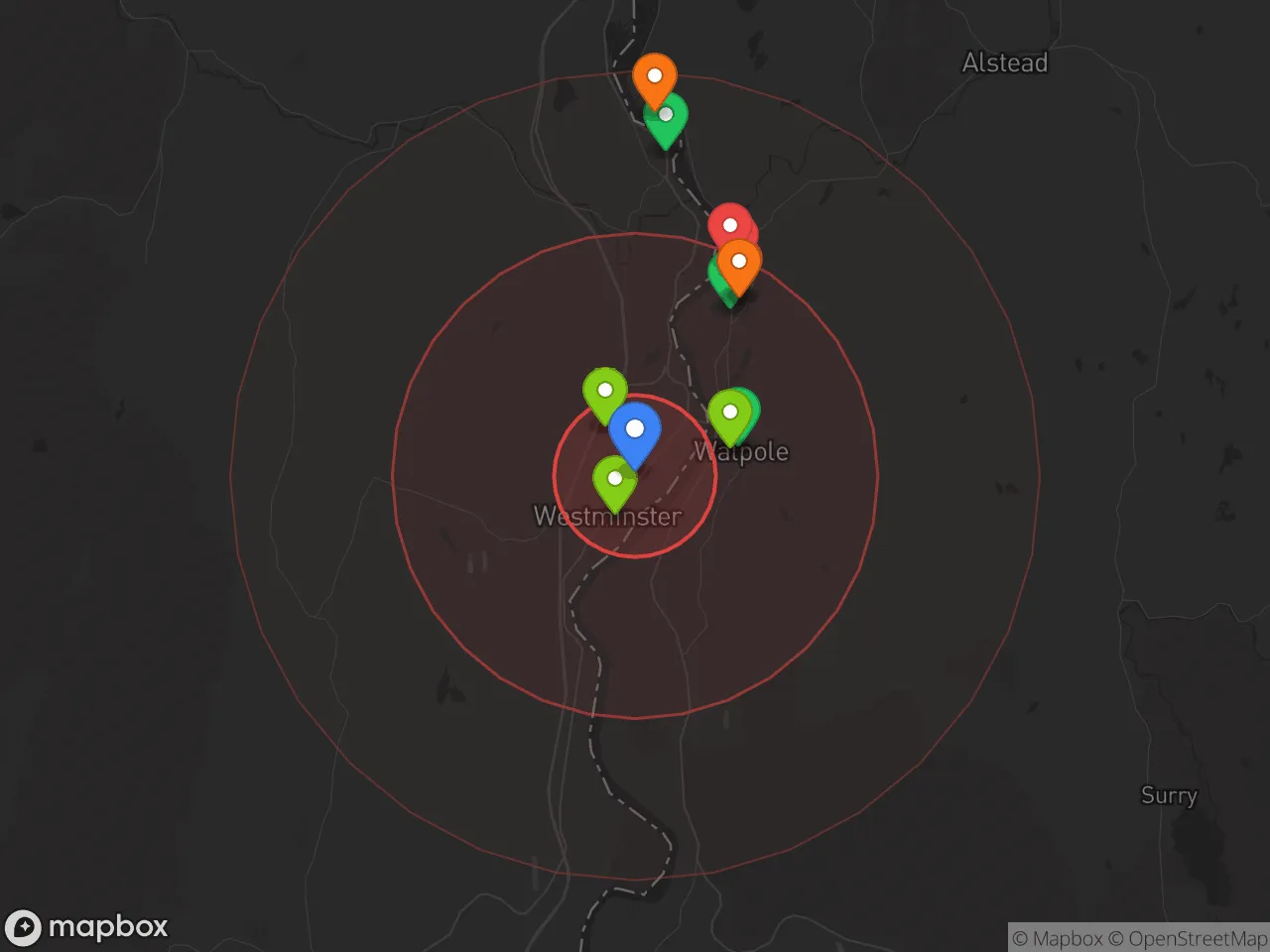
Hobbies
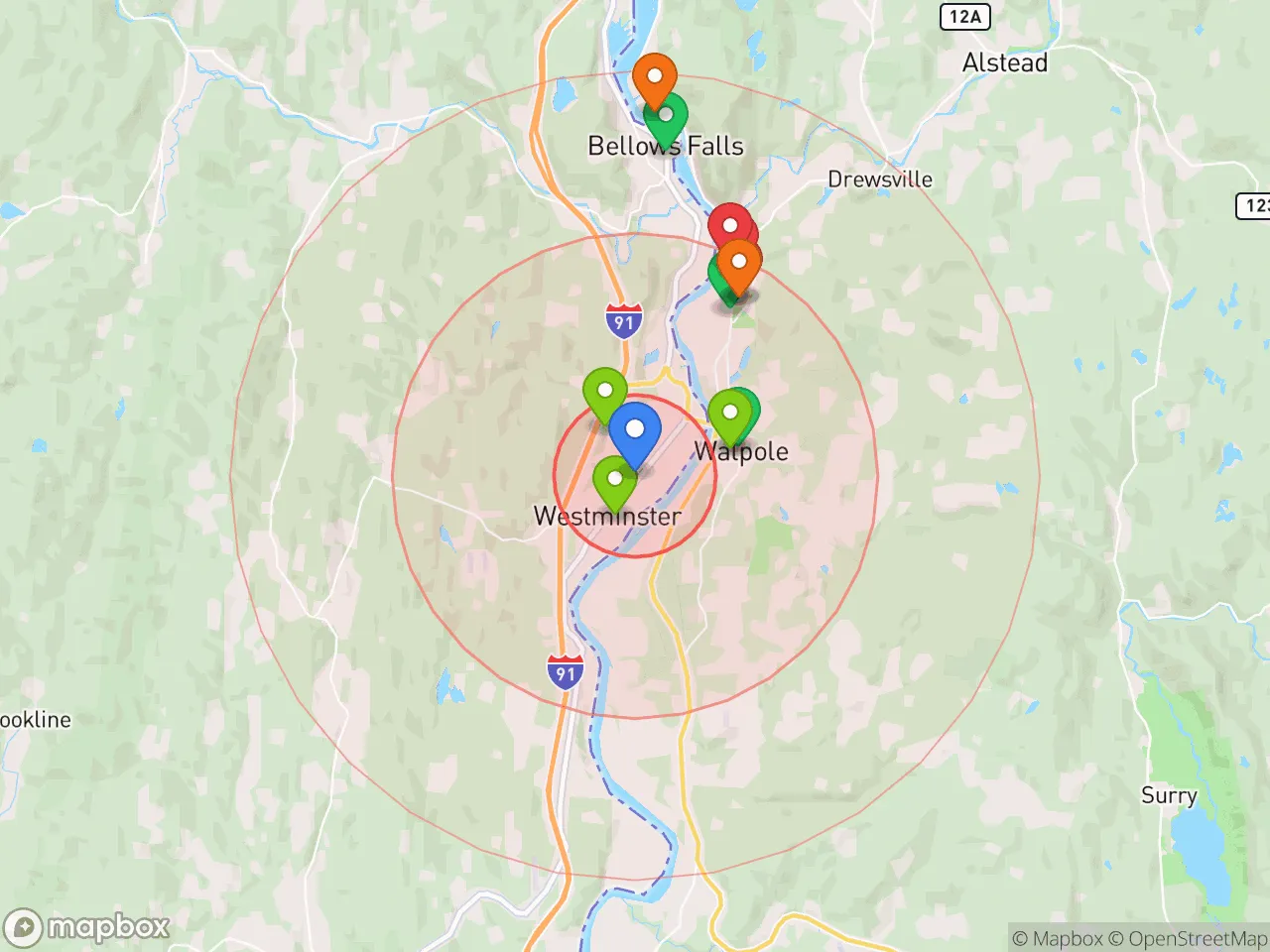
Explore the areaGroceries
1 within 10 miles
Gas
8 within 10 miles
Hospital
5 within 20 miles
Airport
PDX — Portland International Jetport
Post Office
USPS — Walpole, NH
Critical Amenities
Quality-of-Life Analysis
Westminster, Vermont, presents a quality of life defined by quiet affluence and a strong sense of rural community, attracting a mix of remote professionals, second-home owners, and families seeking space and safety. With a cost of living index of 88—12 points below the national average—the town offers a notably lower financial barrier to homeownership compared to nearby Brattleboro or Keene, New Hampshire, while maintaining a median household income that supports a comfortable, if modest, lifestyle. The population of roughly 3,000 is predominantly white and older, with a growing contingent of younger families drawn by the area’s affordability and proximity to outdoor recreation.
Cost of living, housing costs, and how Westminster compares to nearby towns
Westminster’s cost of living is a key draw, with a median home value of $285,300—significantly below the Vermont state median of $330,000 and roughly 40% less than comparable homes in Brattleboro, 12 miles south. Median rent sits at $915, which is about $200 less than the state average and a fraction of the $1,400+ typical in Keene, New Hampshire, just across the Connecticut River. Property taxes in Westminster are moderate for Vermont, averaging around 1.8% of assessed value, though this is higher than in neighboring New Hampshire towns like Walpole. For buyers, the trade-off is clear: lower purchase prices and rents come with a more limited housing stock, dominated by older single-family homes and few rental options, making competition for available units brisk.
What daily life is like: amenities, schools, and local character
Daily life in Westminster revolves around a handful of local anchors: the Westminster General Store, the Rockingham Free Public Library (a 10-minute drive), and the Connecticut River for fishing and kayaking. The town has no major supermarket or hospital—residents commute to Brattleboro or Keene for groceries and healthcare—which reinforces a car-dependent rhythm. The Westminster Center School serves grades K-8 with a student-teacher ratio of 11:1, and feeds into Bellows Falls Union High School, which has a graduation rate of 85%. For recreation, the 10-mile Westminster West Loop offers hiking and mountain biking, while the nearby Mount Snow resort (35 minutes away) provides skiing in winter. The town’s character is distinctly rural and quiet; there are no chain restaurants or nightlife, and most social life centers on town events like the Westminster Farmers Market or the annual Old Home Day celebration in August.
Who thrives in Westminster and who should look elsewhere
Westminster is best suited for remote workers, retirees, and families who prioritize space, safety, and lower housing costs over urban amenities and career density. The town’s low crime rate—violent crime is nearly nonexistent, and property crime runs about half the national average—makes it appealing for those raising children or seeking a peaceful second home. However, professionals in specialized fields (e.g., tech, finance, healthcare) will find limited local employment and should expect a 30- to 45-minute commute to larger job centers in Brattleboro or Keene. Those who crave walkable neighborhoods, diverse dining, or robust public transit will find Westminster too isolated; the nearest Amtrak station is in Brattleboro, and bus service is minimal. For the right buyer—one who values quiet, affordability, and outdoor access—Westminster offers a rare combination of financial breathing room and genuine rural character.

Crime in Westminster, VT
Generally safer than 71% of comparable U.S. locations.
Violent CrimeViolent Crime Analysis
Property CrimeProperty Crime Analysis
Crime Analysis
Westminster, Vermont, presents a mixed safety profile that requires careful consideration. While the town's violent crime rate of 213.8 per 100,000 residents is notably lower than the national average, its property crime rate of 1,415.9 per 100,000 is significantly elevated, exceeding both the Vermont state average and the national figure. This combination suggests that while violent confrontations are less common, residents face a heightened risk of theft, burglary, and other property-related offenses.
Crime in context
To understand Westminster's safety, it's essential to compare its rates to broader benchmarks. The national violent crime rate sits at approximately 380 per 100,000, making Westminster's 213.8 figure roughly 44% lower. However, the national property crime rate is around 1,954 per 100,000, meaning Westminster's 1,415.9 is about 28% lower than the U.S. average. The more concerning comparison is within Vermont itself. The state's property crime rate is roughly 1,100 per 100,000, meaning Westminster's rate is nearly 29% higher than the state average. This indicates that property crime is a disproportionately large problem for the town relative to its peaceful statewide reputation.
What residents experience
For those living in Westminster, the daily reality is shaped more by property crime than by violent incidents. The elevated property crime rate translates into a tangible risk of home burglaries, vehicle break-ins, and theft from sheds or outbuildings, which are common in rural Vermont towns. Residents often report a need for heightened vigilance, such as securing vehicles, installing outdoor lighting, and using home security systems. The violent crime rate, while lower, is not zero, and incidents of assault or robbery do occur, though they are less frequent. A significant factor influencing this environment is the broader legal and prosecutorial climate in Windham County. Progressive district attorneys and judges in the region, who often prioritize rehabilitation over incarceration, can lead to shorter sentences and more offenders remaining in the community. This approach, while sympathetic to offenders, directly contributes to a higher number of criminals on the street, negatively impacting justice for victims and public safety. Residents should be aware that this ideological stance can undermine traditional deterrence and increase the likelihood of repeat offenses.
Neighborhood-level variation
Safety in Westminster is not uniform across the town. The more densely populated village center, with its mix of homes and small businesses, tends to see a higher concentration of property crimes, particularly theft and vandalism. In contrast, the outlying rural areas and farmlands generally experience lower crime rates, though they are not immune to isolated incidents like burglaries of unoccupied vacation homes. Proximity to Interstate 91, which runs through the town, also influences crime patterns, as it provides easy access for transient offenders. For prospective residents, choosing a home in a quieter, more remote part of Westminster may offer a greater sense of security, while those in the village should take proactive steps to protect their property. Overall, the town's safety picture demands a realistic assessment, with property crime being the primary concern and the local justice system's progressive leanings a key factor to weigh.
* Values derived from national, state, county, city and local statistics and may differ in a specific area. Last updated: 2026-04-30T07:01:38.000Z
Narrative content on this page is AI-generated and may contain mistakes. Verify any details that matter before acting on them.
ReloMaps may earn a commission from affiliate links at no extra cost to you.

