Political ClimatePolitical Climate in Westlake, TX
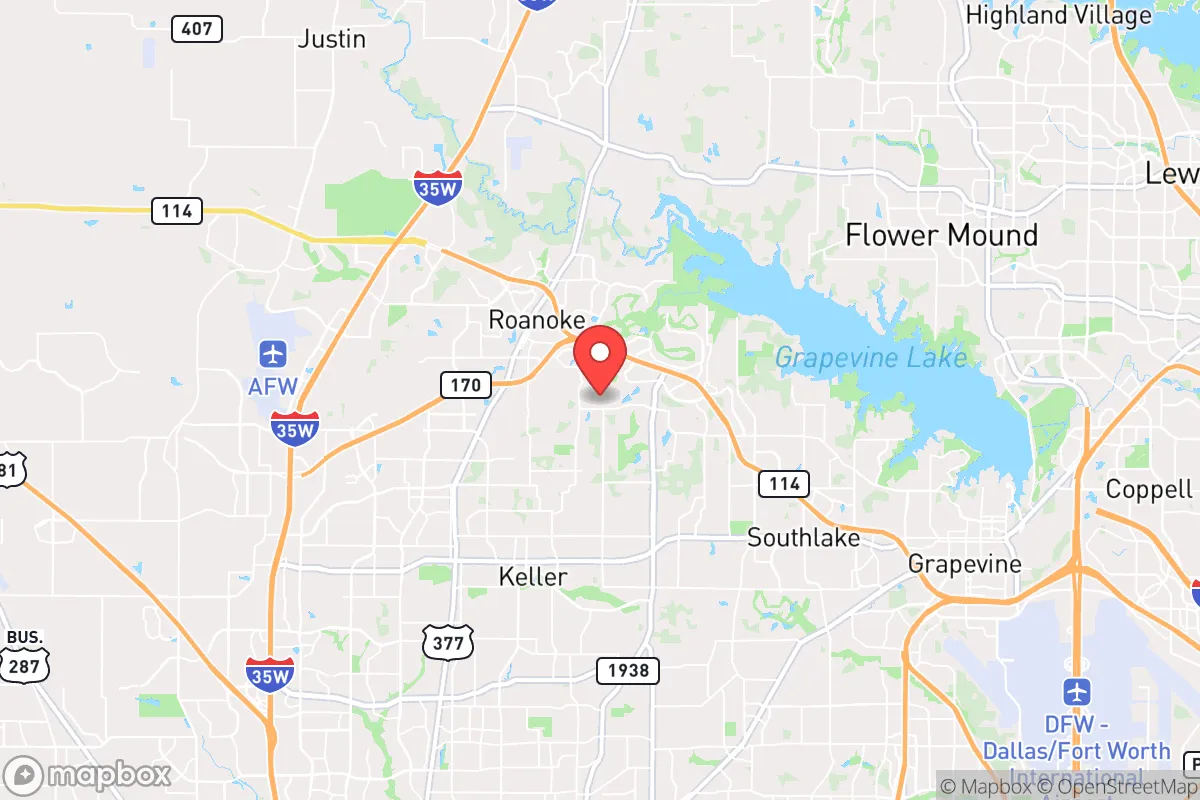
District shown is the primary district for this city’s centroid. Cities may span multiple districts.
Local Political AnalysisPolitical Analysis of Westlake, TX
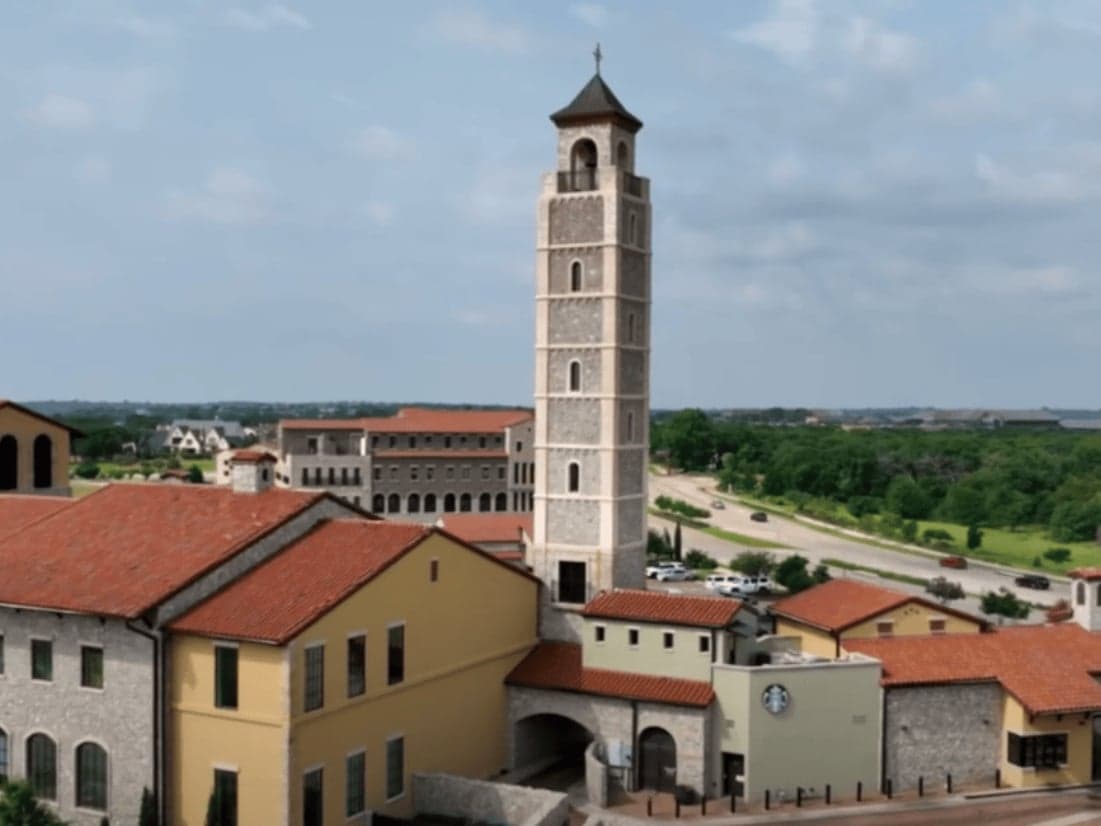
Westlake, Texas, has long been a reliably conservative stronghold, and that hasn't changed. With a Cook Partisan Voting Index of R+7, the town leans significantly more Republican than the national average, and that number feels about right if you’ve spent any time here. The political trajectory, however, is something worth keeping an eye on. While the core of Westlake remains deeply rooted in traditional values—limited government, low taxes, and personal responsibility—the explosive growth of the surrounding DFW metroplex is bringing in new residents from all over the country. So far, the local culture has held firm, but the pressure is mounting, and the next few election cycles will tell us whether Westlake stays the course or starts to drift.
How it compares
To understand Westlake’s political climate, you have to look at its neighbors. Directly to the south, Southlake is cut from the same cloth—conservative, family-oriented, and fiercely protective of local control. But drive a few miles east into parts of Fort Worth or north into Denton County, and you’ll start seeing precincts that are trending purple or even blue in some pockets. The contrast is starkest when you compare Westlake to Dallas proper, just 25 minutes away, where progressive policies on everything from property taxes to school curriculum are the norm. Westlake residents tend to see that as a cautionary tale. The concern here isn't about being isolated—it's about keeping the government out of your backyard, your child’s classroom, and your wallet. As long as the surrounding counties keep pushing for higher taxes and more regulations, Westlake will likely remain a refuge for those who value freedom over government convenience.
What this means for residents
For the people who live here, the political climate translates directly into daily life. You’ll notice it in the low property tax rate relative to neighboring cities, the lack of overreaching zoning ordinances, and a school board that still prioritizes parental rights over state or federal mandates. There’s a general sense that the town government trusts its citizens to make their own decisions—whether that’s about how to use their land, what their kids learn, or how they spend their money. That said, the recent influx of tech and corporate transplants has introduced a small but vocal minority pushing for more "progressive" policies, like denser housing mandates and diversity initiatives in local schools. So far, those efforts have been met with strong resistance at town hall meetings and the ballot box. The long-term worry is that if these shifts gain momentum, Westlake could lose the very character that made it attractive in the first place: a place where government stays small and personal freedoms come first.
Culturally, Westlake still feels like a small town that happens to be wealthy. There’s no city income tax, no heavy-handed business regulations, and a general expectation that the government’s job is to pave the roads and stay out of the way. The biggest policy distinction you’ll notice is the strong emphasis on local control—especially in education. The Carroll Independent School District, which serves Westlake, has been a flashpoint in recent years over curriculum transparency and parental notification policies. The prevailing sentiment among long-time residents is that these battles are worth fighting. If you’re someone who values the right to raise your family without government overreach, Westlake is still one of the best bets in North Texas. But the warning signs are there, and staying informed is the only way to keep it that way.

State Political ClimatePolitical Climate in Texas
State Political AnalysisPolitical Environment in the State
Texas has been a reliably Republican state for decades, with the GOP holding every statewide office and both legislative chambers, but the margin of victory has been shrinking—from 16 points for Trump in 2020 down to about 9 points in 2024—as explosive growth in the suburbs and major metros shifts the electorate. The dominant coalition remains a mix of rural conservatives, suburban families, and business-minded fiscal conservatives, but the state is now a battleground for the soul of the GOP itself, with a strong populist wing pushing back against any drift toward the center. Over the last 10-20 years, Texas has moved from a solid red lock to a lean-red state where Democrats see a path to competitiveness, driven largely by in-migration from blue states and the rapid diversification of the population under 40.
Urban vs. rural divide
The political map of Texas is a stark checkerboard. The big blue dots are Austin (Travis County, +45 D in 2024), El Paso (El Paso County, +30 D), and Dallas and Houston (Harris County, +15 D), where progressive activism, tech transplants, and minority voters create deep-blue strongholds. Meanwhile, the vast rural expanse—places like Lubbock (Lubbock County, +35 R), Amarillo (Potter County, +40 R), and the entire Permian Basin—votes overwhelmingly Republican, often by 50-60 point margins. The real action is in the suburbs: Collin County (north of Dallas) was +20 R in 2020 but slipped to +12 R in 2024, while Fort Bend County (southwest of Houston) flipped from red to blue in 2018 and has stayed there. These suburban shifts are driven by college-educated white women and Asian-American voters who are turned off by the GOP’s cultural wars, but the rural vote remains so lopsided that it still carries the state.
Policy environment
Texas has no state income tax, which is the single biggest draw for conservatives and businesses alike, and the regulatory posture is famously light—permitting is fast, zoning is minimal, and occupational licensing is among the least burdensome in the country. On education, the state passed a school voucher-like program in 2025 (the Texas Parental Empowerment Act) that lets families use state funds for private or homeschool expenses, a major win for school choice advocates. Healthcare policy is a mixed bag: Texas refused Medicaid expansion under Obamacare, leaving 1.5 million uninsured, but it also passed a near-total abortion ban (SB 8, 2021) and a trigger law that took effect in 2022, making it one of the most pro-life states in the nation. Election laws tightened in 2021 with SB 1, which banned drive-through voting, added ID requirements for mail ballots, and empowered partisan poll watchers—a move that drew fierce criticism from the left but was defended as election integrity. The property tax burden is high (no income tax means local governments lean heavily on property taxes), but the state has used budget surpluses to buy down rates, including a $12 billion property tax cut in 2023.
Trajectory & freedom
On personal liberty, Texas has moved decisively in the direction of expanding freedom for conservatives, but with some concerning caveats. The state enacted permitless carry (HB 1927) in 2021, meaning any law-abiding adult can carry a handgun without a license—a major win for Second Amendment advocates. Parental rights were strengthened with the 2023 law banning gender-transition procedures for minors (SB 14), which the state is defending in court. On medical autonomy, Texas banned COVID-19 vaccine mandates for private employers in 2023, a strong stand against federal overreach. However, the state has also seen a troubling expansion of government power in the name of election security: SB 1 criminalizes certain voting assistance practices, and critics argue it chills legitimate voter turnout. Property rights remain strong, with no statewide rent control and a robust homestead exemption, but the state’s use of eminent domain for private infrastructure projects (like the Texas-Mexico border wall) has raised eyebrows among libertarians. The trend is toward more freedom on guns, family policy, and taxes, but with a heavier hand on election administration and immigration enforcement.
Civil unrest & political movements
Texas has been a flashpoint for political activism on both sides. The 2020 Black Lives Matter protests in Austin and Houston were large and occasionally violent, leading to property damage and a lasting rift between city leaders and state Republicans, who responded with a law (HB 9, 2021) that bans cities from defunding police and imposes penalties on local officials who reduce police budgets. Immigration politics are a constant pressure point: Governor Abbott’s Operation Lone Star has deployed state troopers and National Guard to the border, bused migrants to sanctuary cities like New York and Chicago, and installed razor wire and buoys in the Rio Grande—a direct challenge to federal authority that has sparked lawsuits and a Supreme Court ruling. The “Texas secession” rhetoric, led by the Texas Nationalist Movement, is mostly fringe but gets airtime on conservative media, especially after the 2024 election. Election integrity remains a live issue: the 2022 midterms saw high turnout and few problems, but activists on the right continue to push for hand-counting of ballots and a ban on drop boxes, while left-wing groups like the Texas Organizing Project mobilize voters in urban centers. A new resident would notice the heavy police presence in border towns like Eagle Pass and the constant political signage in suburban yards—it’s a state where politics is never far from the surface.
Projection
Over the next 5-10 years, Texas will likely remain Republican but with a narrowing margin, as the influx of Californians and New Yorkers (many of whom are moderate or conservative) is offset by the natural growth of the young, diverse population that leans Democratic. The suburbs will continue to trend blue, but the rural vote will remain rock-solid red, and the GOP will likely double down on cultural issues (abortion, parental rights, school choice) to hold its base. The biggest wildcard is the border: if the federal government fails to secure it, Texas will continue to assert state-level authority, which could lead to a constitutional showdown. For a conservative moving in now, expect a state that is still very friendly to your values—low taxes, strong gun rights, school choice—but be prepared for a more contested political environment than the one that existed 20 years ago. The GOP will need to win over suburban moderates without alienating its rural base, and that balancing act will define the next decade.
Bottom line for a new resident: Texas is still a conservative haven, but it’s no longer a lock. If you’re moving for freedom from government overreach, you’ll find it in the rural counties and exurbs—places like Katy or Frisco—but the big cities are increasingly progressive and will push back against state policies. Your vote will matter more here than it did a decade ago, and the political culture is vibrant, sometimes confrontational, but ultimately still grounded in the idea that government should stay out of your life. Just keep an eye on the property tax bill and the border—those are the two issues that will shape your experience most directly.
* Values derived from national, state, county, city and local statistics and may differ in a specific area. Last updated: 2026-04-24T04:37:22.000Z
Narrative content on this page is AI-generated and may contain mistakes. Verify any details that matter before acting on them.
ReloMaps may earn a commission from affiliate links at no extra cost to you.

