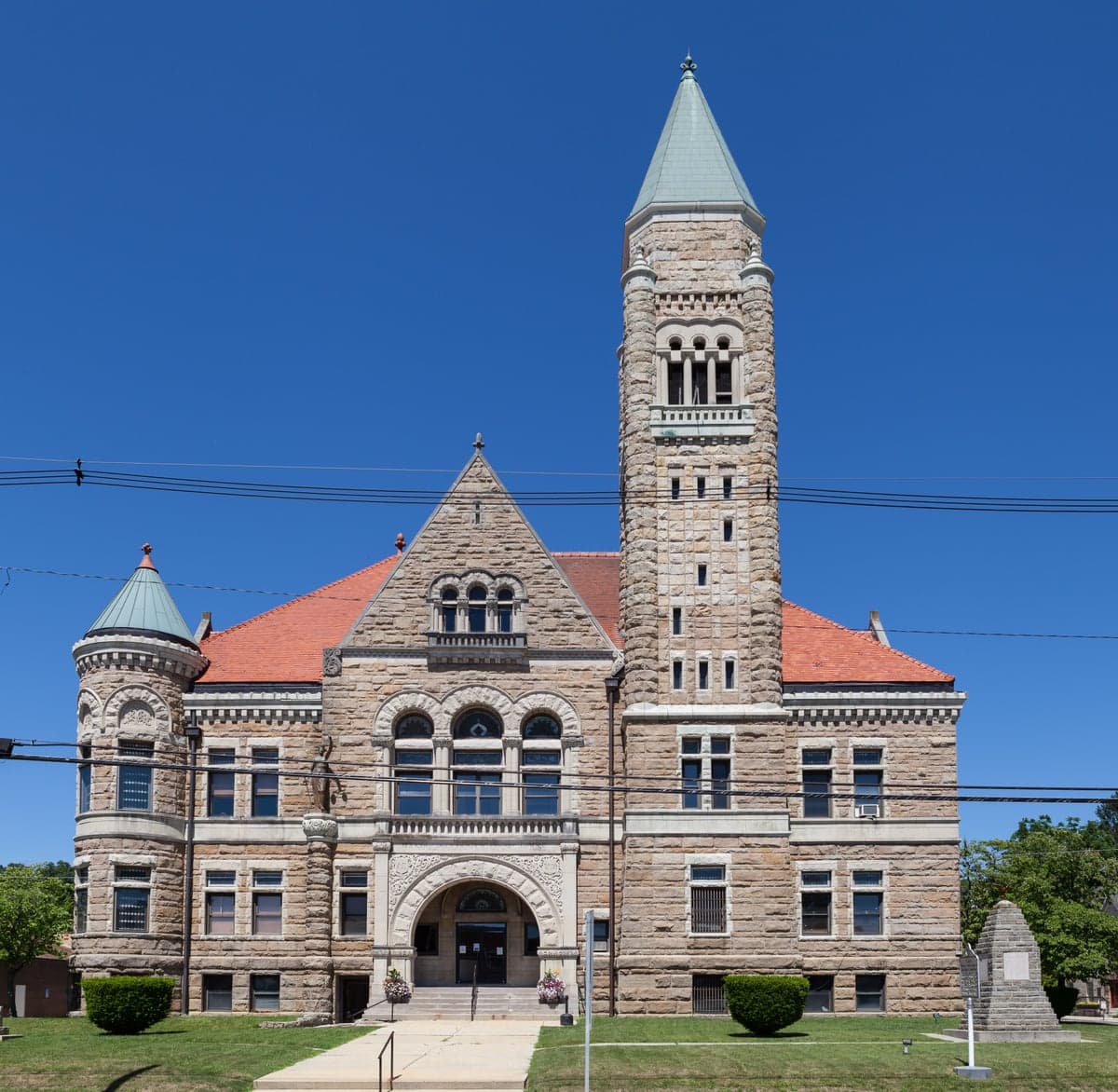
Photo: Wikipedia
Demographics of Randolph County
Affluence Level in Randolph County
A below-average socioeconomic profile. Incomes, home values, and educational attainment trail the U.S., with higher poverty and unemployment.
People of Randolph County
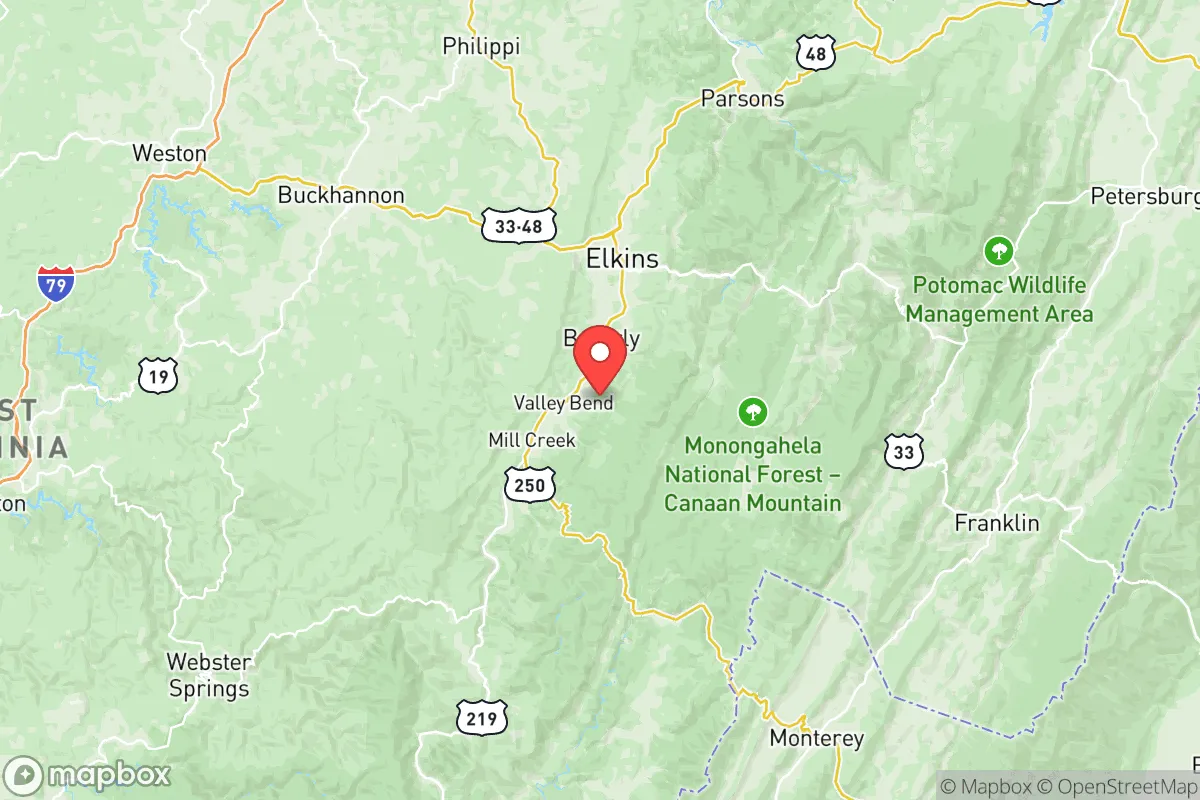
Randolph County, West Virginia, is a deeply rooted, predominantly white, and aging community of 27,782 residents, where 90.5% of the population identifies as white and the foreign-born share is a negligible 0.1%. Its people are defined by a strong Appalachian identity, shaped by centuries of isolation, resource extraction, and a fiercely independent Scots-Irish and German heritage. With only 19.0% holding a college degree, the county’s character is more blue-collar and rural than the national average, centered on the county seat of Elkins and the smaller towns of Beverly, Coalton, and Harman. This is a place where family lineages run deep, and the population is slowly declining, reflecting the broader challenges of rural West Virginia.
Settlement & growth (pre-1960)
Before European contact, the land that is now Randolph County was part of the hunting grounds of the Seneca and other Iroquoian nations, as well as the Shawnee and Mingo, who used the Tygart Valley River valley for seasonal camps. The region was largely uninhabited year-round, serving as a contested buffer zone between tribes. The first permanent European settlers arrived in the mid-18th century, primarily Scots-Irish and English pioneers pushing west from Virginia and Pennsylvania. These families, such as the Tygarts and the Westfalls, established homesteads along the Tygart Valley River, founding the settlement of Beverly (then called Edray) in the 1750s. The area was officially organized as Randolph County in 1787, named after Virginia statesman Edmund Randolph.
The 19th century brought a second wave: German immigrants, who arrived in the 1840s and 1850s, drawn by the promise of cheap land and the region’s growing timber industry. They settled in the northern part of the county, founding communities like Harman and Whitmer, where their Lutheran and Reformed church traditions remain visible today. The Civil War deeply divided Randolph County, with the county seat of Beverly changing hands multiple times; the Battle of Rich Mountain (1861) near Beverly was a key Union victory. After the war, the arrival of the West Virginia Central and Pittsburgh Railway in the 1880s transformed the county. The railroad spurred the founding of Elkins in 1889, named after Senator Stephen B. Elkins, which quickly became the county’s commercial and political hub. The railroad also opened the county to the coal and timber booms, attracting a small number of Italian and Polish laborers to work in the mines and lumber camps around Coalton and Montrose in the early 1900s. By 1960, Randolph County’s population peaked at roughly 30,000, built on a foundation of resource extraction and small-scale agriculture, with a population that was overwhelmingly native-born white and Protestant.
Modern era (post-1965)
The post-1965 era, marked by the Hart-Cellar Act, had virtually no impact on Randolph County’s demographics. The county’s foreign-born population remains at 0.1%, and its racial composition has barely shifted: 90.5% white, 1.4% Black, and 1.1% Hispanic. The small Black population is largely descended from families who moved to the area during the coal boom of the early 1900s, with a historic concentration in Elkins near the railroad yards. The Hispanic population, though tiny, has grown slightly in the last decade, primarily with Mexican-origin families working in the timber industry around Harman and Dailey. There are no significant East/Southeast Asian or Indian-subcontinent communities in the county. The dominant demographic story since 1965 has been out-migration: young adults leaving for college or jobs in Morgantown, Charleston, or out of state, combined with a low birth rate and an aging population. The county’s population has declined from 28,262 in 2000 to 27,782 in 2024, a loss of roughly 1.7% per decade. Suburbanization has been minimal, limited to a few subdivisions on the outskirts of Elkins and Beverly, as the county lacks the job base to attract significant domestic migration from other regions.
The future
Randolph County’s population is projected to continue its slow decline over the next 10-20 years, driven by an aging demographic (median age is over 45) and limited economic opportunities. The county will likely become slightly more diverse, but only incrementally: the Hispanic share may rise to 2-3% as families follow agricultural and service-sector jobs, and the Black share may hold steady or decline slightly. The white population will continue to shrink in absolute numbers. New residents are most likely to be retirees or remote workers seeking low-cost, rural living, drawn to the outdoor recreation around the Monongahela National Forest and the Tygart Valley River. These newcomers will concentrate in Elkins and the scenic areas near Beverly and Huttonsville, but they will not reverse the overall decline. The county’s cultural identity will remain strongly Appalachian, with a conservative, self-reliant ethos, though the arrival of remote workers may introduce a small, more liberal-leaning cohort.
For someone moving in now, Randolph County offers a quiet, affordable, and deeply traditional way of life, but it is a place in demographic retreat. The population is older, less diverse, and more homogenous than almost any other county in America, and the future points toward further shrinkage rather than growth. The community is welcoming to those who respect its pace and values, but it is not a destination for those seeking a dynamic, diverse, or expanding job market.

* Values derived from national, state, county, city and local statistics and may differ in a specific area. Last updated: 2026-07-30T14:01:10.000Z
Narrative content on this page is AI-generated and may contain mistakes. Verify any details that matter before acting on them.
ReloMaps may earn a commission from affiliate links at no extra cost to you.

