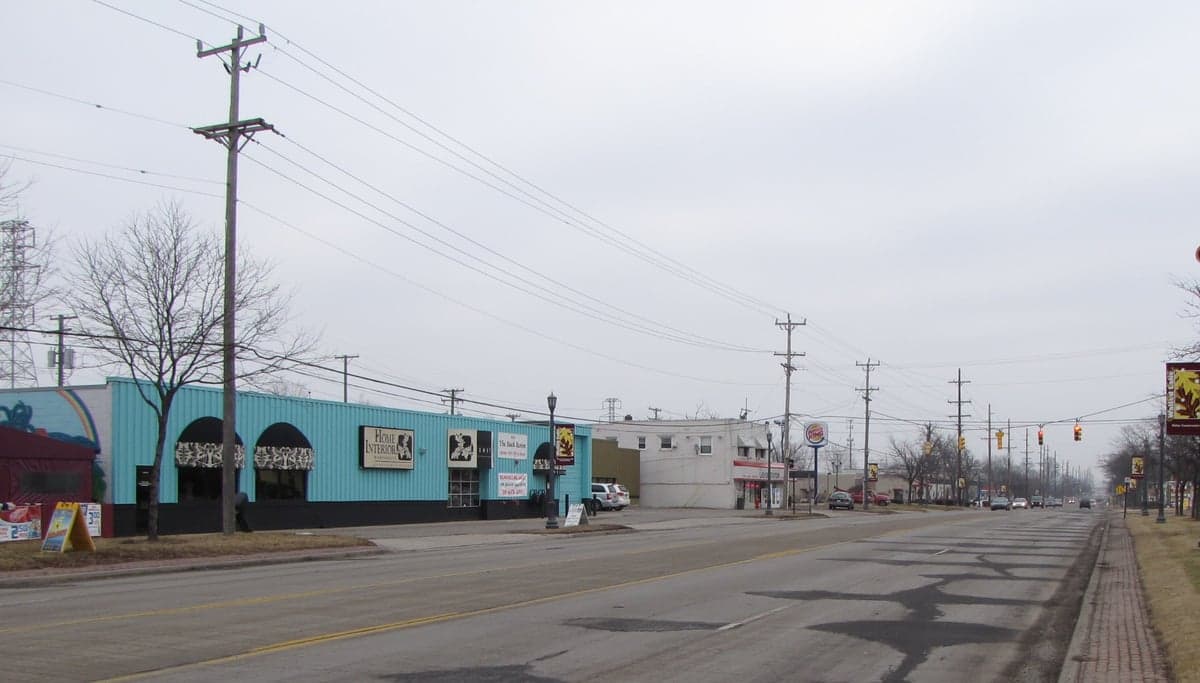
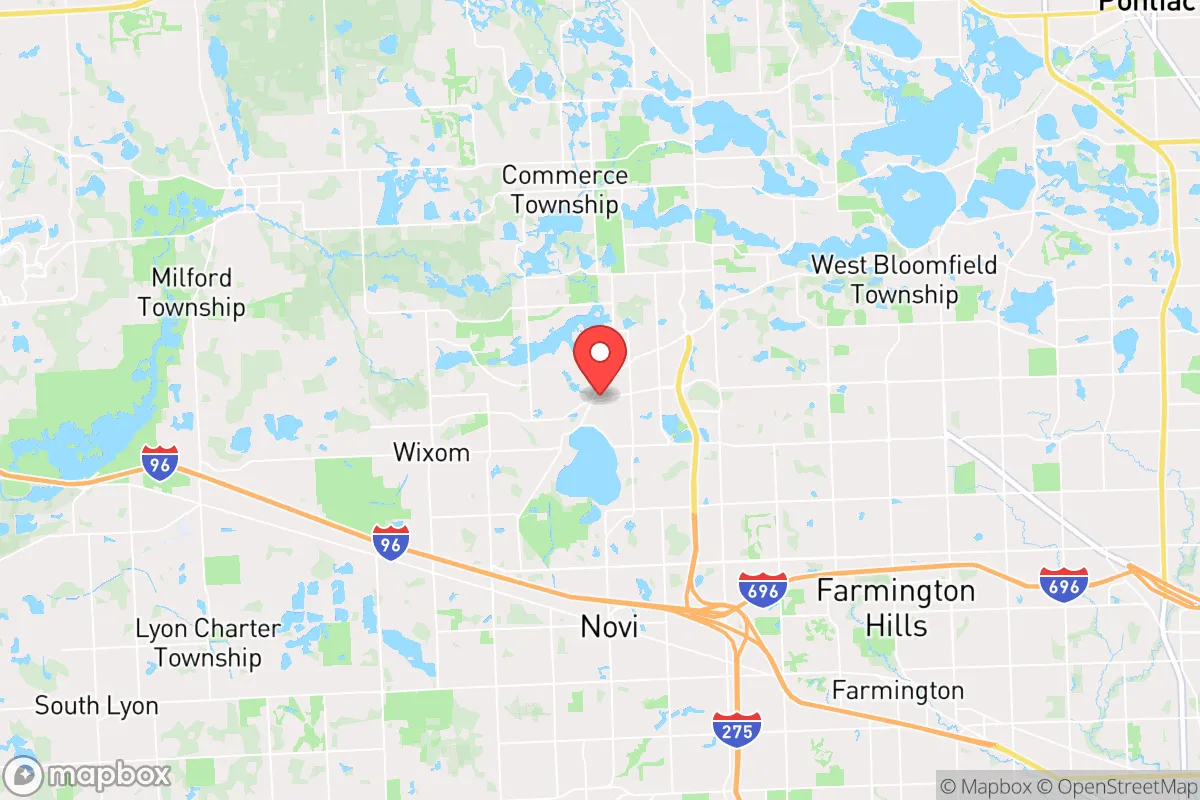
Photo: Wikipedia
Demographics of Walled Lake, MI
Affluence Level in Walled Lake, MI
A middle-class area roughly in line with national averages across income, home values, education, and employment.
People of Walled Lake, MI
The people of Walled Lake, Michigan, today number 7,275, forming a predominantly white (83.7%) community with a distinctly suburban character rooted in its historic lakeside setting. The city is notably less diverse than neighboring Oakland County as a whole, with a foreign-born population of just 4.5%, and its identity is shaped by a mix of long-standing families, newer domestic arrivals, and small but growing East/Southeast Asian and Hispanic communities. Residents often describe the city as a tight-knit, family-oriented place where the annual Winterfest and summer concerts on the lake remain central social fixtures, and where the local schools and three lakes define daily life.
How the city was settled and grew
Walled Lake’s original population was drawn by the area’s abundant water and timber resources in the early 19th century. The first permanent white settlers, primarily of English and German stock, arrived in the 1830s, drawn by the promise of farmland and the power of the lake for mills. The village was formally platted in 1854, and the arrival of the Detroit and Milwaukee Railroad in the 1850s turned it into a modest resort and summer-cottage destination for Detroiters. The historic Lake Drive corridor and the area around Maple Beach became the early population centers, where the original mill workers, farmers, and resort staff built simple frame houses. A second wave of growth came in the 1920s and 1930s, when the rise of the automobile made Walled Lake a more accessible year-round suburb. This era saw the development of the Walled Lake Park neighborhood, a collection of modest bungalows and Cape Cods built for auto workers and tradesmen commuting to Pontiac and Detroit. The population remained overwhelmingly white and native-born through the mid-20th century, with the 1950 census recording a population of just over 2,000, almost entirely of Northern European descent.
Modern era (post-1965)
The post-1965 period brought gradual demographic change, though Walled Lake remained less affected by the suburban diversification seen in larger Oakland County communities. The 1970s and 1980s saw an influx of families moving from Detroit and inner-ring suburbs, drawn by the city’s relatively affordable lakefront homes and the reputation of the Walled Lake Consolidated Schools. These domestic migrants, predominantly white, settled into established neighborhoods like Walled Lake Estates and the newer subdivisions off Pontiac Trail. The city’s racial and ethnic composition began to shift more noticeably after 2000. The East/Southeast Asian population, now at 4.6%, began concentrating in the Lakeside Crossing area and the newer developments near the intersection of Maple and Pontiac Trail, drawn by the school system and proximity to Asian grocery and service corridors in nearby Novi and West Bloomfield. The Hispanic population, at 4.4%, is more dispersed but has a visible presence in the Walled Lake Park neighborhood, where some older homes have been converted to multi-family rentals. The Black population, at 4.2%, is spread across the city without a single concentrated neighborhood, reflecting a pattern of gradual, individual moves rather than block-level clustering. The Indian-subcontinent population remains very small at 0.9%, with no distinct geographic concentration.
The future
Walled Lake’s population is projected to remain stable in size but slowly diversify over the next two decades. The city’s limited land for new development — hemmed in by the lakes and established subdivisions — means that most demographic change will come through in-fill and the turnover of existing housing stock. The East/Southeast Asian and Hispanic shares are expected to continue their gradual rise, likely reaching 6-7% each by 2040, driven by the same regional economic pull that has diversified neighboring communities. The white share, while still dominant, will continue its slow decline from the current 83.7%. Newer arrivals, particularly young families and professionals, are gravitating toward the Walled Lake Downtown district, where recent mixed-use developments and the new city hall complex are creating a more walkable, amenity-rich environment. The city’s cultural identity is evolving from a purely lakeside resort-and-bedroom community into a more self-contained small city with a growing restaurant and retail scene, though it remains far less diverse than the county average. For a new resident, Walled Lake offers a stable, safe, and family-oriented environment where the pace of change is slow, the schools are a major draw, and the lakes remain the undisputed center of community life.

* Values derived from national, state, county, city and local statistics and may differ in a specific area. Last updated: 2026-10-05T03:24:16.000Z
Narrative content on this page is AI-generated and may contain mistakes. Verify any details that matter before acting on them.
ReloMaps may earn a commission from affiliate links at no extra cost to you.

