Demographics of Salt Lake County
Affluence Level in Salt Lake County
An upper-middle-class area. Household wealth, education levels, and homeownership run ahead of national benchmarks.
People of Salt Lake County
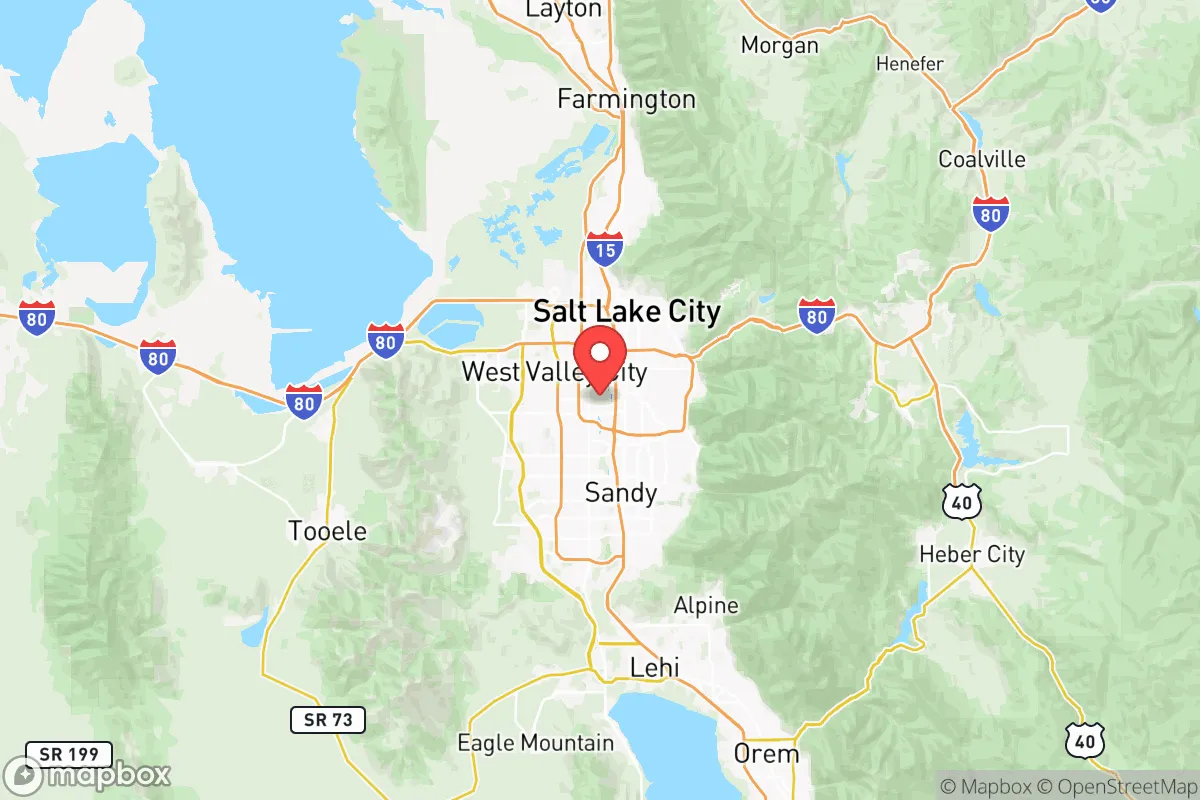
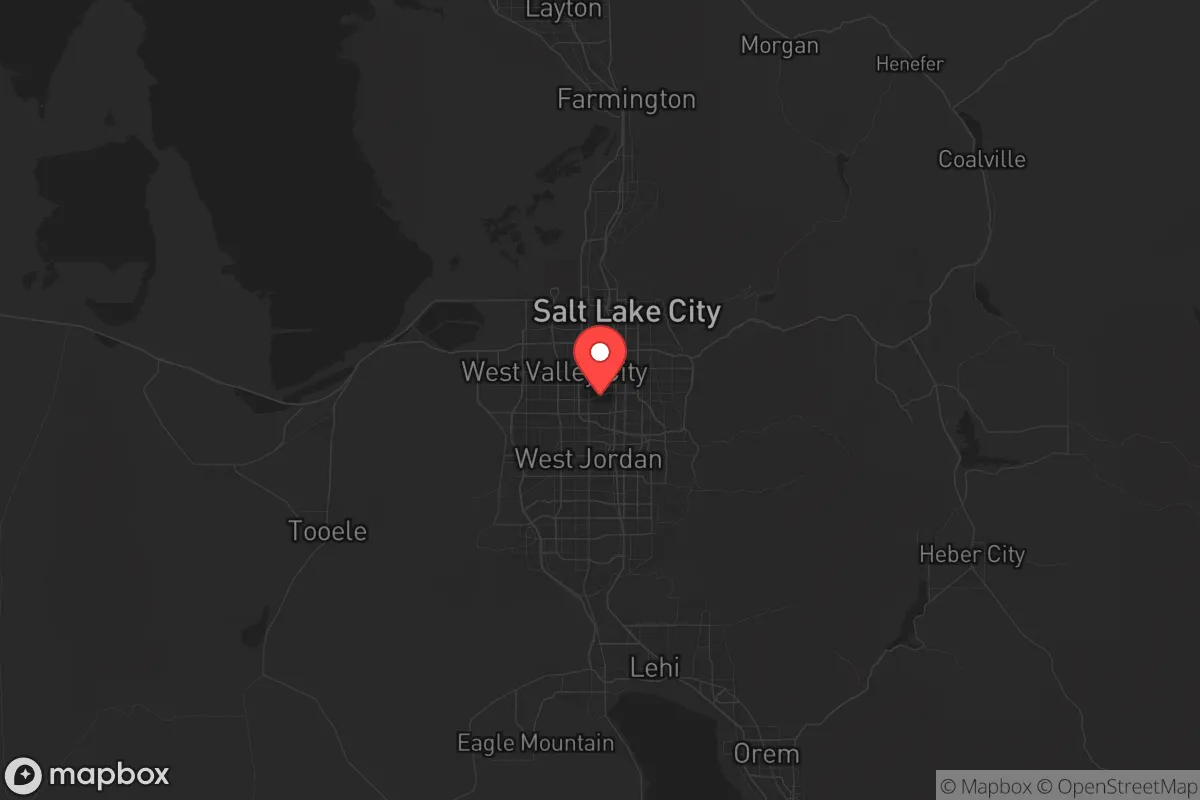
Salt Lake County is the demographic and economic core of Utah, home to just over 1.18 million residents as of recent data, or roughly one-third of the state's population. The population is 67.9% white, 20.0% Hispanic, 3.0% East and Southeast Asian, and 1.1% Indian, with a foreign-born share of 7.5% and a college-educated rate of 38.6%. Historically anchored by its Mormon pioneer foundations, the county today blends the descendants of those early settlers with a growing wave of international immigrants and domestic newcomers from the West Coast, giving it a character that is increasingly distinct from the more uniformly LDS regions of the state.
Settlement & growth (pre-1960)
Before Euro-American settlement, the Salt Lake Valley was inhabited by bands of the Western Shoshone, Goshute, and Ute peoples, who seasonally camped along the Jordan River and the shores of the Great Salt Lake. Spanish explorers passing through in 1776 left no permanent settlements, and the region remained sparsely populated until Anglo-American arrival.
The first lasting settlement occurred in July 1847, when Mormon pioneers under Brigham Young entered the valley and founded Salt Lake City. Within days they were plowing fields and digging irrigation ditches along City Creek. The Church of Jesus Christ of Latter-day Saints directed a systematic colonization effort over the following decades, sending church members to satellite settlements throughout the valley. By the 1850s and 1860s, tens of thousands of European converts — primarily English, Welsh, Scandinavians (Danish, Swedish, Norwegian), and Scots — immigrated to the territory and were directed to specific communities. English and Scandinavian converts dominated the early farming settlements of Sandy and West Jordan, while Welsh and Scottish immigrants concentrated in Murray and Midvale, where the smelters and rail yards offered industrial work.
Following the transcontinental railroad's completion in 1869, a wave of non-Mormon immigrants arrived for mining and railroad work. Greeks, Italians, Slavs (chiefly Croatians and Slovenians), and Chinese laborers poured into the region, establishing enclaves in the mining camps of Bingham Canyon (part of unincorporated Salt Lake County) and in the industrial districts of Murray and Midvale. These groups remained largely segregated from the LDS pioneer core, building their own churches, fr

* Values derived from national, state, county, city and local statistics and may differ in a specific area. Last updated: 2026-06-01T11:05:45.000Z
Narrative content on this page is AI-generated and may contain mistakes. Verify any details that matter before acting on them.
ReloMaps may earn a commission from affiliate links at no extra cost to you.

