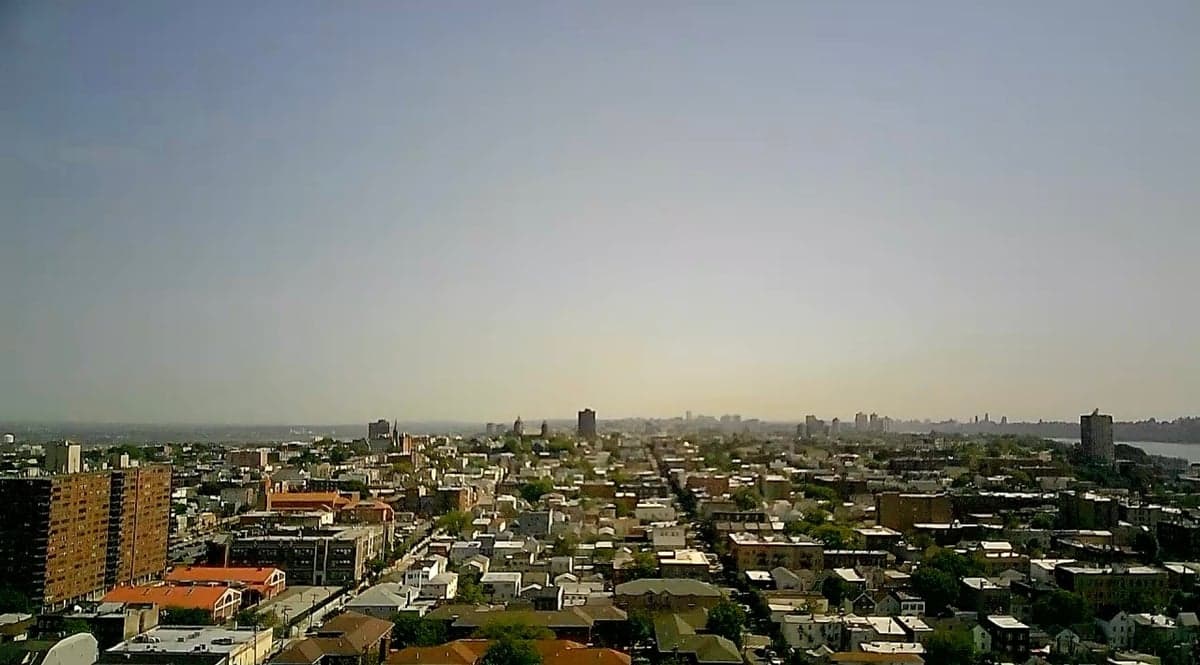
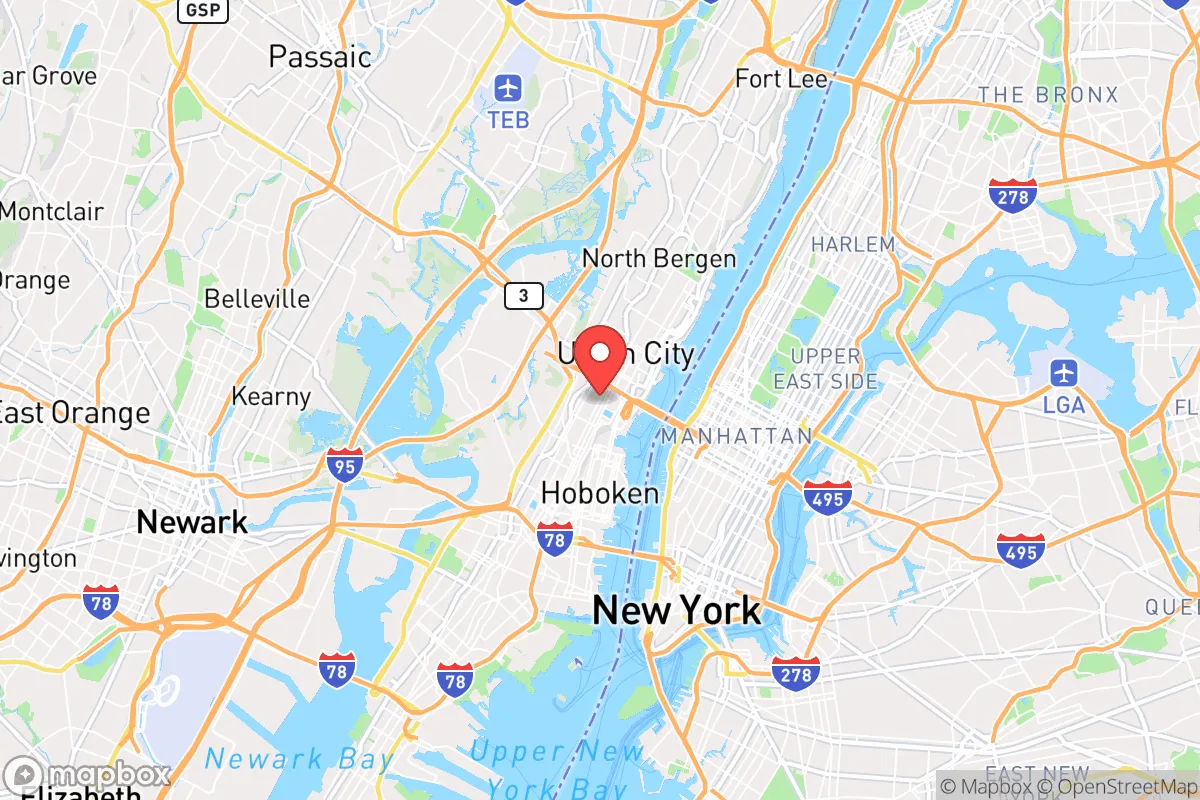
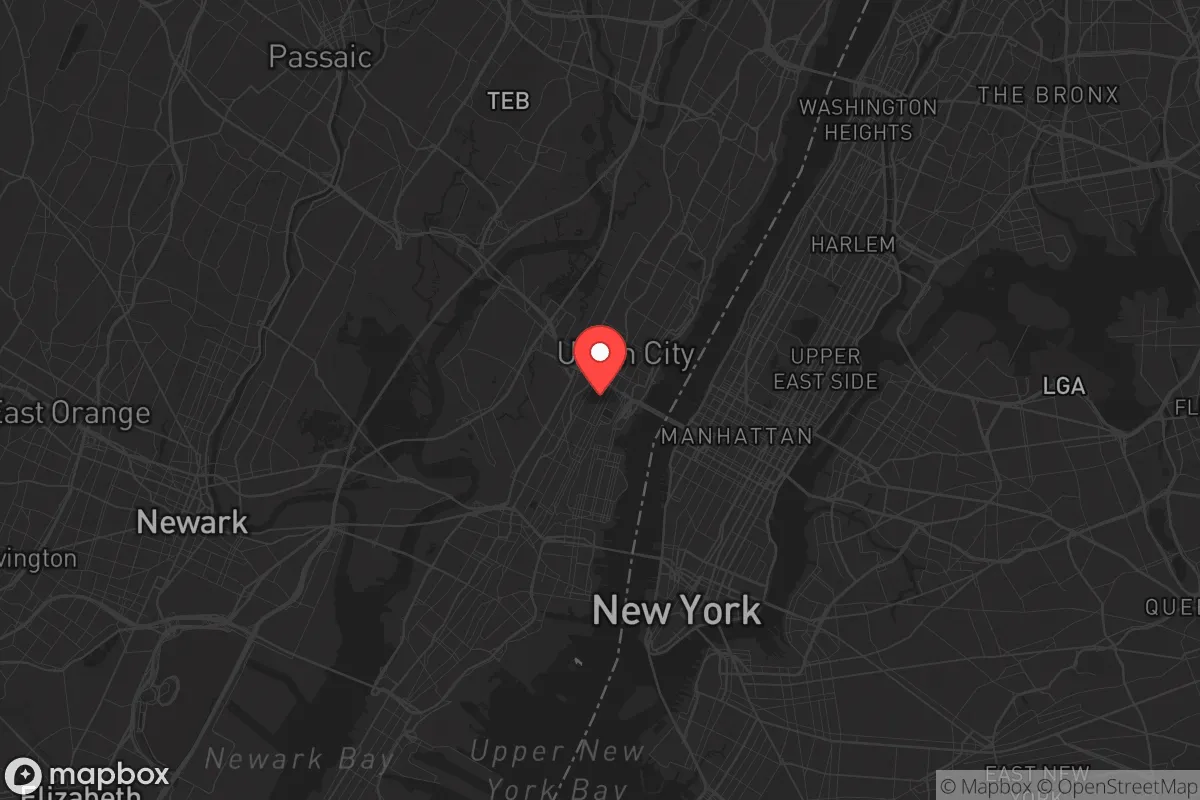
Photo: Wikipedia
Strategic Assessment of Union City, NJ
High tactical risk. This location is likely close to major population centers, strategic targets, or sits in a high-disaster corridor. A retreat property and careful exit planning is required.
What does the Strategic Assessment tell us?
Our Strategic Assessment grades tactical survivability of an area. Major population centers, military targets, fallout zones, natural disasters, and border exposure all drive risk — lower exposure means a more defensible position in a crisis.
This is heavily inspired by Joel Skousen's Strategic Relocation book. Highly recommended you checkout the book ($)What does this tell us?
Our Strategic Assessment grades tactical survivability of an area. Major population centers, military targets, fallout zones, natural disasters, and border exposure all drive risk — lower exposure means a more defensible position in a crisis.
This is heavily inspired by Joel Skousen's Strategic Relocation book. Highly recommended you checkout the book ($)Strategic Pillars

Key Distances
Regional Safe Places
Below is our recommended "safe zones" in New Jersey and the surrounding area based on our strategic heuristics. For most people, it's unrealistic to live in a “safe zone” full-time due to work, family or other personal reasons. They tend to be more rural. However, many of these areas are perfect for second homes and retreat properties that double as a vacation home or even a short-term rental.
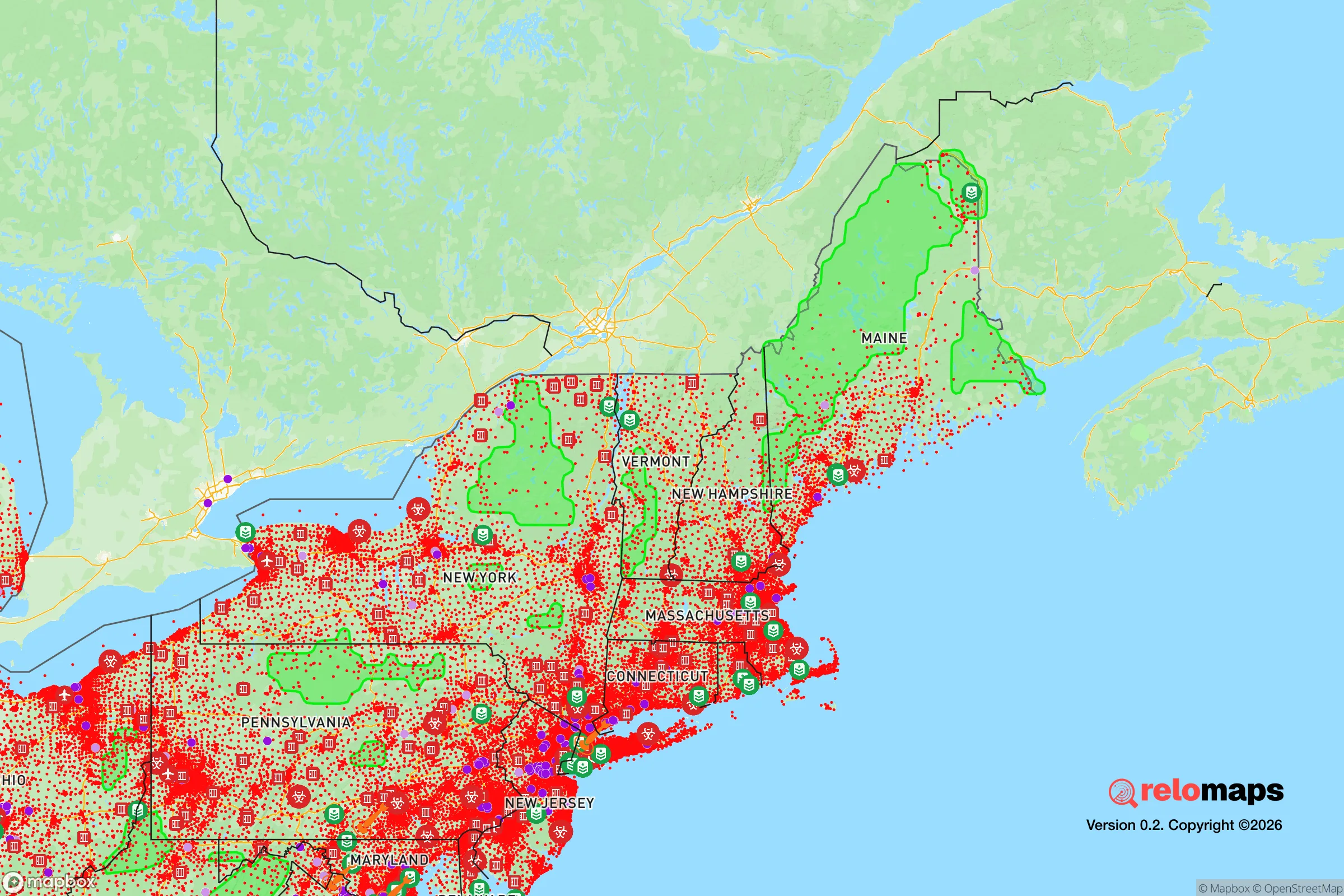
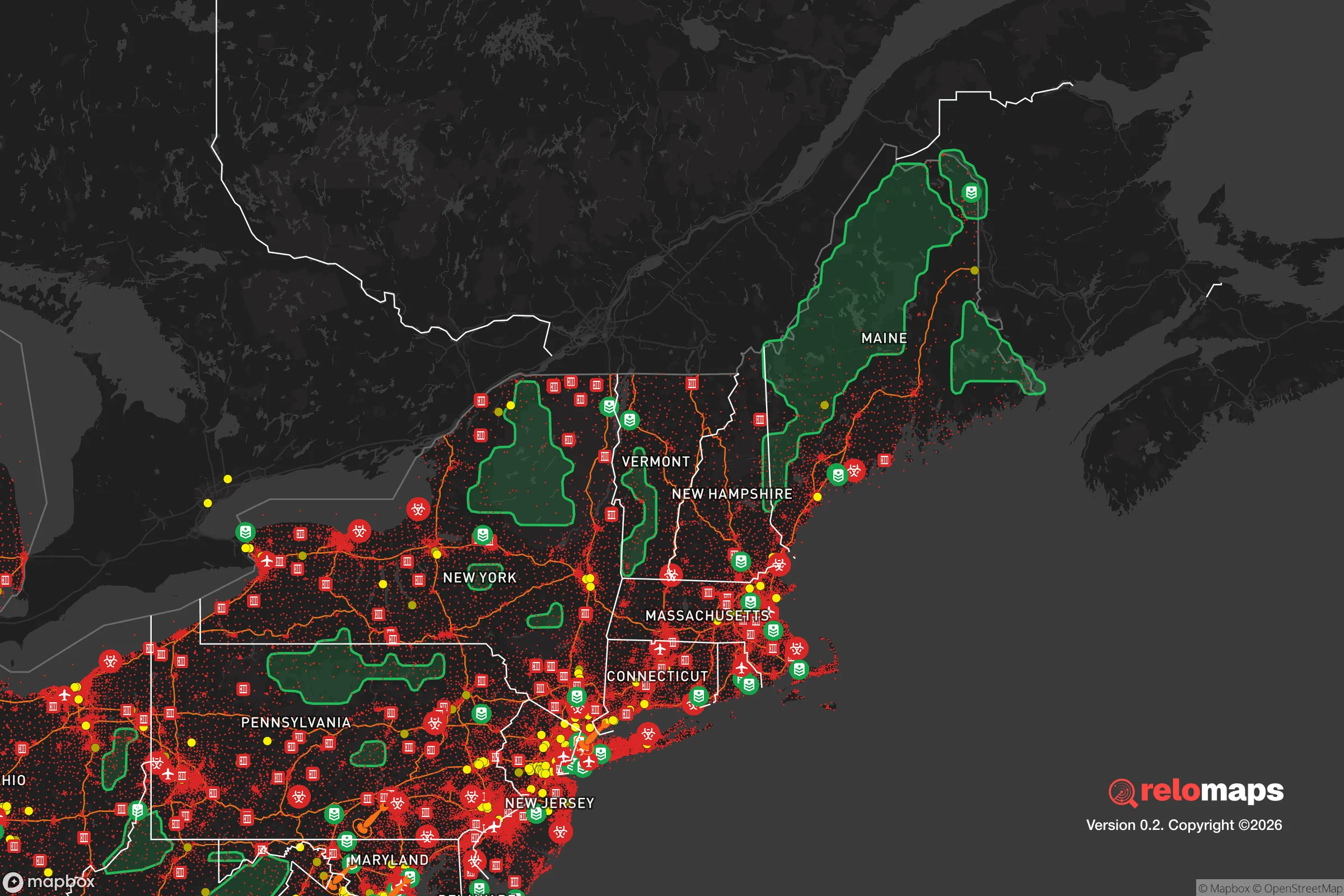


Important Note: For informational purposes only. This does not mean nothing bad ever happens in the green zones. Please use common sense. This is based on public data and modeled with AI. We tried to take a conservative approach but mistakes happen. We update this regularly as new information becomes available.
Solar Generator Recommendations
Backup power matters more here than in safer locations. We've picked three solar generators across budgets and capacity tiers — start with the budget unit if you only need a few essentials, or step up if you want to run a fridge and HVAC for days at a time.

Jackery Portable Power Station Explorer 300
Budget OptionPower on the Go: Weighing only 11 lbs, it's convenient to set up and store with book-sized foldable solar panels

BLUETTI Portable Power Station AC180
Designed for both indoor and outdoor scenarios, AC180 is highly capable as it has a robost capacity and continuous output power.

EF ECOFLOW DELTA Pro Ultra Power Station
Upgraded PickEcoFlow DELTA Pro Ultra is a whole-home energy system designed to grow with your family. Integrated with the Smart Home Panel 2, it scales to meet your evolving energy needs — keeping your home powered, intelligent, and secure through every stage of life.
We earn a commission, at no additional cost to you.
Strategic Assessment Analysis
Union City, New Jersey, presents a paradox for the strategic relocator: it sits in one of the most densely populated and politically volatile corridors in the nation, yet its specific geography and infrastructure offer a narrow set of resilience advantages for those who understand the trade-offs. This one-square-mile city, perched on the Palisades directly across the Hudson from midtown Manhattan, is not a retreat—it is a forward operating base. For the conservative prepper who must remain near the Northeast corridor for work or family obligations, Union City offers a hard, realistic option: high density, high risk, but with a few structural edges that a prepared individual can exploit. The calculus here is not about comfort; it is about survivability in a worst-case scenario, and the numbers are sobering.
Geographic position and natural advantages for a survival scenario
Union City’s primary strategic asset is its elevation. The city sits atop the Hudson Palisades, a 200- to 300-foot basalt cliff that rises sharply from the Hudson River waterfront. In a flood event—whether from a hurricane storm surge, sea-level rise, or a dam failure upstream—this elevation places the entire city well above the inundation zone that would swamp Hoboken, Jersey City’s waterfront, and much of lower Manhattan. During Superstorm Sandy in 2012, Union City experienced minimal flooding while surrounding low-lying areas were devastated. This natural high ground also provides a defensible observation post: from the city’s western ridges, a resident can see across the New York skyline and the entire Port of New York and New Jersey, offering early visual warning of large-scale events—fires, explosions, or mass movement of people. The Palisades themselves are a natural barrier; the cliff face is largely undeveloped parkland (Palisades Interstate Park), which means no direct vehicular approach from the east. Any threat coming from Manhattan would have to funnel through a handful of tunnels or bridges, all of which are choke points a prepared community could monitor or block. However, this same geography creates a trap: the city is a narrow plateau with only a few arterial roads (Bergenline Avenue, Kennedy Boulevard) that run north-south, and any mass evacuation would gridlock within minutes. The natural advantage is real, but it is a double-edged sword.
Risks, exposures, and proximity to fallout-relevant landmarks
The risks in Union City are severe and cannot be glossed over. The city lies less than two miles from the Lincoln Tunnel, which connects directly to midtown Manhattan—a primary target for any coordinated attack, whether nuclear, chemical, or conventional. The Port of New York and New Jersey, one of the busiest in the world, is directly east, handling container ships, oil terminals, and liquefied natural gas facilities. A detonation or major accident at these facilities would produce a blast wave and fallout plume that would sweep directly over Union City within minutes, depending on wind direction. Additionally, the city is within the immediate fallout zone of any ground-level nuclear detonation in Manhattan; prevailing westerly winds would carry radioactive debris across the Hudson and directly onto the Palisades. The city’s population density—over 62,000 people per square mile, the highest in the United States—means that any biological agent, panic-driven stampede, or resource shortage would cascade rapidly. There is no rural buffer; the city is contiguous with North Bergen, West New York, and Jersey City, creating a continuous urban mass of over 300,000 people within a five-mile radius. For the prepper, the key risk is not just the initial event but the secondary chaos: mass evacuation from Manhattan would choke the Lincoln and Holland tunnels, and refugees would pour into Union City’s streets, competing for food, water, and shelter. The city’s own emergency services are limited; Union City has one hospital (Palissades Medical Center, part of Hackensack Meridian Health), which would be overwhelmed within hours of any regional event. The strategic takeaway: Union City is not a safe haven from a major strike—it is a high-exposure position that demands a very specific, mobile contingency plan.
Practical resilience for a relocator: food, water, energy, and defensibility
For the individual or family committed to staying, practical resilience requires a radical departure from normal suburban prepping. Water is the first hard constraint: Union City relies entirely on the Jersey City Municipal Utilities Authority, which draws from the Manasquan Reservoir and the Passaic River. A prolonged power outage or contamination event would cut supply immediately. A prepper here needs a minimum of two weeks of stored water per person—at least 14 gallons per person—plus a reliable filtration system (Berkey or similar) and knowledge of local water sources. The nearest natural surface water is the Hudson River, but it is tidal, brackish, and heavily polluted; desalination and filtration are possible but energy-intensive. Food storage is equally constrained: most residences are apartments or multi-family homes with limited square footage. A deep pantry of freeze-dried goods, canned staples, and a propane camp stove is essential. Energy resilience is poor: the grid is overhead and vulnerable to storms and sabotage. A small solar generator (e.g., Jackery or Bluetti) with a 200-watt panel can keep phones, radios, and a small fridge running, but there is no room for a whole-home backup system. Defensibility is the most complex factor. Union City’s street grid is a tight network of one-way streets and alleys; a single vehicle blockade at a key intersection (e.g., Bergenline Avenue at 32nd Street) can seal off a neighborhood. The city’s many walk-up apartment buildings offer vertical chokepoints—stairwells that can be barricaded—but also create fire risks. A prepper should prioritize a ground-floor unit with a rear exit or a building with a rooftop access point for observation and potential helicopter extraction. The local gun laws are restrictive: New Jersey requires a permit to purchase, a separate carry permit that is nearly impossible to obtain, and magazine capacity limits of 10 rounds. A prepper here must rely on non-firearm defensive tools (pepper spray, knives, physical barriers) and community networking. The most realistic resilience strategy is to treat Union City as a temporary staging point—a place to ride out a short-term crisis (under two weeks) before moving to a pre-positioned rural cache in Pennsylvania or upstate New York.
The overall strategic picture for Union City is one of high risk with narrow, specific utility. It is not a location for the casual prepper or the family seeking a quiet, defensible homestead. It is a location for the strategic relocator who must remain within commuting distance of New York City for income or obligations, who understands that the city’s elevation and urban density create a unique set of trade-offs. The natural high ground and the cliff barrier are real advantages in a flood or conventional attack scenario, but they are overwhelmed by the proximity to primary targets, the extreme population density, and the logistical nightmare of evacuation. For the conservative-minded individual who values self-reliance and situational awareness, Union City demands a high level of preparation—water and food storage, a mobile energy setup, a clear evacuation route, and a network of trusted neighbors. It is a hard place to live well, but in a crisis, the prepared few who understand the terrain and the risks may find that this small, dense city offers a window of survival that the surrounding suburbs do not. The bottom line: know the exit before you enter, and never mistake proximity to power for safety.

* Values derived from national, state, county, city and local statistics and may differ in a specific area. Last updated: 2026-05-28T08:07:56.000Z
Narrative content on this page is AI-generated and may contain mistakes. Verify any details that matter before acting on them.
ReloMaps may earn a commission from affiliate links at no extra cost to you.

