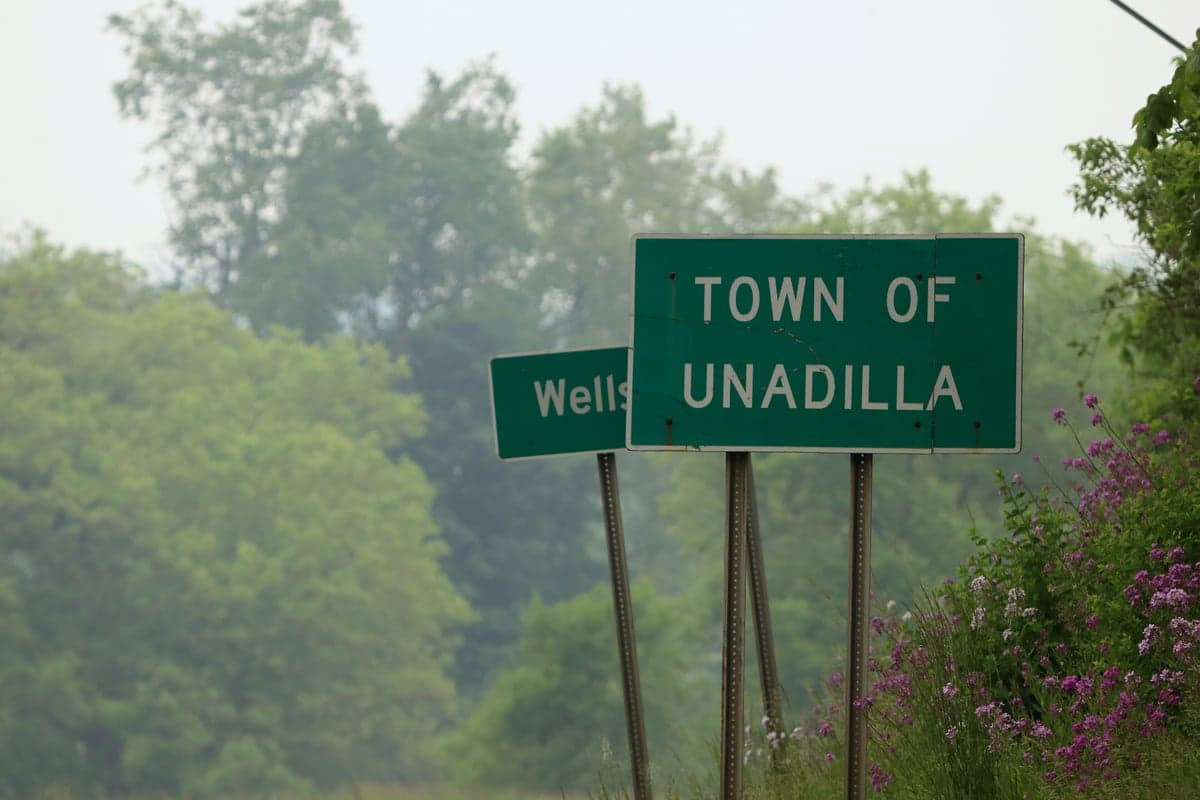
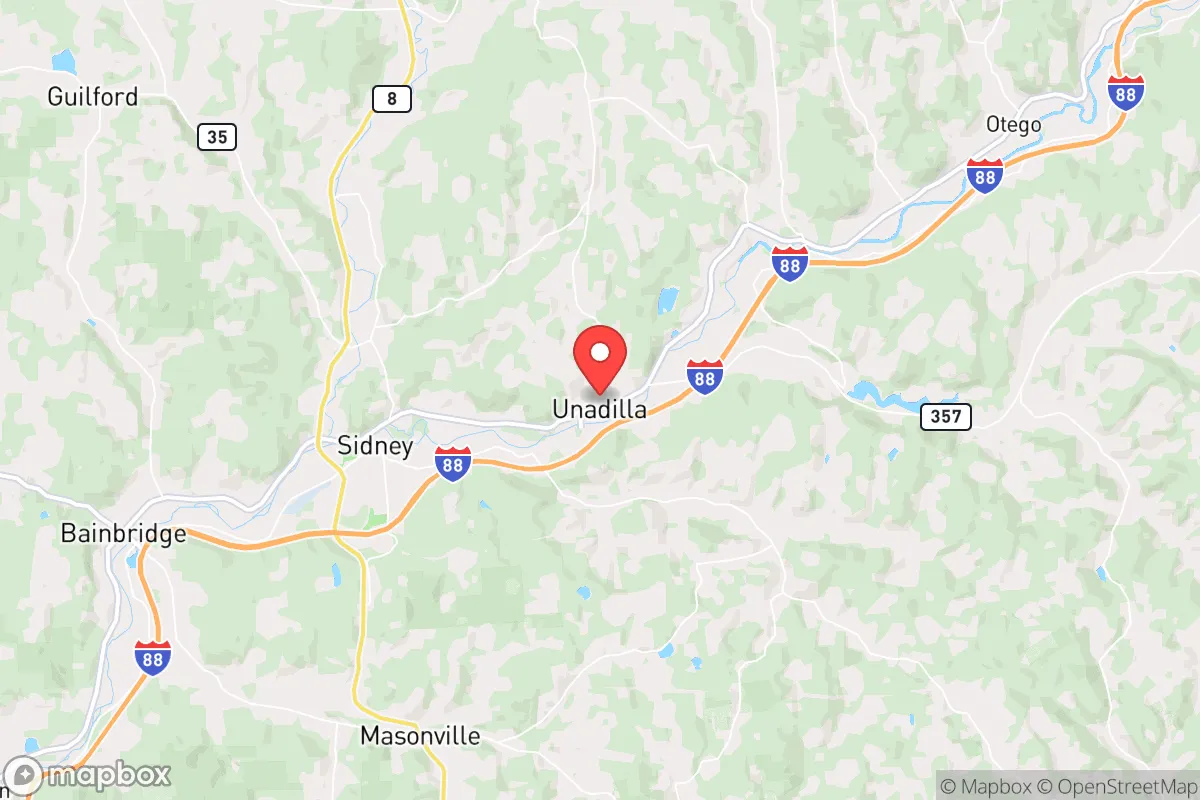
Photo: Wikipedia
Strategic Assessment of Unadilla, NY
Meaningful friction. Expect exposure to either population pressure, blast zones, or natural disaster risk. Consider buying a retreat property.
What does the Strategic Assessment tell us?
Our Strategic Assessment grades tactical survivability of an area. Major population centers, military targets, fallout zones, natural disasters, and border exposure all drive risk — lower exposure means a more defensible position in a crisis.
This is heavily inspired by Joel Skousen's Strategic Relocation book. Highly recommended you checkout the book ($)What does this tell us?
Our Strategic Assessment grades tactical survivability of an area. Major population centers, military targets, fallout zones, natural disasters, and border exposure all drive risk — lower exposure means a more defensible position in a crisis.
This is heavily inspired by Joel Skousen's Strategic Relocation book. Highly recommended you checkout the book ($)Strategic Pillars
Key Distances
Regional Safe Places
Below is our recommended "safe zones" in New York and the surrounding area based on our strategic heuristics. For most people, it's unrealistic to live in a “safe zone” full-time due to work, family or other personal reasons. They tend to be more rural. However, many of these areas are perfect for second homes and retreat properties that double as a vacation home or even a short-term rental.
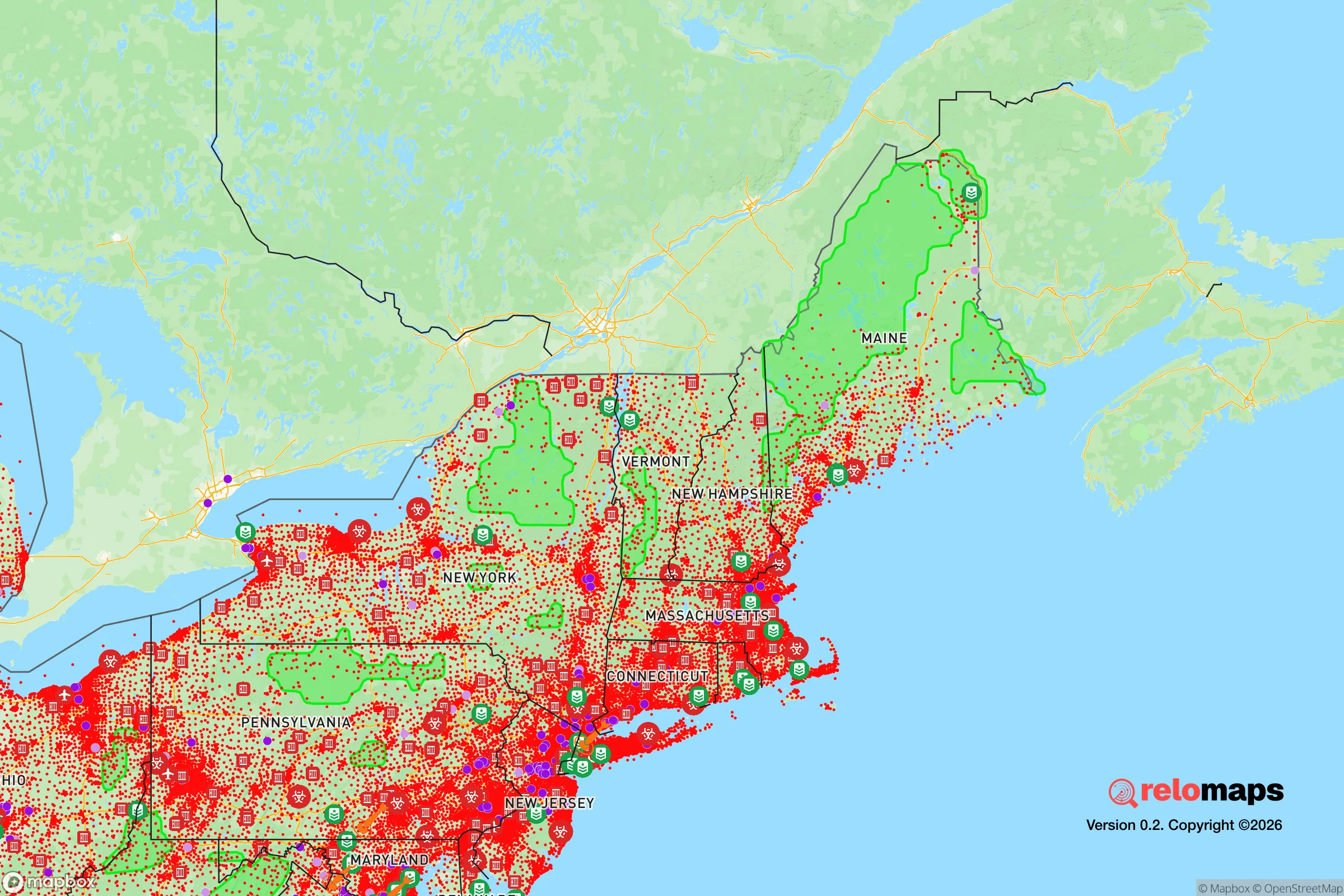
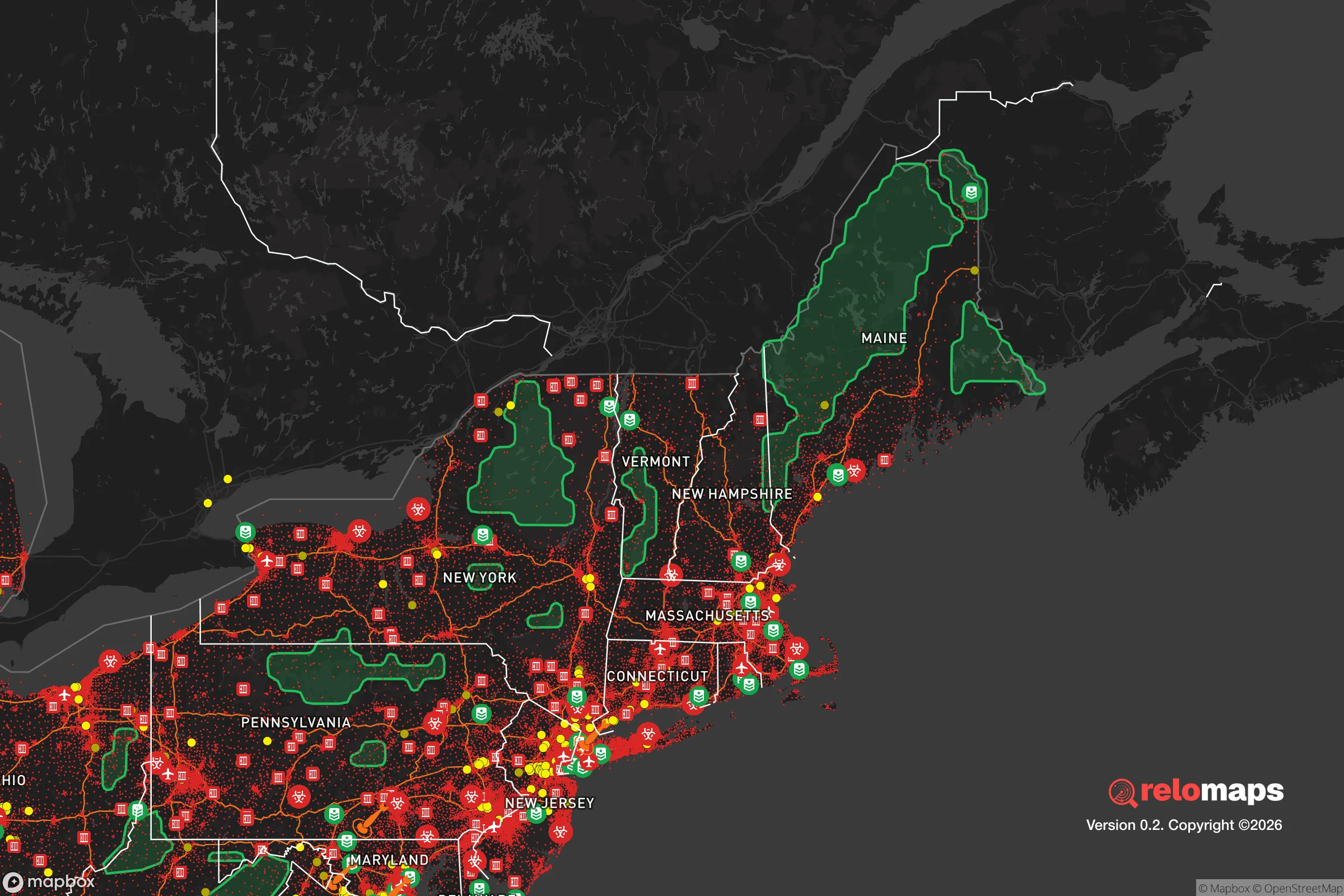


Important Note: For informational purposes only. This does not mean nothing bad ever happens in the green zones. Please use common sense. This is based on public data and modeled with AI. We tried to take a conservative approach but mistakes happen. We update this regularly as new information becomes available.
Solar Generator Recommendations
Backup power matters more here than in safer locations. We've picked three solar generators across budgets and capacity tiers — start with the budget unit if you only need a few essentials, or step up if you want to run a fridge and HVAC for days at a time.
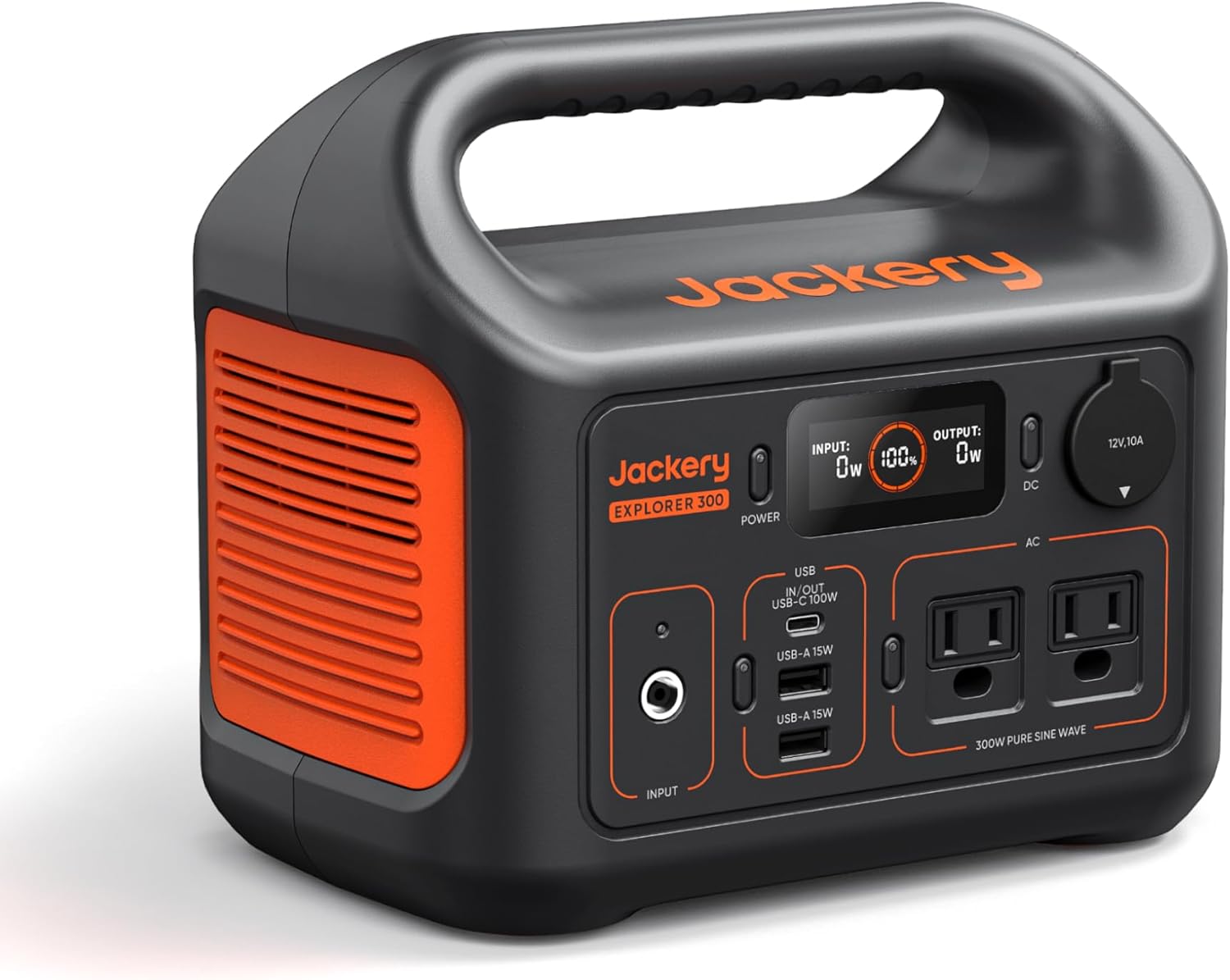
Jackery Portable Power Station Explorer 300
Budget OptionPower on the Go: Weighing only 11 lbs, it's convenient to set up and store with book-sized foldable solar panels

BLUETTI Portable Power Station AC180
Designed for both indoor and outdoor scenarios, AC180 is highly capable as it has a robost capacity and continuous output power.

EF ECOFLOW DELTA Pro Ultra Power Station
Upgraded PickEcoFlow DELTA Pro Ultra is a whole-home energy system designed to grow with your family. Integrated with the Smart Home Panel 2, it scales to meet your evolving energy needs — keeping your home powered, intelligent, and secure through every stage of life.
We earn a commission, at no additional cost to you.
Strategic Assessment Analysis
Unadilla, New York, presents a compelling case for the relocation-minded reader who prioritizes resilience and self-sufficiency, primarily due to its position along the Susquehanna River and its distance from major metropolitan centers. This small village in Otsego and Delaware counties offers a blend of rural isolation and practical access to infrastructure that is rare in the Northeast, making it a location worth serious strategic consideration. Its core advantage is a balance of being far enough from high-risk urban targets to avoid the worst of a cascading collapse, yet close enough to maintain supply lines and economic viability during normal times.
Geographic position and natural advantages for long-term stability
Unadilla sits in a broad valley carved by the Susquehanna River, which provides both a natural water source and a transportation corridor. The surrounding hills and farmland create a natural buffer zone, with the nearest city of any size—Binghamton, population roughly 45,000—lying about 30 miles to the southwest. This distance is significant: it places Unadilla outside the likely blast radius or immediate fallout zone of a major urban target, while still allowing for a day-trip to access hospitals, big-box retailers, and specialized services. The area's topography is a mix of rolling hills and river flats, offering defensible high ground for those who choose to build or buy on the ridges, while the valley floor provides fertile soil for small-scale agriculture. The region's climate is temperate, with four distinct seasons, meaning a relocator must plan for winter heating and snow removal, but the growing season (roughly 140–160 days) is sufficient for most cold-hardy crops. The Susquehanna River itself is a double-edged sword: it provides abundant water for irrigation and household use, but its floodplain has historically been prone to spring flooding, particularly in the village center. For a resilience-minded buyer, property above the 100-year flood line is non-negotiable.
Risks, exposures, and proximity to fallout-relevant landmarks
The primary man-made risk for Unadilla is its proximity to the New York City–Albany–Syracuse corridor, though the village itself is far enough removed to be a secondary or tertiary concern. The nearest major infrastructure targets include the Binghamton area (a transportation hub with rail and interstate highways) and the nuclear power plant at Nine Mile Point, near Oswego, roughly 100 miles northwest. In a worst-case scenario involving a nuclear exchange or major industrial accident, Unadilla would likely experience fallout only if prevailing winds carried it from those directions, which is not the dominant weather pattern. More immediate risks are natural: the region sits in a moderate seismic zone, but damaging earthquakes are rare. The greater threat is winter storms, which can knock out power for days or weeks, and the aforementioned river flooding. The area's rural character means emergency services are thin—the village has its own police department, but the nearest hospital is in Oneonta (20 miles north) or Binghamton. For a relocator, this means self-reliance in medical emergencies and a well-stocked first-aid kit are essential. The local fire departments are volunteer-based, so response times can be slow in a widespread event. On the positive side, the low population density (roughly 1,100 people in the village, with the surrounding town adding another 2,000) means that disease spread and resource competition in a crisis would be far less intense than in a suburban or urban setting.
Practical resilience for a relocator: food, water, energy, and defensibility
Unadilla's practical resilience is its strongest selling point. The area is surrounded by active farmland, with several small-scale farms and orchards within a 10-mile radius. The local farmers' market operates seasonally, and the village has a well-stocked grocery store (Tops Friendly Markets) that serves as a supply hub. For a relocator serious about self-sufficiency, the soil in the river valley is loamy and productive, and the local agricultural extension office offers resources for small-scale farming. Water is abundant: the Susquehanna River is a reliable surface source, and most rural properties have private wells with good yields (typical depths of 100–300 feet). The village itself has a municipal water system sourced from wells, but a relocator should plan for a backup—either a hand pump on an existing well or a rainwater catchment system. Energy is a weak point: the grid is served by New York State Electric & Gas (NYSEG), and outages are common during winter storms. Solar is viable, with the region averaging about 180 sunny days per year, but a generator running on propane or diesel is a more immediate solution. Wood heat is a practical and popular option, with abundant hardwood forests in the surrounding hills; a wood stove or outdoor boiler can provide both heat and cooking capability. Defensibility is moderate: the village itself is compact and walkable, with a few choke points (the bridges over the Susquehanna) that could be controlled, but the surrounding countryside is open and difficult to secure. A relocator should prioritize a property with good sight lines, a reliable water source, and a defensible perimeter—ideally on a dead-end road or at the end of a long driveway. The local gun culture is present but not extreme; the area is in a "shall-issue" state for concealed carry, and hunting is common, so a firearm for self-defense and food procurement is socially acceptable and practical.
Overall, Unadilla offers a solid strategic picture for the resilience-minded relocator who values isolation without complete detachment from civilization. Its weaknesses—winter storms, flood risk, and thin emergency services—are manageable with proper planning, while its strengths—abundant water, productive soil, low population density, and distance from major targets—make it a defensible and sustainable choice. The village is not a prepper's paradise, but it is a realistic, livable option for someone who wants to be ready for a range of scenarios without living off-grid in a remote cabin. For a family or individual willing to invest in backup systems and local knowledge, Unadilla represents a balanced bet on long-term stability in an uncertain future.

* Values derived from national, state, county, city and local statistics and may differ in a specific area. Last updated: 2026-10-21T11:36:40.000Z
Narrative content on this page is AI-generated and may contain mistakes. Verify any details that matter before acting on them.
ReloMaps may earn a commission from affiliate links at no extra cost to you.

