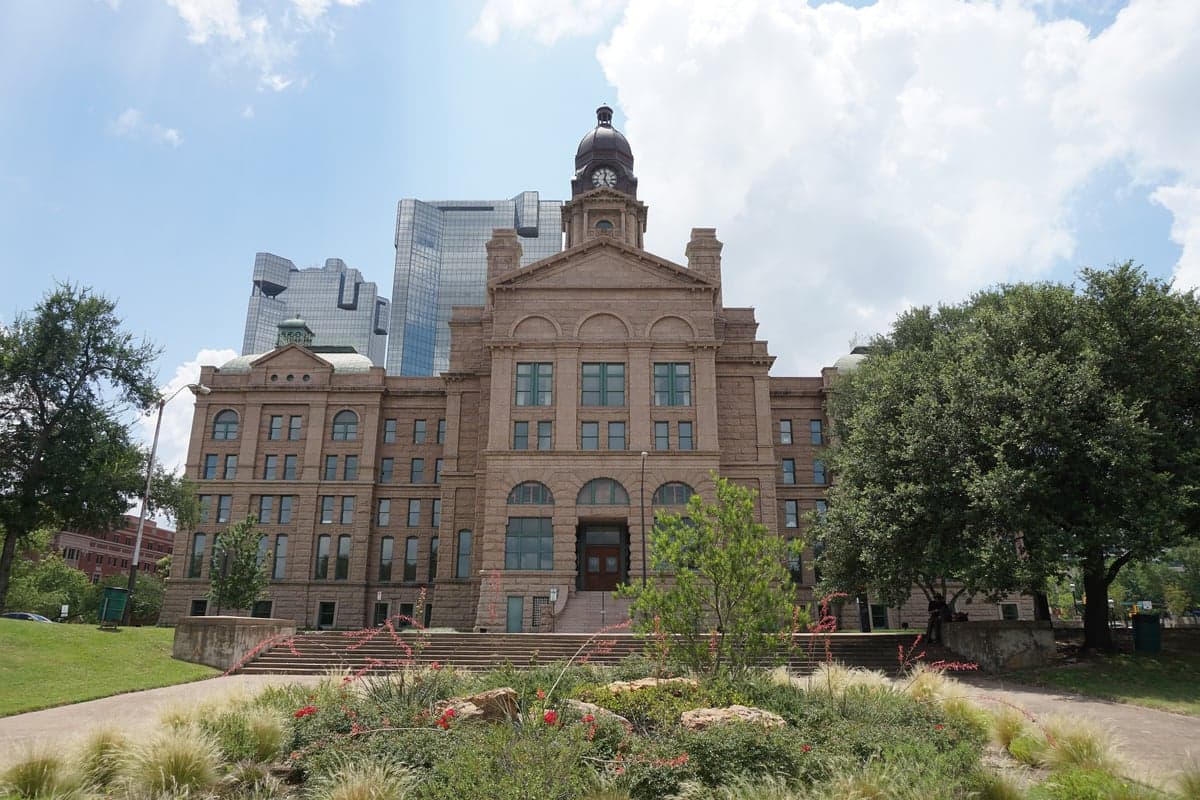
Photo: Wikipedia
Quality of Life in Tarrant County
A livable area that tracks near national norms for affordability, walkability, and neighborhood health.
What does Quality of Life tell us?
Quality of Life measures an area by evaluating factors like cost of living, nearby amenities, country club access, airport proximity, socioeconomic signals and neighborhood character. For large states, this is a general average — quality of life can vary dramatically between metro areas, suburbs, and rural communities within the same state.
What does this tell us?
Quality of Life measures an area by evaluating factors like cost of living, nearby amenities, country club access, airport proximity, socioeconomic signals and neighborhood character. For large states, this is a general average — quality of life can vary dramatically between metro areas, suburbs, and rural communities within the same state.
Cost of Living
16% above national average
48%
The Real Cost of Living in Tarrant County for 2026
| Tier | Individual | Family (4) |
|---|---|---|
| Survival | $58k | $109k |
| Comfortable | $116k | $170k |
| Luxury | $148k+ | $229k+ |
| Elite (Top 5%) | $181k+ | $280k+ |
Quality-of-Life Analysis
Tarrant County, Texas, offers a broad spectrum of quality-of-life options, from the dense urban core of Fort Worth to quiet, unincorporated rural pockets near the county line. The county’s character shifts dramatically depending on location: young professionals and creatives gravitate toward the walkable, entertainment-rich districts of central Fort Worth, while families and retirees often choose the master-planned suburbs of Southlake or Keller for their top-rated schools and lower crime rates. Meanwhile, those seeking acreage and a slower pace find value in the unincorporated areas around Azle and the rural stretches of far northern Tarrant County.
Largest town(s) & population centers
Fort Worth is the county seat and its largest city, with a population exceeding 950,000. Daily life here is defined by distinct neighborhoods: the Cultural District offers museums and the Kimbell Art Museum, the Stockyards National Historic District draws tourists and hosts daily cattle drives, and the Near Southside provides a dense, walkable urban experience with local breweries and restaurants. Arlington, the second-largest city, is a major employment hub anchored by the University of Texas at Arlington, AT&T Stadium (home of the Dallas Cowboys), and Globe Life Field (home of the Texas Rangers). Life in Arlington is car-dependent and family-oriented, with a strong focus on sports and entertainment. Fort Worth’s downtown has seen a surge in luxury apartment construction, while Arlington’s entertainment district draws crowds on game days but can feel quieter in residential neighborhoods.
Smaller towns & rural pockets
Beyond the urban core, Tarrant County contains several smaller towns that retain distinct identities. Azle, in the northwest corner near Eagle Mountain Lake, is a classic lakeside community where many residents live on acreage and commute into Fort Worth. Mansfield, in the south, has grown rapidly but still maintains a small-town downtown with a historic square and annual festivals. Keller and Southlake are affluent, master-planned suburbs with highly rated schools (Southlake Carroll ISD is consistently ranked among the best in Texas) and extensive trail systems. Unincorporated areas like those near Briar and Pecan Acres offer true rural living with larger lots, septic systems, and well water, often at significantly lower property tax rates than incorporated cities. The far northern reaches near Rhome and Newark blend into Wise County’s ranchland, providing a buffer of open space.
Cost & lifestyle range
The cost of living across Tarrant County varies widely, though the county-wide index sits at 116 (100 = US average), and the median home value is $294,100 with a median rent of $1,447. At the high end, Southlake and Westlake (a small enclave straddling Denton and Tarrant counties) command median home prices well above $700,000, with luxury amenities like private golf clubs and gated communities. At the more affordable end, eastern Fort Worth (neighborhoods like Stop Six and Polytechnic Heights) and unincorporated areas near Azle offer homes under $200,000, though these areas may have older housing stock and fewer retail options. The average commute across the county is 26.7 minutes, but this varies: residents of Keller or Southlake often commute 30–40 minutes to downtown Dallas or Fort Worth, while those living in central Fort Worth may have a commute under 15 minutes. Renters in Arlington’s entertainment district pay a premium for proximity to stadiums, while renters in northwest Fort Worth near Alliance Airport find more space for the same price.
This county works best for people who want a range of choices within a single metropolitan area. Young professionals thrive in Fort Worth’s urban neighborhoods, families gravitate to the suburban school districts of Southlake, Keller, and Mansfield, and those seeking land or lower costs find value in the rural pockets around Azle and the unincorporated north. The diversity of lifestyle options—from a downtown loft to a five-acre homestead—makes Tarrant County one of the most versatile places to live in North Texas.

Crime in Tarrant County
Crime rates similar to the national median for U.S. locations.
Violent CrimeViolent Crime Analysis
Property CrimeProperty Crime Analysis
Crime Analysis
Tarrant County, Texas, reports a violent crime rate of 342.3 per 100,000 residents and a property crime rate of 1,780.9 per 100,000, placing it above the national average for both categories. While the county is not the most dangerous in the Dallas-Fort Worth metroplex, its overall safety picture is heavily influenced by the policies of its elected officials and the stark contrasts between its urban core and suburban communities. Residents in cities like Fort Worth and Arlington face higher risks, while suburbs such as Southlake, Colleyville, and Keller consistently report lower crime rates, creating a patchwork of safety across the county.
Crime in context
Tarrant County's violent crime rate of 342.3 per 100,000 is roughly 15% higher than the national average of approximately 300 per 100,000, and significantly above the Texas state average of around 280 per 100,000. Property crime in the county, at 1,780.9 per 100,000, also exceeds the national benchmark of about 1,950 per 100,000, though it is slightly lower than the Texas state average of roughly 2,100 per 100,000. These figures place Tarrant County in a middle tier among Texas's largest counties—safer than Dallas County (which often sees higher violent crime rates) but more dangerous than Collin County (home to Frisco and McKinney, which consistently rank among the safest in the state). A key factor in Tarrant County's elevated violent crime rate is the influence of progressive prosecutorial policies in Fort Worth, where the Tarrant County District Attorney's office has faced criticism for declining to prosecute certain low-level offenses and for implementing diversion programs that critics argue reduce accountability. This approach, while intended to reduce incarceration, has been linked to a perception of leniency that may embolden repeat offenders and undermine public safety.
What residents experience
Residents in Tarrant County experience crime very differently depending on where they live. In Fort Worth, the county seat and largest city, violent crime is concentrated in neighborhoods east of Interstate 35W and south of Interstate 30, particularly in the Stop Six, Como, and Polytechnic Heights areas, where gang activity and drug-related violence are persistent issues. Arlington, home to the University of Texas at Arlington and AT&T Stadium, sees elevated property crime rates, especially vehicle theft and burglary, driven by high traffic from events and tourism. In contrast, the affluent suburbs of Southlake, Colleyville, and Keller report violent crime rates below 100 per 100,000—often a third of the county average—thanks to well-funded police departments, active neighborhood watch programs, and conservative local governance that prioritizes law enforcement. The progressive policies of the Tarrant County District Attorney's office, which has implemented a "cite and release" program for certain misdemeanors and reduced bond amounts for nonviolent offenders, have been a source of concern for residents in these safer suburbs, who worry that leniency in the urban core will eventually spill over into their communities. Daily life for most residents involves routine precautions: locking vehicles, avoiding certain areas after dark, and staying informed through local crime mapping tools like the Tarrant County Sheriff's Office online portal.
Neighborhood-level variation is extreme within Tarrant County. The safest enclaves—such as the gated communities of Westlake and the historic districts of Grapevine—see crime rates comparable to the safest small towns in America, with violent crime often below 50 per 100,000. Meanwhile, high-crime pockets in Fort Worth's 76104 and 76105 ZIP codes report violent crime rates exceeding 1,000 per 100,000, driven by poverty, lack of economic opportunity, and the revolving-door justice system that results from progressive DA policies. For prospective residents, the choice is clear: the county offers a wide spectrum of safety, but the overall trend is concerning, as the influence of liberal judicial and prosecutorial philosophies in the county's largest city continues to shape the region's crime landscape. Those prioritizing safety should focus on the northern and western suburbs, where conservative leadership and robust police funding provide a stark contrast to the challenges facing Fort Worth's urban core.
* Values derived from national, state, county, city and local statistics and may differ in a specific area. Last updated: 2026-04-13T02:41:30.000Z
Narrative content on this page is AI-generated and may contain mistakes. Verify any details that matter before acting on them.
ReloMaps may earn a commission from affiliate links at no extra cost to you.

