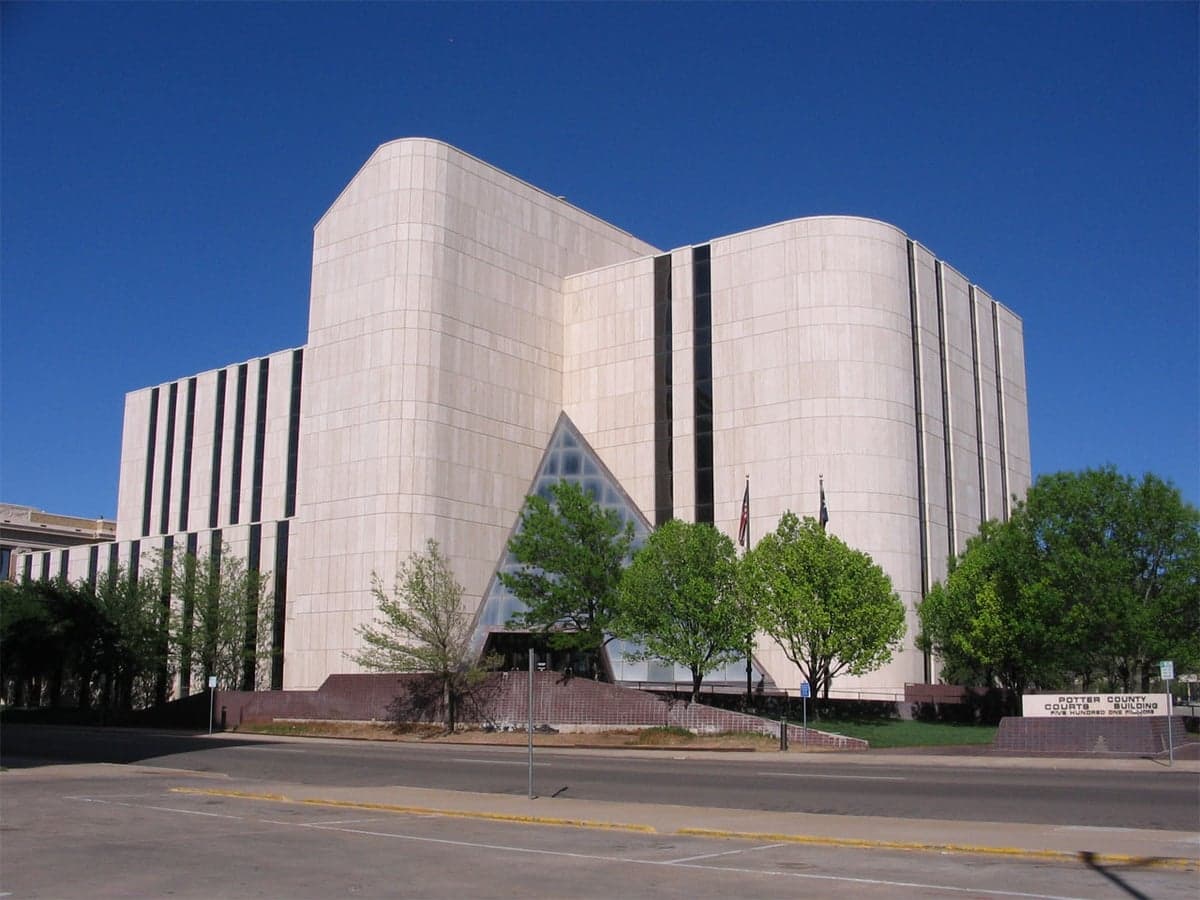
Photo: Wikipedia
Quality of Life in Potter County
A livable area that tracks near national norms for affordability, walkability, and neighborhood health.
What does Quality of Life tell us?
Quality of Life measures an area by evaluating factors like cost of living, nearby amenities, country club access, airport proximity, socioeconomic signals and neighborhood character. For large states, this is a general average — quality of life can vary dramatically between metro areas, suburbs, and rural communities within the same state.
What does this tell us?
Quality of Life measures an area by evaluating factors like cost of living, nearby amenities, country club access, airport proximity, socioeconomic signals and neighborhood character. For large states, this is a general average — quality of life can vary dramatically between metro areas, suburbs, and rural communities within the same state.
Cost of Living
30% below national average
129%
The Real Cost of Living in Potter County for 2026
| Tier | Individual | Family (4) |
|---|---|---|
| Survival | $16k | $30k |
| Comfortable | $27k | $39k |
| Luxury | $91k+ | $141k+ |
| Elite (Top 5%) | $120k+ | $186k+ |
Quality-of-Life Analysis
Potter County, Texas, anchored by the city of Amarillo, offers a spectrum of quality-of-life options that range from the dense urban amenities of a regional hub to the quiet, wide-open spaces of the High Plains. The county’s character is defined by this contrast: professionals and families seeking jobs, entertainment, and services are drawn to Amarillo, while those prioritizing land, privacy, and a slower pace gravitate toward the county’s smaller communities and unincorporated rural pockets. With a cost of living index of 70 (well below the national average of 100), the entire county remains highly affordable, but the lifestyle trade-offs between its urban core and its outskirts are significant.
Largest town(s) & population centers
Amarillo is the overwhelming population center of Potter County, housing the vast majority of the county’s residents. Daily life in Amarillo revolves around its role as the commercial, medical, and cultural capital of the Texas Panhandle. Residents have access to the Amarillo Zoo, the Don Harrington Discovery Center, and a robust network of parks along the Palo Duro Creek greenbelt. The city’s economy is anchored by the BSA Health System, Pantex Plant (the nation’s primary nuclear weapons assembly and disassembly facility), and a growing logistics sector tied to Interstate 40 and the BNSF Railway. Commute times are notably short, with the county average at just under 20 minutes, making it easy to navigate between work, school, and recreation. For families, the Amarillo Independent School District offers a range of magnet and specialty programs, while Texas Tech University’s Amarillo campus provides higher education and healthcare training. The city’s dining and entertainment scene, concentrated along the historic Route 66 corridor and the upscale developments near Westgate Mall, gives Amarillo a distinctly urban feel within an otherwise rural region.
Smaller towns & rural pockets
Outside Amarillo, Potter County’s smaller communities offer a markedly different pace. Bishop Hills, a small village just north of Amarillo, is a quiet residential enclave with large lots and a strong homeowners’ association, appealing to those who want a suburban buffer without full rural isolation. Lake Tanglewood, a census-designated place on the shores of a private reservoir, is a recreational community where residents enjoy fishing, boating, and a tight-knit neighborhood atmosphere. Further out, the unincorporated areas of the county—such as the scattered homesteads along Farm to Market Road 1061 and the open ranchlands near the Canadian River breaks—are home to ranchers, farmers, and those seeking absolute solitude. These rural pockets lack municipal services like public water and sewer, but they offer land parcels of 10 acres or more at prices far below even Amarillo’s already low median home value of $134,900. The trade-off is a longer drive for groceries, healthcare, and school, with most residents commuting into Amarillo for work and errands.
Cost & lifestyle range
The cost of living in Potter County varies noticeably between its urban and rural ends. In Amarillo, the median rent of $989 and a median home value of $134,900 already represent a bargain compared to national averages, but the city’s neighborhoods still show a spread: historic areas like the Plemons-Eakle and Wolflin districts command higher prices for older, character-rich homes, while newer subdivisions in the southwest part of the city offer modern floor plans in the $150,000–$200,000 range. At the low end, rural properties in unincorporated Potter County can be purchased for under $50,000 for a small house on a few acres, though buyers must factor in the cost of a septic system, well water, and propane heating. The lifestyle range is equally wide: a resident in central Amarillo can walk to a coffee shop and catch a concert at the Amarillo Civic Center, while a resident near the county’s northern boundary might see more cattle than cars on their daily drive. The average commute of 19.7 minutes reflects the county’s compact geography, but rural dwellers often face 30- to 45-minute drives to reach Amarillo’s full range of services.
Potter County is best suited for those who value affordability and choice in their living environment. Urbanites who want a walkable, amenity-rich lifestyle will find Amarillo’s core neighborhoods a perfect fit, while homesteaders, ranchers, and retirees seeking space and quiet will thrive in the county’s rural fringe. The key is recognizing that the county’s low cost of living is not uniform—it comes with real trade-offs in access, services, and community density that each resident must weigh against their personal priorities.

Crime in Potter County
Crime rates similar to the national median for U.S. locations.
Violent CrimeViolent Crime Analysis
Property CrimeProperty Crime Analysis
Crime Analysis
Potter County, anchored by the city of Amarillo, presents a crime landscape that demands careful attention from potential residents, with violent crime rates that significantly exceed both state and national averages. The county recorded a violent crime rate of 344.4 per 100,000 residents, a figure that is notably higher than the Texas state average and the national benchmark, signaling a heightened risk of serious offenses in the area. Property crime is also a substantial concern, with a rate of 1,791.9 per 100,000, which places the county above the national average and indicates a persistent problem with theft, burglary, and related offenses.
Crime in context
When placed against broader statistical benchmarks, Potter County's crime data reveals a community grappling with safety challenges. The violent crime rate of 344.4 per 100,000 is roughly 40% higher than the national average of approximately 246 per 100,000, and it also exceeds the Texas state average, which itself is often elevated by major urban centers. This disparity is particularly concerning given that the county's largest city, Amarillo, is a regional hub for commerce and services, meaning crime patterns here affect a wide area. Property crime, at 1,791.9 per 100,000, is also above the national average of around 1,954 per 100,000, but the gap is narrower, suggesting that while property offenses are common, the most acute safety issue for residents is the elevated risk of violent encounters. The data underscores a reality where residents in communities like Amarillo, Bushland, and Bishop Hills face a higher statistical probability of experiencing a violent crime than in many other parts of the state or country.
What residents experience
For those living in Potter County, the crime statistics translate into tangible daily concerns. Residents in the more densely populated areas of Amarillo, particularly neighborhoods near the downtown corridor and along major thoroughfares like I-40 and I-27, report higher incidences of property crime, including vehicle break-ins and package theft. The violent crime rate is driven by a mix of aggravated assaults, robberies, and, less frequently, homicides, with many incidents concentrated in specific precincts. The judicial environment in Potter County, which operates under a district attorney's office that has historically taken a more traditional, law-and-order approach, is a critical factor for residents. In contrast to some larger Texas counties like Harris or Dallas, where progressive prosecutors have been elected and have implemented policies such as reduced bail amounts and diversion programs for repeat offenders, Potter County's legal system has generally prioritized prosecution and incarceration. This is a significant consideration for those moving from areas with more liberal justice policies, as the local approach here is less likely to result in the early release of violent offenders, providing a greater sense of security for victims and the public. However, the high crime rates indicate that even with a stricter judicial philosophy, the underlying social and economic factors driving crime remain potent.
Neighborhood-level variation within Potter County is pronounced, offering a mixed picture for prospective residents. The safest areas are typically found in the western and southwestern parts of the county, including the affluent enclaves of Bushland and Bishop Hills, where crime rates are substantially lower than the county average. These communities benefit from lower population density and higher property values, which correlate with reduced crime. Conversely, the highest crime rates are concentrated in central and eastern Amarillo, particularly in the San Jacinto and North Heights neighborhoods, where poverty and unemployment are more prevalent. For those considering a move, the choice between living within the Amarillo city limits or in the unincorporated areas or smaller towns like Lake Tanglewood can significantly impact personal safety. The county's overall statistics, while concerning, do not paint a uniform picture, and careful neighborhood selection is essential for minimizing risk. The presence of a conservative judicial system in Potter County is a net positive for public safety, as it reduces the likelihood of revolving-door justice that plagues more progressive jurisdictions, but it does not eliminate the need for personal vigilance and informed residential choices.
* Values derived from national, state, county, city and local statistics and may differ in a specific area. Last updated: 2026-05-21T02:27:14.000Z
Narrative content on this page is AI-generated and may contain mistakes. Verify any details that matter before acting on them.
ReloMaps may earn a commission from affiliate links at no extra cost to you.

