Photo: Wikipedia
Quality of Life in Brewster County
A livable area that tracks near national norms for affordability, walkability, and neighborhood health.
What does Quality of Life tell us?
Quality of Life measures an area by evaluating factors like cost of living, nearby amenities, country club access, airport proximity, socioeconomic signals and neighborhood character. For large states, this is a general average — quality of life can vary dramatically between metro areas, suburbs, and rural communities within the same state.
What does this tell us?
Quality of Life measures an area by evaluating factors like cost of living, nearby amenities, country club access, airport proximity, socioeconomic signals and neighborhood character. For large states, this is a general average — quality of life can vary dramatically between metro areas, suburbs, and rural communities within the same state.
Cost of Living
30% below national average
85%
The Real Cost of Living in Brewster County for 2026
| Tier | Individual | Family (4) |
|---|---|---|
| Survival | $12k | $23k |
| Comfortable | $42k | $62k |
| Luxury | $93k+ | $144k+ |
| Elite (Top 5%) | $109k+ | $169k+ |
Quality-of-Life Analysis
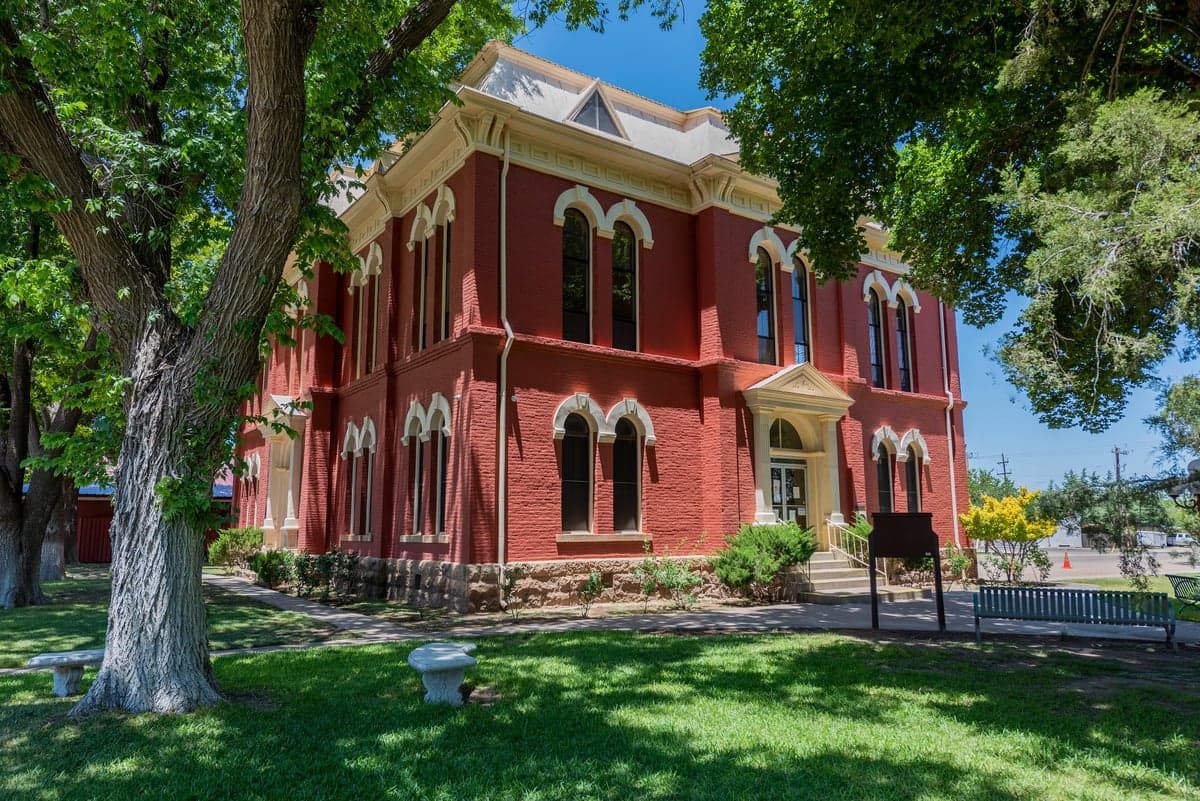
Brewster County, Texas, spans over 6,000 square miles of Chihuahuan Desert, mountain ranges, and the Rio Grande, offering a spectrum of living options from the college town of Alpine to the off-grid enclaves of Terlingua and the remote solitude of Marathon. The county draws a mix of university students, park employees, retirees, and those seeking an affordable, slow-paced life far from urban centers, with each community offering a distinct flavor of West Texas living.
Largest town(s) & population centers
Alpine, with roughly 6,000 residents, is the county seat and the only incorporated city in Brewster County. It functions as the commercial and cultural hub, home to Sul Ross State University, a regional hospital, grocery stores, and the only Walmart within a 60-mile radius. Daily life here revolves around the university calendar and tourism traffic to Big Bend National Park, with a walkable downtown featuring local restaurants, a historic railroad depot, and the Museum of the Big Bend. The average commute across the county is just 16.5 minutes, reflecting Alpine's compact layout where most errands are a short drive. Alpine provides the closest thing to suburban convenience in the region, with reliable utilities, public schools, and a modest selection of retail and dining.
Smaller towns & rural pockets
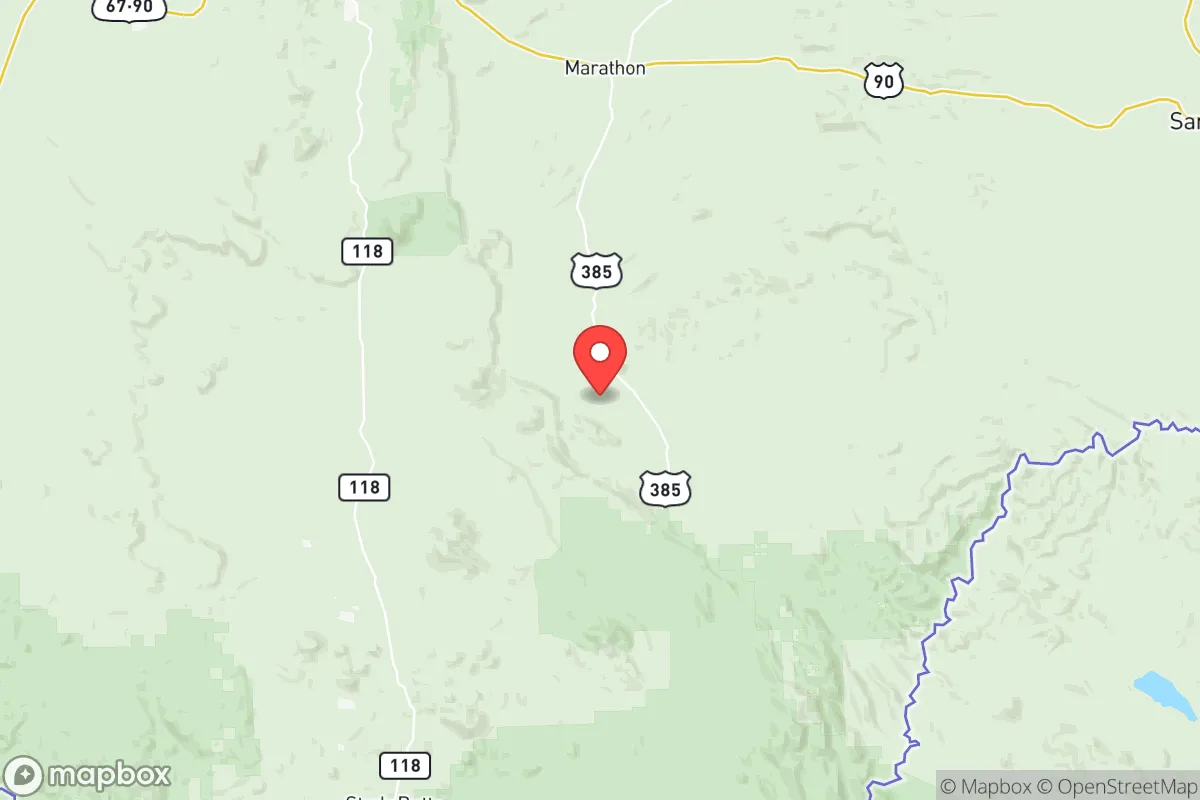
Marathon, 30 miles north of Alpine, is a tiny railroad community with fewer than 500 residents, centered on the historic Gage Hotel and a handful of art galleries. It offers a quiet, dust-blown lifestyle with minimal services—no grocery store, one gas station, and a single restaurant. Terlingua, near the west entrance of Big Bend National Park, is a former mercury mining town now known for its quirky, off-grid homes, artist community, and the Terlingua Ghost Town. Study Butte, adjacent to Terlingua, provides basic services like a small store and post office. Lajitas, a resort community on the Rio Grande, offers upscale lodging and a golf course but has a tiny permanent population. Unincorporated areas such as Boquillas Crossing and the river canyon settlements provide extreme isolation, often accessible only by unpaved roads. These pockets attract people who value privacy and self-sufficiency over convenience.
Cost & lifestyle range
Brewster County's cost of living index of 70 (30% below the U.S. average) masks significant variation across the county. Alpine has the highest housing costs, with median home values near $216,000 and median rents around $768, still affordable by Texas standards but elevated relative to the rest of the county. In Terlingua and rural areas, land and homes can be found for under $150,000, but buyers often face higher costs for water delivery, septic

Crime in Brewster County
Crime rates similar to the national median for U.S. locations.
Violent CrimeViolent Crime Analysis
Property CrimeProperty Crime Analysis
Crime Analysis
Brewster County presents a mixed safety profile for those considering relocation, with violent crime rates below the Texas average but property crime rates that exceed both state and national benchmarks. The county's vast, sparsely populated geography means crime is not evenly distributed, and the experience of safety differs significantly between the college town of Alpine and the remote desert communities of Terlingua and Study Butte. Understanding these local dynamics is essential for anyone evaluating the area's livability.
Crime in context
Brewster County reports a violent crime rate of 345.8 per 100,000 residents, which sits below the Texas statewide average of roughly 420 per 100,000 but remains above the national rate of approximately 370 per 100,000. The property crime rate of 1,796.7 per 100,000 is notably higher than both the Texas average (around 2,200 per 100,000) and the national average (approximately 1,950 per 100,000). These figures place Brewster County in a middle tier among Texas's 254 counties — not among the safest rural counties in the Hill Country, but far from the high-crime corridors of the state's large metro areas. The county's small population (roughly 9,000 residents) means that a single year's data can swing noticeably with just a handful of incidents, so year-over-year trends matter more than any single annual snapshot.
What residents experience
In Alpine, the county seat and home to Sul Ross State University, residents encounter a mix of petty theft, vehicle burglaries, and alcohol-related disturbances that are typical of a small college town. The university's campus police and the Brewster County Sheriff's Office maintain a visible presence, and most property crime in Alpine is opportunistic rather than organized. The more remote communities of Terlingua and Study Butte, which sit near Big Bend National Park, experience a different pattern: seasonal spikes in property crime tied to tourism, including theft from vehicles at trailheads and break-ins at vacation rentals. These areas have limited law enforcement coverage due to their distance from Alpine, and response times can exceed 30 minutes. Marathon, a tiny ranching and gateway community, reports very low crime overall, though its isolation means residents rely heavily on neighborly watchfulness. Lajitas, the upscale resort community, maintains private security that keeps incidents low, but its exclusivity means most visitors and workers commute from higher-crime areas.
The judicial environment in Brewster County is a point of concern for some residents. The county falls within the 83rd Judicial District, which covers Brewster, Jeff Davis, and Presidio counties. District Attorney Rodrigo "Rod" Garcia, elected as a Democrat, has pursued policies that prioritize diversion programs and reduced incarceration for nonviolent offenders. While this approach aims to address root causes of crime, critics argue it results in more criminals returning to the streets sooner, particularly in property crime cases where repeat offenders cycle through the system without meaningful consequences. This progressive prosecutorial philosophy is more aligned with urban Texas counties like Travis and Harris than with the conservative rural norm, and it contributes to the elevated property crime rates seen across the region. Residents in Alpine and Terlingua report frustration with seeing the same individuals involved in thefts and burglaries after short jail stays or deferred adjudication.
Neighborhood-level variation is pronounced. Within Alpine, the areas near the Sul Ross campus and along Highway 90 see more foot traffic and opportunistic crime, while the residential neighborhoods west of town and the gated subdivisions near the golf course report very few incidents. In Terlingua, the historic ghost town area and the more isolated casitas along River Road are most vulnerable, while the newer developments near the national park entrance benefit from increased patrols during peak tourist season. For prospective residents, choosing a home with good visibility, outdoor lighting, and proximity to a sheriff's substation makes a measurable difference in day-to-day safety.
* Values derived from national, state, county, city and local statistics and may differ in a specific area. Last updated: 2026-10-10T09:59:44.000Z
Narrative content on this page is AI-generated and may contain mistakes. Verify any details that matter before acting on them.
ReloMaps may earn a commission from affiliate links at no extra cost to you.

