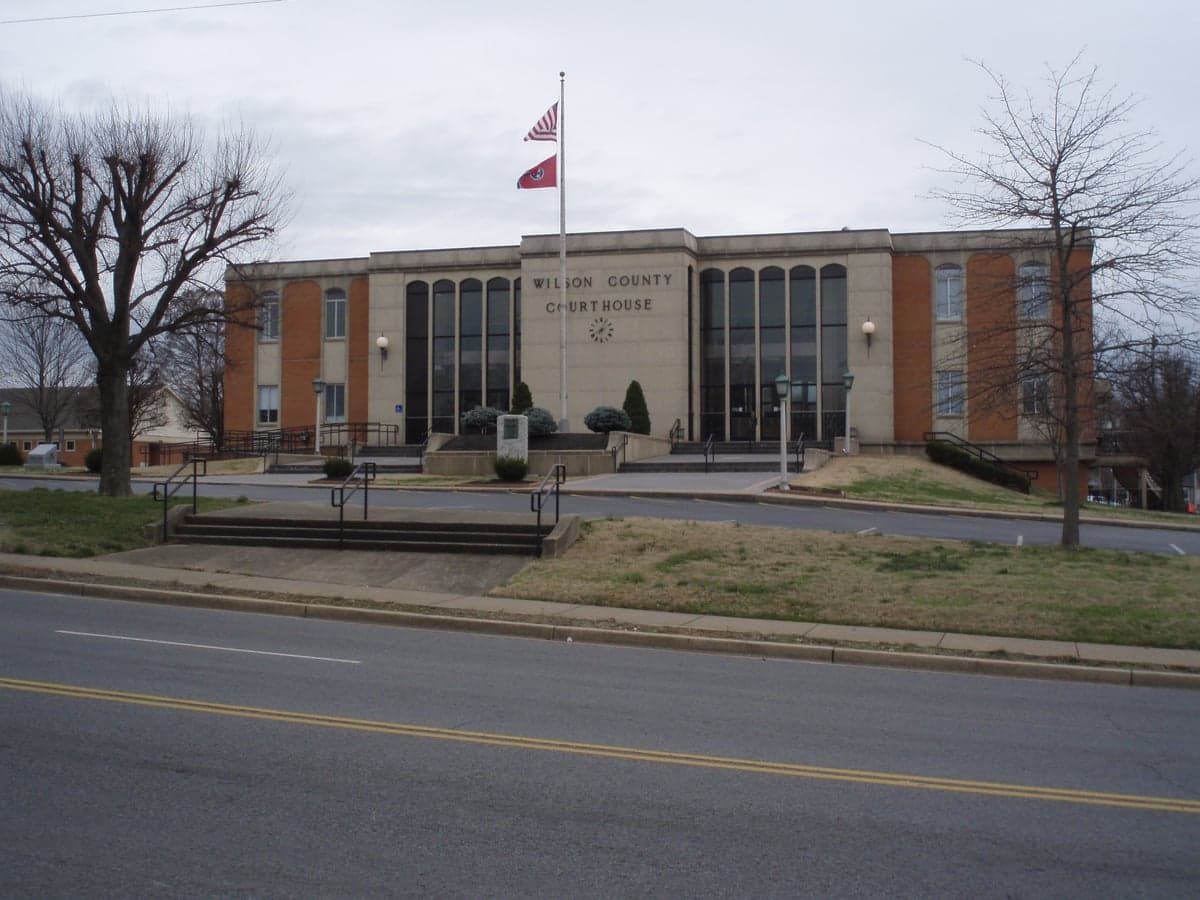
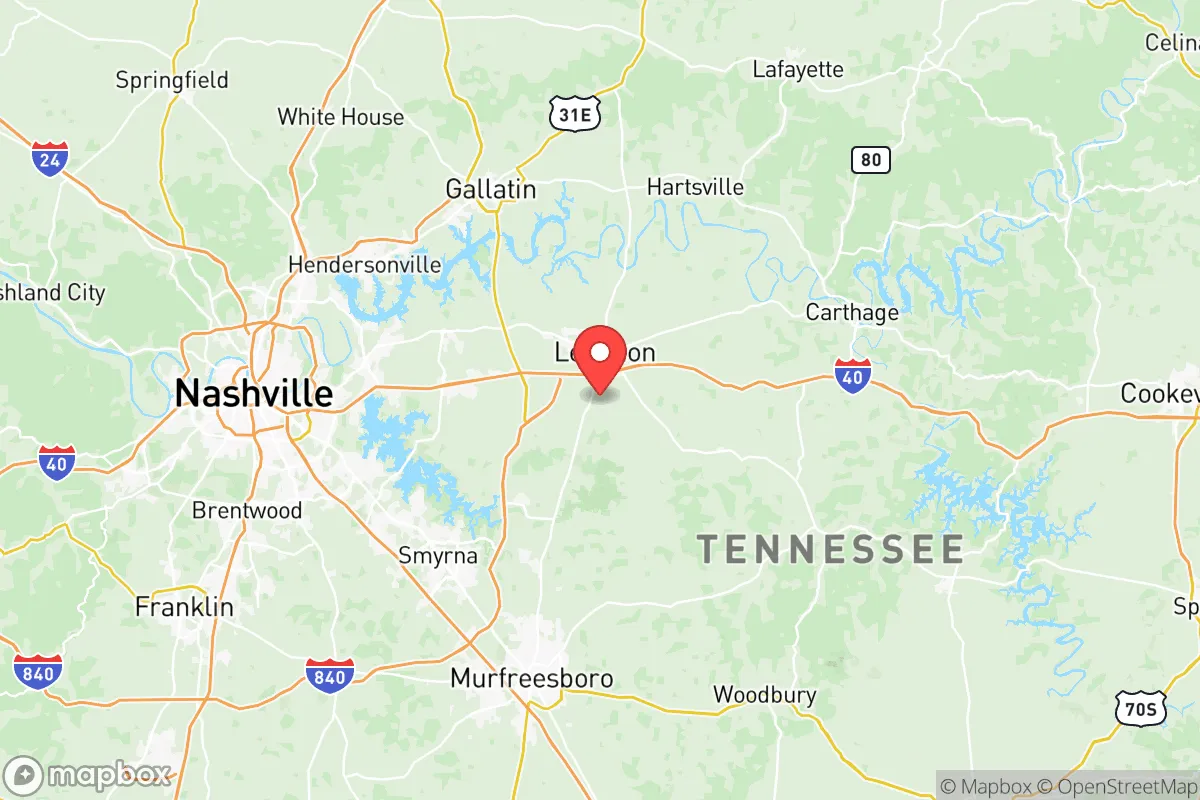
Photo: Wikipedia
Quality of Life in Wilson County
A livable area that tracks near national norms for affordability, walkability, and neighborhood health.
What does Quality of Life tell us?
Quality of Life measures an area by evaluating factors like cost of living, nearby amenities, country club access, airport proximity, socioeconomic signals and neighborhood character. For large states, this is a general average — quality of life can vary dramatically between metro areas, suburbs, and rural communities within the same state.
What does this tell us?
Quality of Life measures an area by evaluating factors like cost of living, nearby amenities, country club access, airport proximity, socioeconomic signals and neighborhood character. For large states, this is a general average — quality of life can vary dramatically between metro areas, suburbs, and rural communities within the same state.
Cost of Living
27% above national average
83%
The Real Cost of Living in Wilson County for 2026
| Tier | Individual | Family (4) |
|---|---|---|
| Survival | $22k | $41k |
| Comfortable | $77k | $113k |
| Luxury | $158k+ | $244k+ |
| Elite (Top 5%) | $185k+ | $287k+ |
Quality-of-Life Analysis
Wilson County, Tennessee, offers a broad quality-of-life spectrum that ranges from the dense, amenity-rich environment of its largest city, Lebanon, to the quiet, rural character of communities like Watertown and unincorporated areas such as Tuckers Crossroads. This diversity attracts a mix of Nashville commuters seeking suburban convenience, families looking for slower-paced small-town living, and residents who prioritize acreage and privacy. The county's overall cost of living index sits at 127, well above the national average of 100, driven largely by housing costs that reflect its proximity to the booming Nashville metro area.
Largest town(s) & population centers
Lebanon is the county seat and the primary population center, home to roughly 45,000 residents. Daily life here centers on a walkable historic square with local restaurants, boutique shops, and the Capitol Theatre. Major employers include the Wilson County School District, Vanderbilt Wilson County Hospital, and the Amazon fulfillment center. Suburban-style subdivisions dominate the housing stock, with many new developments catering to families and professionals. Mount Juliet, the county's second-largest city with about 40,000 residents, is a fast-growing suburb that feels more connected to Nashville, with direct access to Interstate 40 and the Music City Star commuter rail. Its Providence Marketplace shopping center and numerous parks make it a draw for young families and commuters. The average commute for Wilson County residents is 30 minutes, a figure that reflects the significant number of workers traveling into Davidson County for employment.
Smaller towns & rural pockets
South of Lebanon, Watertown (population roughly 1,500) retains a distinctly small-town feel with a historic downtown centered on the Wilson County Fairgrounds and the Watertown Train Depot. It offers a slower pace and lower housing costs than the county's larger towns. Further east, Statesville is an unincorporated community with a few hundred residents, characterized by farmland and scattered homes along State Route 141. Tuckers Crossroads, near the Wilson-DeKalb county line, is a rural crossroads with no formal town government, where residents rely on Lebanon or Smithville for shopping and services. These areas appeal to those seeking land for hobby farms, horses, or simply more space, with homes often sitting on one to five acres.
Cost & lifestyle range
The cost of living varies notably across the county. At the high end, Mount Juliet's median home value of $397,000 and median rent of $1,370 reflect its premium as a sought-after Nashville suburb with top-rated schools and abundant retail. Lebanon's housing is slightly more affordable, with older homes near the square and newer subdivisions on the outskirts. At the lower end, Watertown and rural areas like Statesville offer homes in the $250,000–$350,000 range, though inventory is limited and properties often require more maintenance. Rentals in these areas are scarce, with most options being single-family homes rather than apartments. Amenities also thin out: Watertown has a grocery store and a few restaurants, but residents typically drive 15–20 minutes to Lebanon for major shopping, healthcare, and entertainment. The lifestyle trade-off is clear: Mount Juliet and Lebanon provide convenience and community events, while the smaller towns and rural pockets offer quiet, space, and a stronger connection to the land.
Wilson County suits a wide range of residents, from the Nashville-bound professional who values a short rail commute and suburban schools to the retiree seeking a hobby farm in the rolling hills east of Lebanon. The county's diversity means that newcomers can choose between the energy of a growing suburb and the solitude of a rural crossroads, all within a 30-minute drive of each other. Those who thrive here are typically willing to pay a premium for proximity to Nashville while accepting that the county's rural charm comes with fewer immediate amenities and longer drives for everyday needs.

Crime in Wilson County
Higher crime rates than 58% of comparable U.S. locations.
Violent CrimeViolent Crime Analysis
Property CrimeProperty Crime Analysis
Crime Analysis
Wilson County, Tennessee, presents a mixed safety profile that demands careful attention from potential residents. With a violent crime rate of 490.5 per 100,000 residents and a property crime rate of 1,640.7 per 100,000, the county sits above both the Tennessee state average and the national median for violent offenses. The county's proximity to Nashville and its rapid population growth have introduced urban crime pressures that contrast with its traditionally rural character, particularly in the county seat of Lebanon and the growing town of Mt. Juliet.
Crime in context
Wilson County's violent crime rate of 490.5 per 100,000 is approximately 40% higher than the national average of roughly 380 per 100,000, and notably exceeds the Tennessee state average of about 630 per 100,000. The property crime rate of 1,640.7 per 100,000 is closer to the national average of approximately 1,950 per 100,000, but still represents a meaningful risk. These figures place Wilson County in a middle tier among Middle Tennessee counties—safer than Davidson County (Nashville) which reports violent crime rates above 1,000 per 100,000, but more dangerous than neighboring Williamson County, where violent crime rates hover around 150 per 100,000. The disparity is largely driven by the progressive judicial philosophy in Davidson County's district attorney's office, which has implemented diversion programs and reduced incarceration rates, contributing to higher recidivism and crime spillover into surrounding counties like Wilson. In contrast, Wilson County's own judicial district (15th Judicial District) has maintained a more traditional approach to prosecution, though the influence of Nashville's policies remains a concern for residents in Lebanon and Watertown.
What residents experience
Property crime dominates the day-to-day safety concerns in Wilson County, with theft, burglary, and vehicle break-ins being the most commonly reported offenses. The city of Lebanon, with its older downtown core and expanding commercial corridors along Highway 109, sees the highest concentration of property crimes, particularly in areas near shopping centers and apartment complexes. Mt. Juliet, the county's largest municipality, has experienced a surge in package thefts and vehicle burglaries as its population has grown past 40,000, though its violent crime rate remains lower than Lebanon's. The smaller communities of Watertown and the unincorporated areas around South Carthage generally report fewer incidents, but residents there face longer emergency response times due to limited law enforcement coverage. Violent crime, while less common, is concentrated in specific areas: domestic violence incidents account for a significant portion of the county's aggravated assault numbers, and drug-related violence—particularly connected to the methamphetamine and opioid trade along the I-40 corridor—drives robbery and firearm offenses in Lebanon's more distressed neighborhoods.
Neighborhood-level variation and judicial concerns
Safety in Wilson County varies dramatically by location and is heavily influenced by the broader judicial environment in Middle Tennessee. The progressive policies of Nashville's district attorney, including reduced bail requirements and non-prosecution of certain low-level offenses, have created a revolving door for offenders who commit crimes in Wilson County and flee to Davidson County for shelter. This dynamic is most visible in Lebanon, where police report that a disproportionate number of property crime suspects have prior arrests in Nashville that were not prosecuted. Safer areas include the newer subdivisions in western Mt. Juliet near the Davidson County line, where homeowner associations fund private security patrols, and the rural stretches of Highway 70 between Lebanon and Watertown. Prospective residents should prioritize properties in jurisdictions with strong local law enforcement presence and conservative judicial leadership, as the county's crime rates are likely to rise if Nashville's progressive policies continue to expand their influence into Wilson County's communities.
* Values derived from national, state, county, city and local statistics and may differ in a specific area. Last updated: 2026-05-12T07:34:08.000Z
Narrative content on this page is AI-generated and may contain mistakes. Verify any details that matter before acting on them.
ReloMaps may earn a commission from affiliate links at no extra cost to you.

