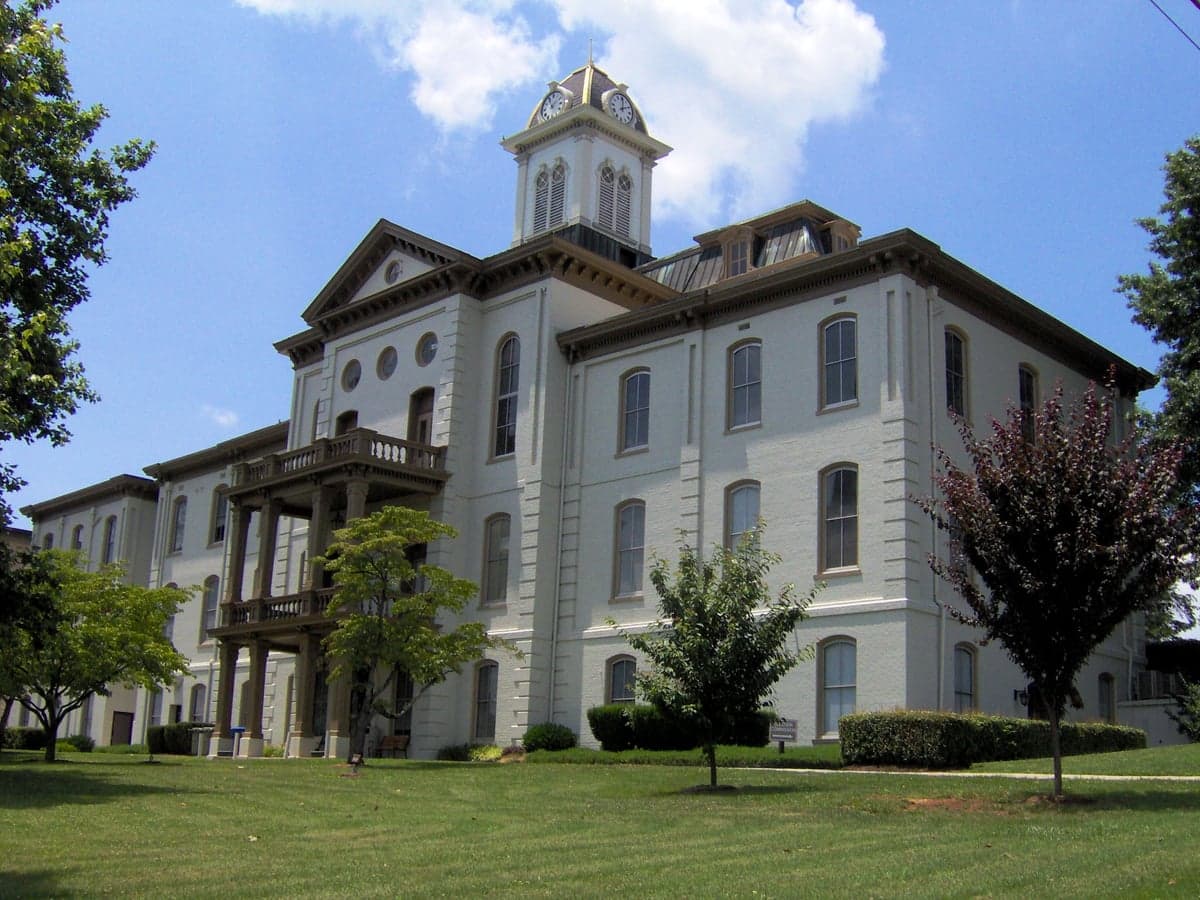
Photo: Wikipedia
Strategic Assessment of Hamblen County
Workable tactical position. Some exposure to population density or targets, but generally defensible in a crisis.
What does the Strategic Assessment tell us?
Our Strategic Assessment grades tactical survivability of an area. Major population centers, military targets, fallout zones, natural disasters, and border exposure all drive risk — lower exposure means a more defensible position in a crisis.
This is heavily inspired by Joel Skousen's Strategic Relocation book. Highly recommended you checkout the book ($)What does this tell us?
Our Strategic Assessment grades tactical survivability of an area. Major population centers, military targets, fallout zones, natural disasters, and border exposure all drive risk — lower exposure means a more defensible position in a crisis.
This is heavily inspired by Joel Skousen's Strategic Relocation book. Highly recommended you checkout the book ($)Strategic Pillars

Key Distances
Strategic Assessment Analysis
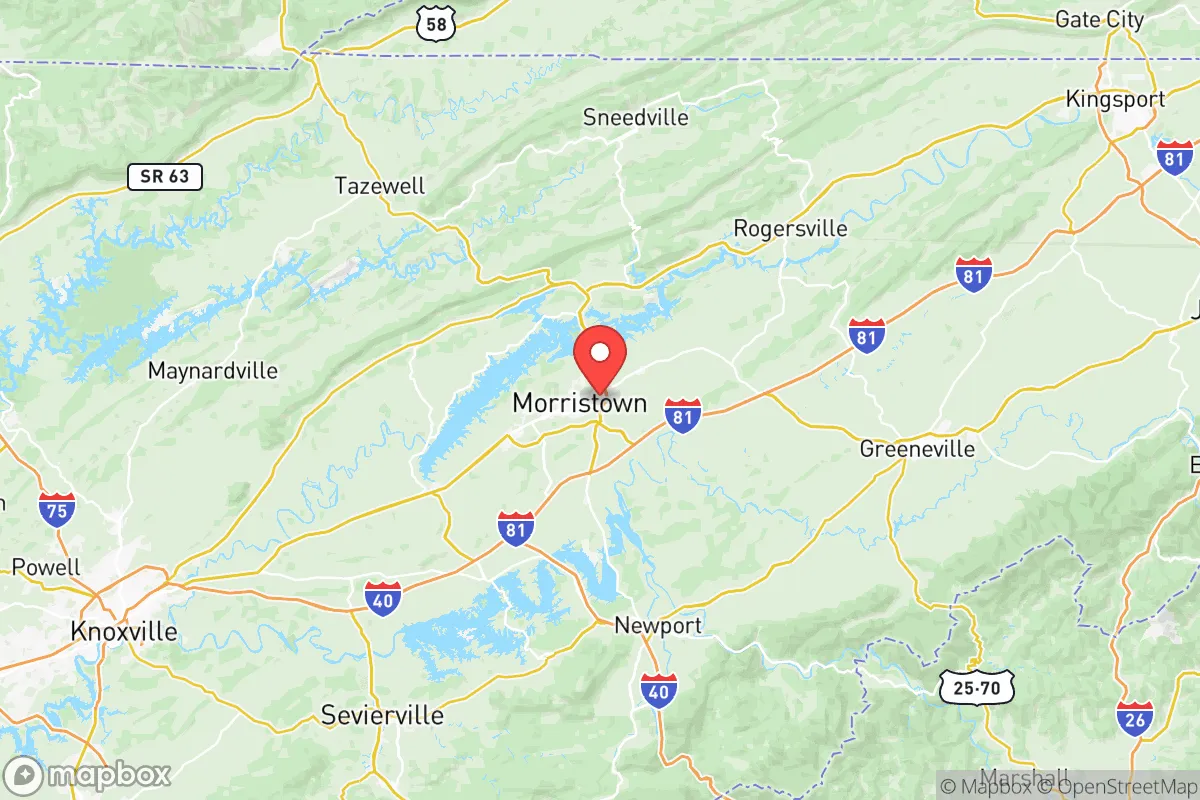
Hamblen County, Tennessee, offers a strategic relocation option for those prioritizing resilience and distance from major metropolitan vulnerabilities. Anchored by the city of Morristown, the county sits in a geographic sweet spot—roughly 45 miles northeast of Knoxville and 100 miles from the Tri-Cities region—placing it far enough from major urban centers to avoid the worst fallout of civic unrest or infrastructure collapse, yet close enough to access regional resources. The county’s position within the Tennessee Valley, flanked by the Cherokee National Forest to the east and the Cumberland Plateau to the west, provides natural buffers and defensible terrain that appeal to a prepper or survivalist mindset. For conservative-leaning individuals and families seeking a lower-risk base of operations, Hamblen County balances rural accessibility with a functional local economy, making it a credible candidate for long-term strategic relocation.
Geographic position and natural advantages for long-term security
Hamblen County’s geography is its primary strategic asset. The county lies in the Ridge-and-Valley region of East Tennessee, characterized by parallel ridges and fertile valleys that offer both concealment and agricultural potential. The Holston River, which flows through the county’s northern edge, provides a reliable freshwater source—critical for independent water security. Nearby Cherokee Lake, formed by the Cherokee Dam on the Holston River, offers additional water reserves and a natural barrier to the east. The county’s elevation, averaging around 1,300 feet, reduces flood risk compared to lower-lying areas, while the surrounding mountains create natural chokepoints for any potential movement from Knoxville or the I-81 corridor. For a relocator, this means defensible positions are abundant: the ridges south of Morristown, such as Panther Creek Mountain, offer elevated sites with long-range visibility. The county’s position also places it within a two-hour drive of the Great Smoky Mountains National Park, a vast wilderness area that could serve as a fallback zone in extreme scenarios. These natural advantages—water access, elevation, and terrain complexity—form the foundation of Hamblen County’s resilience profile.
Risks, exposures, and proximity to fallout-relevant landmarks
No strategic assessment is complete without acknowledging vulnerabilities. Hamblen County’s primary risk stems from its proximity to the Tennessee Valley Authority’s (TVA) nuclear infrastructure. The Watts Bar Nuclear Plant, located roughly 30 miles southwest in Rhea County, and the Sequoyah Nuclear Plant, about 40 miles west near Soddy-Daisy, are both within a 50-mile radius. While these facilities are well-regulated, a major incident—whether from accident or sabotage—could create fallout zones extending into Hamblen County, particularly under prevailing westerly winds. Additionally, the county lies near the I-81 corridor, a major north-south logistics route that could become a target for civil unrest or supply-chain disruptions. The city of Morristown itself hosts industrial sites, including a large Tyson Foods processing plant and multiple manufacturing facilities, which could become focal points for labor disputes or infrastructure failures. On the positive side, Hamblen County is far from major military installations like Fort Campbell (200 miles west) or the Oak Ridge National Laboratory (60 miles west), reducing the risk of direct targeting in a conflict scenario. The county’s distance from major population centers—Knoxville’s metro area of 900,000 is the nearest significant urban concentration—means that any mass evacuation or unrest in those cities would likely bypass Hamblen County, as the primary escape routes run along I-40 and I-75, not through Morristown. For a prepper, the key takeaway is that while nuclear risks exist, they are manageable with proper planning—such as maintaining a fallout shelter and monitoring wind patterns—and the county’s overall exposure to large-scale threats is lower than in more industrialized or urbanized areas.
Practical resilience for a relocator: food, water, energy, and defensibility
For a family or individual looking to establish a self-sufficient homestead, Hamblen County offers a workable baseline. Water is the most critical resource, and the county’s access to the Holston River and Cherokee Lake provides redundancy beyond municipal supplies. Many rural properties in the county have private wells, with average depths of 200-400 feet tapping into the Knox aquifer, which yields reliable water even during droughts. The county’s agricultural heritage means that fertile bottomland is available for small-scale farming, and the local climate supports a 200-day growing season for crops like corn, beans, and squash. For energy, the TVA grid is generally reliable, but the county’s terrain is well-suited for off-grid solar installations, particularly on south-facing slopes in the ridges south of Morristown. Wood heating is also viable, given the proximity to national forest land—though relocators should be aware that firewood permits are required for harvesting on public land. Defensibility is a mixed picture: the county’s rural areas offer good line-of-sight and natural barriers, but the town of Morristown itself (population 30,000) presents challenges, with a dense street grid and limited escape routes. The county’s law enforcement presence, including the Hamblen County Sheriff’s Office and Morristown Police Department, is adequate for routine matters but would be stretched thin in a widespread crisis. For a relocator, the strategic play is to secure property in the county’s southern or eastern townships—areas like Lowland or Russellville—where road access is limited to a few routes, and neighbors are sparse enough to reduce social friction. Local food sources are robust: the county hosts multiple farmers’ markets, and the surrounding region is a major producer of poultry and livestock. The Morristown Regional Airport, a general aviation facility, could serve as an emergency resupply point or evacuation hub, though it lacks commercial service. Overall, Hamblen County provides the raw ingredients for a resilient lifestyle, but success depends on proactive preparation—stockpiling supplies, establishing water storage, and building community ties with like-minded neighbors.
The overall strategic picture for Hamblen County is one of cautious optimism for the conservative prepper. It is not a hardened bunker location—no place in the continental U.S. truly is—but it offers a realistic balance of natural resources, geographic isolation, and manageable risks. The county’s distance from major fallout targets, its water and agricultural potential, and its defensible terrain make it a strong candidate for those who want to be prepared without living in a remote wilderness. The key weaknesses—proximity to nuclear plants and the I-81 corridor—are known and can be mitigated with planning. For a family or individual looking to relocate with a survivalist mindset, Hamblen County deserves serious consideration, provided you secure a property with good water access, elevated ground, and a plan for community integration. In a world where urban centers are increasingly fragile, this corner of East Tennessee offers a quiet, defensible foothold.

* Values derived from national, state, county, city and local statistics and may differ in a specific area. Last updated: 2026-05-28T06:25:46.000Z
Narrative content on this page is AI-generated and may contain mistakes. Verify any details that matter before acting on them.
ReloMaps may earn a commission from affiliate links at no extra cost to you.

