Photo: Wikipedia
Personal Sovereignty in Greene County
Viable for self-reliance. Generally workable, though some barriers may limit total independence.
What does Personal Sovereignty tell us?
Personal Sovereignty measures your capacity for self-reliance and independence with minimal government friction. Higher scores mean fewer barriers between you and the way you want to live... but it assumes you have the space you need and good neighbors.
What does this tell us?
Personal Sovereignty measures your capacity for self-reliance and independence with minimal government friction. Higher scores mean fewer barriers between you and the way you want to live... but it assumes you have the space you need and good neighbors.
State Policy
Energy independence: Importer (25% of energy produced in-state)
Personal Liberty
Homesteading

Personal Liberty Analysis
Greene County, Tennessee, offers a notably high degree of personal sovereignty compared to many parts of the Southeast, driven by Tennessee's strong preemption laws, low tax burden, and a deeply rooted culture of self-reliance. The county's regulatory environment is light-touch, particularly outside the city limits of Greeneville, where property rights and personal choices are broadly respected. For individuals and families prioritizing autonomy in daily life, Greene County presents a compelling balance of rural independence and access to essential services, with the legal framework generally favoring the individual over the state.
Tax burden and regulatory posture in Greene County
Tennessee's absence of a state income tax is a foundational advantage for personal sovereignty, and Greene County's local tax structure reinforces this. The county's property tax rate is among the lowest in the state, typically hovering around $2.00 to $2.20 per $100 of assessed value, which keeps the annual cost of land ownership manageable. Sales tax is higher, at 9.75% in Greeneville and unincorporated areas, but essential items like groceries are exempt. The regulatory posture is decidedly permissive: there is no county-wide zoning in unincorporated areas, meaning property use is largely unrestricted. In contrast, the town of Greeneville enforces zoning and building codes, while communities like Mosheim, Tusculum, and Baileyton have minimal or no zoning, allowing for greater freedom in how land is used, from running a small business to keeping livestock. Tennessee's statewide preemption laws also prevent local governments from enacting stricter regulations than the state on matters like firearm carry and short-term rentals, further insulating residents from municipal overreach.
Self-defense and gun law specifics in Greene County
Tennessee is a constitutional carry state, and Greene County fully reflects this. As of 2026, any law-abiding adult 21 or older can carry a handgun openly or concealed without a permit. For those who want reciprocity with other states, a Tennessee enhanced handgun permit is available and requires a background check and training course. The county sheriff's office in Greeneville processes permits efficiently, and the local culture strongly supports the right to self-defense. Stand-your-ground laws are in effect, with no duty to retreat in any place where a person is lawfully present. Greene County's gun-friendly environment is consistent across all its communities, from the more rural areas of Chuckey and Afton to the outskirts of Greeneville, where firearm ownership is common and openly discussed. There are no local ordinances restricting magazine capacity or firearm types, and private firearm sales between individuals are legal without a background check.
Self-reliance and homesteading viability in Greene County
Greene County is one of the most viable areas in Tennessee for homesteading and off-grid living, thanks to its agricultural zoning and abundant water resources. In unincorporated areas, minimum lot sizes are typically one acre, but many parcels of 5 to 20 acres are available at reasonable prices, especially in communities like Midway and Horse Creek. There are no county-level restrictions on rainwater collection, solar panel installation, or composting toilets, making off-grid setups legally straightforward. The Tennessee Valley Authority (TVA) provides reliable grid power, but many residents choose to supplement with solar, and net metering is available. Agricultural exemptions for property tax are generous for those with qualifying farming operations, and raising livestock, including chickens, goats, and cattle, is unrestricted in rural zones. The county's strong agricultural extension office in Greeneville offers resources for new homesteaders, and the local farmers' markets provide outlets for selling produce and crafts without heavy licensing burdens.
Personal liberties in Greene County: parental rights, medical autonomy, speech, and property
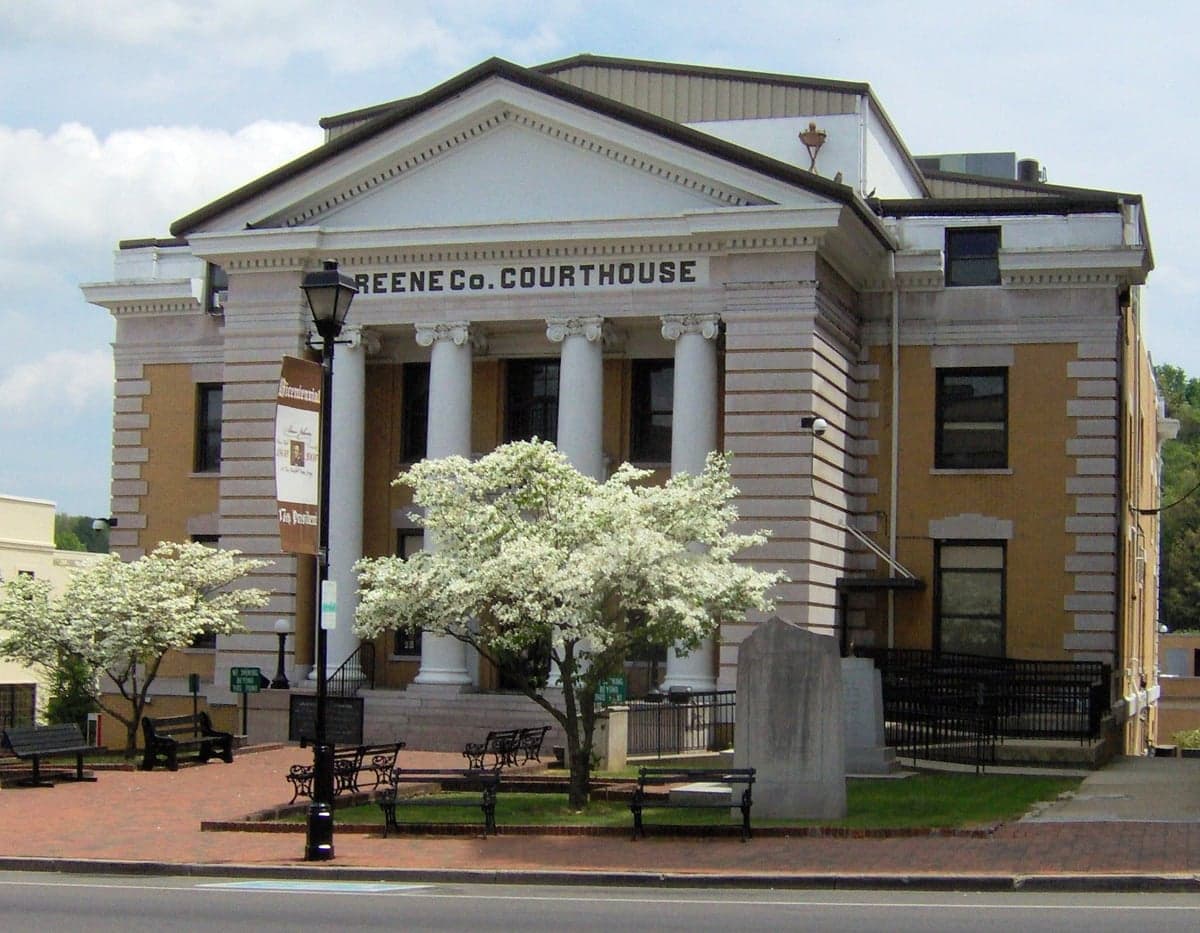
Tennessee has enacted strong protections for parental rights, including the Parental Bill of Rights, which gives parents the authority to direct their child's education, healthcare, and religious upbringing. Greene County schools, including those in Greeneville City Schools and Greene County Schools, generally defer to parental decisions, and school board meetings reflect a community that values parental input. Medical autonomy is supported by Tennessee's broad conscience protections for healthcare providers and patients, though the state does not have a specific medical freedom law. Free speech is robustly protected, with no local ordinances restricting public expression, and the county's public forums, including the Greene County Courthouse in Greeneville, are active spaces for civic discourse. Property rights are strongly defended, with Tennessee's Private Property Protection Act requiring government to compensate landowners for any regulatory taking. Eminent domain is rarely used for private development, and the county's planning commission in Greeneville focuses on voluntary compliance rather than punitive enforcement.
Overall, Greene County ranks among the more sovereignty-friendly areas in Tennessee, particularly for those seeking a rural or semi-rural lifestyle with minimal government interference. The combination of low taxes, constitutional carry, permissive land use, and strong parental rights creates an environment where personal responsibility is the norm. Compared to more regulated areas like Nashville or Knoxville, Greene County offers a noticeably lighter regulatory touch, especially in its unincorporated communities. For individuals and families who prioritize autonomy, the county provides a legal and cultural foundation that supports self-reliance without the friction found in more urbanized or heavily zoned jurisdictions.

* Values derived from national, state, county, city and local statistics and may differ in a specific area. Last updated: 2026-07-03T15:11:44.000Z
Narrative content on this page is AI-generated and may contain mistakes. Verify any details that matter before acting on them.
ReloMaps may earn a commission from affiliate links at no extra cost to you.

