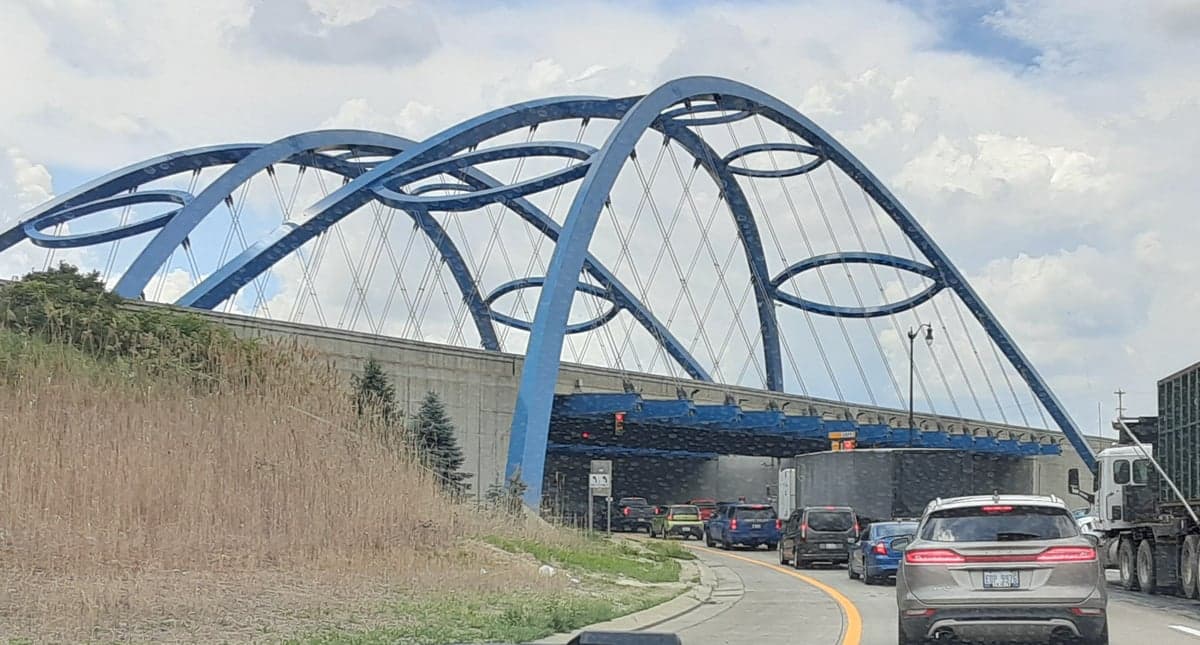
Photo: Wikipedia
Political ClimatePolitical Climate in Taylor, MI
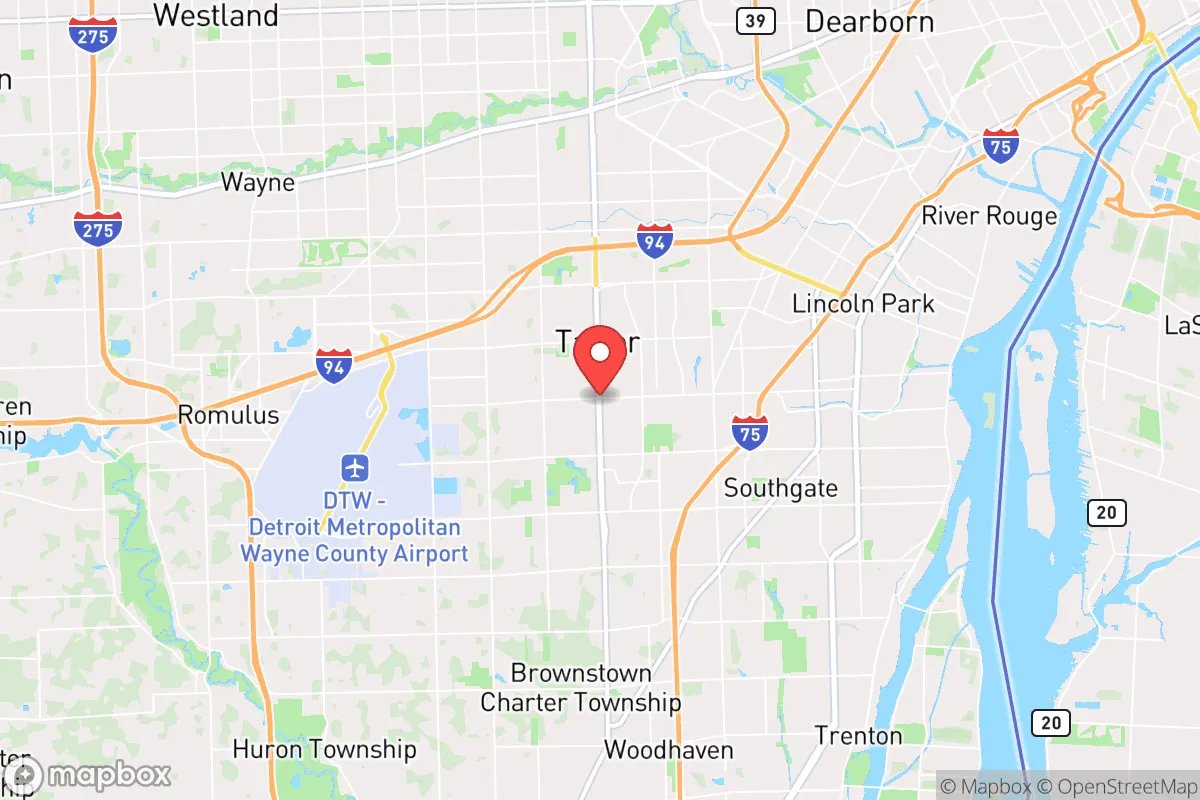
District shown is the primary district for this city’s centroid. Cities may span multiple districts.
Local Political AnalysisPolitical Analysis of Taylor, MI
Look, I’ve lived in Taylor my whole life, and I’ll tell you straight: this city is a Democratic stronghold, and it’s been that way for decades. The Cook PVI sits at D+22, meaning it votes about 22 points more Democratic than the national average. That’s not a slight lean—that’s a deep blue anchor in Wayne County. But here’s the thing: it wasn’t always this way. Taylor used to be a working-class, union-heavy town where folks voted their pocketbook and wanted government to stay out of their backyard. Over the last ten years, though, the shift has been real. The old-school, “leave me alone” Democrats are fading, and the new wave is pushing progressive policies that feel more like Sacramento than southeast Michigan. You see it in the city council votes, the school board decisions, and the way local ordinances keep creeping into your daily life.
How it compares
Drive ten miles north to Dearborn, and you’ll find a similar Democratic tilt, but with a different flavor—more ethnic, more organized. Head west to Canton or Plymouth, and you hit solidly Republican turf where taxes are lower and the zoning is looser. Taylor sits in the middle of that contrast, but it’s not a middle ground. Compared to nearby Downriver communities like Wyandotte or Trenton, Taylor is noticeably more liberal. Wyandotte still has a mix of blue-collar conservatism and independent streaks; Trenton leans redder, especially on fiscal issues. Taylor, though? It’s the one where the city council is more likely to pass a resolution on national politics than fix the potholes on Goddard Road. The surrounding towns—like Brownstown or Woodhaven—are increasingly conservative, and you can feel the tension when you cross the border. It’s like leaving one country and entering another.
What this means for residents
For the average person living here, the political climate means you’re dealing with more government overreach than you’d expect in a mid-sized Michigan city. Property taxes are high—Wayne County is notorious for it—and the city has a habit of adding fees and regulations that feel like they’re solving problems nobody asked about. The school district, Taylor School District, has seen curriculum shifts that prioritize social-emotional learning over basics, and parents I know are pulling their kids out for charters or homeschooling. The city council has also flirted with “equity” ordinances that sound good on paper but end up giving bureaucrats more say over small businesses and neighborhood decisions. If you value personal freedom—like the right to modify your own house without three permits, or the right to speak your mind without being labeled—you’ll feel the squeeze here. The long-term trend is concerning: each election cycle brings a new slate of candidates who promise “change” but deliver more of the same top-down control.
One thing that sets Taylor apart culturally is its stubborn sense of community. Despite the politics, people still know their neighbors, and the local diners and bowling alleys are full of folks who don’t care about party labels. But the policy direction is unmistakable. If you’re looking for a place where government stays small and leaves you alone, Taylor isn’t it. The trajectory is toward more regulation, more progressive social policies, and a growing disconnect between what residents want and what the city delivers. Keep an eye on the next few elections—if the trend holds, you’ll see even more of the same, and that’s a red flag for anyone who values their rights.

State Political ClimatePolitical Climate in Michigan
State Political AnalysisPolitical Environment in the State
Michigan has shifted from a reliably purple battleground to a state where Democrats now hold unified control of the governor’s office, the state House, and the state Senate for the first time in 40 years. The 2022 midterms saw Governor Gretchen Whitmer win re-election by 10 points, while Democrats flipped both legislative chambers, giving them a trifecta that has rapidly enacted a progressive agenda. Over the past decade, the state has moved leftward, driven by the growing dominance of the Detroit metro area and the collapse of GOP strength in the suburbs, though the Upper Peninsula and rural Lower Peninsula remain deeply conservative.
Urban vs. rural divide
The political map of Michigan is a stark tale of two states. The urban core of Detroit, along with its inner-ring suburbs like Southfield and Dearborn, vote overwhelmingly Democratic, often delivering margins of 80% or more. The real story, however, is the shift in the once-reliable GOP suburbs. Oakland County, a wealthy suburban powerhouse north of Detroit that voted for George W. Bush in 2004, has become a Democratic stronghold, with Whitmer winning it by 14 points in 2022. Kent County, home to Grand Rapids, flipped from red to blue in the same cycle, driven by the growth of the city and its liberal-leaning college population. Meanwhile, rural counties like Oscoda, Missaukee, and Montmorency vote 70%+ Republican, and the Upper Peninsula remains a conservative outlier, though its small population limits its statewide impact. The I-75 corridor from Detroit to Flint is the Democratic spine, while the Thumb region and West Michigan lakeshore are the GOP’s remaining strongholds.
Policy environment
Since the 2023 trifecta, Michigan has seen a rapid shift in policy. The state repealed its right-to-work law, which had been in place since 2012, and restored prevailing wage requirements for public construction projects. The income tax rate was temporarily cut from 4.25% to 4.05% due to a 2015 trigger law, but the Democratic legislature has signaled interest in repealing that trigger to prevent further cuts. Property taxes remain high, with an average effective rate of 1.54%, and the state’s Michigan Business Tax has been replaced by a 6% corporate income tax. On education, the state expanded the Michigan Education Trust prepaid tuition program and increased per-pupil funding, but also eliminated the Read by Grade Three retention law, weakening accountability. Healthcare saw the expansion of Medicaid under the Healthy Michigan Plan and the codification of abortion rights via Proposal 3 in 2022, which enshrined reproductive freedom in the state constitution. Election laws were overhauled with Proposal 2 in 2022, which established nine days of early voting, automatic voter registration, and drop box requirements, making Michigan one of the most accessible voting states in the nation.
Trajectory & freedom
Michigan is clearly trending toward less personal freedom, especially for conservatives. The 2023 legislative session saw the passage of red flag laws (extreme risk protection orders), universal background checks for firearm purchases, and a safe storage requirement for guns, all signed by Governor Whitmer. These laws were passed without any Republican support and have been met with fierce opposition from rural counties, with several sheriffs vowing not to enforce them. Parental rights took a hit with the expansion of LGBTQ+ curriculum mandates in public schools, which require inclusive materials without an opt-out provision for parents. Medical autonomy was curtailed by the state’s strict COVID-19 mandates, which were among the longest-lasting in the country, and the new gun laws further restrict personal choice. On the positive side for liberty, the state did pass expungement reform for certain marijuana offenses and legalized recreational cannabis in 2018, which has been a net positive for personal freedom. Property rights remain relatively strong, with no statewide rent control or inclusionary zoning mandates, though local governments in Ann Arbor and Lansing have imposed their own restrictions.
Civil unrest & political movements
Michigan has been a flashpoint for political conflict. The 2020 Whitmer kidnapping plot by anti-government extremists brought national attention, and the Operation Gridlock protests at the state capitol in 2020 saw armed demonstrators demanding an end to COVID restrictions. Since then, the Michigan Conservative Coalition and local Moms for Liberty chapters have been active in school board meetings, particularly in Macomb County and Ottawa County. The “Unlock Michigan” petition drive successfully repealed the governor’s emergency powers law in 2020, a rare victory for the right. On the left, the Michigan Democratic Party has been energized by the Rise Up Michigan coalition, which pushed for the 2022 ballot proposals. Immigration politics are relatively quiet, as Michigan is not a border state, but Washtenaw County (home to Ann Arbor) has declared itself a “sanctuary county”, limiting cooperation with ICE. Election integrity remains a hot-button issue, with the 2020 results in Antrim County initially showing a software error that briefly flipped votes, fueling ongoing distrust. The Michigan Bureau of Elections has been under Republican scrutiny, and the new early voting laws have only deepened the partisan divide.
Projection
Over the next 5-10 years, Michigan is likely to become more Democratic and more progressive. The Detroit metro area continues to attract young, college-educated professionals from other states, while rural counties are losing population. The 2024 census estimates show that the state’s population is flat, but the composition is shifting: the Grand Rapids area is growing, but its suburbs are trending blue. The Democratic trifecta is likely to hold through at least 2026, and the party is pushing for a statewide paid family leave program, a clean energy standard of 100% by 2035, and a public option for health insurance. The GOP is struggling to rebuild, with internal fights between the Michigan Republican Party establishment and the MAGA wing that backed Kristina Karamo in 2023. A new resident moving in now should expect higher taxes, more regulation on guns and business, and a political environment that is increasingly hostile to conservative values. The Upper Peninsula and rural northern Michigan will remain red islands, but they will have less and less influence on state policy.
For a conservative considering a move to Michigan, the bottom line is this: you will find like-minded communities in the Thumb region, West Michigan (outside Grand Rapids), and the Upper Peninsula, but you will be living under a state government that is actively working against your values. The tax burden is moderate but rising, the gun laws are tightening, and the education system is becoming more centralized and progressive. If you value local control and personal liberty, you will need to be politically engaged at the local level, as the state capitol in Lansing is firmly in Democratic hands for the foreseeable future. The natural beauty and low cost of living in rural areas remain draws, but the political trajectory is clear: Michigan is becoming a blue state, and that trend shows no signs of reversing.
* Values derived from national, state, county, city and local statistics and may differ in a specific area. Last updated: 2026-04-24T20:05:59.000Z
Narrative content on this page is AI-generated and may contain mistakes. Verify any details that matter before acting on them.
ReloMaps may earn a commission from affiliate links at no extra cost to you.

