Quality of Life in St Johnsbury, VT
A high quality of life with strong walkability, manageable living costs, healthy neighborhood signals, and solid amenity access.
What does Quality of Life tell us?
Quality of Life blends cost of living, nearby amenities, socioeconomic signals, and neighborhood character. City-level scores represent the whole municipality; individual neighborhoods can differ.
What does this tell us?
Quality of Life blends cost of living, nearby amenities, socioeconomic signals, and neighborhood character. City-level scores represent the whole municipality; individual neighborhoods can differ.
Cost of Living
30% below national average
The Real Cost of Living in St Johnsbury, VT for 2026
| Tier | Individual | Family (4) |
|---|---|---|
| Survival | $14k | $27k |
| Comfortable | $33k | $49k |
| Luxury | $89k+ | $137k+ |
| Elite (Top 5%) | $125k+ | $193k+ |
100%
The Area Signal
A metric tracking the socioeconomic signals of the area.
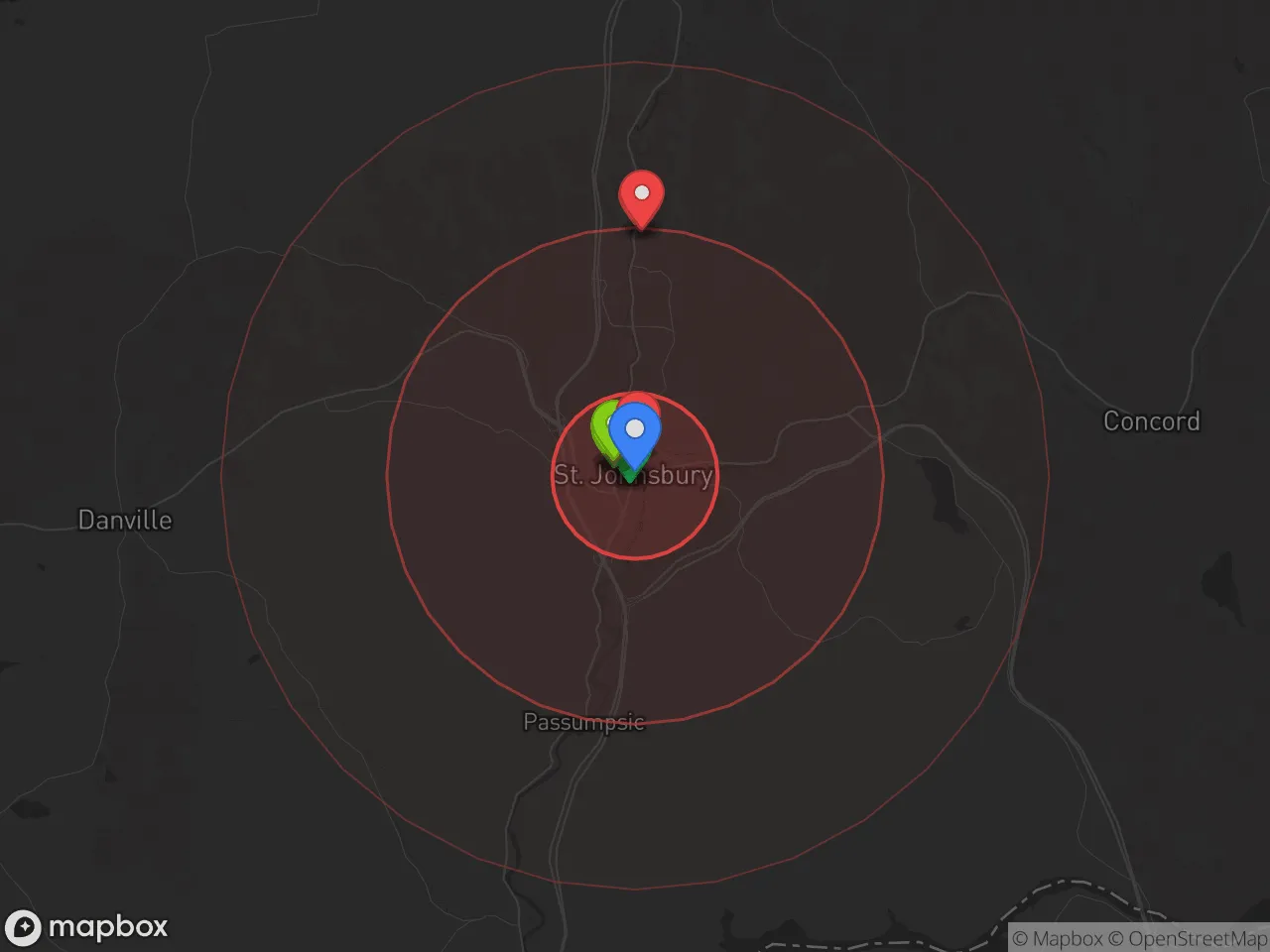
Hobbies
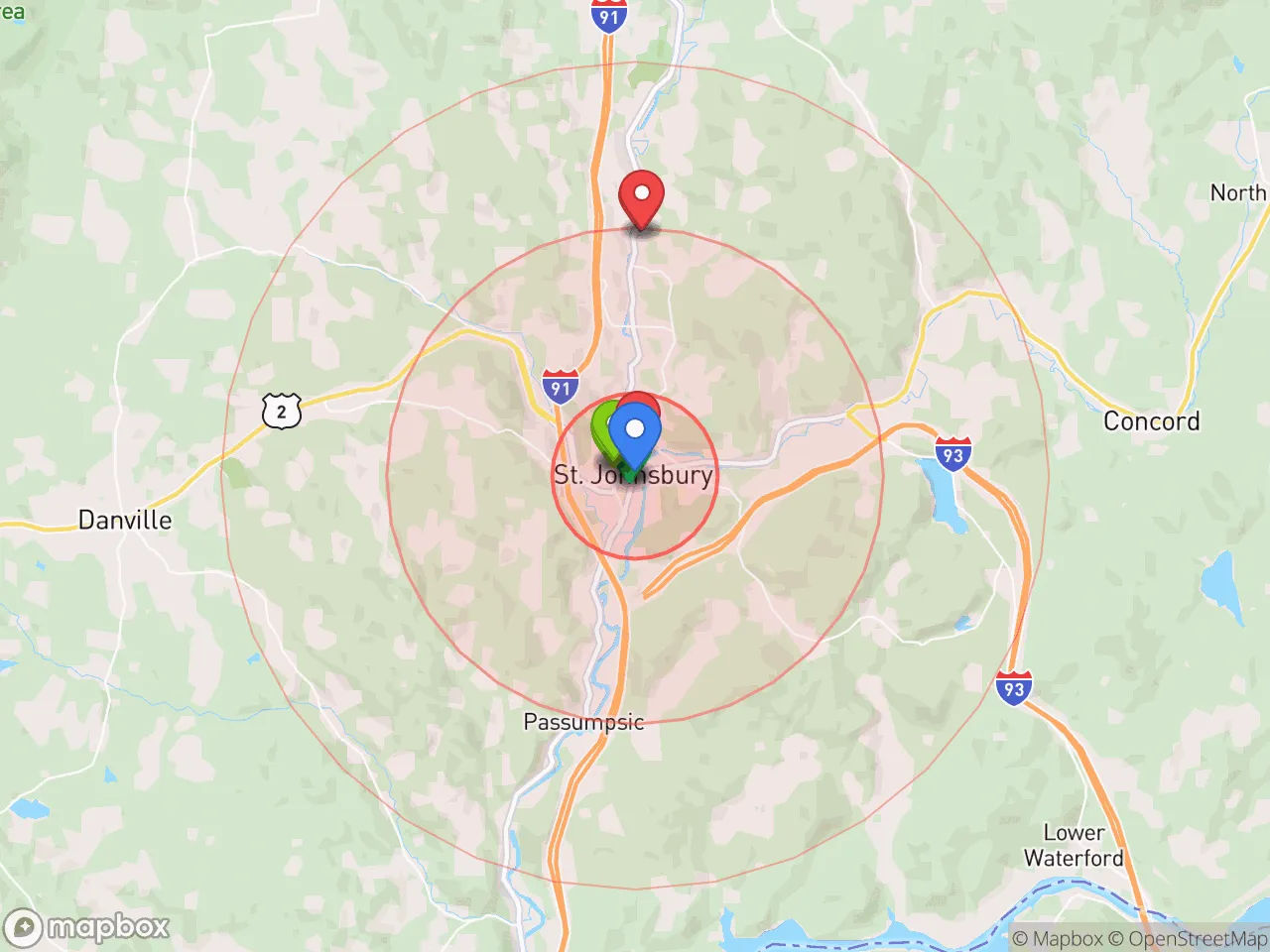
Explore the areaGroceries
1 within 10 miles
Gas
14 within 10 miles
Hospital
3 within 20 miles
Airport
PDX — Portland International Jetport
Post Office
USPS — St Johnsbury, VT
Critical Amenities
Quality-of-Life Analysis
St. Johnsbury, Vermont, offers a notably affordable quality of life relative to national averages, attracting a mix of remote workers, outdoor enthusiasts, and families seeking a slower pace. With a cost of living index of 70 (30% below the U.S. average), the area stands in stark contrast to pricier New England hubs like Burlington or Boston. The population skews toward middle-income earners, retirees, and those employed in education, healthcare, and the region’s growing remote-work sector, creating a community that values practicality over pretense.
Cost of living and housing affordability compared to nearby towns
Housing in St. Johnsbury is a standout value in the Northeast Kingdom. The median home value sits at $171,900, roughly half the Vermont state median and far below the $400,000+ averages seen in Chittenden County. Median rent is $887, making it one of the most budget-friendly rental markets in the state. For context, a comparable rental in St. Johnsbury’s neighbor Lyndonville might run $950–$1,050, while in Stowe or Burlington, similar units often exceed $1,500. The average commute of 18.4 minutes is well under the national average of 26 minutes, meaning residents save both time and money on transportation. Utility costs are slightly above the national average due to Vermont’s cold winters, but overall monthly expenses remain manageable for households earning $50,000–$70,000 annually.
Schools, amenities, and what daily life feels like
Daily life in St. Johnsbury revolves around a compact, walkable downtown and easy access to outdoor recreation. The St. Johnsbury School (K–8) and St. Johnsbury Academy, a private secondary school with a strong regional reputation, anchor the education landscape. The town’s amenities include the Fairbanks Museum & Planetarium, the St. Johnsbury Athenaeum (a historic library and art gallery), and a modest but functional retail core with a Hannaford supermarket, local hardware stores, and independent cafes. For groceries and errands, residents typically stay in town; for major shopping or specialized healthcare, they drive 30–40 minutes to Littleton, New Hampshire, or 45 minutes to Barre. The rhythm is unhurried: winters bring snowmobiling and skiing at Burke Mountain (20 minutes away), while summers feature farmers’ markets, hiking on the Lamoille Valley Rail Trail, and community events like the St. Johnsbury Town Band concerts. Internet access is reliable, with fiber-optic options from Consolidated Communications and VTel, supporting remote workers.
St. Johnsbury is best suited for those who prioritize affordability and outdoor access over urban amenities or career density. Remote workers, early retirees, and families with school-age children will find the low housing costs and short commutes particularly appealing. However, those seeking vibrant nightlife, diverse dining, or rapid job growth in tech or finance may find the pace too slow. The town’s quiet, self-reliant character rewards residents who embrace winter recreation, community involvement, and a simpler daily routine.

Crime in St Johnsbury, VT
Generally safer than 71% of comparable U.S. locations.
Violent CrimeViolent Crime Analysis
Property CrimeProperty Crime Analysis
Crime Analysis
St. Johnsbury, Vermont, reports a violent crime rate of 220 incidents per 100,000 residents and a property crime rate of 1,444.3 per 100,000, placing it above the state average for both categories. While not among the most dangerous communities in New England, these figures indicate a higher-than-expected risk for a rural town, particularly regarding theft and burglary. The overall safety picture is mixed: residents benefit from a low population density and strong community ties, but property crime rates demand attention from anyone considering a move.
Crime in context
Compared to Vermont's statewide violent crime rate of roughly 200 per 100,000, St. Johnsbury's rate is slightly elevated. The property crime rate of 1,444.3 per 100,000 is significantly higher than the state average of approximately 1,100 per 100,000 and approaches the national average of around 1,950 per 100,000. This means a resident's chance of experiencing a property crime—such as larceny, motor vehicle theft, or burglary—is notably higher than in most other Vermont towns. The town's location along Interstate 91 and its role as a regional commercial hub likely contribute to these figures, as transient populations and retail activity can increase opportunities for theft.
What residents experience
For daily life, the elevated property crime rate is the primary concern. Residents report that unlocked vehicles and outbuildings are common targets, and package theft is a recurring issue in denser neighborhoods. Violent crime, while present, is less a part of everyday experience; most incidents are concentrated in specific contexts rather than random attacks on the street. The local police department maintains a visible presence, and community watch programs are active in several neighborhoods. However, some residents express frustration with the pace of the justice system, noting that repeat property offenders often cycle through the courts quickly, a dynamic some attribute to Vermont's broader progressive criminal justice policies that prioritize diversion and treatment over incarceration.
Neighborhood-level variation is notable. The area around the downtown commercial corridor and the rail trail sees higher reports of theft and disorder. In contrast, the residential streets on the hills overlooking the town, such as those near the St. Johnsbury Academy campus, experience significantly lower crime rates. The outlying rural roads and the town of Danville, just south, offer a quieter safety profile. Prospective residents should prioritize properties with good lighting, secure entry points, and off-street parking, and consider a home security system as a practical deterrent given the property crime rate.
* Values derived from national, state, county, city and local statistics and may differ in a specific area. Last updated: 2026-11-19T20:54:37.000Z
Narrative content on this page is AI-generated and may contain mistakes. Verify any details that matter before acting on them.
ReloMaps may earn a commission from affiliate links at no extra cost to you.

