Photo: Wikipedia
Political ClimatePolitical Climate in Grant County
Showing state-level results — no local-only data available.
Local Political AnalysisPolitical Analysis of Grant County
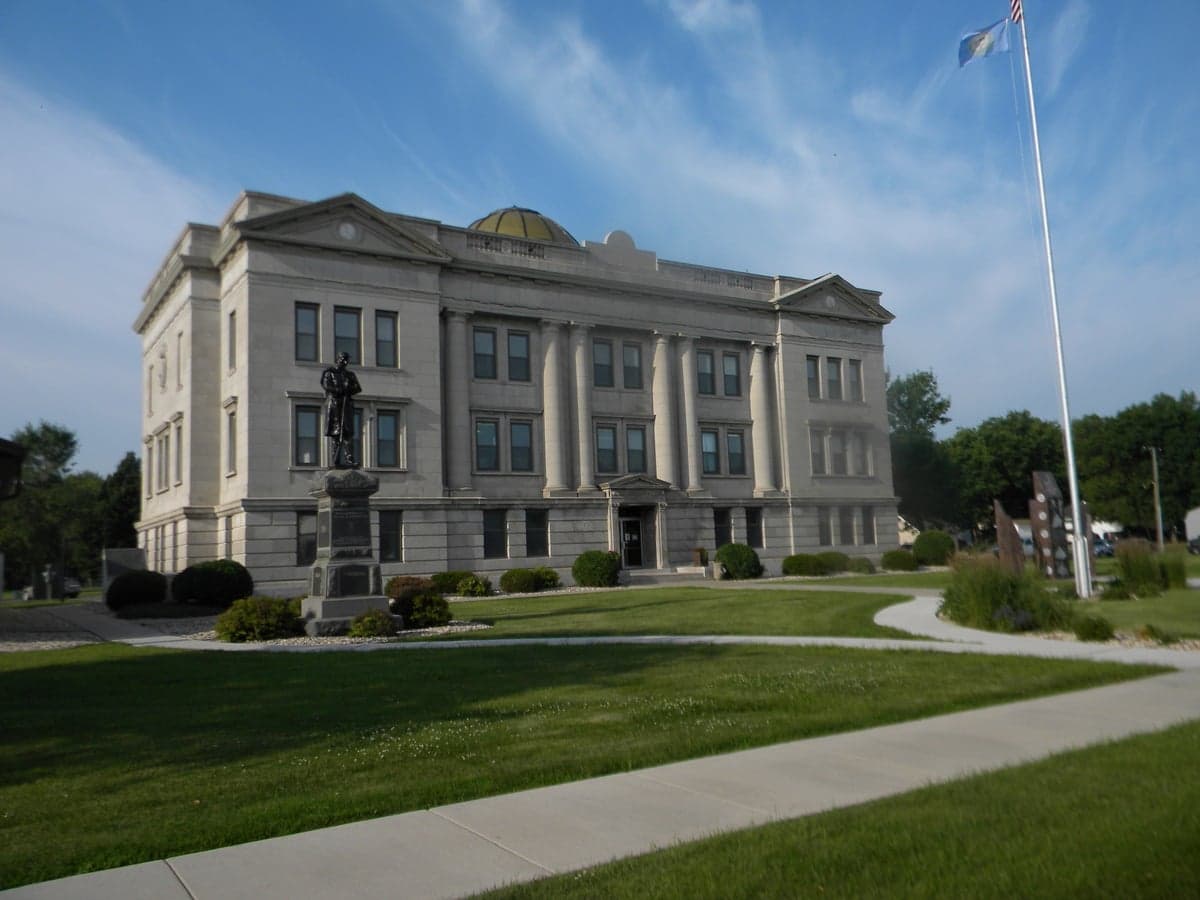
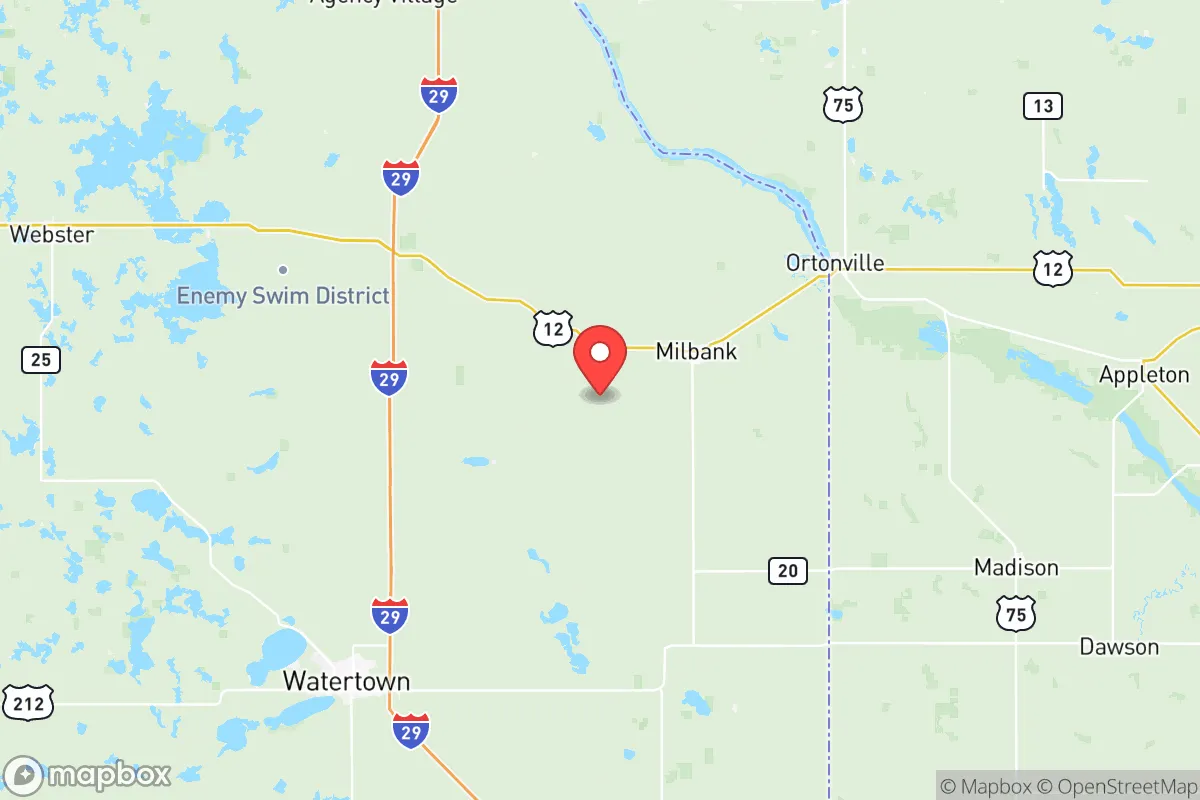
Grant County, South Dakota, has long been a solid Republican stronghold, and that hasn't changed much. The Cook Partisan Voting Index (PVI) sits at R+15, meaning the county votes about 15 points more Republican than the national average. That's exactly the same as the statewide PVI for South Dakota, so Grant County is right in line with the rest of the state politically. But if you look closer at the precincts, you'll see some interesting variation. The county seat, Milbank, tends to be the most reliably red area, while smaller towns like Big Stone City and Revillo can swing a bit more moderate, especially in local races. Twin Brooks and Stockholm lean conservative but have a few more split-ticket voters than you'd expect. Over the past decade, the overall trajectory has stayed steady—no major blue shift, but there's been a slow creep of progressive ideas in school board and county commission races that some longtime residents find concerning.
How it compares
When you stack Grant County against the rest of South Dakota, the numbers are nearly identical. Both have a Cook PVI of R+15, so the county isn't an outlier. But the comparison gets more interesting when you look at the cultural and policy differences. The state as a whole has seen a push toward more centralized control from Pierre—things like mask mandates during COVID and some land-use regulations that rubbed rural folks the wrong way. Grant County, being more agricultural and tight-knit, has pushed back harder. For example, Milbank's city council voted down a proposed "welcoming city" resolution a few years back, while some towns in Minnehaha County embraced it. That's the kind of local resistance that keeps Grant County feeling more like the old South Dakota—where personal freedom and local control matter more than whatever the state capital decides.
What this means for residents
For someone living here, the political climate means you can generally expect low taxes, minimal government interference in your daily life, and a community that values self-reliance. But there are warning signs. The recent push for diversity, equity, and inclusion (DEI) initiatives in the state's education system has started to trickle into Grant County's school districts. Some parents in Revillo and Big Stone City have voiced concerns about curriculum changes that seem to prioritize ideology over academics. County commission meetings have also seen more debate over zoning and property rights—issues that used to be settled with a handshake. If you're moving here from a more progressive area, you'll find the political culture refreshingly straightforward. But if you're a conservative who values limited government, keep an eye on those local elections. The shift is slow, but it's real.
Culturally, Grant County still holds onto traditions that set it apart from the rest of South Dakota. The annual Milbank Summerfest and the Grant County Fair are big deals, and they're still run by volunteers, not government committees. There's a strong sense that the county does things its own way—whether it's the local gun club's independence or the way farmers handle water rights without state meddling. That's the kind of freedom that makes this area worth defending. But as the state trends toward more progressive policies, especially in education and land use, Grant County's resistance will be tested. For now, it's still a place where your vote actually means something, and where the government stays out of your business—if you keep it that way.

State Political ClimatePolitical Climate in South Dakota
State Political AnalysisPolitical Environment in the State
South Dakota is about as red as they come—Cook PVI of R+15 tells you the headline, but the real story is a state that has been trending even more conservative over the past two decades, driven by a rural, libertarian-leaning electorate that values low taxes, gun rights, and minimal government interference. The dominant coalition is a mix of traditional ranchers, farmers, and a growing wave of freedom-seeking transplants from places like California and Illinois who are tired of lockdowns and overreach. That said, the political map isn't uniform: Sioux Falls has become a purple-ish growth engine, while the rest of the state remains deeply red, and the legislature has increasingly flexed its muscle on cultural issues like parental rights, transgender sports, and abortion.
Urban vs. rural divide
The political geography of South Dakota is stark. Sioux Falls (Minnehaha County) is the state's liberal-leaning outlier, voting for Biden in 2020 by a narrow margin thanks to an influx of out-of-state professionals and a growing immigrant community. Rapid City (Pennington County) is more conservative but still has a tourism-driven moderate streak. Brookings, home to South Dakota State University, leans left, while Vermillion (University of South Dakota) follows suit. Meanwhile, the rural counties—think Meade, Butte, Harding, and Custer—routinely deliver 80%+ Republican margins. The capital, Pierre, is a small, conservative town where state politics are the main event. The divide isn't just about population density; it's about economic base. Sioux Falls is finance, healthcare, and tech; the rest is agriculture, tourism, and energy. That economic split drives the political tension, but the rural vote still dominates the legislature and statewide races.
Policy environment
South Dakota's policy posture is aggressively pro-freedom on paper. No state income tax, low property taxes, and a right-to-work law make it a magnet for businesses and individuals fleeing high-tax states. The regulatory climate is light—permitting for construction or business licensing is famously fast. Education policy has been a battleground: the legislature passed HB 1080 in 2022, a parental rights bill that requires schools to notify parents about curriculum changes and allows them to opt kids out of objectionable material. On healthcare, the 2022 ballot measure expanding Medicaid (Amendment D) passed despite Republican opposition—a rare progressive win that many conservatives view as a step toward government dependency. Election laws are solid: voter ID is required, no-excuse absentee voting was rolled back after 2020, and the state has resisted mail-in ballot expansions. The legislature also passed a near-total abortion ban (trigger law) after Dobbs, with exceptions only for life of the mother. Overall, the policy environment is friendly to traditional values, but the Medicaid expansion and some local school board battles show that progressive ideas can still gain footholds in the metro areas.
Trajectory & freedom
Over the past five years, South Dakota has become more free in several key areas, but there are warning signs. On the plus side: permitless carry for handguns passed in 2020, no statewide mask or vaccine mandates were ever imposed during COVID, and the state was one of the first to ban transgender athletes from female sports (SB 46, 2022). Governor Kristi Noem also signed a bill prohibiting critical race theory in K-12 schools (HB 1056). Medical freedom got a boost with a 2023 law protecting healthcare workers who refuse to participate in procedures they find morally objectionable. However, the Medicaid expansion is a clear expansion of government—a $600 million annual program that will likely grow. Property taxes have crept up in fast-growing counties like Minnehaha and Lincoln, driven by rising valuations rather than rate increases. The state also passed a new sales tax on internet services in 2023, which some see as a revenue grab. On balance, South Dakota remains a freedom leader, but the trend in Sioux Falls and Rapid City is toward more government services and higher taxes, which could eventually spill into state policy.
Civil unrest & political movements
South Dakota is not a hotbed of civil unrest, but there are flashpoints. The most visible is the annual Sturgis Motorcycle Rally, which draws hundreds of thousands and has become a cultural symbol of freedom—and a target for national media criticism. Protests have been small and sporadic: a few Black Lives Matter rallies in Sioux Falls in 2020, and ongoing activism around Native American issues, particularly on the Pine Ridge and Rosebud reservations. The state has no sanctuary city policies, and immigration is a minor issue—though some rural communities have seen a small influx of refugee resettlement through Lutheran Social Services. Election integrity controversies are minimal; the 2020 and 2022 elections ran smoothly with no major fraud allegations. The most notable political movement is the rise of the "Freedom Caucus" in the legislature, a group of hardline conservatives who push for school choice, further tax cuts, and resistance to federal overreach. They've clashed with more moderate Republicans, especially over budget priorities. A new resident would notice that political signs and bumper stickers are common, but actual street-level conflict is rare—most people keep their politics civil, even in the purple metro areas.
Projection
Looking five to ten years out, South Dakota is likely to remain solidly Republican, but the urban-rural divide will sharpen. Sioux Falls is projected to add another 50,000 people by 2030, many from blue states, which will push Minnehaha County further left. That could flip a few legislative seats and make statewide races slightly more competitive—but the rural vote is so lopsided that a Democrat winning statewide is still a long shot. The bigger risk for conservatives is internal: the Freedom Caucus vs. establishment GOP fights could lead to legislative gridlock or unpopular budget cuts that open the door for moderate Democrats in the suburbs. On the freedom front, expect continued battles over school choice (vouchers are likely to pass soon), property tax caps, and medical freedom. The Medicaid expansion will be a permanent fixture, and its costs may force tax increases down the road. In-migration will continue, but mostly to the I-29 corridor (Sioux Falls, Brookings, Watertown) and the Black Hills (Rapid City, Spearfish). A new resident moving in now should expect a state that remains a beacon for limited government and traditional values, but with growing urban pockets that will test those principles.
Bottom line for someone considering a move: South Dakota offers a rare combination of low taxes, light regulation, and cultural conservatism that is increasingly hard to find. You'll feel the freedom in everyday life—no mask mandates, no income tax, and a government that mostly stays out of your business. But keep an eye on Sioux Falls and Rapid City; those are the places where the political winds could shift. If you're looking for a state that respects your rights and your wallet, South Dakota is still one of the best bets in the country—just don't expect it to stay exactly the same forever.
* Values derived from national, state, county, city and local statistics and may differ in a specific area. Last updated: 2026-05-15T02:08:48.000Z
Narrative content on this page is AI-generated and may contain mistakes. Verify any details that matter before acting on them.
ReloMaps may earn a commission from affiliate links at no extra cost to you.

