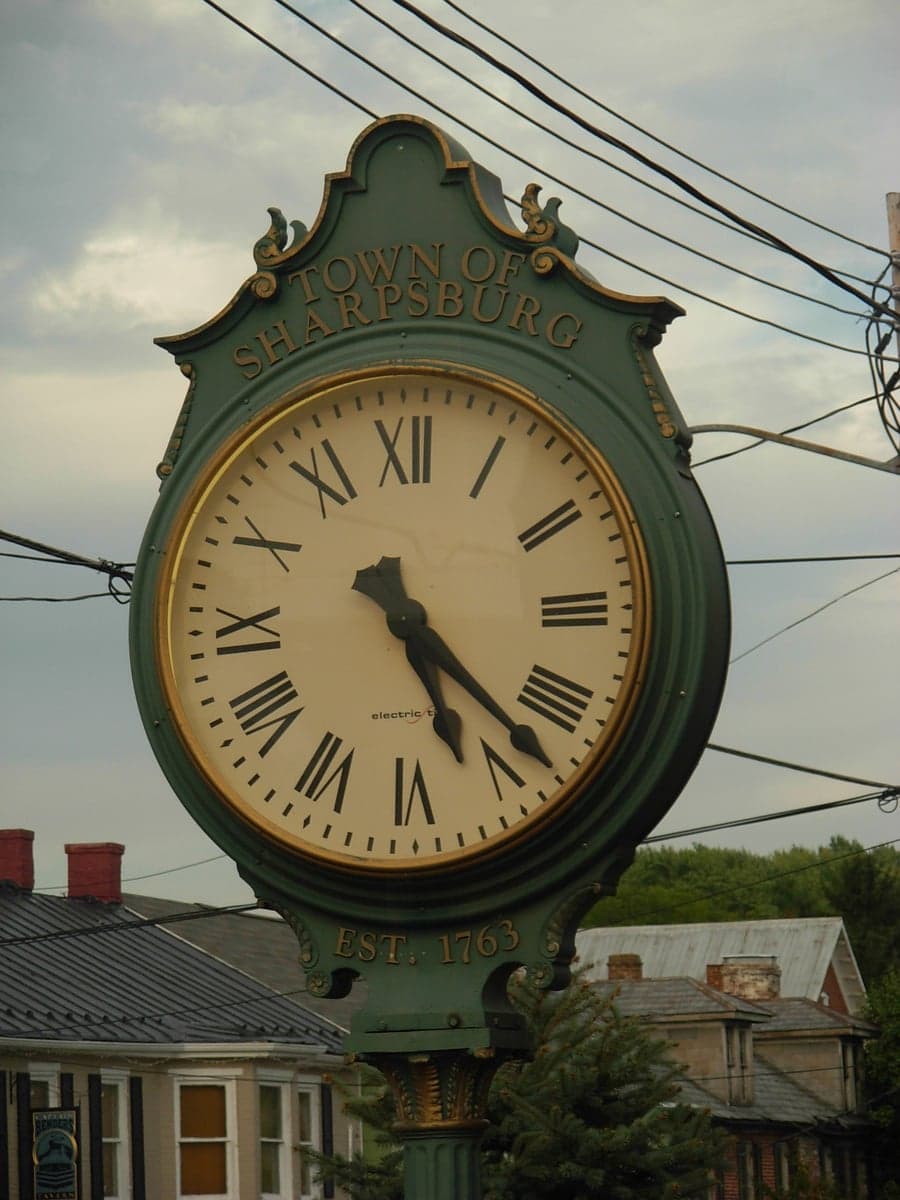
Photo: Wikipedia
Quality of Life in Sharpsburg, MD
A high quality of life with strong walkability, manageable living costs, healthy neighborhood signals, and solid amenity access.
What does Quality of Life tell us?
Quality of Life blends cost of living, nearby amenities, socioeconomic signals, and neighborhood character. City-level scores represent the whole municipality; individual neighborhoods can differ.
What does this tell us?
Quality of Life blends cost of living, nearby amenities, socioeconomic signals, and neighborhood character. City-level scores represent the whole municipality; individual neighborhoods can differ.
Cost of Living
23% below national average
The Real Cost of Living in Sharpsburg, MD for 2026
| Tier | Individual | Family (4) |
|---|---|---|
| Survival | $14k | $26k |
| Comfortable | $45k | $66k |
| Luxury | $103k+ | $160k+ |
| Elite (Top 5%) | $121k+ | $188k+ |
107%
The Area Signal
A metric tracking the socioeconomic signals of the area.
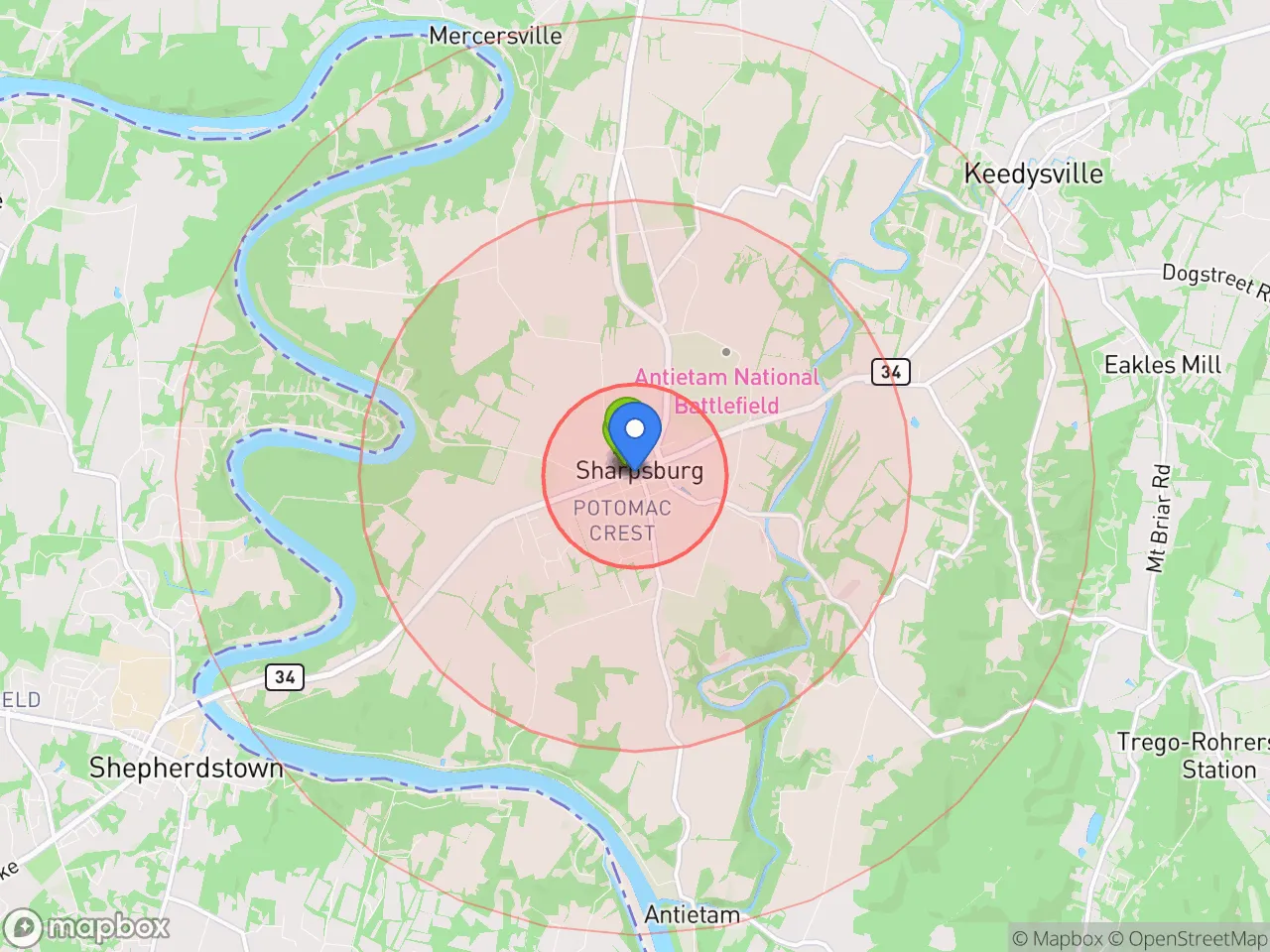
Hobbies
Explore the areaGroceries
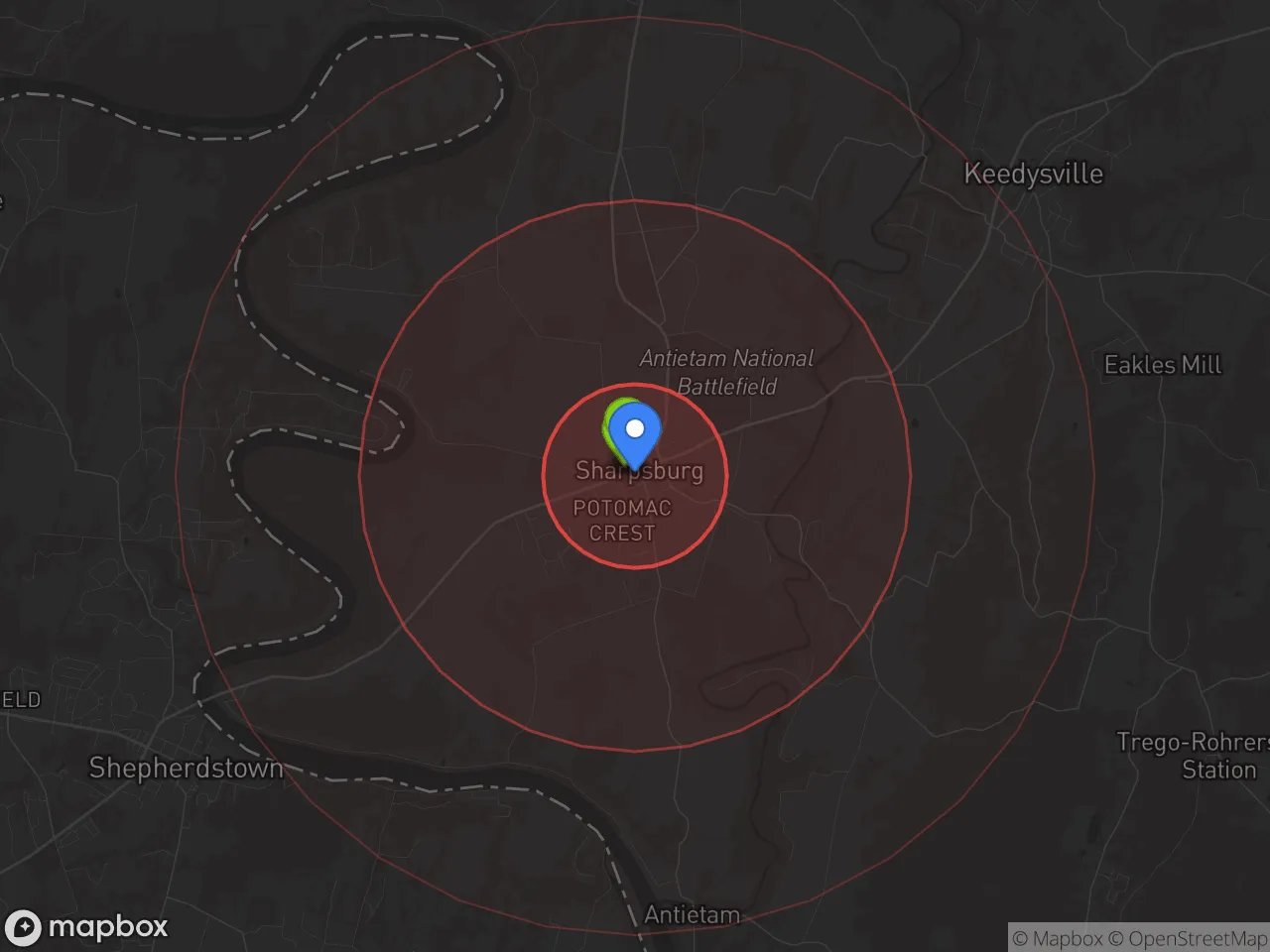
0 within 10 miles
Gas
0 within 10 miles
Hospital
0 within 20 miles
Airport
IAD — Washington Dulles International
Post Office
Critical Amenities
Quality-of-Life Analysis
Sharpsburg, Maryland, presents a distinctive quality-of-life profile defined by its deep historical roots, notably the Antietam National Battlefield, and a cost of living significantly below national averages. With a cost-of-living index of 77 (where 100 equals the U.S. average), the town attracts a mix of history enthusiasts, commuters seeking affordability, and families drawn to its quiet, rural character. The population skews older and more settled, with a median age around 45, reflecting a community that values stability, heritage, and proximity to the natural landscape of the Potomac River and the C&O Canal.
Cost of living, housing affordability, and how it compares to Hagerstown and Frederick
Sharpsburg’s cost of living is a primary draw, sitting well below both the Maryland state average and nearby urban centers. The median home value of $231,400 is roughly 40% lower than the national median and dramatically less than the Washington, D.C., metro area, where comparable homes often exceed $500,000. Median rent is just $850, making it one of the most affordable rental markets in Washington County. For context, a similar rental in Hagerstown (15 miles north) averages $1,100, while in Frederick (25 miles east) it exceeds $1,500. However, this affordability comes with trade-offs: the average commute time of 41 minutes is among the longest in the state, as many residents drive to jobs in Hagerstown, Frederick, or even the D.C. suburbs. Property taxes remain moderate, with Washington County’s rate of roughly 1.05% of assessed value, keeping monthly housing costs low for homeowners.
Schools, daily amenities, and the rhythm of small-town life
Daily life in Sharpsburg revolves around a small core of local businesses, including the historic Sharpsburg Market and a handful of restaurants, but most errands require a drive to Hagerstown or Shepherdstown, West Virginia (just across the Potomac). The town is served by Washington County Public Schools, with Sharpsburg Elementary feeding into Boonsboro Middle and High Schools, which consistently rank above state averages in test scores and graduation rates (Boonsboro High’s graduation rate is approximately 95%). For families, the Antietam National Battlefield serves as a vast, free outdoor classroom and recreation area, with over 40 miles of walking and biking trails. The C&O Canal towpath, accessible from the nearby town of Williamsport, offers additional hiking and cycling. Healthcare access is limited locally; the nearest hospital is Meritus Medical Center in Hagerstown, about a 20-minute drive. The town’s rhythm is slow and seasonal, with the annual Memorial Day Illumination and September Battle Anniversary drawing visitors, but otherwise remaining quiet outside of school and church activities.
Sharpsburg is best suited for those who prioritize affordability, historical immersion, and a rural pace over urban convenience and short commutes. Retirees and remote workers with flexible schedules will find the low housing costs and tranquil environment appealing, while families willing to accept the long drive to work or school will benefit from strong local schools and safe, walkable streets. Professionals tied to the D.C. or Baltimore job markets should carefully weigh the 80-minute one-way commute against the financial savings. For anyone seeking a low-cost, historically rich anchor in the Potomac Valley, Sharpsburg offers a compelling, if trade-off-laden, quality of life.

Crime in Sharpsburg, MD
Higher crime rates than 58% of comparable U.S. locations.
Violent CrimeViolent Crime Analysis
Property CrimeProperty Crime Analysis
Crime Analysis
Sharpsburg, Maryland, presents a mixed safety profile that demands careful consideration from potential residents. The town’s violent crime rate of 365.5 incidents per 100,000 people is notably higher than the national average, while its property crime rate of 1,854.1 per 100,000 sits below the U.S. median but above many rural Maryland benchmarks. These figures, combined with Sharpsburg’s location within the Washington, D.C. metropolitan orbit, mean that local policing and prosecutorial philosophies directly shape day-to-day security.
Crime in context
To understand Sharpsburg’s numbers, they must be compared against broader trends. The national violent crime rate in 2024 was approximately 380 per 100,000, placing Sharpsburg slightly below that mark. However, Maryland’s statewide violent crime rate has historically been higher than the national average, driven by urban centers like Baltimore and Prince George’s County. Sharpsburg’s property crime rate is about 20% lower than the national average, but residents should note that property crime in Washington County has ticked upward since 2021. A critical factor for readers is that Sharpsburg falls under the jurisdiction of Washington County’s court system, which has seen progressive district attorneys and judges in recent years. This ideological leaning—prioritizing rehabilitation and diversion over incarceration—can result in shorter sentences and more offenders released on pretrial supervision, a pattern that directly increases the likelihood of repeat property crimes and, in some cases, violent encounters.
What residents experience
Daily life in Sharpsburg is shaped by its small-town character—population under 700—where most crime is not random but tied to known individuals or domestic situations. Violent incidents, though rare in absolute terms, often involve assaults and domestic disputes that are underreported in tight-knit communities. Property crime, including theft from vehicles and burglaries of unoccupied homes, is the more common concern, especially along the Potomac River corridor where transient traffic from the Antietam National Battlefield and the C&O Canal increases opportunity. Residents consistently report that progressive prosecutorial policies in Hagerstown’s courthouse have led to a perception that offenders face minimal consequences for non-violent theft, eroding trust in the justice system. For families and retirees, this means that personal security measures—such as home security systems and neighborhood watch participation—are not optional but essential.
Neighborhood-level variation
Safety in Sharpsburg is not uniform. The historic core along Main Street and around the battlefield sees higher foot traffic and more visible police presence, which deters opportunistic crime. In contrast, outlying residential streets and rural subdivisions near the Potomac experience higher rates of vehicle break-ins and trespassing, particularly during tourist season. Properties closer to Shepherdstown, West Virginia, benefit from cross-state policing coordination, but the lack of a dedicated Sharpsburg police force—the town relies on the Washington County Sheriff’s Office—means response times can exceed 15 minutes in remote areas. Prospective buyers should prioritize homes with good sightlines, outdoor lighting, and proximity to a neighbor’s occupied residence, as isolated properties are disproportionately targeted by criminals aware of the lenient local justice environment.
* Values derived from national, state, county, city and local statistics and may differ in a specific area. Last updated: 2026-11-20T12:52:13.000Z
Narrative content on this page is AI-generated and may contain mistakes. Verify any details that matter before acting on them.
ReloMaps may earn a commission from affiliate links at no extra cost to you.

