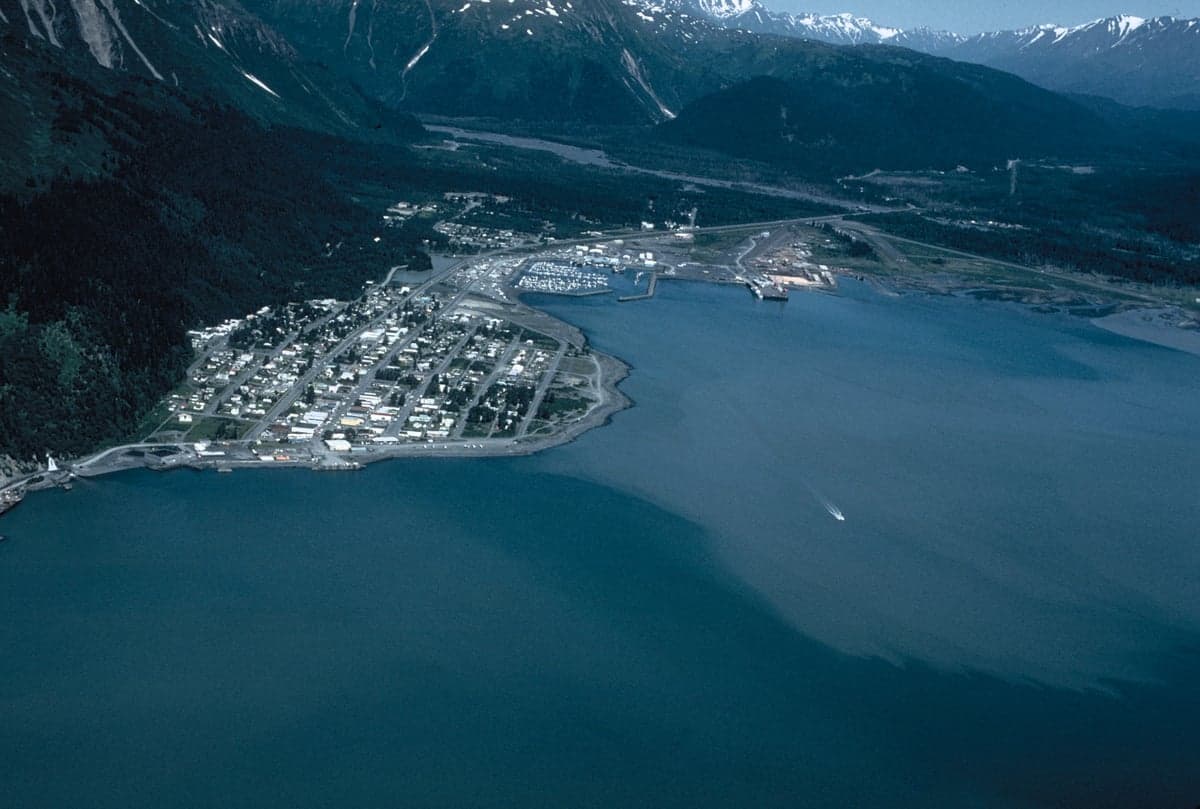
Photo: Wikipedia
Quality of Life in Seward, AK
A high quality of life with strong walkability, manageable living costs, healthy neighborhood signals, and solid amenity access.
What does Quality of Life tell us?
Quality of Life blends cost of living, nearby amenities, socioeconomic signals, and neighborhood character. City-level scores represent the whole municipality; individual neighborhoods can differ.
What does this tell us?
Quality of Life blends cost of living, nearby amenities, socioeconomic signals, and neighborhood character. City-level scores represent the whole municipality; individual neighborhoods can differ.
Cost of Living
2% below national average
The Real Cost of Living in Seward, AK for 2026
| Tier | Individual | Family (4) |
|---|---|---|
| Survival | $18k | $33k |
| Comfortable | $56k | $83k |
| Luxury | $103k+ | $160k+ |
| Elite (Top 5%) | $121k+ | $188k+ |
86%
The Area Signal
A metric tracking the socioeconomic signals of the area.


Hobbies
Explore the areaGroceries
3 within 10 miles
Gas
0 within 10 miles
Hospital
2 within 20 miles
Airport
Providence Seward Medical Center Heliport
Post Office
USPS — Seward, AK
Critical Amenities
Quality-of-Life Analysis
Seward, Alaska, presents a distinctive quality-of-life profile where a cost of living slightly below the national average meets the premium lifestyle of a remote coastal town. With a cost-of-living index of 98 (100 = U.S. average), Seward is more affordable than Anchorage or Juneau, attracting a mix of outdoor professionals, seasonal tourism workers, and retirees seeking a quieter, nature-focused existence. The town’s population of roughly 2,800 swells in summer, but year-round residents tend to value self-reliance, community ties, and proximity to Kenai Fjords National Park over urban conveniences.
Cost of living, housing affordability, and how Seward compares to nearby towns
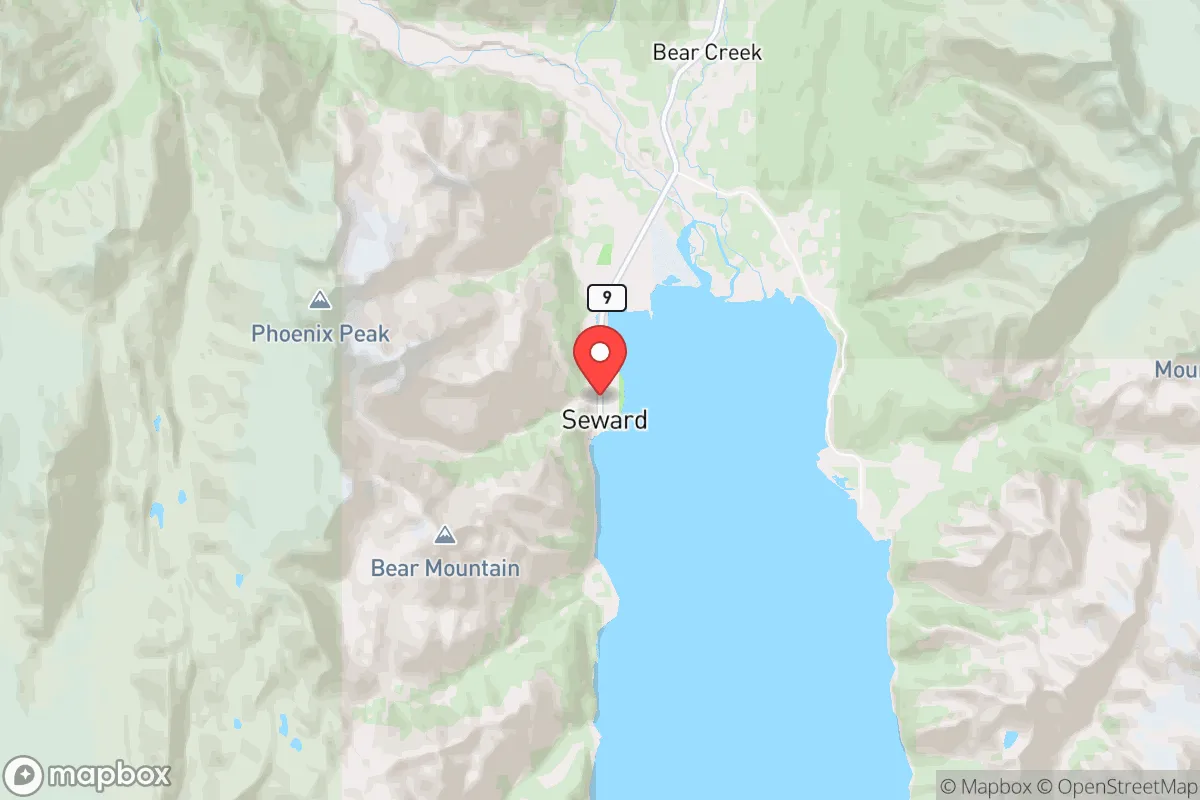
Seward’s housing market is notably more accessible than many Alaskan communities, with a median home value of $290,300 and median rent of $1,109—well below Anchorage’s median home value of roughly $370,000 and rent of $1,400. The average commute of 19.5 minutes is short by national standards, reflecting the town’s compact layout and limited road network (the Seward Highway is the only land route to Anchorage, 127 miles north). However, affordability comes with trade-offs: housing inventory is tight, and many homes are older or seasonal cabins. Utility costs are high due to reliance on diesel-generated electricity and heating oil, and groceries are pricier than the Lower 48 because of shipping logistics. For comparison, nearby Homer (150 miles southwest) has a similar COL index of 97 but higher median home values near $340,000, making Seward a relative bargain for coastal Alaska.
Local amenities, schools, and what daily life is like for families
Daily life in Seward revolves around the harbor, the Resurrection River, and the surrounding mountains. The Seward School District serves K–12 with about 500 students; the high school has a strong vocational program tied to maritime trades. For healthcare, Providence Seward Medical Center offers emergency and primary care, but specialists require a 2.5-hour drive to Anchorage. Grocery shopping is limited to Safeway and a local co-op, while dining options include fresh seafood at spots like The Cookery and Ray’s Waterfront. The town’s rhythm is dictated by the tourist season (May–September), when cruise ships and fishing charters dominate, and the quiet winter months, when residents ski at the nearby Mount Marathon or ice-fish on Resurrection Bay. Families appreciate the low crime rate (violent crime is about half the national average) and the abundance of outdoor recreation—hiking, kayaking, and wildlife viewing—but must contend with limited retail, long winters (average January high of 27°F), and a lack of after-school activities beyond sports and 4-H.
Seward is best suited for people who prioritize natural beauty, community intimacy, and a slower pace over career diversity and urban amenities. It works well for remote workers, fishermen, tourism operators, and retirees who can handle the isolation and seasonal extremes. Families with young children may find the small school and tight-knit environment appealing, but teens often seek more social and educational opportunities elsewhere. For those who thrive on self-sufficiency, outdoor adventure, and a strong sense of place, Seward offers a quality of life that few other U.S. towns can match—at a cost that remains surprisingly manageable for coastal Alaska.

Crime in Seward, AK
Lower crime rates than 83% of comparable U.S. locations.
Violent CrimeViolent Crime Analysis
Property CrimeProperty Crime Analysis
Crime Analysis
Seward, Alaska, presents a mixed safety profile that is notably safer than national averages for violent crime but faces property crime rates that exceed both state and national benchmarks. With a violent crime rate of 205.4 per 100,000 residents, Seward is significantly below the U.S. average, offering a relatively secure environment for residents and visitors. However, the property crime rate of 924.3 per 100,000 is a clear concern, driven largely by theft and vehicle break-ins, particularly in areas frequented by tourists and along the waterfront.
Crime in context
Seward’s violent crime rate of 205.4 per 100,000 is roughly half the national average, placing it in a safer tier than many comparably sized towns in Alaska. The state as a whole has a higher violent crime rate (around 800 per 100,000), so Seward stands out as a relative outlier for safety in this category. Property crime, however, tells a different story. At 924.3 per 100,000, Seward’s rate is about 30% higher than the national average and slightly above Alaska’s statewide property crime rate. This disparity is typical of small towns that serve as seasonal tourism hubs, where transient populations and unlocked vehicles create easy targets. The Seward Police Department actively patrols the downtown corridor and harbor area, but the sheer volume of summer visitors strains resources.
What residents experience
For those living in Seward year-round, daily life is generally safe, but property crime is a persistent nuisance. Vehicle break-ins and theft from unsecured sheds or boats are the most common complaints, especially during the summer months when the population swells with cruise ship passengers and fishermen. Violent incidents are rare and typically involve individuals known to one another, rather than random attacks on the public. The local justice system, like much of Alaska, operates under a framework that can be perceived as lenient toward property offenders, with some residents expressing frustration that repeat offenders face minimal consequences. This dynamic, common in areas with progressive prosecutorial philosophies, can lead to a sense that the system prioritizes offender rehabilitation over public protection, potentially emboldening property crime.
Neighborhood-level variation is modest but worth noting. The downtown core and the small-boat harbor see the highest concentration of property crimes, while residential areas like the subdivisions along the Seward Highway corridor and the Lowell Point road experience fewer incidents. The outlying neighborhoods, such as those near Exit Glacier or along the Resurrection River, are generally very quiet, with crime largely limited to occasional theft from vehicles left at trailheads. Overall, Seward is a safe community for families and individuals who take basic precautions—locking vehicles, securing outdoor gear, and being mindful of seasonal crime spikes. The city’s small size and tight-knit character mean that most residents know their neighbors, which acts as a natural deterrent against more serious crime.
* Values derived from national, state, county, city and local statistics and may differ in a specific area. Last updated: 2026-04-19T19:36:05.000Z
Narrative content on this page is AI-generated and may contain mistakes. Verify any details that matter before acting on them.
ReloMaps may earn a commission from affiliate links at no extra cost to you.

