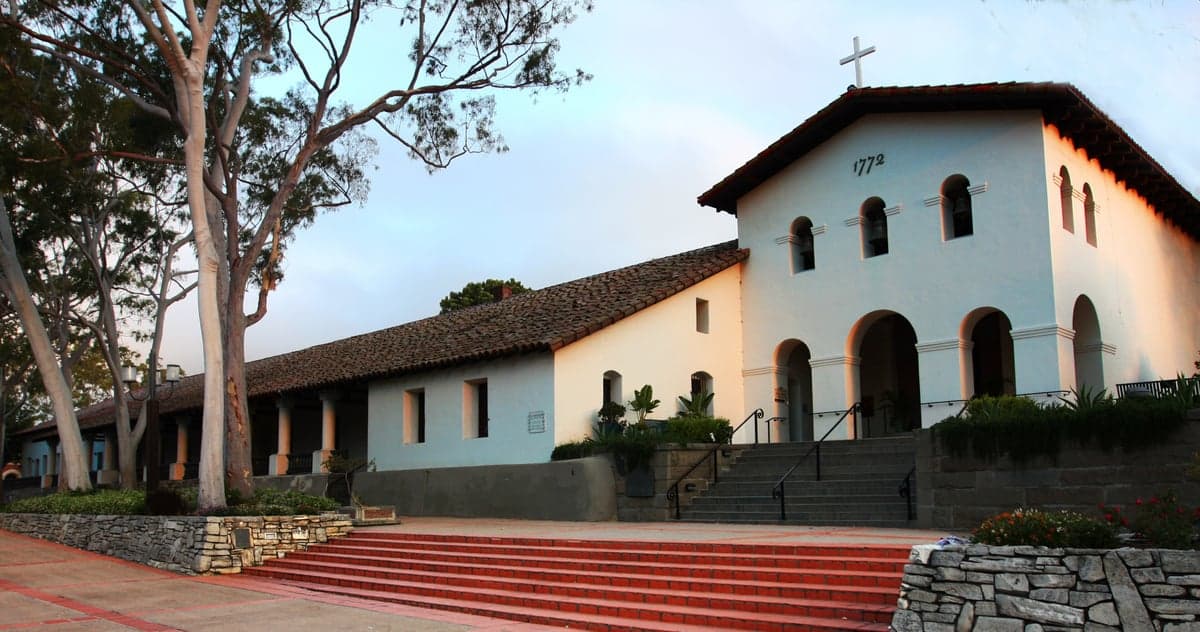
Photo: Wikipedia
Quality of Life in San Luis Obispo, CA
Above-average quality of iife. The area offers a reasonable cost of living, decent mobility, and a mix of neighborhood amenities.
What does Quality of Life tell us?
Quality of Life blends cost of living, nearby amenities, socioeconomic signals, and neighborhood character. City-level scores represent the whole municipality; individual neighborhoods can differ.
What does this tell us?
Quality of Life blends cost of living, nearby amenities, socioeconomic signals, and neighborhood character. City-level scores represent the whole municipality; individual neighborhoods can differ.
Cost of Living
126% above national average
The Real Cost of Living in San Luis Obispo, CA for 2026
| Tier | Individual | Family (4) |
|---|---|---|
| Survival | $30k | $57k |
| Comfortable | $114k | $167k |
| Luxury | $121k+ | $187k+ |
| Elite (Top 5%) | $196k+ | $304k+ |
40%
The Area Signal
A metric tracking the socioeconomic signals of the area.
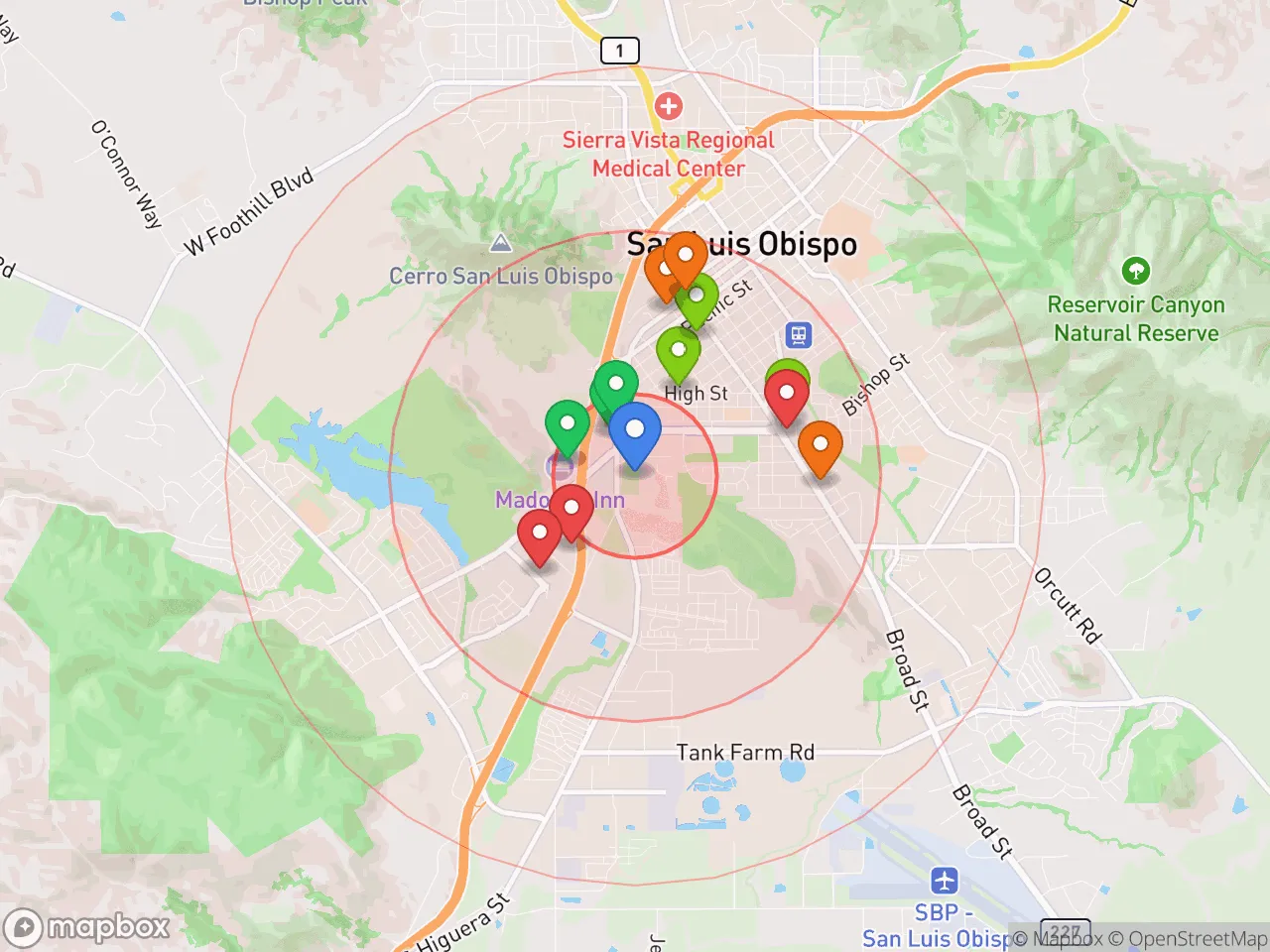
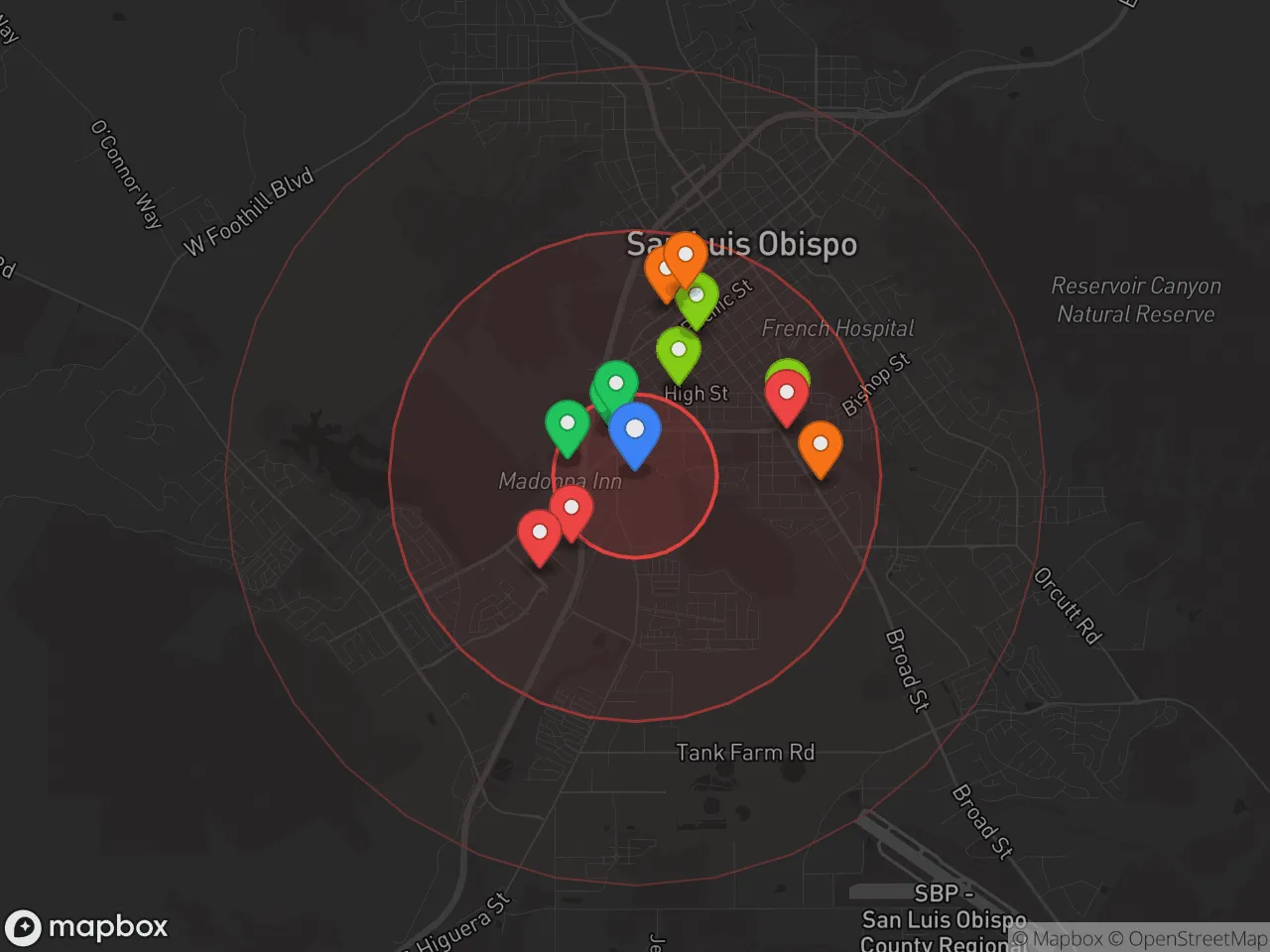
Hobbies
Explore the areaGroceries
9 within 10 miles
Gas
20 within 10 miles
Hospital
4 within 20 miles
Airport
SAN — San Luis Obispo County Regional
Post Office
USPS — San Luis Obispo, CA
Critical Amenities
Quality-of-Life Analysis
San Luis Obispo is an affluent, highly educated college town where the median household income of $82,000 supports a quality of life defined by outdoor access, a walkable downtown, and a famously mild Mediterranean climate. The city’s population of roughly 47,000 is a mix of Cal Poly students, faculty, tech and healthcare professionals, and retirees drawn to the Central Coast’s slow pace and natural beauty. With a cost-of-living index of 226—more than double the national average—SLO attracts those who prioritize lifestyle over low expenses, and its residents consistently rank among the happiest in California for community well-being.
Cost of living, housing affordability, and how SLO compares to nearby cities
San Luis Obispo’s cost of living is the highest on the Central Coast outside of Santa Barbara, driven almost entirely by housing. The median home value of $896,500 is roughly 3.5 times the national median, while the median rent of $1,906 is significantly higher than in Paso Robles ($1,650) or Atascadero ($1,720). For renters, the rule of thumb is that a household needs an annual income of at least $76,000 to afford the typical apartment without being cost-burdened. Compared to Santa Barbara (median home $1.4M) or Monterey ($1.1M), SLO is relatively more attainable, but it remains out of reach for many service workers and recent graduates. The average commute of 15.6 minutes is one of the shortest in California—a direct result of the city’s compact layout and the fact that most jobs are within a 5-mile radius of downtown. This short commute is a major quality-of-life advantage, saving residents roughly 200 hours per year compared to the state average.
What daily life is like: amenities, schools, and the local rhythm
Daily life in San Luis Obispo revolves around the downtown corridor along Higuera Street, where farmers’ markets, independent bookstores, and farm-to-table restaurants create a pedestrian-friendly core. The city’s Thursday Night Market draws thousands weekly from April through October, closing several blocks to cars for a street fair with local produce, crafts, and live music. For families, the San Luis Coastal Unified School District is highly rated, with SLO High School and Pacific Beach High School both earning GreatSchools scores above 8. Cal Poly SLO, a top-tier public university, anchors the local economy and culture, providing public lectures, Division I athletics, and a steady stream of young professionals who often stay after graduation. Outdoor amenities are exceptional: the 3.5-mile Bob Jones Trail connects the city to Avila Beach, while Bishop Peak and Madonna Mountain offer hiking trails within a 10-minute drive of downtown. The city’s open-space program has preserved over 3,000 acres of hillsides and creeks, ensuring that development doesn’t overwhelm the natural landscape. The rhythm is slower than in Los Angeles or San Francisco—restaurants close by 9 p.m. on weeknights, and the biggest local controversy is often about parking or chain-store restrictions.
San Luis Obispo is best suited for professionals, academics, and retirees who can afford the housing premium and value a tight-knit, environmentally conscious community with immediate access to coast and mountains. Families with school-age children will find strong public schools and low crime rates, but should budget carefully for housing. Remote workers earning coastal salaries will find the cost manageable, while those in retail or hospitality may struggle unless they commute from more affordable neighboring towns like Grover Beach or Arroyo Grande. The city’s biggest trade-off is clear: you pay a premium for a small-town feel, short commutes, and year-round sunshine, but you gain a quality of life that consistently ranks among the top 10% nationally in well-being surveys.

Crime in San Luis Obispo, CA
Generally safer than 62% of comparable U.S. locations.
Violent CrimeViolent Crime Analysis
Property CrimeProperty Crime Analysis
Crime Analysis
San Luis Obispo reports a violent crime rate of 347.3 incidents per 100,000 residents and a property crime rate of 2,054.2 per 100,000, placing it above national averages for both categories. While the city benefits from a relatively low population density and a strong university presence from Cal Poly, these statistics indicate that residents face a tangible risk of crime that warrants careful consideration. The local justice system’s progressive leanings, including elected district attorneys and judges who prioritize rehabilitation over incarceration, contribute to a revolving-door environment that can undermine public safety and victim rights.
Crime in context
San Luis Obispo’s violent crime rate of 347.3 per 100,000 is roughly 50% higher than the national average of around 230 per 100,000, while its property crime rate of 2,054.2 per 100,000 exceeds the U.S. average of approximately 1,950 per 100,000. Compared to other California cities of similar size, SLO’s property crime rate is elevated, driven largely by theft and vehicle break-ins. The presence of a progressive district attorney’s office in San Luis Obispo County, which has implemented policies such as reduced bail requirements and diversion programs for repeat offenders, means that many property crimes result in minimal jail time. This approach, while intended to reduce incarceration, directly correlates with higher recidivism and more criminals on the street, a pattern observed in other liberal-leaning jurisdictions across the state.
What residents experience
Daily life in San Luis Obispo involves a heightened awareness of property crime, particularly in downtown areas, near the Cal Poly campus, and in commercial corridors like Higuera Street. Residents report frequent incidents of package theft, bicycle theft, and smash-and-grab vehicle break-ins, even in well-trafficked areas. Violent crime, while less common, includes aggravated assault and occasional robberies, often concentrated near bars and late-night establishments. The local police department has limited resources to address the volume of property crime, and the progressive judicial philosophy means that even when arrests are made, offenders are often released quickly on reduced bail or diverted to treatment programs, leaving victims without a sense of justice. This pattern erodes community trust and encourages a cycle of crime that disproportionately impacts law-abiding residents and small business owners.
Neighborhood-level variation exists, with areas like the French Park and Santa Rosa neighborhoods experiencing lower crime rates due to higher home values and stronger neighborhood watch presence. In contrast, the downtown core, the Cal Poly student housing zone, and the southern edge near Highway 101 see elevated crime. Prospective residents should research specific blocks and consider that the city’s overall progressive governance means that even in safer neighborhoods, the broader justice system’s leniency can allow crime to spill over from adjacent areas. For those prioritizing safety, the data suggests that San Luis Obispo’s crime challenges are not isolated incidents but a systemic outcome of local policy choices.
* Values derived from national, state, county, city and local statistics and may differ in a specific area. Last updated: 2026-08-03T15:48:31.000Z
Narrative content on this page is AI-generated and may contain mistakes. Verify any details that matter before acting on them.
ReloMaps may earn a commission from affiliate links at no extra cost to you.

