 Popular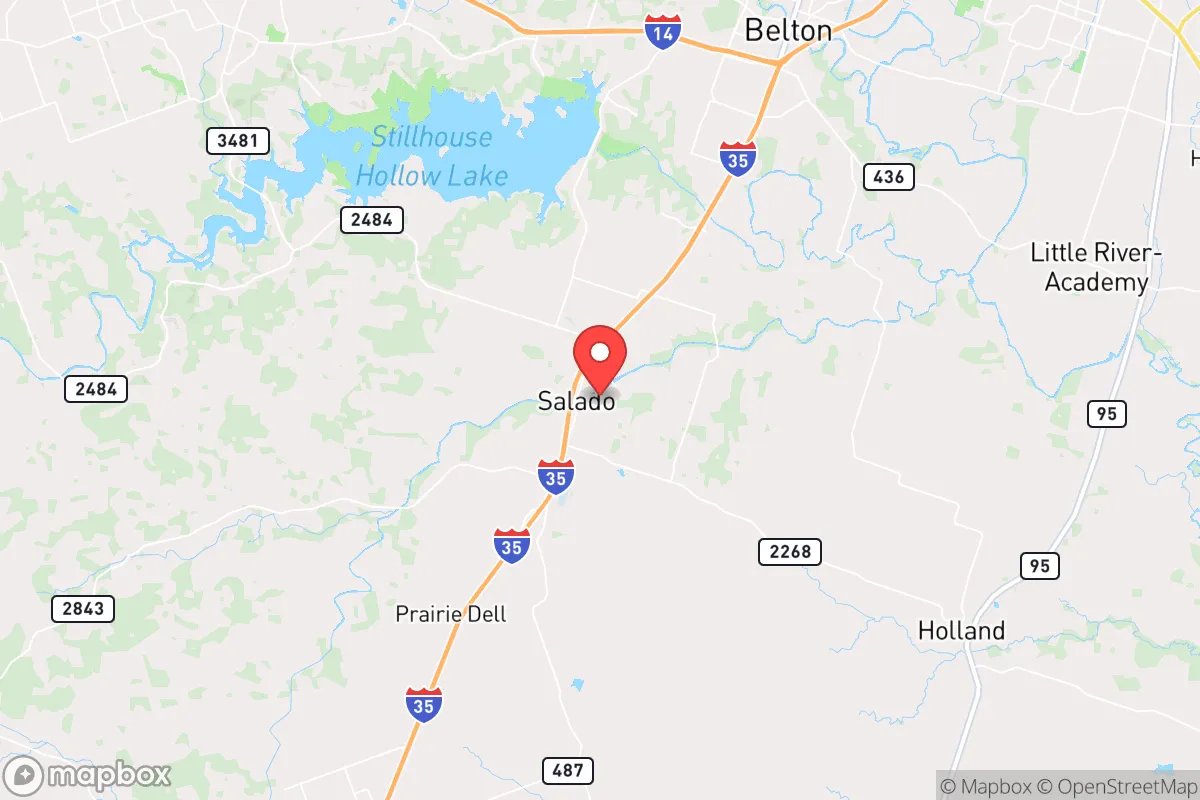
Find The Best Places To Live
in Salado
PRO TIP! You can paste a Zillow or Redfin link to get info on that property.
What It's Like Living in Salado, TX
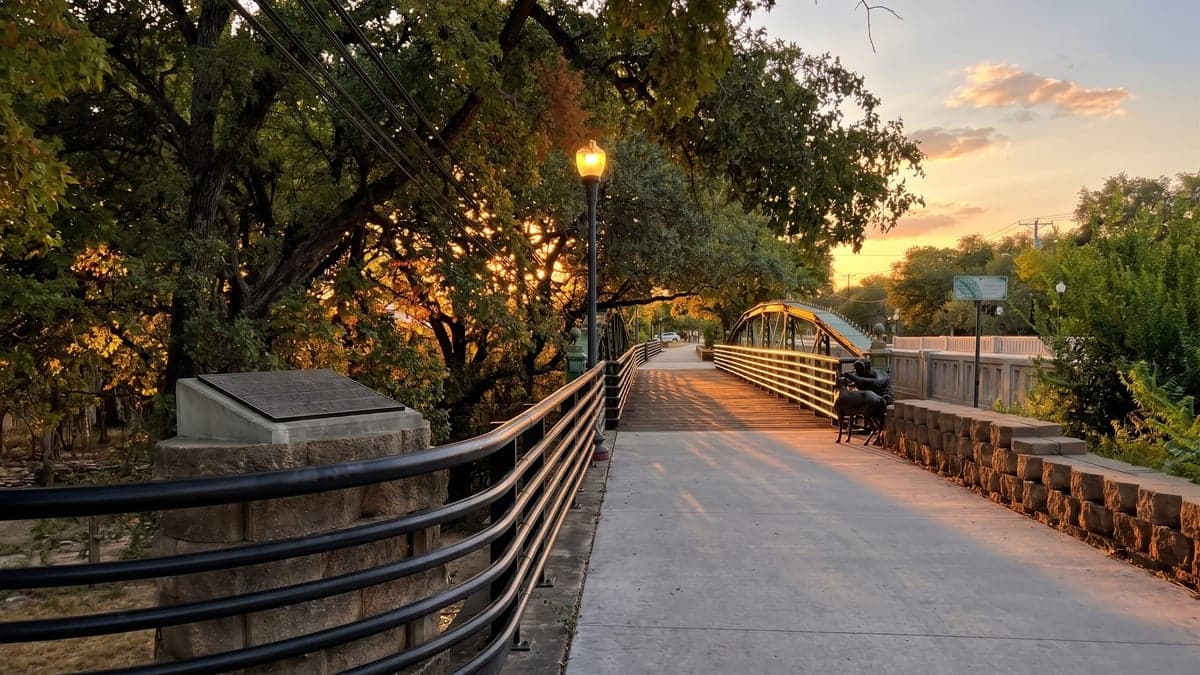
Salado, Texas, feels less like a typical small town and more like a carefully preserved slice of Central Texas charm that happens to have a thriving modern life tucked inside it. With just over 2,200 residents, it’s the kind of place where the historic downtown is still the social hub, where you’re as likely to run into a retired professor as a young family, and where the biggest decision of the week might be whether to catch live music at a local wine bar or hike the trails along Salado Creek. It’s quiet, well-kept, and unapologetically adult-oriented, which makes it a natural fit for professionals, empty-nesters, and families who value schools and safety over nightlife.
The Daily Rhythm: Slow Mornings, Active Afternoons
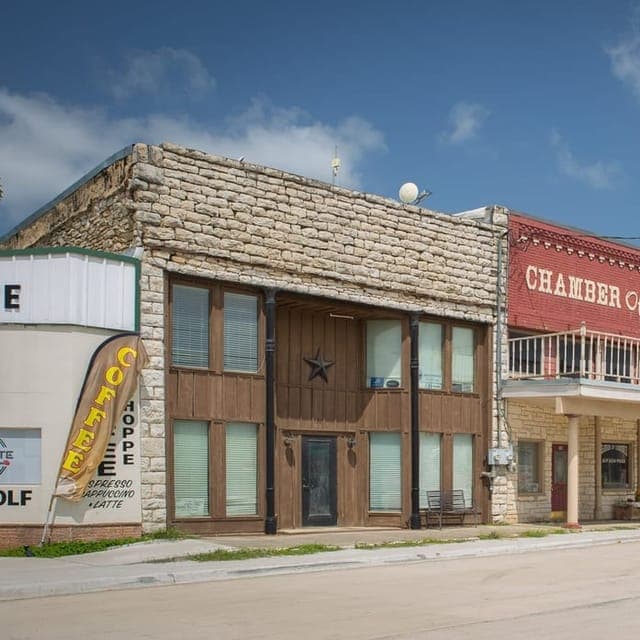
Life in Salado moves at a deliberate pace. Mornings often start with coffee at The Vault Coffee & Crepes or a pastry from the local bakery, followed by a walk through the historic district where 19th-century limestone buildings house art galleries and boutique shops. The median age here is 48.3, and that shows in the daily routines—weekday traffic is minimal, and the average commute of about 24 minutes means most residents work in Temple, Belton, or even Austin (a 45-minute drive south) but return to a quiet, tree-lined neighborhood. Afternoons are often spent on the Salado Creek Greenway, a network of trails that wind past the old mill and under the iconic Stagecoach Inn, or at one of the town’s several parks. The local H-E-B in nearby Belton handles the bulk of grocery shopping, but for daily needs, the small Salado Market fills the gap. Weekends bring a steady trickle of visitors from Austin and Waco, drawn by the antique shops and the Salado Wine Seller, but the town never feels crowded.
Who Fits In: Affluent, Educated, and Looking for Quiet
Salado isn’t a place for someone seeking a bustling social scene or a cheap cost of living. With a median household income of $103,500 and a median home value of $395,400, it’s an affluent enclave where 60.5% of adults hold a college degree. The cost of living index sits at 117 (17% above the national average), driven almost entirely by housing. The kind of person who thrives here is someone who values space, safety, and a strong sense of community over proximity to urban amenities. You’ll find a mix of remote tech workers, Baylor University faculty, retired military from Fort Cavazos (formerly Fort Hood), and small business owners who run the local galleries and restaurants. Families are drawn by the Salado Independent School District, which consistently ranks among the top in the state—Friday night football at Salado High School’s Eagle Stadium is a genuine community event, with the stands full of parents and grandparents alike. The school system is the town’s social anchor; if you don’t have kids, you’ll still know the high school football schedule because the whole town shuts down for home games.
What’s There to Do: Festivals, Creek Walks, and a Surprising Wine Scene
Entertainment in Salado is low-key but intentional. The biggest annual event is the Salado Art Fair, held each August, which draws artists and collectors from across the state and turns Main Street into a sprawling outdoor gallery. The Salado Scottish Festival & Highland Games in November is a quirky local tradition that brings in pipe bands and caber tossers, reflecting the town’s Scottish heritage. For regular weekends, the go-to spots are Chupacabra Craft Beer for a pint on the patio, Barrow Brewing Company for live music on Saturday nights, and The Gin at Salado for craft cocktails in a restored historic building. Outdoor enthusiasts spend their time on the Salado Creek, which runs through town and offers kayaking, fishing, and a 2.5-mile hike-and-bike trail that connects to the Salado Sculpture Garden. The violent crime rate is 0 per 100,000 residents, which means people leave their doors unlocked and let their kids bike to the creek unsupervised—a rarity in 2026 Texas.
Pros and Cons of Living Here
The upsides are clear: exceptional schools, virtually no crime, a walkable historic downtown, and a community that actually knows your name. The downsides are equally real for certain lifestyles. Here’s the honest breakdown:
- Pro: Zero violent crime and a property crime rate so low it’s almost an afterthought. Parents let their kids roam freely.
- Con: Limited dining and shopping variety. There are maybe a dozen restaurants, and none open past 9 p.m. You’ll drive 15 minutes to Temple for a chain store or a late meal.
- Pro: Strong sense of identity. The town has preserved its 19th-century character, and residents fiercely protect its small-town feel from overdevelopment.
- Con: Housing is expensive for the area. At $395,400 median, you’re paying a premium for that charm—comparable homes in Belton or Harker Heights are $100,000 less.
- Pro: Excellent schools that are the social and cultural center of the community.
- Con: Not much for singles under 40. The dating scene is essentially nonexistent; most unmarried residents commute to Temple or Austin for social life.
- Pro: Low traffic and easy commutes. I-35 runs right through town, giving quick access to Austin, Waco, and the Hill Country.
- Con: Summer heat is real. July and August regularly hit 100°F, and the creek shrinks to a trickle by August.
Salado works best for people who want a quiet, safe, educated community where the biggest weekly decision is whether to hit the wine bar or the creek trail. It’s not a place for night owls, bargain hunters, or anyone who needs constant stimulation—but for the right person, it feels like a secret that somehow stayed hidden.

Similar small towns to Salado


* Values derived from national, state, county, city and local statistics and may differ in a specific area. Last updated: 2026-07-20T01:51:44.000Z
Narrative content on this page is AI-generated and may contain mistakes. Verify any details that matter before acting on them.
ReloMaps may earn a commission from affiliate links at no extra cost to you.

