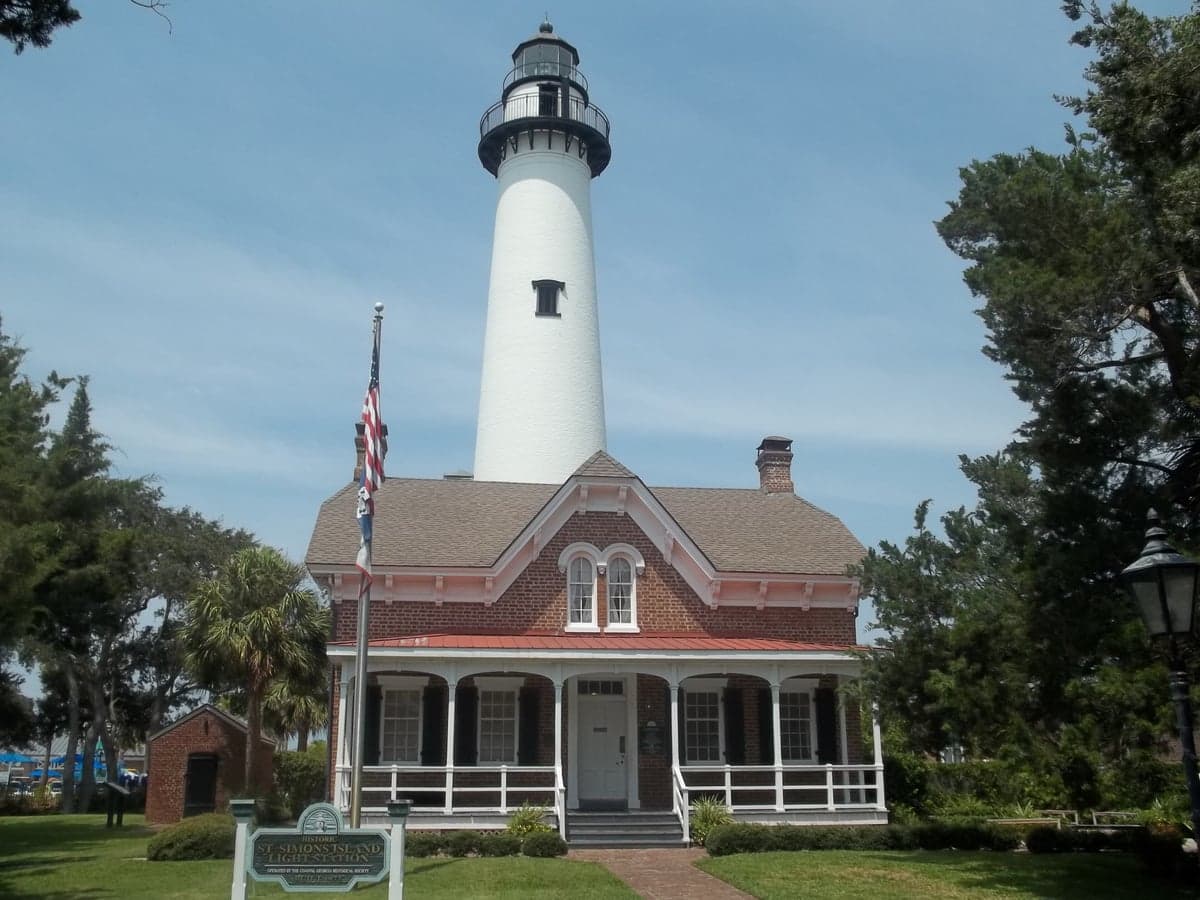
Photo: Wikipedia
Strategic Assessment of Saint Simons Island, GA
Multiple tactical vulnerabilities. Population density, target proximity, or disaster risk are likely compounding. A retreat property and exit planning is required.
What does the Strategic Assessment tell us?
Our Strategic Assessment grades tactical survivability of an area. Major population centers, military targets, fallout zones, natural disasters, and border exposure all drive risk — lower exposure means a more defensible position in a crisis.
This is heavily inspired by Joel Skousen's Strategic Relocation book. Highly recommended you checkout the book ($)What does this tell us?
Our Strategic Assessment grades tactical survivability of an area. Major population centers, military targets, fallout zones, natural disasters, and border exposure all drive risk — lower exposure means a more defensible position in a crisis.
This is heavily inspired by Joel Skousen's Strategic Relocation book. Highly recommended you checkout the book ($)Strategic Pillars

Key Distances
Regional Safe Places
Below is our recommended "safe zones" in Georgia and the surrounding area based on our strategic heuristics. For most people, it's unrealistic to live in a “safe zone” full-time due to work, family or other personal reasons. They tend to be more rural. However, many of these areas are perfect for second homes and retreat properties that double as a vacation home or even a short-term rental.
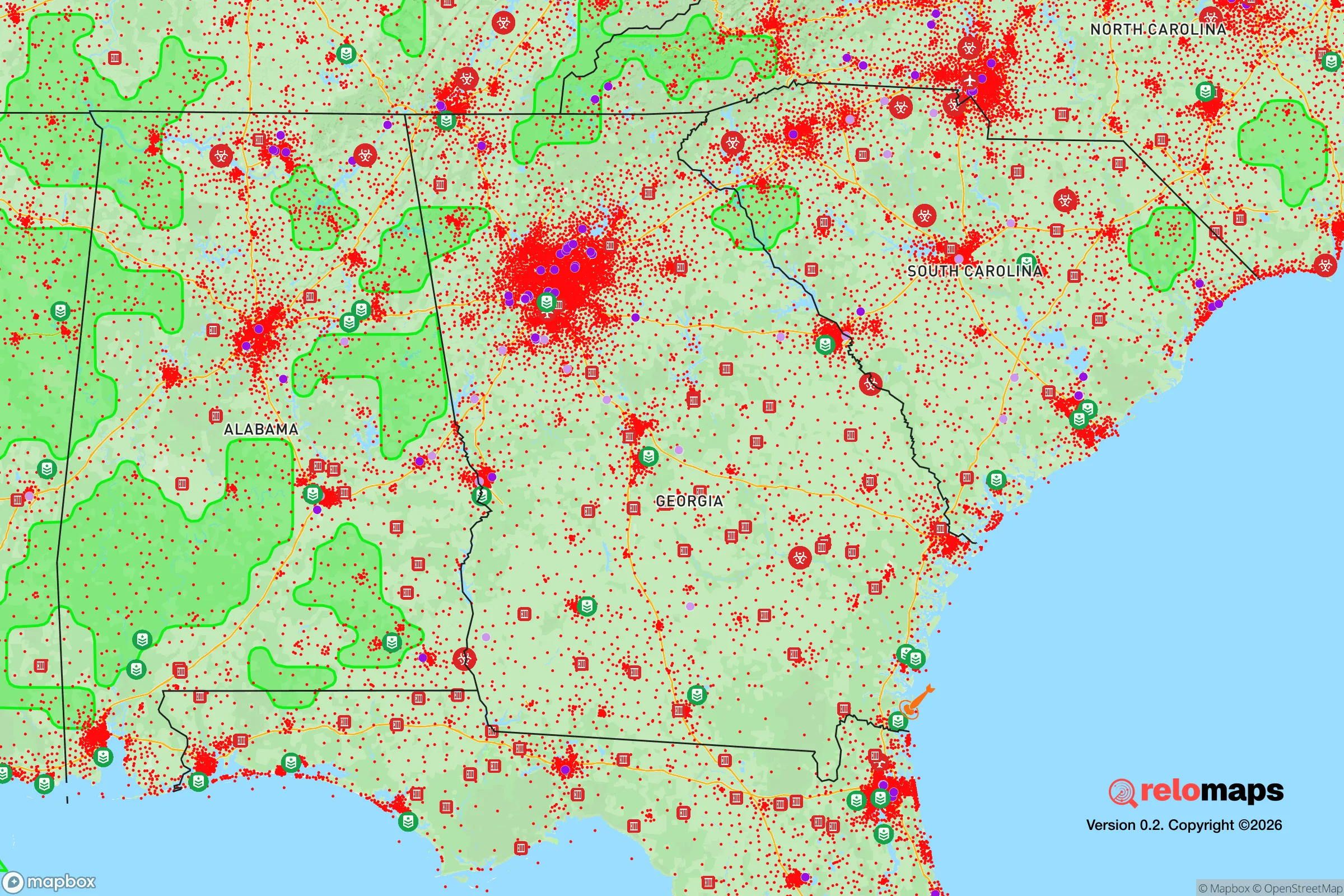
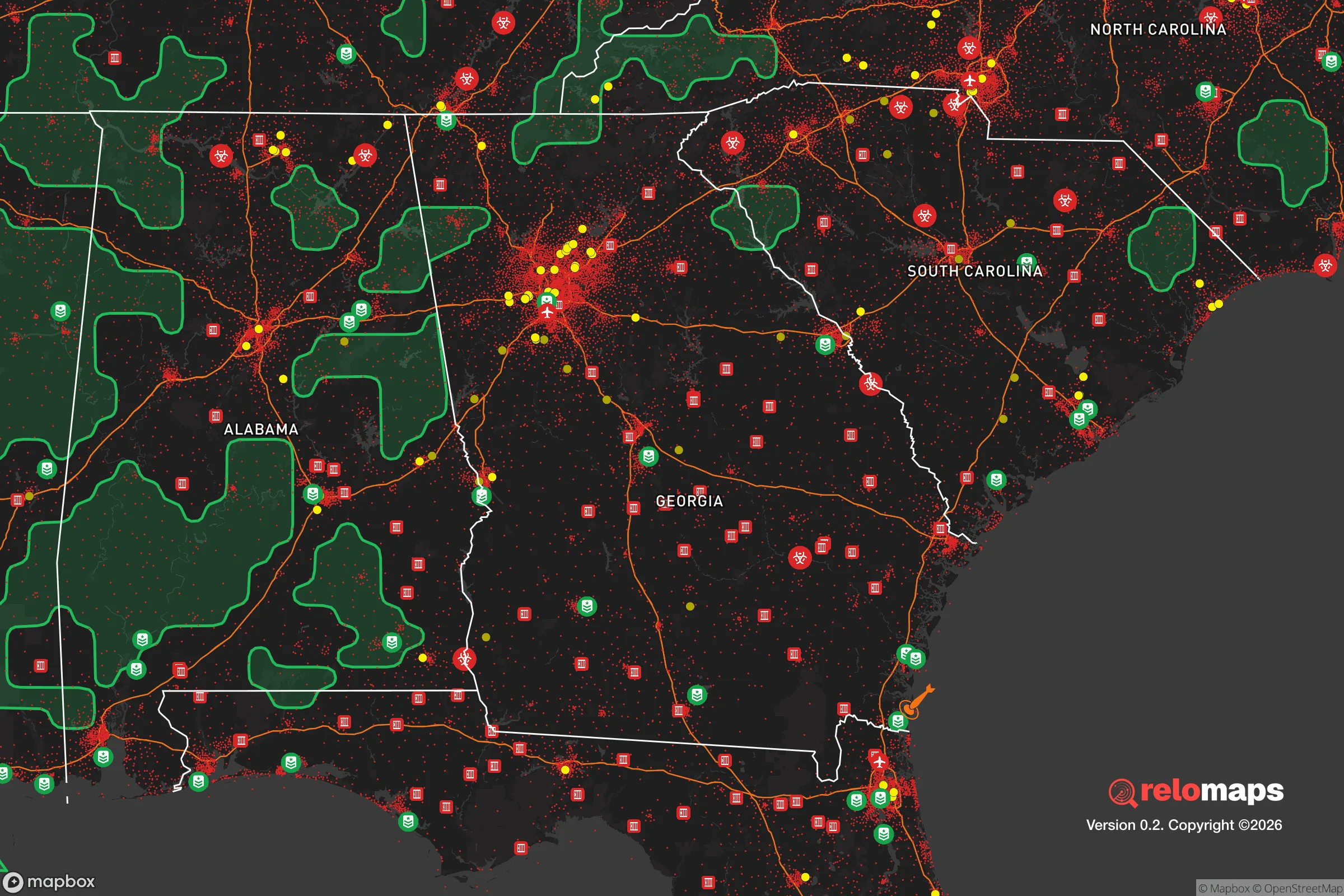


Important Note: For informational purposes only. This does not mean nothing bad ever happens in the green zones. Please use common sense. This is based on public data and modeled with AI. We tried to take a conservative approach but mistakes happen. We update this regularly as new information becomes available.
Solar Generator Recommendations
Backup power matters more here than in safer locations. We've picked three solar generators across budgets and capacity tiers — start with the budget unit if you only need a few essentials, or step up if you want to run a fridge and HVAC for days at a time.

Jackery Portable Power Station Explorer 300
Budget OptionPower on the Go: Weighing only 11 lbs, it's convenient to set up and store with book-sized foldable solar panels

BLUETTI Portable Power Station AC180
Designed for both indoor and outdoor scenarios, AC180 is highly capable as it has a robost capacity and continuous output power.

EF ECOFLOW DELTA Pro Ultra Power Station
Upgraded PickEcoFlow DELTA Pro Ultra is a whole-home energy system designed to grow with your family. Integrated with the Smart Home Panel 2, it scales to meet your evolving energy needs — keeping your home powered, intelligent, and secure through every stage of life.
We earn a commission, at no additional cost to you.
Strategic Assessment Analysis
Saint Simons Island, Georgia, presents a complex strategic picture for the relocation-minded reader focused on resilience and self-sufficiency. Its primary advantage is a semi-remote barrier island location that offers natural separation from mainland population centers, yet it remains within a two-hour drive of Jacksonville, Florida, and Savannah, Georgia, providing access to major medical and supply hubs. However, this same geography introduces significant exposure to hurricane storm surge, a single-point-of-failure bridge dependency, and proximity to the Kings Bay Naval Submarine Base, a high-value strategic target. For the conservative-leaning individual or family weighing disaster readiness, Saint Simons offers a compelling mix of natural defensibility and critical vulnerabilities that demand careful, sober assessment.
Geographic position and natural advantages for self-sufficiency
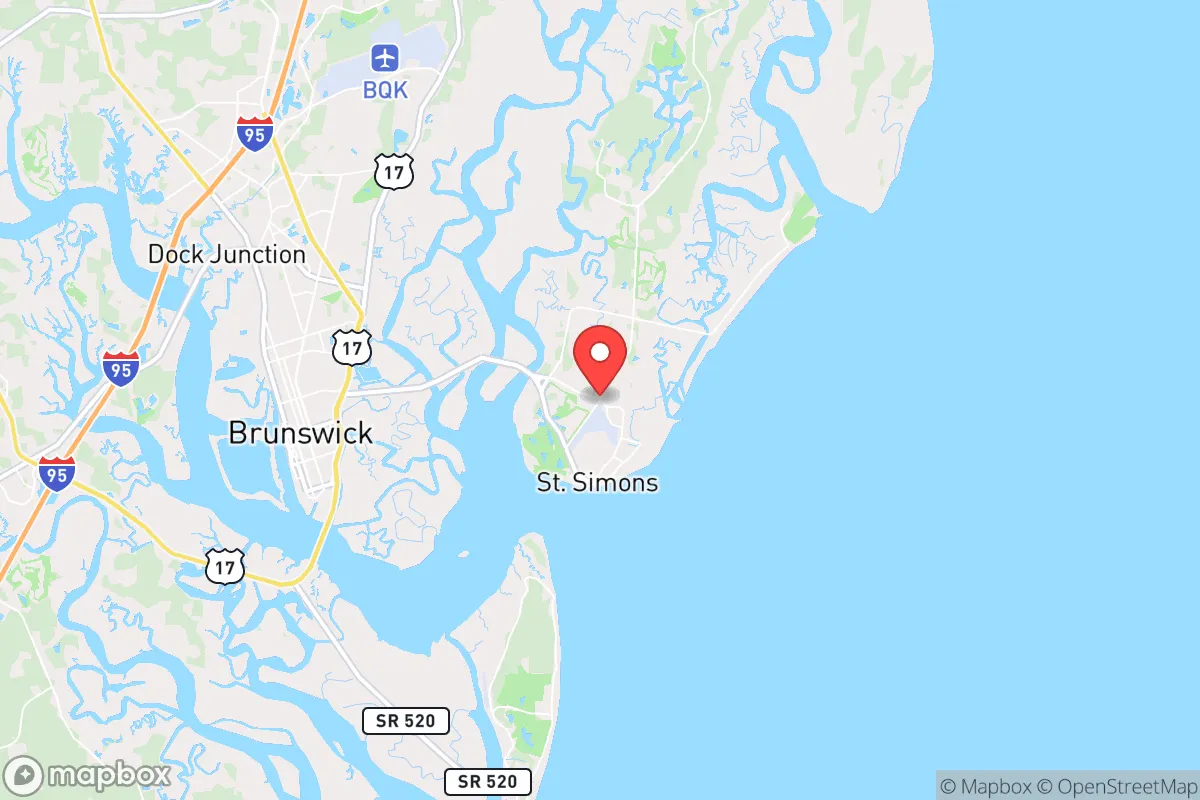
Saint Simons sits on Georgia's coast, roughly 80 miles south of Savannah and 70 miles north of Jacksonville. The island is part of the Golden Isles chain, separated from the mainland by the Marshes of Glynn and the Brunswick River. This insular geography provides a natural buffer: the surrounding salt marshes and tidal creeks create a physical barrier that limits casual access, making the island inherently more defensible than a mainland suburb. The island's interior is characterized by maritime forests of live oak and palmetto, offering some natural cover and a microclimate that moderates temperature extremes compared to inland Georgia. The local water table is high, and many properties have access to shallow wells, though the primary municipal water source is the Floridan Aquifer, which is generally reliable and of good quality. The island's position also places it within a day's drive of the Appalachian foothills, offering a potential inland retreat option for those with the means to maintain a secondary property. For the self-sufficiency-minded, the island's year-round growing season (USDA Zone 9a) allows for extended vegetable gardening, and the surrounding waters provide a reliable source of seafood—shrimp, crab, and finfish—for those willing to learn the local tides and regulations.
Risks, exposures, and proximity to fallout-relevant landmarks
The most significant risk to Saint Simons is hurricane storm surge. The island's highest natural elevation is roughly 20 feet above sea level, with much of the developed area sitting at 10 feet or lower. A Category 3 or higher storm can push a surge of 15 to 20 feet across the island, making evacuation mandatory. The single evacuation route—the F.J. Torras Causeway (a series of bridges and low-lying roads)—is a critical chokepoint. In a major storm, this route can become impassable hours before landfall due to wind and rising water, effectively trapping residents. Beyond weather, the island's proximity to Naval Submarine Base Kings Bay (roughly 30 miles north, across the state line in Georgia) is a primary man-made risk. Kings Bay is home to the U.S. Navy's Atlantic Fleet ballistic missile submarines and is a designated high-value target in any peer-level conflict. A conventional or nuclear strike on Kings Bay would likely produce fallout patterns that could affect Saint Simons depending on wind direction. Additionally, the Port of Brunswick, a major automobile and cargo port located just across the Brunswick River, is a secondary economic target. The nearby Brunswick Glynn County Airport (BQK) is a joint-use civil-military facility that could become a staging area in a crisis, potentially drawing unwanted attention. For the resilience-minded reader, the island's dependence on two-lane causeways and its location within the blast-and-fallout radius of a strategic military asset are serious negatives that must be weighed against its natural advantages.
Practical resilience for a relocator: food, water, energy, and defensibility
For a relocator serious about self-sufficiency, Saint Simons presents a mixed bag. Food security is a relative strength: the island has a year-round farmers market, several local seafood purveyors, and a growing network of backyard gardeners and permaculture enthusiasts. The Glynn County Cooperative Extension office offers soil testing and gardening classes. However, the island has no major agricultural production; nearly all staple crops (grains, legumes, oils) must be trucked in over the causeway. In a prolonged disruption, local food supplies would deplete within days. Water security is more favorable. The Floridan Aquifer is deep and well-protected, and many older homes have existing well points. New construction often includes irrigation wells. For those without a well, rainwater catchment is feasible given the region's 50 inches of annual rainfall, though salt spray can contaminate roof surfaces. Energy resilience is a weak point. Georgia Power's grid on the island is vulnerable to storm damage, and underground utilities are limited to newer developments. Solar is viable—the island averages 215 sunny days per year—but net metering policies are state-regulated and not as favorable as in some other states. Backup generators are common among long-term residents, and propane is widely available. Defensibility is the island's strongest resilience trait. The causeway is the only vehicle access point, and a small, determined group could effectively control it. The surrounding marshes are impassable to vehicles and difficult to traverse on foot. The island's dense maritime forest provides cover and concealment. However, the same geography that makes the island defensible also makes it a potential trap if the causeway is cut. The local law enforcement presence is modest—Glynn County Police and the island's own police force—and would be quickly overwhelmed in a widespread crisis. For a family, the island offers a tight-knit community where neighbors know each other, which is a significant social resilience asset. The local church and civic networks are active and could coordinate mutual aid. But the bottom line is that Saint Simons is a location for those who want a buffer from the mainland's chaos, not for those who need to be self-sufficient for months on end.
The overall strategic picture for Saint Simons Island is one of calculated trade-offs. It offers genuine natural defensibility, a moderate climate for food production, and a community that values preparedness—but these strengths are counterbalanced by hurricane exposure, a single evacuation route, and proximity to a high-value military target. For the conservative-leaning relocator who prioritizes community cohesion and a slower pace of life, and who is willing to invest in storm hardening, backup power, and a well, Saint Simons can be a viable long-term base. It is not, however, a bug-out location or a place for those seeking complete independence from mainland infrastructure. The wise relocator will treat it as a semi-prepared outpost: comfortable in blue-sky conditions, but requiring a clear plan for evacuation or shelter-in-place when the storm—literal or geopolitical—arrives.

* Values derived from national, state, county, city and local statistics and may differ in a specific area. Last updated: 2026-09-17T20:21:40.000Z
Narrative content on this page is AI-generated and may contain mistakes. Verify any details that matter before acting on them.
ReloMaps may earn a commission from affiliate links at no extra cost to you.

