Photo: Wikipedia
Quality of Life in Rhode Island
A livable area that tracks near national norms for affordability, walkability, and neighborhood health.
What does Quality of Life tell us?
Quality of Life measures an area by evaluating factors like cost of living, nearby amenities, country club access, airport proximity, socioeconomic signals and neighborhood character. For large states, this is a general average — quality of life can vary dramatically between metro areas, suburbs, and rural communities within the same state.
What does this tell us?
Quality of Life measures an area by evaluating factors like cost of living, nearby amenities, country club access, airport proximity, socioeconomic signals and neighborhood character. For large states, this is a general average — quality of life can vary dramatically between metro areas, suburbs, and rural communities within the same state.
Cost of Living
18% above national average
82%
The Real Cost of Living in Rhode Island for 2026
| Tier | Individual | Family (4) |
|---|---|---|
| Survival | $20k | $38k |
| Comfortable | $72k | $105k |
| Luxury | $152k+ | $235k+ |
| Elite (Top 5%) | $178k+ | $277k+ |
Quality-of-Life Analysis
Rhode Island, despite being the smallest state, offers a remarkably broad spectrum of quality-of-life options, from dense urban cores to quiet coastal villages and rural inland towns. The state’s overall cost of living index of 118 (100 = U.S. average) and median home value of $368,800 mask a wide range of housing costs and lifestyles. Someone seeking a 24-hour city experience, a walkable college town, or a secluded farmhouse on a wooded lot can all find a fit within a 45-minute drive, though the trade-offs in commute time, amenities, and community character are significant.
Major metros
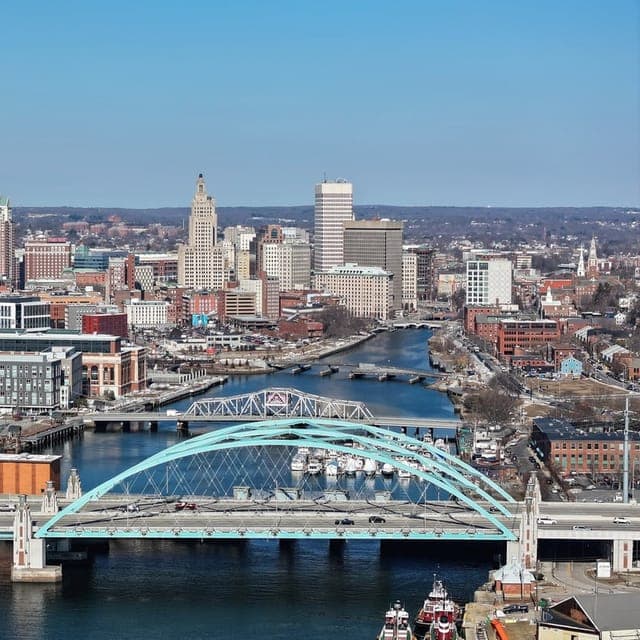
Rhode Island’s urban core is centered on Providence, the state’s capital and largest city, which offers a dense, walkable, and culturally rich environment. Providence’s economy is anchored by healthcare (Lifespan, Care New England), education (Brown University, Rhode Island School of Design), and a growing tech and creative sector, giving it a distinctly intellectual and artistic vibe. The city’s neighborhoods—from the historic East Side to the revitalized Downcity and the industrial Olneyville—provide a range of urban living experiences, from Victorian mansions to converted mill lofts. Warwick, the second-largest city, offers a more suburban, family-oriented feel with a strong retail and airport-adjacent employment base, while Cranston blends suburban residential areas with a modest downtown and easy access to Providence. For those seeking the densest, most transit-oriented lifestyle, Providence is the clear choice, with a median rent of $1,273 reflecting its status as the state’s most expensive urban market.
Mid-size cities & college towns
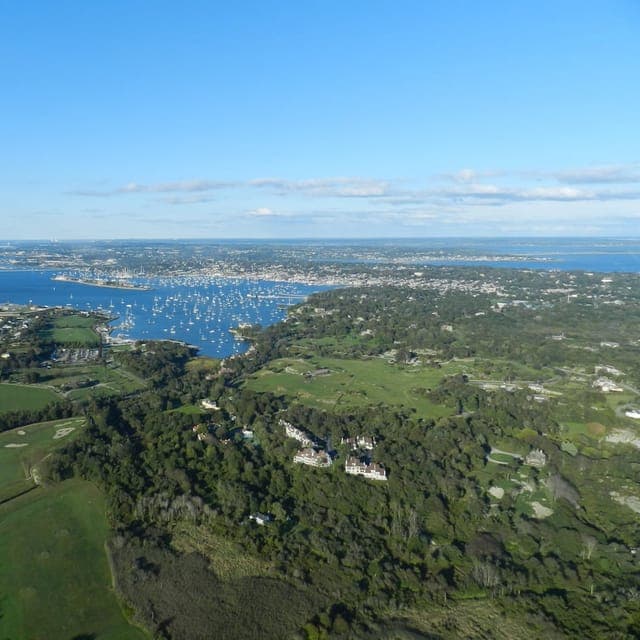
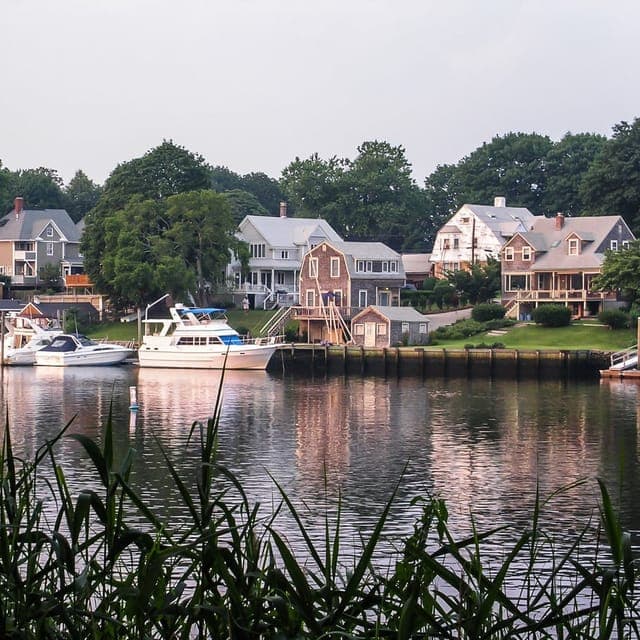
Beyond the Providence metro, several mid-size cities and college towns offer distinct lifestyles. Newport, a historic coastal city, is a major tourist destination and sailing hub, with a Gilded Age architecture, a vibrant waterfront, and a seasonal economy heavily reliant on hospitality and tourism. Its median home value is significantly above the state average, reflecting its desirability as a second-home and retirement market. Pawtucket, just north of Providence, is undergoing a cultural and economic revival centered on the arts (the Pawtucket Arts Festival, the Hope Artiste Village) and the new Tidewater Landing soccer stadium, offering more affordable urban living with a gritty, creative edge. Bristol, a waterfront town with a strong maritime heritage, is home to Roger Williams University and hosts the oldest continuous Fourth of July celebration in the U.S., blending a small-town feel with a college-town energy. Kingston, the home of the University of Rhode Island’s main campus, is a classic college town with a walkable village center, student-oriented housing, and a lively bar and restaurant scene, though its population swells dramatically during the academic year. Westerly, in the southwestern corner, offers a mix of beach-town charm (Misquamicut State Beach) and a historic downtown, appealing to both families and seasonal residents.
Small towns & rural areas
Rhode Island’s rural and small-town options are concentrated in the western and northwestern parts of the state, particularly in Washington County and Providence County’s northern reaches. Foster, Scituate, and Glocester are classic rural towns with low population density, large forested tracts, and a strong sense of local community. These areas offer a slower pace of life, with residents often commuting 30–40 minutes to Providence or Warwick for work. The average commute across the state is 25.5 minutes, but in these rural towns, it can easily exceed 35 minutes. Little Compton, on the southeastern coast, is a quiet, agricultural community with working farms, stone walls, and a pristine coastline, attracting those who value seclusion and natural beauty over urban amenities. Burrillville, in the northwest, offers a mix of lakeside living (Wallum Lake, Spring Lake) and rural subdivisions, appealing to outdoor enthusiasts and families seeking larger lots and lower property taxes. These small towns generally have median home values below the state average, often in the $250,000–$350,000 range, but offer fewer employment options and limited public transit.
Luxury vs. affordable living
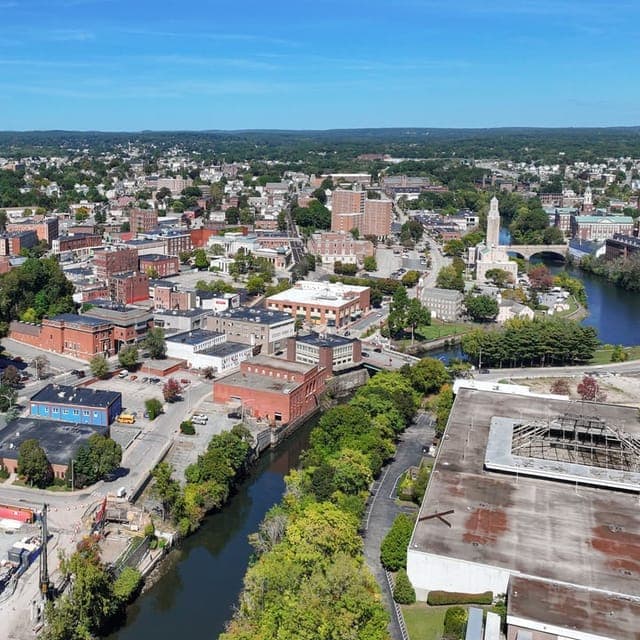
The luxury tier in Rhode Island is concentrated in coastal enclaves and historic districts. Newport’s Ocean Drive and Bellevue Avenue neighborhoods feature Gilded Age mansions and modern waterfront estates, with median home values exceeding $1 million. Barrington, an affluent suburb on Narragansett Bay, offers top-rated public schools, waterfront properties, and a median home value around $500,000–$600,000. East Greenwich and Jamestown also rank among the state’s most expensive communities, with home values often 50–100% above the state median. On the affordable end, Central Falls is the state’s most densely populated and lowest-income city, with a median home value around $200,000 and a median rent well below the state average, though it faces challenges with crime and school performance. Woonsocket, a former mill city in the north, offers some of the state’s lowest home prices (often under $250,000) and a strong Franco-American cultural heritage, but struggles with economic decline and an aging housing stock. Pawtucket’s more affordable neighborhoods, such as Woodlawn and Darlington, provide entry-level homes in the $200,000–$300,000 range, while Providence’s South Side and Elmwood areas offer urban living at lower price points than the East Side.
The practical reality of living in Rhode Island is that the choice of location heavily dictates commute times, school quality, and access to amenities. Young professionals and creatives often thrive in Providence or Pawtucket, where walkability and cultural density outweigh space. Families with children frequently gravitate toward suburban towns like Barrington, East Greenwich, or North Kingstown for their school systems, accepting longer commutes and higher housing costs. Retirees and second-home buyers are drawn to Newport, Bristol, and coastal Washington County for their scenic beauty and recreational opportunities. The cost-of-living spread is stark: a waterfront home in Newport can cost ten times as much as a fixer-upper in Central Falls, yet both are within 30 miles of each other. For anyone considering a move to Rhode Island, the key is to match your priorities—commute tolerance, school quality, urban vs. rural, and budget—to the specific town or city that delivers that balance, as the state’s small size makes the differences between neighborhoods and towns far more significant than the distance between them.

Crime in Rhode Island
Lower crime rates than 76% of comparable U.S. locations.
Violent CrimeViolent Crime Analysis
Property CrimeProperty Crime Analysis
Crime Analysis
Rhode Island is one of the safest states in the U.S. by violent crime metrics, with a rate of 140.1 incidents per 100,000 residents — roughly half the national average. However, its property crime rate of 879.5 per 100,000 sits closer to the national median, and significant geographic disparities exist between affluent coastal suburbs and struggling post-industrial cities. The state’s small size means that crime patterns in Providence, the capital and largest city, heavily influence statewide statistics.
Crime in context
Rhode Island’s violent crime rate of 140.1 per 100,000 is the 10th lowest among all 50 states, placing it in the same low-crime tier as Maine and New Hampshire. The national violent crime rate in 2023 was approximately 380 per 100,000, meaning a Rhode Island resident is roughly 63% less likely to experience a violent crime than the average American. Property crime, however, tells a different story: the state’s rate of 879.5 per 100,000 is only about 15% below the national average of 1,030 per 100,000. Larceny-theft accounts for the bulk of property offenses, with motor vehicle theft notably concentrated in Providence and Pawtucket. When comparing to neighboring Massachusetts (which has a similar violent crime rate of roughly 150 per 100,000 but a higher property crime rate near 1,100), Rhode Island appears marginally safer for property owners.
What residents experience
Daily safety in Rhode Island depends heavily on location. Providence accounts for a disproportionate share of the state’s violent crime — roughly 40% of all reported incidents despite holding only 16% of the population. The city’s violent crime rate is estimated at over 400 per 100,000, driven by gang-related shootings and aggravated assaults in neighborhoods like Olneyville and South Providence. Cranston and Warwick, the second- and third-largest cities, report violent crime rates near 100 per 100,000 — well below the state average — but property crime rates that mirror the statewide figure. Newport, a tourist hub, sees elevated larceny and vehicle break-ins during summer months but very low violent crime. The safest communities are generally the suburban and rural towns of Barrington, East Greenwich, and South Kingstown, where violent crime rates often fall below 50 per 100,000 and property crime is half the state average. Residents in these areas report feeling safe walking at night and leaving doors unlocked, a sharp contrast to the experience in Providence’s core.
Neighborhood-level variation and judicial concerns
The most pronounced safety divide in Rhode Island is between the Providence metropolitan core and the rest of the state. Providence’s violent crime is concentrated in a handful of census tracts, while adjacent suburbs like East Providence and North Providence see rates closer to 150 per 100,000. A growing concern among residents and law enforcement is the impact of progressive prosecutorial policies in Providence County. The office of the Providence County District Attorney has adopted a reform-oriented approach, including reduced bail requirements and diversion programs for repeat property offenders. Critics argue this has contributed to a revolving-door effect, particularly for larceny and motor vehicle theft suspects, who are frequently released pending trial. In contrast, the more conservative judicial districts in Washington and Newport Counties tend to impose stricter bail conditions, which correlates with lower recidivism rates for property crime. For prospective residents, the safest bet is to choose a town in the southern or eastern parts of the state, where both crime rates and the influence of progressive justice policies are minimal.
Top Cities for Quality of Life in Rhode Island
* Values derived from national, state, county, city and local statistics and may differ in a specific area. Last updated: 2026-04-19T01:38:18.000Z
Narrative content on this page is AI-generated and may contain mistakes. Verify any details that matter before acting on them.
ReloMaps may earn a commission from affiliate links at no extra cost to you.

