Political ClimatePolitical Climate in Pinecrest, FL
District shown is the primary district for this city’s centroid. Cities may span multiple districts.
Local Political AnalysisPolitical Analysis of Pinecrest, FL
Pinecrest, Florida, has long been a solidly conservative stronghold in Miami-Dade County, with a Cook PVI of R+6 that reflects a reliable Republican lean in local and national elections. But if you've lived here as long as I have, you've seen the winds start to shift, and it's something worth keeping an eye on. The village has historically been a place where folks value low taxes, personal responsibility, and a government that stays out of your backyard—literally and figuratively. However, as Miami-Dade County as a whole trends bluer, Pinecrest is feeling the pressure from progressive policies creeping in from the surrounding areas, and the trajectory is a bit concerning for those of us who like our freedoms intact.
How it compares
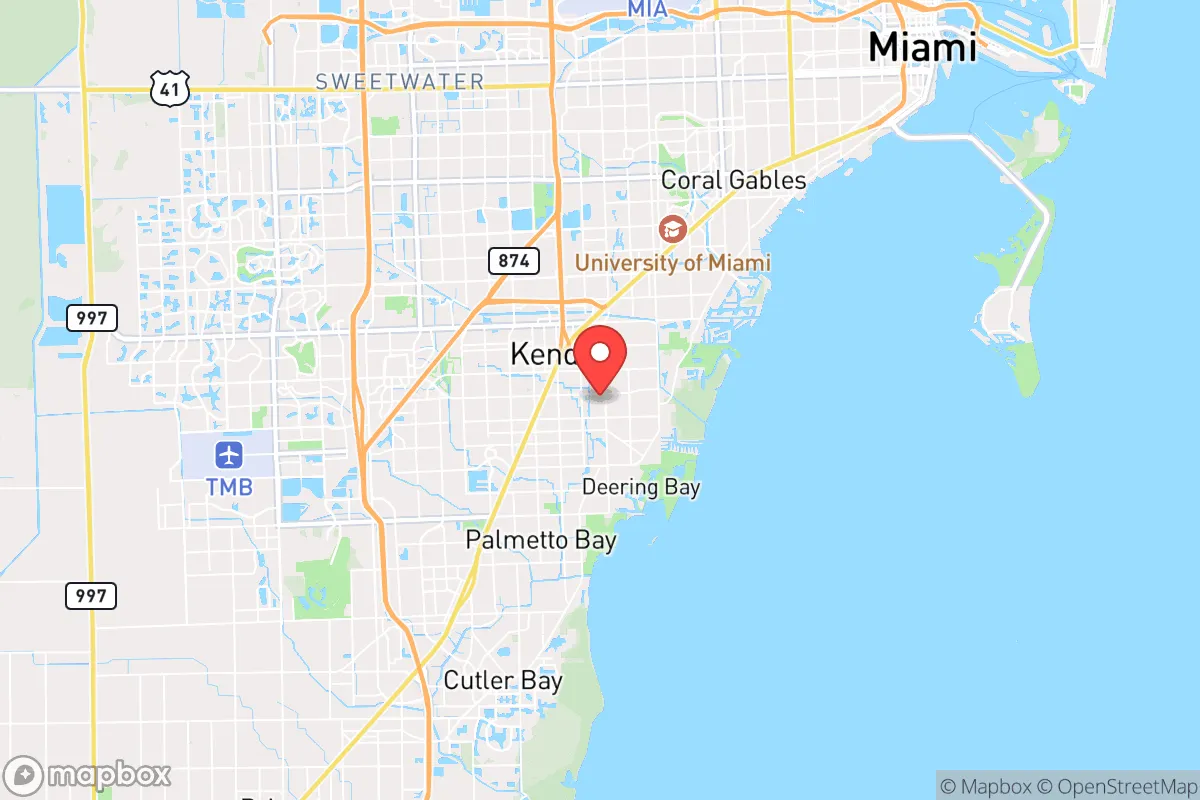
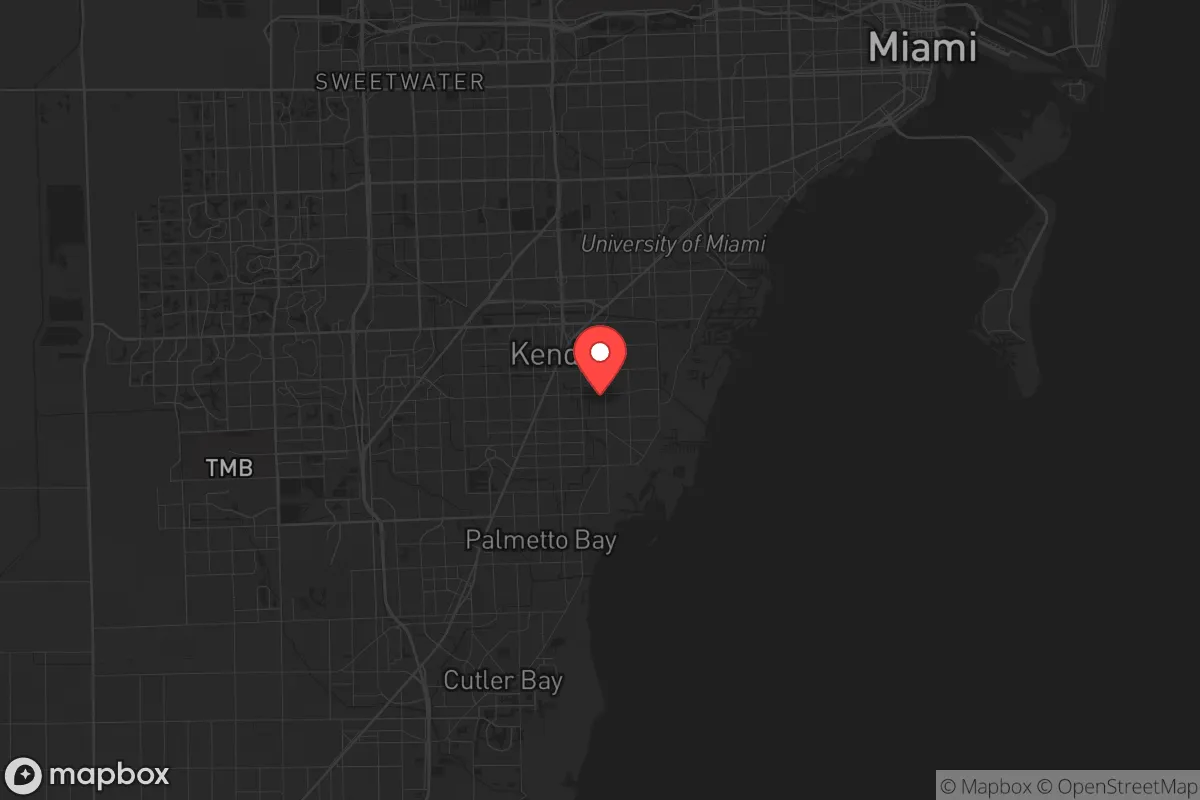
When you look at the map, Pinecrest stands out as a red dot in a sea of blue. Neighboring Coral Gables and South Miami have shifted noticeably leftward in recent years, with Coral Gables now leaning more moderate-to-liberal on social issues like zoning density and environmental regulations. Head north to Miami proper, and you're in a heavily Democratic stronghold where government overreach into housing and business is practically a given. In contrast, Pinecrest has held the line, with local elections often decided by candidates who emphasize property rights, limited government, and fiscal conservatism. But the pressure is real: the county commission and school board are increasingly dominated by progressive voices, and that trickles down into things like stricter building codes, higher impact fees, and a push for "equity" initiatives that can feel like a backdoor to more bureaucracy. Compared to the rural towns west of the Turnpike, like The Redland or Homestead, Pinecrest is still more moderate, but it's the most conservative enclave in the immediate area—and that's a badge of honor for many of us.
What this means for residents
For the average Pinecrest homeowner, the political climate directly affects your wallet and your way of life. The village council has historically kept property taxes low and resisted the kind of overregulation that makes it hard to renovate your home or run a small business. But as the county pushes for more affordable housing mandates and stricter environmental rules—like the recent tree preservation ordinances that can limit what you do on your own lot—you start to feel the squeeze. The school board, too, has become a battleground: Pinecrest families have long supported strong local control, but county-level policies on curriculum and parental rights are increasingly at odds with the conservative values many here hold. If you're someone who believes that government should protect your rights, not micromanage your choices, the trend is worrying. The good news is that Pinecrest voters are engaged and tend to turn out, so the local council remains a bulwark—for now. But the long-term trajectory depends on whether the village can keep its independence from Miami-Dade's progressive tide.
Culturally, Pinecrest still feels like a place where neighbors know each other and the Fourth of July parade is a bigger deal than any political rally. But there's a quiet tension beneath the surface. The push for more "inclusive" zoning and the county's recent moves to weaken single-family zoning protections are seen by many here as a direct threat to the character of the village. We've also seen a rise in local activism around issues like police funding and environmentalism, which, while not inherently bad, often come with a one-size-fits-all approach that ignores local realities. The bottom line is this: Pinecrest is a great place to live if you value freedom and community, but you have to stay involved. The days of taking our conservative lean for granted are over, and the next few election cycles will tell us whether we can keep the government off our backs or if we'll end up looking like Coral Gables—a nice place, but one where the rules keep piling up.

State Political ClimatePolitical Climate in Florida
State Political AnalysisPolitical Environment in the State
Florida has transformed from a traditional swing state into a solidly Republican-leaning powerhouse over the past decade, with the GOP now holding a supermajority in both legislative chambers and a 1-million-plus voter registration advantage over Democrats as of 2026. The shift accelerated sharply after 2020, driven by a massive influx of conservative-leaning migrants from blue states like New York, California, and Illinois, who settled heavily in places like Naples, Sarasota, and The Villages. While Miami-Dade County famously flipped from blue to red in 2022, the real story is the consolidation of Republican strength across the I-4 corridor, with Orlando’s suburbs trending right and once-competitive Tampa Bay now reliably GOP in statewide races.
Urban vs. rural divide
The political map of Florida is starkly divided between its dense urban cores and everything else. Miami-Dade remains the most watched battleground: it voted for Hillary Clinton by 30 points in 2016, then for Joe Biden by just 7 points in 2020, and in 2024, Donald Trump carried it outright—a seismic shift driven by Cuban-American and Venezuelan voters who view Democratic rhetoric on socialism as a direct threat. Broward and Palm Beach counties still lean blue, but their margins have shrunk as conservative retirees and families move into suburbs like Wellington and Parkland. Meanwhile, the rural Panhandle—places like Panama City, Crestview, and Live Oak—votes 70-80% Republican, and the sprawling exurbs of Ocala and Lakeland are now deep red. The only true blue strongholds left are the core of Miami Beach, downtown Orlando, and Gainesville (home to the University of Florida), but they lack the population heft to swing statewide elections anymore.
Policy environment
Florida’s policy environment under Governor Ron DeSantis has become a national model for limited-government conservatism. The state has no personal income tax, a constitutional cap on property tax increases (the Save Our Homes amendment), and a right-to-work law that keeps union power in check. In 2023, the legislature passed HB 1, which eliminated permanent mail-in ballot lists and tightened drop-box rules, and SB 7050, which created a state-level election police force—both aimed at restoring voter confidence after 2020’s controversies. On education, HB 7 (the Stop WOKE Act) bans classroom instruction that promotes race-based stereotyping, and the Parental Rights in Education Act (HB 1557) prohibits school districts from hiding a child’s gender identity or sexual orientation from parents. The state also expanded school choice to near-universal eligibility in 2023, with over 1.3 million students now using vouchers or education savings accounts. Healthcare policy is similarly freedom-oriented: Florida refused Medicaid expansion, and SB 1580 (2024) banned gender transition procedures for minors, with criminal penalties for doctors who perform them.
Trajectory & freedom
Florida is arguably the most freedom-oriented large state in the country, and it’s trending further in that direction. The 2024 session saw HB 1223, which prohibits any state or local government from enforcing federal gun laws that don’t exist in Florida—a direct nullification-style move. The state also passed constitutional carry in 2023 (HB 543), allowing permitless concealed carry for anyone 21 or older. On medical freedom, SB 252 (2023) banned COVID-19 vaccine mandates for private employers and government entities, and the state has aggressively fined local governments that imposed mask mandates. Property rights were strengthened by HB 403 (2024), which limits homeowners’ association fines and makes it harder for HOAs to foreclose on homes over unpaid fees. The only area where freedom has arguably contracted is on abortion: the state enacted a 6-week ban in 2023 (HB 5), which was upheld by the Florida Supreme Court in 2024. For conservative families, this is a feature, not a bug.
Civil unrest & political movements
Florida has seen relatively little of the large-scale civil unrest that plagued cities like Portland or Seattle. The 2020 BLM protests in Miami, Orlando, and Jacksonville were mostly peaceful, though there were isolated looting incidents in downtown Miami. The state’s response was swift: DeSantis signed the Combating Violence, Disorder and Looting and Law Enforcement Protection Act (HB 1, 2021), which created new felonies for blocking roads during protests and increased penalties for assaulting police officers. Immigration politics are a constant flashpoint: the state passed SB 1718 in 2023, which requires businesses with 25+ employees to use E-Verify, bans local governments from issuing ID cards to undocumented immigrants, and makes it a felony to transport someone into Florida who entered the country illegally. The law has led to a noticeable exodus of undocumented workers from agriculture-heavy areas like Immokalee and Homestead. There’s also a growing “Free Florida” movement among constitutional conservatives, with several counties—including Lake and Sumter—passing resolutions declaring themselves “Second Amendment sanctuaries.” Election integrity remains a hot-button issue: the state’s new Office of Election Crimes and Security has already prosecuted several cases of double voting and illegal ballot harvesting, which has boosted trust among conservative voters.
Projection
Over the next 5-10 years, Florida will likely become even more Republican and more conservative. The in-migration from blue states shows no signs of slowing—Florida gained over 300,000 new residents in 2024 alone, and the vast majority are coming from high-tax, high-regulation states. These newcomers are disproportionately older, wealthier, and more conservative than the national average. The Hispanic vote, especially among Cubans, Venezuelans, and Nicaraguans in Miami-Dade and Collier County, is trending hard right, and the state’s growing Puerto Rican population in Orlando’s Osceola County is more split than Democrats once assumed. The only demographic headwind for conservatives is the continued growth of the Miami-Dade progressive activist class and the influx of younger, left-leaning tech workers into St. Petersburg and Tampa, but these are not enough to flip the state. By 2030, expect a GOP supermajority that can override any veto, a continued expansion of school choice, and further preemption of local ordinances on everything from rent control to plastic bag bans. The state is essentially cementing itself as the conservative alternative to California.
For a new resident, the bottom line is this: Florida offers a political environment where your tax dollars stay in your pocket, your children’s education is transparent, your Second Amendment rights are protected, and your local government cannot impose pandemic mandates or sanctuary policies. The trade-off is that you’ll live in a state where the culture wars are front and center—you’ll see “Don’t Tread on Me” flags on pickup trucks in Ocala and pride flags in Wilton Manors, and you’ll need to pick your local community accordingly. If you’re moving for freedom, you’ll find it here, but it’s a freedom that requires you to be engaged and vote in every election to keep it that way.
* Values derived from national, state, county, city and local statistics and may differ in a specific area. Last updated: 2026-04-27T14:35:20.000Z
Narrative content on this page is AI-generated and may contain mistakes. Verify any details that matter before acting on them.
ReloMaps may earn a commission from affiliate links at no extra cost to you.

