Photo: Wikipedia
Personal Sovereignty in Phoenix Lake, CA
Viable for self-reliance. Generally workable, though some barriers may limit total independence.
What does Personal Sovereignty tell us?
Personal Sovereignty measures your capacity for self-reliance and independence with minimal government friction. Higher scores mean fewer barriers between you and the way you want to live... but it assumes you have the space you need and good neighbors.
What does this tell us?
Personal Sovereignty measures your capacity for self-reliance and independence with minimal government friction. Higher scores mean fewer barriers between you and the way you want to live... but it assumes you have the space you need and good neighbors.
State Policy
Energy independence: Importer (33% of energy produced in-state)
Personal Liberty
Homesteading

Personal Liberty Analysis
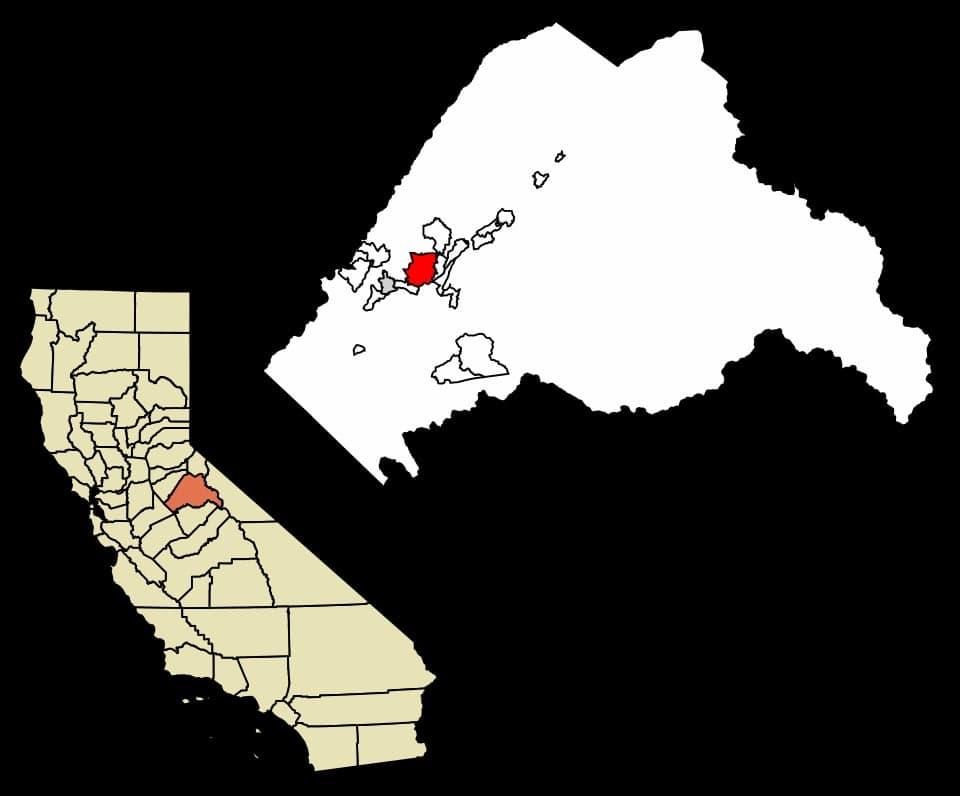
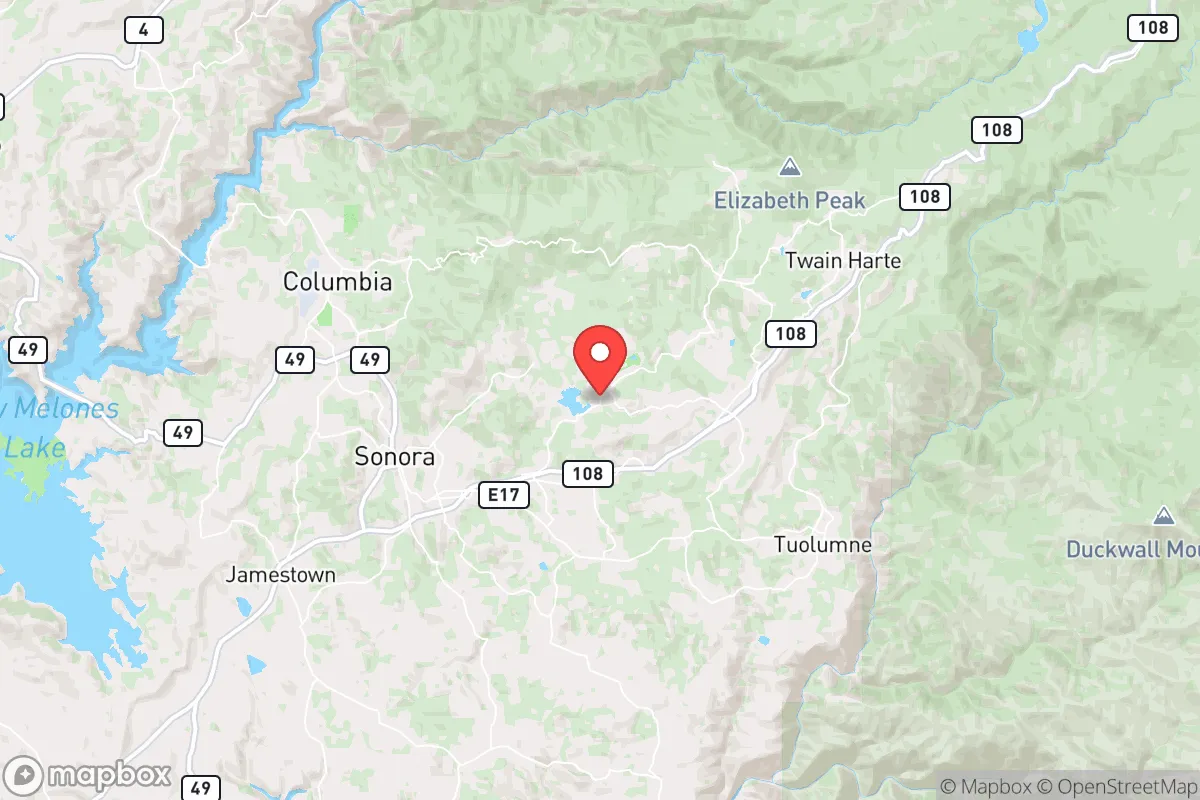
Phoenix Lake, an unincorporated community in Tuolumne County, offers a notably high degree of personal sovereignty, largely shaped by its rural character and California’s unique blend of state-level mandates and local enforcement realities. For individuals and families prioritizing autonomy, the area presents a trade-off: you operate within California’s extensive regulatory framework, but the county’s low population density and limited administrative footprint mean many rules are enforced with a lighter touch than in metropolitan areas. The environment here rewards self-reliance, as proximity to services and government oversight is minimal, making it a viable choice for those who value independence over convenience.
Tax burden and regulatory posture in Tuolumne County
California’s state-level tax burden is among the highest in the nation, with a progressive income tax topping 13.3% and a state sales tax rate of 7.25% (plus local add-ons). However, Tuolumne County offers a relative reprieve through Proposition 13 protections, which cap annual property tax increases at 2% and base rates around 1% of assessed value. For a home in Phoenix Lake, this means property taxes are predictable and comparatively low for California—often under $2,000 annually for a median-priced property. The regulatory posture is mixed: state agencies like the California Air Resources Board and the Coastal Commission have no direct sway here, but building permits, environmental reviews (CEQA), and water rights are still governed by state law. Locally, Tuolumne County’s planning department is known for a pragmatic, less adversarial approach than urban counterparts, though obtaining permits for new construction or major renovations can still take months. The county’s general plan allows for rural residential uses, and there is no local rent control or business licensing overlay that adds friction for small-scale enterprises. For a conservative-leaning reader, the key takeaway is that while you cannot escape California’s tax structure, the property tax stability and relatively hands-off county enforcement create a more predictable environment than in coastal or Bay Area jurisdictions.
Self-defense and gun law specifics in a rural California context
California’s firearm laws are among the strictest nationally, and Phoenix Lake residents must comply with state mandates regardless of local sentiment. This includes a 10-day waiting period for all purchases, a background check through the California Department of Justice, and a roster of approved handguns that limits available models. The state bans “assault weapons” by feature and requires a Firearm Safety Certificate for purchases. However, Tuolumne County is a “shall-issue” jurisdiction for concealed carry permits (CCW), meaning that if you meet the statutory requirements—including a firearms safety course and good cause statement—the sheriff’s office typically processes applications without the discretionary denials seen in some urban counties. As of 2025, the county sheriff has publicly stated a commitment to upholding Second Amendment rights within state law, and CCW issuance rates are high relative to the state average. Open carry of unloaded firearms is legal in unincorporated areas like Phoenix Lake, though rarely practiced. Magazine capacity is limited to 10 rounds, and ammunition purchases require a background check. For self-defense in the home, no special permit is needed for handguns or shotguns. The practical reality is that while the legal framework is restrictive, the local enforcement culture is permissive, and gun ownership rates in the area are well above the California average. Residents should budget for compliance costs—around $200–$300 for a CCW application and training—but face minimal social friction for exercising firearm rights.
Self-reliance and homesteading viability: lot sizes, zoning, and off-grid feasibility
Phoenix Lake’s zoning is predominantly Rural Residential (RR) with minimum lot sizes of 1 to 5 acres, depending on the specific parcel. This makes small-scale homesteading—gardening, keeping chickens or goats, and limited livestock—entirely feasible without special permits. The county’s zoning code explicitly allows for “agricultural uses” on parcels of 1 acre or more, including beekeeping and small animal husbandry. Off-grid living is legally complex: California requires connection to the electrical grid for new construction in most cases, but existing homes can install solar with battery storage and disconnect from the grid if they meet safety codes. Water is a critical consideration—most properties rely on private wells, which require a permit from the Tuolumne County Environmental Health Department (typically $500–$1,000 for drilling and testing). Septic systems are also permitted and inspected, with replacement costs ranging from $10,000–$20,000. Rainwater catchment is legal and encouraged for non-potable uses, but graywater systems must comply with state plumbing codes. The county does not enforce strict “right-to-farm” ordinances, but neighbors are generally tolerant of rural activities. For those seeking true self-reliance, the area’s Mediterranean climate (hot, dry summers; mild, wet winters) supports year-round vegetable gardening with irrigation, and the surrounding Stanislaus National Forest offers firewood collection permits. The main regulatory hurdle is the California Environmental Quality Act (CEQA) for any development that could have a significant environmental impact, but this rarely applies to single-family homestead improvements. Overall, Phoenix Lake is one of the more permissive areas in California for self-reliant living, though it still requires navigating state-level building and water codes.
Personal liberties: parental rights, medical autonomy, speech, and property
Parental rights in California are governed by state family law, which generally favors shared custody and requires both parents’ consent for major medical decisions. Tuolumne County’s courts are known for a traditional approach, often upholding parental authority in disputes over education and healthcare. The state mandates vaccination for school attendance (with medical exemptions available), but homeschooling is legal and relatively straightforward—parents must file a private school affidavit with the California Department of Education and maintain records. Medical autonomy is limited by state law: California has strict vaccine mandates for schoolchildren and requires parental consent for minors’ medical treatment, but adults can refuse any treatment. The state’s “Right to Try” law allows terminally ill patients access to experimental treatments, and there are no local ordinances restricting alternative medicine. Free speech protections are robust under both the U.S. and California constitutions, with no local content-based restrictions on signs, political expression, or assembly. Property rights are strong in the sense that eminent domain is rarely used for private development, but the California Environmental Quality Act (CEQA) can be used by neighbors to delay or block projects, and the California Coastal Commission has no jurisdiction here. The county does not have rent control, and short-term rental regulations are minimal—Airbnb-style rentals are permitted without a special permit in most rural zones. For a conservative reader, the most notable limitation is the state’s preemption of local gun laws and vaccine mandates, but within those bounds, Tuolumne County’s enforcement is generally deferential to individual choice.
Compared to other areas in California, Phoenix Lake offers a notably high degree of personal sovereignty, particularly in property rights, self-defense, and homesteading feasibility. The trade-off is accepting state-level taxation and regulatory frameworks that are more intrusive than in states like Texas or Arizona. For a relocation-minded individual or family who values self-reliance and is willing to navigate California’s legal landscape, this area provides a rare combination of rural autonomy, low property taxes, and a permissive local enforcement culture. It is not a libertarian utopia, but it is one of the more freedom-friendly pockets within the state’s broader system.

* Values derived from national, state, county, city and local statistics and may differ in a specific area. Last updated: 2026-08-19T19:30:53.000Z
Narrative content on this page is AI-generated and may contain mistakes. Verify any details that matter before acting on them.
ReloMaps may earn a commission from affiliate links at no extra cost to you.

