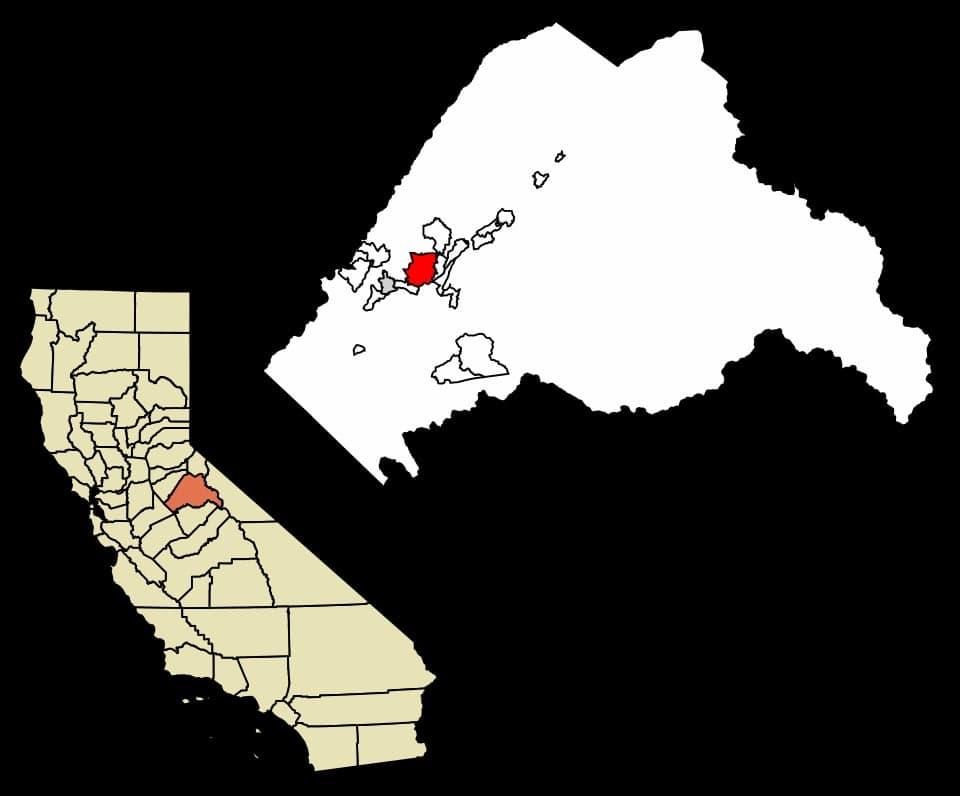
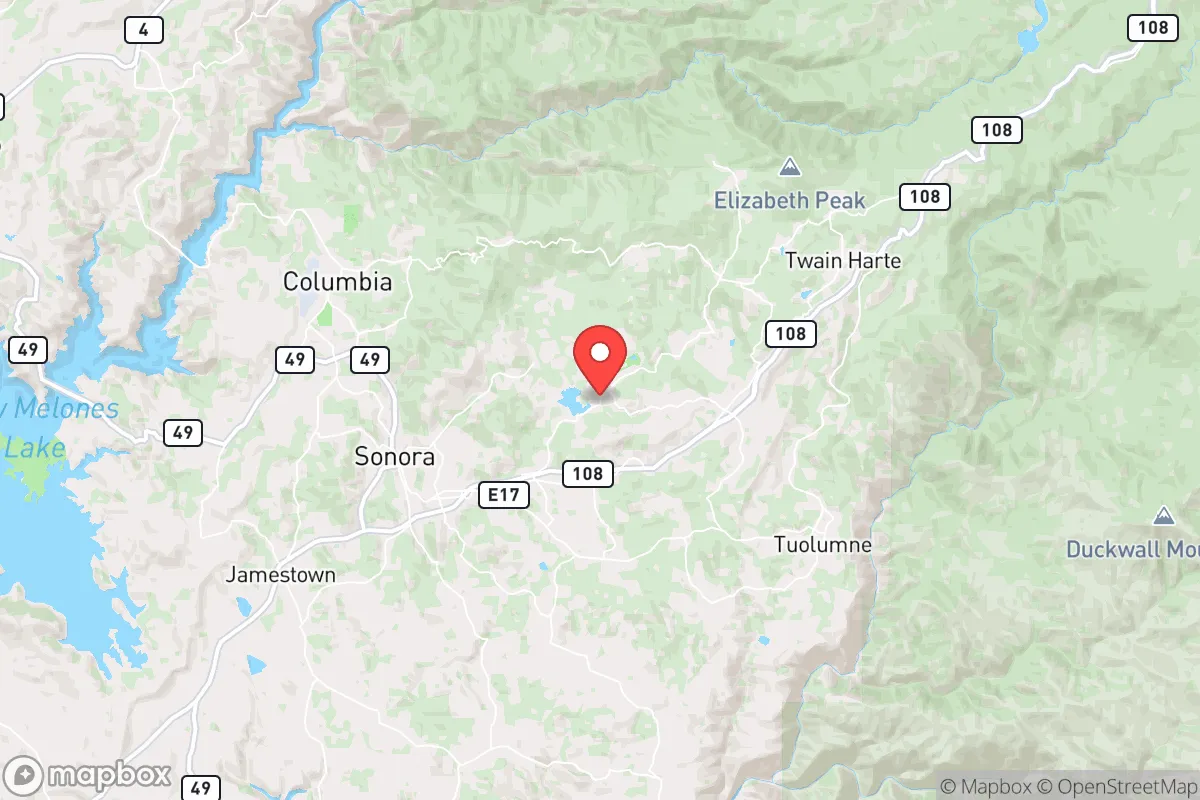
Photo: Wikipedia
Demographics of Phoenix Lake, CA
Affluence Level in Phoenix Lake, CA
An upper-middle-class area. Household wealth, education levels, and homeownership run ahead of national benchmarks.
People of Phoenix Lake, CA
Phoenix Lake, California, is a small, predominantly white community of 4,505 residents, characterized by a notably low foreign-born population of just 1.4% and a strong sense of rural-suburban identity. The city’s population is overwhelmingly non-Hispanic white (89.6%), with a Hispanic minority of 5.3% and very small Black (0.5%) and East/Southeast Asian (0.5%) communities. This demographic profile reflects a history of slow, stable growth driven by domestic migration rather than international immigration, creating a tight-knit, family-oriented atmosphere centered on the lake and surrounding foothills.
How the city was settled and grew
Phoenix Lake’s human history begins not with a founding boom but with the gradual transformation of the Sierra Nevada foothills from a resource extraction zone into a recreational and residential enclave. The area was originally inhabited by the Miwok people, but the first permanent non-Native settlers arrived in the mid-19th century, drawn by the California Gold Rush. These early settlers—primarily Anglo-American prospectors and farmers—established small homesteads and cattle ranches along the Stanislaus River drainage. The lake itself was created in the 1920s as a reservoir for irrigation and hydroelectric power, which spurred the first wave of permanent residents. The Lakeview Estates neighborhood, built in the 1930s and 1940s, was the first planned subdivision, attracting middle-class families from the Central Valley seeking summer cabins and year-round homes. The post-World War II era saw a second wave of domestic migrants, many of them returning veterans and their families, who built modest homes in the Pinecrest Heights area. These early residents were overwhelmingly white, drawn by the promise of affordable land, outdoor recreation, and a slower pace of life. The city’s incorporation in 1965 formalized its identity as a distinct community, but its population remained small and homogeneous through the mid-20th century.
Modern era (post-1965)
After incorporation, Phoenix Lake’s growth continued to be driven by domestic in-migration from California’s larger metropolitan areas, particularly the Bay Area and the Central Valley. The 1970s and 1980s saw an influx of retirees and second-home buyers, many of whom built custom homes in the Whispering Pines and Meadowbrook Ranch neighborhoods. These areas remain the most affluent parts of the city, with larger lots and lakefront access. The 1990s and 2000s brought a modest wave of Hispanic families, primarily from Mexico and Central America, who moved into the Sunrise Trailer Park and the older, more affordable housing stock near the lake’s eastern shore. This group now makes up the 5.3% Hispanic population, concentrated in these lower-cost areas. The Black and East/Southeast Asian populations remain very small (0.5% each), reflecting the city’s limited economic diversity and lack of major employers that would attract a more varied workforce. The foreign-born share of 1.4% is among the lowest in Tuolumne County, underscoring that Phoenix Lake has not been a destination for international immigration. The city’s population has remained stable at around 4,500 since the 2010 census, with little new construction and a housing stock that is increasingly owner-occupied and aging in place.
The future
Phoenix Lake’s population is projected to remain stable or decline slightly over the next 10-20 years, driven by an aging demographic profile and limited new housing development. The median age is likely to rise as the large cohort of retirees who moved in during the 1970s and 1980s continues to age, with younger families increasingly priced out of the local housing market. The city’s racial and ethnic composition is expected to remain overwhelmingly white, with the Hispanic share potentially growing to 7-8% as second-generation families from nearby Sonora and Modesto seek more affordable housing. The East/Southeast Asian and Black populations are unlikely to grow significantly, as the area lacks the job base, cultural infrastructure, or educational opportunities that typically attract these groups. New residential development is concentrated in the Foothill Ranch subdivision, a small planned community of 40 lots approved in 2022, which is expected to attract a mix of retirees and remote workers from the Bay Area. This influx could slightly increase the college-educated share (currently 24.8%) and bring a more politically moderate tone to a historically conservative area. However, the overall cultural identity of Phoenix Lake—quiet, outdoorsy, and family-oriented—is unlikely to shift dramatically.
For someone moving in now, Phoenix Lake offers a stable, low-diversity community with a strong sense of place and a deep connection to the natural environment. The city is becoming slightly more diverse at the margins, but its core identity as a predominantly white, domestic-migrant enclave will persist. New residents should expect a tight-knit social fabric where long-time locals dominate civic life, and where the pace of change is measured in decades, not years. This is a place for those seeking predictability, safety, and proximity to the outdoors, rather than cultural dynamism or rapid growth.

* Values derived from national, state, county, city and local statistics and may differ in a specific area. Last updated: 2026-08-19T19:30:53.000Z
Narrative content on this page is AI-generated and may contain mistakes. Verify any details that matter before acting on them.
ReloMaps may earn a commission from affiliate links at no extra cost to you.

