Photo: Wikipedia
Quality of Life in Pennsylvania
A livable area that tracks near national norms for affordability, walkability, and neighborhood health.
What does Quality of Life tell us?
Quality of Life measures an area by evaluating factors like cost of living, nearby amenities, country club access, airport proximity, socioeconomic signals and neighborhood character. For large states, this is a general average — quality of life can vary dramatically between metro areas, suburbs, and rural communities within the same state.
What does this tell us?
Quality of Life measures an area by evaluating factors like cost of living, nearby amenities, country club access, airport proximity, socioeconomic signals and neighborhood character. For large states, this is a general average — quality of life can vary dramatically between metro areas, suburbs, and rural communities within the same state.
Cost of Living
6% below national average
111%
The Real Cost of Living in Pennsylvania for 2026
| Tier | Individual | Family (4) |
|---|---|---|
| Survival | $19k | $35k |
| Comfortable | $47k | $69k |
| Luxury | $137k+ | $213k+ |
| Elite (Top 5%) | $172k+ | $266k+ |
Quality-of-Life Analysis
Pennsylvania offers one of the most diverse quality-of-life spectrums in the Northeast, spanning from the dense, walkable streets of Philadelphia to the rolling farmland of Lancaster County and the forested ridges of the Poconos. With a statewide cost-of-living index of 94 (6% below the national average), a median home value of $240,500, and a median rent of $1,162, the state provides concrete affordability alongside major urban amenities. The average commute of 26.6 minutes is notably shorter than in neighboring New York or New Jersey, making Pennsylvania attractive for professionals, families, and retirees seeking a balanced lifestyle.
Major metros
Pennsylvania’s two dominant urban centers are Philadelphia and Pittsburgh, each with a distinct economic and cultural identity. Philadelphia, the state’s largest city with roughly 1.6 million residents, is a dense, walkable hub of healthcare, education, and legal services, anchored by employers like the University of Pennsylvania, Jefferson Health, and Comcast. Its neighborhoods range from the historic, cobblestoned Society Hill to the rapidly gentrifying Fishtown, offering a true East Coast urban experience with a median home value around $230,000—far below New York or Boston. Pittsburgh, with about 300,000 residents, has reinvented itself from a steel town into a tech and healthcare center, led by Carnegie Mellon University, the University of Pittsburgh Medical Center (UPMC), and Google’s Pittsburgh office. Its hilly terrain, three rivers, and dozens of distinct neighborhoods (e.g., Shadyside, Lawrenceville, Squirrel Hill) provide a more compact, affordable urban lifestyle, with median home values near $200,000. For those seeking the largest possible job market and cultural scene, Philadelphia is the choice; for a smaller, more navigable city with strong tech and medical employment, Pittsburgh fits.
Mid-size cities & college towns
Beyond the major metros, Pennsylvania’s mid-size cities and college towns offer a blend of urban amenities and lower costs. Harrisburg, the state capital, has a population of about 50,000 and serves as a government and logistics hub, with a median home value of $170,000 and a commute averaging 22 minutes. Bethlehem, part of the Lehigh Valley, has transformed its historic steel mills into arts districts and casino resorts, attracting commuters to New York and Philadelphia while maintaining a median home value of $250,000. State College, home to Penn State University, is a classic college town with a young, educated population, a vibrant downtown, and a median home value of $310,000—higher due to demand from faculty and alumni. Erie, on Lake Erie’s shore, offers Great Lakes waterfront living at a median home value of $145,000, making it one of the state’s most affordable cities, though its economy has struggled with manufacturing decline. Lancaster, in the heart of Amish country, combines a walkable downtown with a growing food scene and a median home value of $260,000, appealing to those who want small-city charm without isolation.
Small towns & rural areas
Pennsylvania’s small towns and rural regions provide a slower pace, lower costs, and access to nature. Jim Thorpe, in the Pocono Mountains, is a historic railroad town with Victorian architecture, hiking trails, and a median home value of $200,000, popular with outdoor enthusiasts and weekenders from New York. New Hope, on the Delaware River, is a picturesque arts community with a median home value of $450,000, drawing creative professionals and retirees who want a scenic, walkable village. Wellsboro, in the Pennsylvania Wilds, is a gateway to the Pine Creek Gorge (the “Grand Canyon of Pennsylvania”) with a median home value of $150,000, ideal for those seeking solitude and hunting, fishing, or hiking. Gettysburg, famous for its Civil War battlefield, combines tourism with a quiet, historic lifestyle and a median home value of $240,000. Rural areas like Potter County or Sullivan County have median home values below $130,000, but residents face longer commutes (often 30-40 minutes) and limited job opportunities, primarily in agriculture, forestry, or remote work.
Luxury vs. affordable living
The luxury end of Pennsylvania’s housing market is concentrated in the Philadelphia suburbs and select rural enclaves. Bryn Mawr and Villanova, on the Main Line, have median home values exceeding $800,000, with top-rated schools and easy train access to Center City Philadelphia. Fox Chapel, outside Pittsburgh, offers estate homes on wooded lots with median values above $700,000. Milford, in the Poconos, has luxury lakefront properties and second homes starting at $500,000. On the affordable side, Scranton and Wilkes-Barre in the Lackawanna Valley have median home values of $120,000 and $110,000 respectively, with a slower economy but low cost of living. Altoona, in Blair County, has a median home value of $115,000 and a commute of 20 minutes, appealing to those in manufacturing or logistics. Johnstown, once a steel hub, now has median home values under $80,000, though job growth is minimal. The spread is enormous: a luxury home in Bryn Mawr costs ten times what a starter home in Johnstown does, reflecting the state’s economic and geographic diversity.
The practical reality is that Pennsylvania accommodates a wide range of lifestyles, but the choice depends on career, budget, and tolerance for commute. Professionals in finance, law, or tech thrive in Philadelphia or Pittsburgh, where salaries are higher but housing is still cheaper than in New York or D.C. Families and remote workers often choose mid-size cities like Lancaster or Bethlehem for their schools and walkability. Retirees and outdoor enthusiasts gravitate to small towns like Jim Thorpe or Wellsboro for lower costs and natural beauty. The cost-of-living spread is dramatic: a household earning $60,000 can afford a home in Erie or Scranton but would struggle in Bryn Mawr. With a statewide median commute of 26.6 minutes, most Pennsylvanians can live affordably without sacrificing too much time on the road, making the state a practical choice for those seeking balance over extremes.

Crime in Pennsylvania
WARNING: The crime statistics are unreliable for this jurisdiction. Local authorities have either not reported or under reported their data to the FBI. This could be due to bad intentions, incompetence or technical issues. Regardless, we suggest skepticism.
Higher crime rates than 62% of comparable U.S. locations.
Violent CrimeViolent Crime Analysis
Property CrimeProperty Crime Analysis
Crime Analysis
Pennsylvania’s overall crime rates sit below the national average, but the picture varies dramatically between its urban centers and rural stretches. The state reports a violent crime rate of 223.2 incidents per 100,000 residents and a property crime rate of 1,332 per 100,000, compared to national figures of roughly 380 and 1,950 respectively. However, these averages mask significant disparities driven by local policing strategies, socioeconomic conditions, and the policies of elected district attorneys.
Crime in context
While Pennsylvania’s statewide numbers appear favorable, they are heavily weighted by low-crime rural counties like Centre County (home to State College) and Chester County. The state’s violent crime rate is roughly 40% lower than the U.S. average, but property crime remains a persistent concern in urban corridors. Philadelphia alone accounts for a disproportionate share of the state’s violent offenses, with a rate exceeding 500 per 100,000 in recent years. Meanwhile, cities like Pittsburgh and Allentown report rates closer to the state average but still above the safest suburban enclaves. The contrast is stark: a resident of Philadelphia is roughly three times more likely to experience a violent crime than someone in suburban Montgomery County.
What residents experience
Property crime—theft, burglary, and motor vehicle theft—is the most common safety concern for Pennsylvanians. The state’s property crime rate of 1,332 per 100,000 is about 30% below the national figure, but car break-ins and package thefts are routine in dense neighborhoods of Philadelphia, Pittsburgh, and Harrisburg. Violent crime, though less frequent, is concentrated in specific blocks and public housing complexes. Residents in York and Reading report higher rates of aggravated assault and robbery, often linked to drug markets. A critical factor for families and professionals is the local district attorney’s approach to prosecution. In Philadelphia, progressive DA Larry Krasner’s policies—including reduced cash bail and declination of certain drug and theft charges—have drawn criticism for contributing to a perception of lawlessness, with some studies showing higher recidivism among released offenders. Conversely, suburban counties like Delaware and Bucks maintain more traditional prosecutorial stances, which correlate with lower repeat-offender rates and greater public confidence in the justice system.
Neighborhood-level variation and judicial impact
Safety in Pennsylvania is hyperlocal. Within Philadelphia, neighborhoods like Center City and Chestnut Hill have relatively low violent crime due to dense policing and private security, while Kensington and North Philadelphia experience crisis-level drug activity and open-air markets. In Pittsburgh, Squirrel Hill and Shadyside are safe for families, whereas Homewood and Wilkinsburg see higher violent crime. Suburban areas such as State College, Cranberry Township, and Lower Merion consistently rank among the safest in the state, with violent crime rates below 100 per 100,000. The judicial landscape matters: counties with progressive DAs—like Philadelphia, Allegheny (Pittsburgh), and Dauphin (Harrisburg)—tend to see higher property crime clearance rates but lower incarceration rates for repeat offenders, a trade-off that concerns many residents. For those relocating, choosing a neighborhood with a conservative or moderate prosecutor’s office often correlates with lower victimization risk and faster police response times. Always check local crime maps and DA election results before signing a lease.
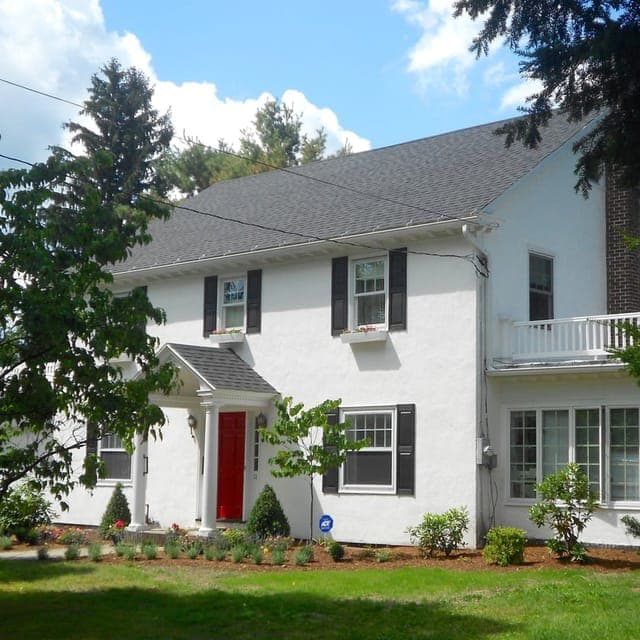
Top Cities for Quality of Life in Pennsylvania

* Values derived from national, state, county, city and local statistics and may differ in a specific area. Last updated: 2026-04-19T01:35:58.000Z
Narrative content on this page is AI-generated and may contain mistakes. Verify any details that matter before acting on them.
ReloMaps may earn a commission from affiliate links at no extra cost to you.

